
Corrientes, Argentina: Incredible Chamamé, Jesuit Ruins & Paraná River Sunsets (2025)
While crowds flock to Iguazú Falls, Corrientes, Argentina delivers a profound, authentic gaucho culture and a living musical tradition without the tourist queues. Here’s why savvy travelers choose differently: you can stand where 16th-century Jesuit missionaries built self-sufficient communities, feel the hypnotic rhythm of Chamamé music in a local *peña*, and watch the sun melt into the mighty Paraná River—all in a single, unhurried day. This is the soul of Argentina’s northeast, waiting to be discovered.
Why Corrientes, Argentina Stands Out

Gray concrete bridge scenery, Corrientes, Argentina
- Historic Architecture: The stunning, pink-hued Iglesia de la Cruz de los Milagros (Church of the Cross of Miracles), built in the late 19th century, houses a revered cross said to have performed miracles since the city’s 1588 founding.
- Cultural Scene: The city is the undisputed capital of Chamamé, a passionate folk music and dance born here, best experienced at a lively *peña* (folk club) where the floorboards shake.
- Local Specialties: You must try Chipá, a warm, cheesy bread made from cassava flour, best enjoyed fresh from a street vendor or bakery in the morning.
Pro Tip: Plan your visit for late September to catch the Fiesta Nacional del Chamamé, a massive 10-day festival that transforms the city into an open-air concert. For fewer crowds and pleasant weather, the shoulder months of April-May or September-October are your best bet.
Map of Corrientes, Argentina
Use these interactive maps to explore Corrientes, Argentina and plan your route:
📍 View Corrientes, Argentina on OpenStreetMap
🗺️ Open Corrientes, Argentina in Google Maps
Planning Your Trip: Practical Essentials
Getting There and Around
- By Air: Fly into Doctor Fernando Piragine Niveyro International Airport (CNQ), served by Aerolíneas Argentinas and low-cost carriers. A taxi to the city center costs about AR$ 8,000 (approx. $8 USD) and takes 15 minutes. Book flights at Skyscanner for best deals.
- By Train: While long-distance passenger rail is limited, the scenic Tren de las Sierras from Córdoba is an option for a multi-destination trip. Most travelers arrive by bus. Reserve tickets at Trainline or the national railway website.
- By Car: Corrientes is connected via National Route 12. Driving offers freedom to explore nearby Esteros del Iberá wetlands. Downtown parking can be tight; opt for a hotel with parking. Compare car rentals at RentalCars.com.
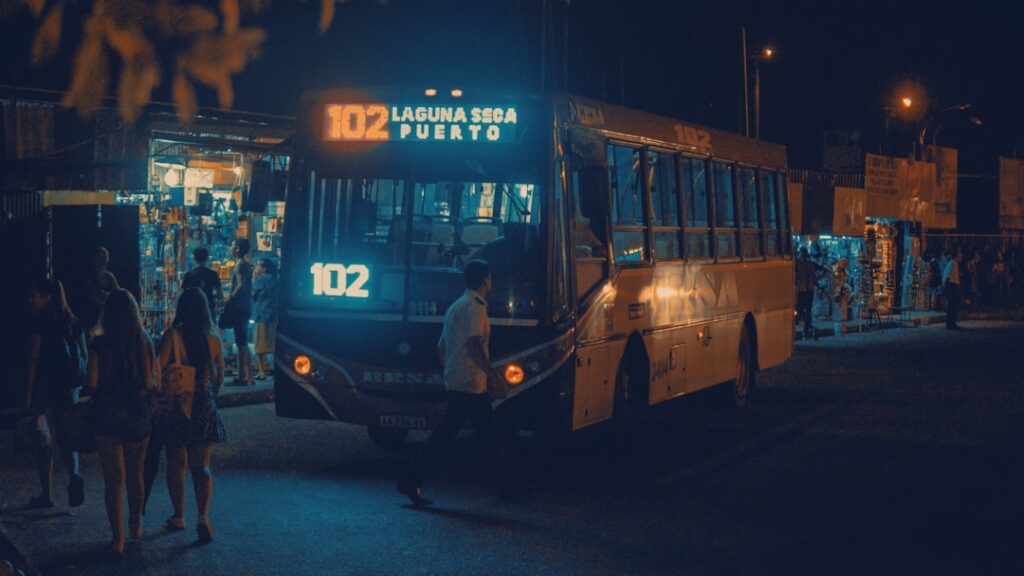
- Local Transport: The city is very walkable. For longer distances, use the efficient local bus system (AR$ 300 per ride) or plentiful, affordable taxis. Ride-hailing apps like Uber are also operational.
Best Time to Visit
Corrientes has a humid subtropical climate. The ideal time balances comfortable temperatures with key cultural events. Summers are hot and vibrant, winters are mild, and the shoulder seasons offer the best of both worlds.
| Season | Weather | Highlights |
|---|---|---|
| Summer (Dec–Feb) | Hot & humid, 25°C to 35°C (77°F to 95°F), frequent afternoon thunderstorms. | Vibrant street life, river activities. High humidity and crowds during holiday period (Jan). |
| Winter (Jun–Aug) | Mild & dry, 10°C to 22°C (50°F to 72°F), most pleasant for exploration. | Perfect for city walking tours and day trips. Fewer tourists, but some festival energy is absent. |
| Shoulder (Apr–May/Sep–Oct) | Warm & pleasant, 15°C to 28°C (59°F to 82°F), low rainfall. | Best overall conditions. September leads into Chamamé festival season. Ideal for outdoor and cultural activities. |
Budgeting for Corrientes, Argentina

A bridge silhouetted against a sunset sky., Corrientes, Argentina
| Category | Budget | Mid-range | Luxury |
|---|---|---|---|
| Accommodation | Hostel: AR$ 15,000/night | 3-star hotel: AR$ 40,000-60,000/night | 5-star/boutique: AR$ 100,000+/night |
| Meals | Street food/ *parrilla* lunch: AR$ 6,000-8,000 | Restaurant dinner: AR$ 12,000-18,000 | Fine dining: AR$ 25,000+ |
| Transport | Local buses: AR$ 300/ride | Taxis across town: AR$ 3,000-5,000 | Private driver/day tour: AR$ 50,000+ |
| Activities | Free walking tours, plaza visits | Museum entry: AR$ 2,000, Boat tour: AR$ 15,000 | Private guided tour of Jesuit Ruins: AR$ 30,000+ |
| Daily Total | AR$ 25,000-35,000 (≈$25-35 USD) | AR$ 70,000-100,000 (≈$70-100 USD) | AR$ 180,000+ (≈$180+ USD) |
Top Attractions and Must-See Sights
| Attraction | Description | Hours | Entry Fee |
|---|---|---|---|
| Costanera (Riverfront) | A beautiful 3km promenade along the Paraná River, perfect for sunset strolls, jogging, and watching local fishermen. | 24/7 | Free |
| Museo de Bellas Artes | Housed in a former mansion, it features impressive works by Argentine artists and regional masters. | Mon-Fri 8am-12pm, 4pm-8pm; Sat 9am-12pm | AR$ 1,500 (Free Wed) |
| Jesuit Ruins of San Ignacio Miní (Day Trip) | A UNESCO World Heritage site, these breathtaking 17th-century red sandstone ruins are the best-preserved in Argentina. | Daily 7am-7pm | AR$ 2,500 |
| Teatro Oficial Juan de Vera | A majestic, French-style theater from 1913, offering a glimpse into the city’s golden age and hosting regular performances. | Varies by show; lobby often accessible | Tour: Free; Show tickets vary |
3-Day Itinerary: Corrientes, Argentina’s Highlights & Hidden Gems
Day 1: Historic Heart & Riverfront Rhythms
- Morning (7-9 AM): Start at Plaza 25 de Mayo, the main square. Admire the pink Iglesia de la Cruz de los Milagros and the Italianate Casa de Gobierno. Grab a warm Chipá from a vendor on the corner of Córdoba and Salta streets.
- Afternoon (12-3 PM): Walk down to the Costanera. Have lunch at El Quincho de Chiquito (Costanera General San Martín 255) for superb river fish (*surubí a la parrilla*). Afterwards, visit the small but fascinating Museo de Ciencias Naturales to see regional fauna.
- Evening (6-8 PM): Return to the Costanera for the spectacular sunset. For dinner, head to La Casona (Córdoba 1385) for classic Correntino dishes in a charming, historic setting. Try the *locro* (hearty stew).
Day 2: Culture, Crafts & Chamamé
- Morning (9 AM): Visit the Mercado de Artesanías (Pellegrini 542) to browse beautiful leatherwork, *ñandutí* lace, and carved *palo santo* wood. Your best bet for authentic souvenirs. Budget AR$ 10,000-20,000 for quality items.
- Afternoon (1 PM): Enjoy a leisurely lunch at El Boyero Parrilla (Junín 1549), a local favorite for its generous *asado* (mixed grill). Then, explore the Museo de Bellas Artes to cool off and appreciate regional art.
- Evening (9 PM): Immerse yourself in local culture at a Chamamé peña. Peña Nativo (Río Paraná 134) is a legendary spot. The music starts late (often after 10 PM), so go for a late dinner there or just drinks. Feel free to join the dance floor!
Day 3: Jesuit Legacy & Paraná Perspectives
- Morning (7 AM): Take a shared remis or bus (AR$ 8,000-15,000 one-way, 1.5 hours) to the Jesuit Ruins of San Ignacio Miní. Arrive early to explore the awe-inspiring ruins in the soft morning light and beat the heat. The on-site museum provides essential context.
- Afternoon (1 PM): Have lunch in San Ignacio town at El Descanso del Cacique, a simple restaurant serving excellent regional food. Return to Corrientes by mid-afternoon.
- Evening (6 PM): For your final night, take a sunset boat tour on the Paraná River (bookable at kiosks on the Costanera, approx. AR$ 15,000). Afterwards, enjoy a farewell dinner at Parrilla Don Joaquín (Córdoba 1550) for what locals swear is the best *matambre* (stuffed flank steak) in town.
Cultural Insights & Etiquette
- Language: Spanish is essential. While some in tourism speak basic English, learning a few phrases goes far. Key phrase: “¡Che, qué lindo chamamé!” (Hey, what beautiful chamamé!).
- Customs: Life moves at a relaxed pace. Greetings are important—a handshake or a single kiss on the cheek is standard. When invited to a home, bringing a small gift like dessert or wine is appreciated.
- Tipping: In restaurants, a 10% tip is customary for good service, often left in cash. For taxis, rounding up the fare is sufficient.
- Dress Code: Casual and comfortable is fine. For upscale restaurants or the theater, smart casual (collared shirts, nice trousers/dresses) is appropriate. Always pack sunscreen and a hat.
- Business Hours: Shops typically open 9 AM-12:30 PM, close for siesta, and reopen 4:30 PM-8:30 PM. Banks are open mornings only. Many businesses close on Sundays.
Where to Eat: Corrientes, Argentina’s Best Bites
Correntino cuisine is a hearty blend of river fish, beef, and native ingredients like cassava and maize. Dining is a social, leisurely affair. You’ll find exceptional local *parrillas* (grill houses) and humble eateries serving soul-warming stews.
Must-Try Local Specialties
- Surubí a la Parrilla: A massive, firm-fleshed river catfish, simply grilled over wood fire. Best tried at any riverside restaurant like El Quincho de Chiquito.
- Sopa Paraguaya: Despite the name, it’s a staple here—a dense, savory cornbread with cheese and onions. A perfect side dish.
- Mbeyú: A crispy, pan-fried cassava flour cake, often eaten for breakfast or as a snack. Find it at street stalls and markets.
Restaurant Recommendations by Budget
| Type | Restaurant | Specialty | Price Range |
|---|---|---|---|
| Budget | La Pulpería (Quintana 1045) | Hearty, home-style stews (*guisos*) and empanadas in a rustic setting. | AR$ 5,000-8,000 |
| Mid-range | Parrilla El Boyero (Junín 1549) | Classic *asado* (mixed grill) and river fish in a traditional *parrilla* atmosphere. | AR$ 10,000-18,000 |
| Fine dining | Restó del Hotel Guarani (Mendoza 970) | Upscale, creative takes on regional cuisine with stunning river views from the rooftop. | AR$ 25,000+ |
Where to Stay
Accommodation ranges from charming family-run inns to modern business hotels. The city center (Centro) is the most convenient base for walking to major sights, while the Costanera area offers beautiful river views. Compare prices and book at Booking.com or Airbnb for apartments.
Best Neighborhoods for Accommodation
- Centro (City Center): The historic heart. You’re steps from plazas, museums, and main restaurants. Can be noisy; ideal for first-time visitors who want to be in the middle of everything.
- Costanera (Riverfront): Offers scenic views, parks, and a quieter, more relaxed atmosphere. Slightly further from some historic sites, but perfect for evening strolls and sunrise over the Paraná.
- Barrio Jardín: A peaceful, residential area with tree-lined streets. Offers a more local feel and some lovely boutique B&Bs. You’ll rely more on taxis or buses to reach the center.

A car driving on a bridge over a body of water, Corrientes, Argentina
FAQs: Your Corrientes, Argentina Questions Answered
1. Is Corrientes, Argentina safe at night?
Corrientes is generally safe. Exercise standard urban precautions: stick to well-lit, populated areas like the Costanera and main avenues at night, avoid displaying valuables, and use official taxis or ride-hailing apps for transport after dark. The city center can feel quiet late at night outside of festival periods
Related Guides
Explore more destinations similar to Corrientes:
- Tassili n’Ajjer, Algeria: Ultimate Rock Art, Sandstone Forests & Saharan Silence (2026)
- Bucheon, South Korea’s Ultimate Pop Culture, Parks & Unforgettable Festivals (2026)
- Djanet, Algeria’s Essential Rock Art, Starry Nights & Saharan Silence (2025)
- Maria La Gorda, Cuba’s Hidden Diving, Dolphins & Deserted Beaches (2025)
{“@context”: “https://schema.org”, “@type”: “FAQPage”, “mainEntity”: [{“@type”: “Question”, “name”: “What is the best time to visit Corrientes?”, “acceptedAnswer”: {“@type”: “Answer”, “text”: “The best time to visit Corrientes depends on your preferences. Generally, the dry season offers the most pleasant weather for sightseeing and outdoor activities.”}}, {“@type”: “Question”, “name”: “How many days do I need in Corrientes?”, “acceptedAnswer”: {“@type”: “Answer”, “text”: “Most travelers spend 3-5 days in Corrientes to see the main attractions. A week allows for a more relaxed pace and day trips.”}}, {“@type”: “Question”, “name”: “Is Corrientes expensive to visit?”, “acceptedAnswer”: {“@type”: “Answer”, “text”: “Corrientes can be visited on various budgets. Accommodation ranges from hostels to luxury hotels, and local restaurants offer affordable dining.”}}]}

