
Huánuco, Peru’s Epic Ancient Ruins, Cloud Forests & Eternal Spring (2025)
While crowds flock to Cusco for the Inca Trail, savvy travelers head 400 kilometers north to Huánuco, where the 4,000-year-old Kotosh Temple of the Crossed Hands predates Machu Picchu by millennia. Here, in a valley nicknamed the “City of Eternal Spring,” you’ll find a living museum where pre-Inca history whispers from adobe walls, the air is perpetually mild, and the cost of a full day of exploration—from a S/ 10 museum entry to a S/ 15 set-menu lunch—rivals what you’d pay for a single cocktail in more tourist-saturated Peruvian hubs.
Why Huánuco, Peru Stands Out

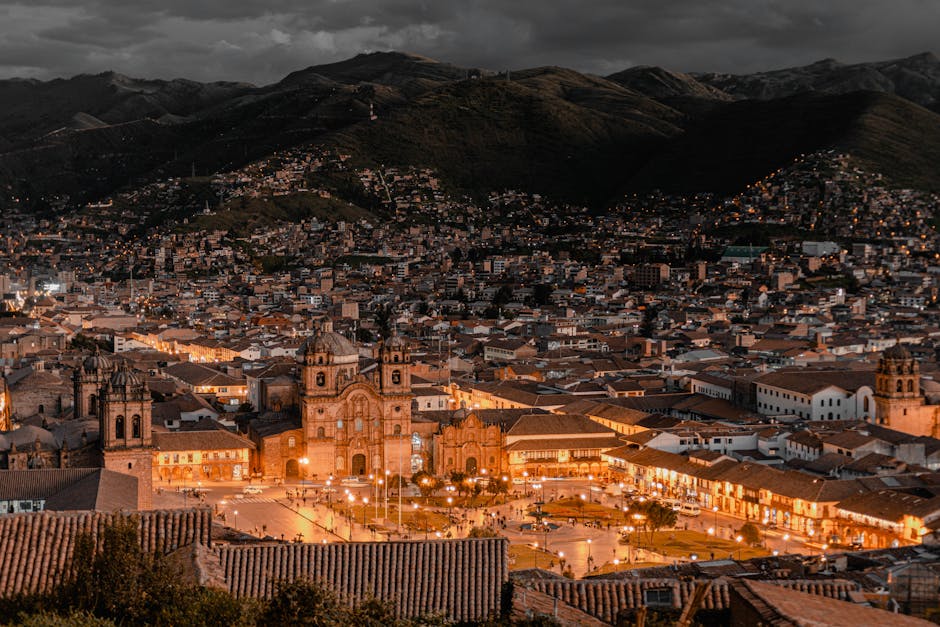
Aerial view of the historic urban landscape in Lima, Huánuco, Peru
- Historic Architecture: The Iglesia de San Cristóbal (1560), one of Peru’s oldest churches, showcases a stunning mestizo-baroque façade built atop an Inca palace foundation.
- Cultural Scene: The Fiesta de los Negritos (December 24-January 19) is a vibrant, syncretic dance festival honoring the Black slaves who gained their freedom, featuring intricate costumes and non-stop music.
- Local Specialties: You must try picante de cuy, a rich, spicy guinea pig stew considered a celebratory dish, best enjoyed with a side of locally grown giant white corn.
Pro Tip: Visit during the dry season from May to September for reliably sunny days ideal for hiking to ruins. For the ultimate cultural immersion, plan your trip to overlap with the start of Los Negritos on Christmas Eve, but book accommodations at least three months in advance.
Map of Huánuco, Peru
Use these interactive maps to explore Huánuco, Peru and plan your route:
📍 View Huánuco, Peru on OpenStreetMap
🗺️ Open Huánuco, Peru in Google Maps
Planning Your Trip: Practical Essentials
Getting There and Around
- By Air: Fly into Alférez FAP David Figueroa Fernandini Airport (HUU), served by LATAM Perú and Sky Airline from Lima (1-hour flight). A taxi to the city center costs about S/ 15. Book flights at Skyscanner for best deals.
- By Train: There are no passenger train services to Huánuco. Long-distance travel is by bus or air.
- By Car: The Central Highway connects Lima to Huánuco (8-10 hour drive). Rental cars are useful for exploring nearby sites like Tingo María. Driving is straightforward in the city. Compare car rentals at RentalCars.com.
- Local Transport: *Mototaxis* (three-wheeled rickshaws) are the lifeblood of the city; a short ride within the center costs S/ 3-5. Colectivos (shared vans) depart from terminal stations for nearby towns and attractions.
Best Time to Visit
Huánuco’s valley climate is mild year-round, but the dry season offers the most reliable conditions for outdoor adventures to archaeological sites and national parks.
| Season | Weather | Highlights |
|---|---|---|
| Dry Season (May–Sep) | Sunny days, cool nights (12°C – 24°C), almost no rain | Ideal for hiking to Kotosh and Carpish; clear skies; peak local tourism in July. |
| Wet Season (Dec–Mar) | Frequent afternoon showers, warmer (15°C – 26°C), lush greenery | Landscape is vividly green; the Fiesta de los Negritos fills the city with energy. |
| Shoulder (Apr & Oct–Nov) | Transitional, sporadic rain, pleasant temperatures | Best value and fewer visitors; perfect for city exploration and museum visits. |
Budgeting for Huánuco, Peru

A vibrant religious procession in Tapo, Huánuco, Peru
| Category | Budget | Mid-range | Luxury |
|---|---|---|---|
| Accommodation | Hostel: S/ 40-60 | 3-star hotel: S/ 120-180 | Boutique hotel: S/ 250+ |
| Meals | Menú del Día: S/ 10-15 | À la carte restaurant: S/ 25-40 | Fine dining: S/ 60+ |
| Transport | Mototaxi/Colectivo: S/ 15 | Private taxi tours: S/ 80-120 | Full-day private driver: S/ 200+ |
| Activities | Museums/Plazas: S/ 5-20 | Guided ruin tours: S/ 50-80 | Private cloud forest guide: S/ 150+ |
| Daily Total | S/ 70-110 | S/ 200-350 | S/ 500+ |
Top Attractions and Must-See Sights
| Attraction | Description | Hours | Entry Fee |
|---|---|---|---|
| Kotosh Temple of the Crossed Hands | See the ancient molded mud friezes of crossed arms, a sacred symbol from 2000 BC, at this pre-ceramic religious complex. | 9:00 AM – 5:00 PM | S/ 10 |
| Plaza de Armas & León de Huánuco | Admire the iconic marble lion statue and the majestic cathedral in the heart of the city, a perfect spot for people-watching. | 24/7 (buildings vary) | Free |
| Museo de Ciencias Naturales | Explore an impressive collection of Amazonian fauna, including a massive anaconda skeleton and regional geology. | Mon-Sat: 8:30 AM – 1:00 PM, 3:00 – 6:00 PM | S/ 5 |
| Carpish Tunnel & Cloud Forest | Drive through the famous tunnel on the road to Tingo María to access breathtaking hikes in a biodiversity-rich cloud forest. | Daylight hours recommended | Free (guide recommended) |
3-Day Itinerary: Huánuco, Peru’s Highlights & Hidden Gems
Day 1: Ancient Foundations & City Pulse
- Morning (7-9 AM): Start early with a *mototaxi* (S/ 15) to the Kotosh archaeological site. Beat the heat and have the tranquil, spiritually charged ruins mostly to yourself. Look for the famous crossed hands frieze inside the small temple structure.
- Afternoon (12-3 PM): Return to the city for a classic *lomo saltado* lunch at **El Trigal** (Jr. Dámaso Beraún 775). Afterwards, visit the **Museo de Ciencias Naturales** to understand the region’s ecological diversity.
- Evening (6-8 PM): Stroll the **Plaza de Armas** as it lights up. For dinner, head to **La Cabaña** (Av. San Martín 501) for their superb *picante de cuy* or a tender *asado norteño*.
Day 2: Colonial History & Local Flavors
- Morning (8 AM): Visit the **Iglesia de San Cristóbal**. Look for the Inca stonework at its base before admiring the ornate baroque front. Then, wander the **Mercado Central** on 28 de Julio street; it’s a sensory overload of fresh fruit, herbs, and local cheeses.
- Afternoon (1 PM): Enjoy a leisurely *menú del día* at a local favorite like **Chifa Lung Fung** (Jr. Huallayco 535) for a Peruvian-Chinese fusion twist. Then, take a *colectivo* (S/ 3) to the **Puente Calicanto**, a historic stone bridge from 1845, for photos.
- Evening (7 PM): Experience local nightlife at a *picantería*. **La Tranquera** (Av. Alonso de Alvarado) is famed for its lively atmosphere, *chicha de jora* (fermented corn drink), and plates of *jaka-chupe* (pork stew).
Day 3: Natural Wonders & Cloud Forests
- Morning (7 AM): Hire a taxi for the day (approx. S/ 150) for the 2-hour journey towards Tingo María. Your destination is the **Carpish Tunnel** area. Just past the tunnel, trails lead into the mystical, moss-draped cloud forest—a paradise for birdwatchers.
- Afternoon (12:30 PM): Have a packed lunch amidst the foggy forest or stop at a simple roadside eatery for *trucha frita* (fried trout) from local streams. Visit the **Cueva de las Lechuzas** (Cave of the Owls) in Tingo María National Park to see oilbirds (additional park fee: S/ 10).
- Evening (6 PM): Return to Huánuco. For a final dinner, savor authentic Amazonian dishes like *tacacho con cecina* (plantain balls with smoked pork) at **El Bijao** (Jr. 2 de Mayo 1121).
Cultural Insights & Etiquette
- Language: Spanish is essential. A few Quechua phrases like “*Allianchu*” (Hello, how are you?) are appreciated. English is rarely spoken outside major hotels.
- Customs: Greetings are important. Always offer a “buenos días/tardes” when entering a shop. When invited to a home, a small gift like fruit or sweets is polite.
- Tipping: A 10% tip is customary in sit-down restaurants if service isn’t included. For taxi drivers, rounding up the fare is sufficient.
- Dress Code: Modest, casual clothing is fine. For churches, cover shoulders and knees. Sturdy walking shoes are a must for archaeological sites.
- Business Hours: Shops typically open 9 AM-1 PM and 3-8 PM. Many close on Sundays. Banks operate 9 AM-5:30 PM weekdays, Saturday mornings.
Where to Eat: Huánuco, Peru’s Best Bites
Huánuco’s cuisine is a hearty blend of highland and jungle influences. Dining is social and centered around robust flavors—think slow-cooked meats, giant corn, and tropical fruits from the nearby Amazon foothills.
Must-Try Local Specialties
- Picante de Cuy: The definitive Huánuco dish. The guinea pig is fried until crispy then stewed in a spicy, deep-red sauce with peanuts and spices. Best tried at traditional *picanterías* like La Cabaña.
- Locro de Gallina: A creamy, comforting chicken and potato stew, often made with local yellow potatoes and *huacatay* (black mint). Find an excellent version at **El Trigal**.
- Chicha de Jora: This slightly sour, fermented corn beverage is the traditional drink of the Andes. It’s often served in rustic ceramic cups at local eateries.
Restaurant Recommendations by Budget
| Type | Restaurant | Specialty | Price Range |
|---|---|---|---|
| Budget | Mercado Central Food Stalls | Fresh fruit juices, tamales, and *caldo de cabeza* (broth) | S/ 5-15 |
| Mid-range | El Trigal (Jr. Dámaso Beraún 775) | Classic Peruvian *criollo* dishes in a family-friendly setting | S/ 25-40 |
| Fine dining | La Cabaña (Av. San Martín 501) | Upscale regional cuisine, including exquisite *picante de cuy* | S/ 50-80 |
Where to Stay
Most visitors stay in the city center for convenience to restaurants and transport hubs. For a quieter, more residential feel, the neighborhoods near Universidad Nacional Hermilio Valdizan are a good bet. Compare prices and book at Booking.com or Airbnb for apartments.
Best Neighborhoods for Accommodation
- Centro Histórico: The heart of the action, steps from the Plaza de Armas, museums, and main restaurants. Can be noisy at night but maximizes your time. Best for first-time visitors.
- San Sebastián: A quieter, more residential area just a short walk or quick *mototaxi* ride from the center. You’ll find several good mid-range hotels and local cafes here.
- Pillco Marca: On the city’s outskirts closer to the hills, offering more space and views. Ideal for those with rental cars or seeking longer-term stays, though you’ll rely on taxis to get downtown.

Blurred motion captures bustling nightlife in Cusco, Huánuco, Peru
FAQs: Your Huánuco, Peru Questions Answered
1. Is Huánuco, Peru safe at night?
The city center around the Plaza de Armas is generally safe for tourists in the evening. As always, exercise standard precautions: stick to well-lit main streets, avoid displaying valuables, and use registered *mototaxis* for transport after dark. Petty theft can occur in crowded markets, so keep bags secure.
2. What currency is used and are credit cards accepted?
The Peruvian Sol (PEN) is the currency. While major hotels and some upscale restaurants in the center accept credit cards (Visa/Mastercard), cash is king in Huánuco. Always carry small bills and coins for markets, *mototaxis*, and local eateries. ATMs are widely available around the Plaza de Armas.
3. How do I get from the airport to the city center?
Alférez FAP David Figueroa Fernandini Airport (HUU) is only about 5 km from downtown. Official airport taxis have a fixed rate of approximately S/ 15-20 for the 15-minute ride. There is no public bus service from the airport. Book airport transfers at GetYourGuide for convenience.
4. Do I need to speak the local language?
Yes, basic Spanish is highly recommended and will vastly improve your experience. Very little English is spoken by vendors, taxi drivers, or in local restaurants. Learning key phrases for ordering food, asking for directions, and stating prices is essential. Locals are patient and appreciate the effort.
5. What’s the appropriate dress code?
Dress is casual but conservative. For daily sightseeing, comfortable layers work well due to temperature shifts. When visiting churches, avoid shorts, short skirts, and sleeveless tops. For hiking to Kotosh or in the cloud forest,
{“@context”: “https://schema.org”, “@type”: “FAQPage”, “mainEntity”: [{“@type”: “Question”, “name”: “What is the best time to visit Huu00e1nuco?”, “acceptedAnswer”: {“@type”: “Answer”, “text”: “The best time to visit Huu00e1nuco depends on your preferences. Generally, the dry season offers the most pleasant weather for sightseeing and outdoor activities.”}}, {“@type”: “Question”, “name”: “How many days do I need in Huu00e1nuco?”, “acceptedAnswer”: {“@type”: “Answer”, “text”: “Most travelers spend 3-5 days in Huu00e1nuco to see the main attractions. A week allows for a more relaxed pace and day trips.”}}, {“@type”: “Question”, “name”: “Is Huu00e1nuco expensive to visit?”, “acceptedAnswer”: {“@type”: “Answer”, “text”: “Huu00e1nuco can be visited on various budgets. Accommodation ranges from hostels to luxury hotels, and local restaurants offer affordable dining.”}}]}
Related Guides
Explore more destinations similar to Huánuco:

