
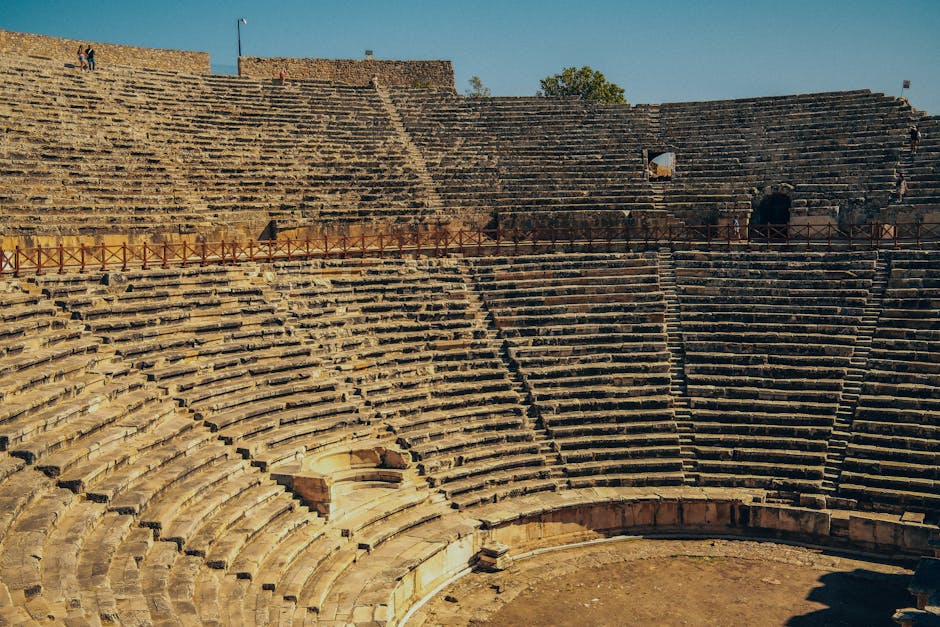
Ghat, Libya’s Best Ancient Caravans, Saharan Sunsets & Tuareg Culture (2025)
While travelers queue for the pyramids of Giza, a mere 1,500 kilometers southwest, the ancient mud-brick citadel of Ghat, Libya, has watched over Saharan trade routes for over 2,000 years with only a handful of international visitors. Here, the silence of the Akakus Mountains is broken only by the wind and the call to prayer, offering a profound connection to the Tuareg people and a landscape of prehistoric rock art that rivals any museum. This is the Sahara of legend, untouched and authentic.
Why Ghat, Libya Stands Out

Beautiful old structures and ghats in Vrindavan, Ghat, Libya
- Historic Architecture: The 13th-century Old Town (Ksar) is a labyrinth of multi-story mud-brick homes and fortified granaries, a stunning example of Sudano-Sahelian architecture adapted to extreme desert life.
- Cultural Scene: The annual Ghat Festival, typically in December, transforms the oasis with traditional Tuareg music, camel races, and vibrant handicraft markets, offering a rare window into living desert culture.
- Local Specialties: You must try *Taguella*, a traditional bread baked in the desert sand, often served with a rich, slow-cooked lamb or goat stew called *Méchoui*.
Pro Tip: The absolute best time to visit is during the shoulder months of October-November or March-April. Daytime temperatures are a pleasant 25-30°C (77-86°F), perfect for exploration, while the nights are cool but not freezing. This period avoids the scorching summer heat and the surprisingly cold winter nights, and often coincides with clearer skies for stargazing.
Map of Ghat, Libya
Use these interactive maps to explore Ghat, Libya and plan your route:
📍 View Ghat, Libya on OpenStreetMap
🗺️ Open Ghat, Libya in Google Maps
Planning Your Trip: Practical Essentials
Getting There and Around
- By Air: The nearest airport is Ghat Airport (GHT), with limited domestic flights from Tripoli via Libyan Airlines. Most travelers arrive via a 4×4 from Sabha (a 5-6 hour drive). Book connecting flights at Skyscanner for best deals.
- By Train: There are no passenger train services to Ghat. Libya’s railway network is extremely limited and does not service the Fezzan region.
- By Car: A 4×4 vehicle with an experienced local driver is mandatory. The route from Sabha (Route 3) is paved but remote. Off-road travel in the Akakus requires expert navigation. Compare car rentals with driver services at RentalCars.com.
- Local Transport: Within Ghat town, walking is the primary mode. For sites in the surrounding desert, you must hire a 4×4 with a guide through a licensed tour operator; there is no public transport.
Best Time to Visit
Timing is everything in the deep Sahara. Your experience hinges on choosing the right season to balance comfortable exploration with cultural opportunities.
| Season | Weather | Highlights |
|---|---|---|
| Summer (Jun–Aug) | Extremely hot, 40-48°C (104-118°F). Intense sun, minimal rain. | Not recommended for tourism. All outdoor activity is severely limited to early dawn hours. |
| Winter (Dec–Feb) | Cool days 15-20°C (59-68°F), very cold nights often below 5°C (41°F). | Potential for the Ghat Festival. Excellent for daytime trekking, but requires serious cold-weather camping gear. |
| Shoulder (Apr–May/Sep–Oct) | Ideal. Warm days 25-35°C (77-95°F), cool, pleasant nights. | Perfect conditions for desert safaris, hiking, and camping. Optimal stargazing with clear skies and comfortable temperatures. |
Budgeting for Ghat, Libya

Crowds gather at Har Ki Pauri Ghat in Haridwar, India, for evening rituals., Ghat, Libya
| Category | Budget | Mid-range | Luxury |
|---|---|---|---|
| Accommodation | Basic local guesthouse: 80-120 LYD/night | Comfortable desert camp or hotel: 200-350 LYD/night | Full-service desert camp with guide: 500+ LYD/night |
| Meals | Local cafes & street food: 15-25 LYD/meal | Restaurant meals: 30-50 LYD/meal | Arranged camp dining: Included in package |
| Transport | Shared taxi (local): 5-10 LYD | Private 4×4 with driver/guide: 300-500 LYD/day | Private luxury safari vehicle: 600+ LYD/day |
| Activities | Exploring Old Town (free), local markets | Guided day trip to Akakus: ~250 LYD | Multi-day exclusive safari: 800+ LYD/day |
| Daily Total | 100-150 LYD | 600-900 LYD | 1500+ LYD |
*Note: 1 Libyan Dinar (LYD) ≈ $0.20 USD. Cash is king; credit cards are rarely accepted.
Top Attractions and Must-See Sights
| Attraction | Description | Hours | Entry Fee |
|---|---|---|---|
| Ghat Old Town (Ksar) | A UNESCO-listed labyrinth of ancient mud-brick architecture, offering a tangible journey into trans-Saharan trade history. | Daylight hours | Free (guide recommended: ~30 LYD) |
| Tadrart Acacus (Akakus Mountains) | A vast desert massif famed for its otherworldly rock formations and one of the world’s richest collections of prehistoric rock art, dating back 12,000 years. | 24/7 (access with guide) | Desert Permit required (~50 LYD) + Guide Fee |
| Awiss Rock Art Site | One of the Acacus’s most accessible and impressive galleries, featuring detailed carvings of giraffes, elephants, and ancient human figures. | Daylight hours | Included in Acacus permit |
| Mazen Fort (Qasr Mazen) | A 19th-century Ottoman-era fort perched on a hill, providing panoramic sunset views over the oasis and the old town. | Daylight hours | Free |
3-Day Itinerary: Ghat, Libya’s Highlights & Hidden Gems
Day 1: Ancient Citadel & Oasis Life
- Morning (7-9 AM): Start early with a guided walk through the **Ghat Old Town**. Your best bet is to hire a local guide from the tourism office to explain the history of the granaries and family compounds. The low morning light makes for incredible photography.
- Afternoon (12-3 PM): Visit the **local market** near the main square to see spices, textiles, and silver Tuareg jewelry. For lunch, head to **Naseem Restaurant** for a hearty plate of *Couscous bil Lahm* (lamb couscous).
- Evening (6-8 PM): Hike or drive up to **Mazen Fort** for a breathtaking sunset over the palm groves. Afterwards, enjoy dinner at your camp or a simple local eatery like **Al Waha Cafe** for grilled chicken and mint tea.
Day 2: Journey into Prehistory in the Acacus
- Morning (6 AM departure): Depart early with your 4×4 guide for the **Tadrart Acacus** (approx. 1.5-hour drive, guide cost ~250 LYD). Your first stop is **Awiss**, where you’ll spend 2 hours marveling at the Neolithic rock art. Seasoned travelers know to bring a flashlight to better see the carvings in shaded areas.
- Afternoon (12-3 PM): Continue deeper into the desert to sites like **Tin Khlega** for more art and dramatic landscapes. Enjoy a picnic lunch prepared by your guide—often featuring *Taguella* bread.
- Evening (6-8 PM): Arrive at a designated **desert camp** in the Acacus. After settling in, experience the profound silence and impossibly clear night sky, arguably the best stargazing on the planet.
Day 3: Desert Landscapes & Cultural Immersion
- Morning (7-9 AM): After breakfast at camp, explore the wind-sculpted arches and dunes near **Afzejare**. Watch for fossilized marine life in the rocks, evidence this was once an ocean floor.
- Afternoon (12-3 PM): Return towards Ghat, stopping at a **Tuareg community**. With your guide facilitating, you might be invited for tea—a ceremonial three-cup process symbolizing life, love, and death. For lunch, stop at a simple roadside spot for *Shorba* (Libyan soup).
- Evening (6-8 PM): Your final evening calls for a special desert farewell. Many camps can arrange a traditional *Méchoui* feast, where lamb is slow-roasted in a pit. Relax by the fire, listening to stories or the strum of an *Imzad* (a one-string Tuareg violin).
Cultural Insights & Etiquette
- Language: Arabic is official; the local Tuareg speak Tamasheq. Key phrases: *As-salamu alaykum* (Hello), *Shukran* (Thank you), *Ma’is-salama* (Goodbye). A little Arabic goes a very long way.
- Customs: Hospitality is sacred. Always accept offers of tea. Use your right hand for eating and greeting. Public displays of affection are frowned upon. When photographing people, especially Tuareg, always ask permission first—a smile and a gesture with your camera is understood.
- Tipping: Not universally expected but greatly appreciated for good service. For a guide, 10-15% of the tour cost is generous. In restaurants, rounding up the bill is sufficient.
- Dress Code: Modesty is key for both men and women due to conservative culture. Wear loose, long clothing covering shoulders and knees. A headscarf is advisable for women. For the desert, sturdy boots, a hat, and sunglasses are essential.
- Business Hours: Shops open early, close for a long lunch (1-4 PM), and reopen until evening. Friday is the holy day; most everything is closed. Government offices keep limited hours (approx. 8 AM – 2 PM).
Where to Eat: Ghat, Libya’s Best Bites
Dining in Ghat is less about fancy restaurants and more about authentic, hearty sustenance. You’ll find meals are communal, flavorful, and centered around bread, meat, and grains. Most eateries are simple cafes; the best “restaurants” are often part of your desert camp experience.
Must-Try Local Specialties
- Taguella: The definitive Saharan bread. Dough is baked directly in the ashes and sand of a desert fire, then brushed off and served in pieces to scoop up stews. The ultimate taste of desert survival.
- Méchoui: A whole lamb or goat, slow-roasted for hours in a underground pit or over an open fire, often for celebrations. The meat is incredibly tender and flavorful.
- Bazin: A dense, doughy dome made from barley flour, served with a spicy tomato and meat (usually lamb) sauce. It’s a staple dish of Libyan comfort food.
Restaurant Recommendations by Budget
| Type | Restaurant | Specialty | Price Range |
|---|---|---|---|
| Budget | Al Waha Cafe (Town Center) | Grilled meats, chicken, and simple rice dishes | 15-25 LYD |
| Mid-range | Naseem Restaurant (Main Street) | Couscous, pasta, and Libyan soups | 25-40 LYD |
| Fine dining | Your Desert Camp Kitchen | Full *Méchoui* feasts or multi-course meals arranged in advance | Included in camp package |
Where to Stay
Accommodation ranges from basic town guesthouses to immersive desert camps. Booking in advance through a tour operator is highly recommended, as online listings are sparse. Compare any available hotels at Booking.com, but for a true experience, a desert camp arranged locally is your best bet.
Best Neighborhoods for Accommodation
- Ghat Town Center: Offers basic hotels and guesthouses like Dar Ghat. Pros: Easy access to the old town and markets. Cons: Less atmospheric than the desert. Suits budget travelers and those wanting a town base.
- The Akakus Desert Camps: Fixed campsites within the mountain range. Pros: Unbeatable location for stars and silence, full cultural immersion. Cons: Basic facilities (shared toilets, no running water often). Suits adventurers and culture seekers.
- Oasis Periphery: Some newer, more comfortable camps are set on the edge of the palm groves. Pros: Better amenities while still feeling remote, often include pool. Cons: Further from the deep desert sites. Suits mid-range travelers wanting comfort.
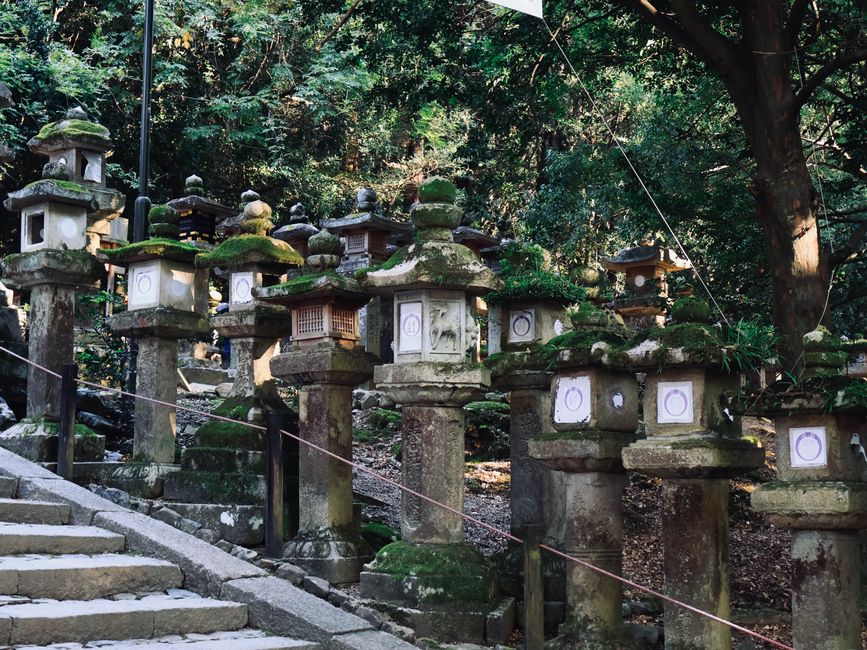
Moss-covered stone lanterns line a tranquil forest path in a historic setting., Ghat, Libya
FAQs: Your Ghat, Libya Questions Answered
1. Is Ghat, Libya safe at night?
Within Ghat town, the area is generally quiet and safe for walking at night. However, due to the remote location and limited infrastructure, it’s wise to be cautious, avoid isolated areas, and travel with a companion. In the desert, you will always be with your guide/camp, which is secure. Always check your government’s latest travel advisories for the Fezzan region before planning your trip.
2. What currency is used and are credit cards accepted?
The currency is the Libyan Dinar (LYD). You must bring enough cash in dinars for your entire trip. Credit cards are virtually useless in Ghat. ATMs are unreliable or non-existent for foreign cards. Exchange money in Tripoli or Sabha before arriving. US Dollars or Euros can sometimes be exchanged at poor rates with your hotel or guide, but don’t rely on it.
3. How do I get from the airport to the city center?
Ghat Airport (GHT) is small. If you arrive on a flight, pre-arrange a pickup with your hotel or tour operator, which is the most reliable method. Taxis may be available but negotiate the fare (approx. 20-30 LYD) before getting in. Most visitors arrive by pre-booked 4×4 from Sabha. Book airport transfers or full tours at GetYourGuide for convenience, but confirm local operator details.
4. Do I need to speak the local language?
No, but it
Explore More Destinations
- Jozani, Tanzania on a Budget: an Ancient Forest for $35/Day (2026)
- Nsumbu, Zambia on a Budget: Wild Africa for $40/Day (2026)
- Semporna, Malaysia on a Budget: Paradise for $35/Day (2026)
- Khuzestan, Iran on a Budget: Ancient Empires for $30/Day (2026)
- Ngerulmud, Palau on a Budget: Island Majesty for $45/Day (2026)
Ready to Visit Ghat?
Start planning your trip today. Compare hotels, find the best tours, and get insider tips.
Your adventure in Ghat starts here →
Related Guides
Explore more destinations similar to Ghat:

