
Najaf, Iraq’s Hidden Pilgrimage, History & Golden Architecture (2025)
Just before sunset, the golden dome of the Imam Ali Shrine begins to glow with an ethereal light, visible for miles across the desert plain. The call to prayer echoes from the minarets, blending with the murmur of pilgrims from over 50 countries who walk the marble courtyards. This isn’t just a religious center; it’s a living city of scholarship and history, home to the world’s largest Islamic cemetery, Wadi-us-Salaam, where over 5 million are buried. For the culturally curious traveler, Najaf offers a profound, unfiltered glimpse into the heart of Shia Islam.
Why Najaf, Iraq Stands Out

A group of cement benches sitting next to each other, Najaf, Iraq
- Historic Architecture: The Imam Ali Shrine, with its origins in 977 AD, is a masterpiece of Islamic art, featuring 7,777 gold-plated bricks, intricate mirror work, and a sacred atmosphere that draws millions annually.
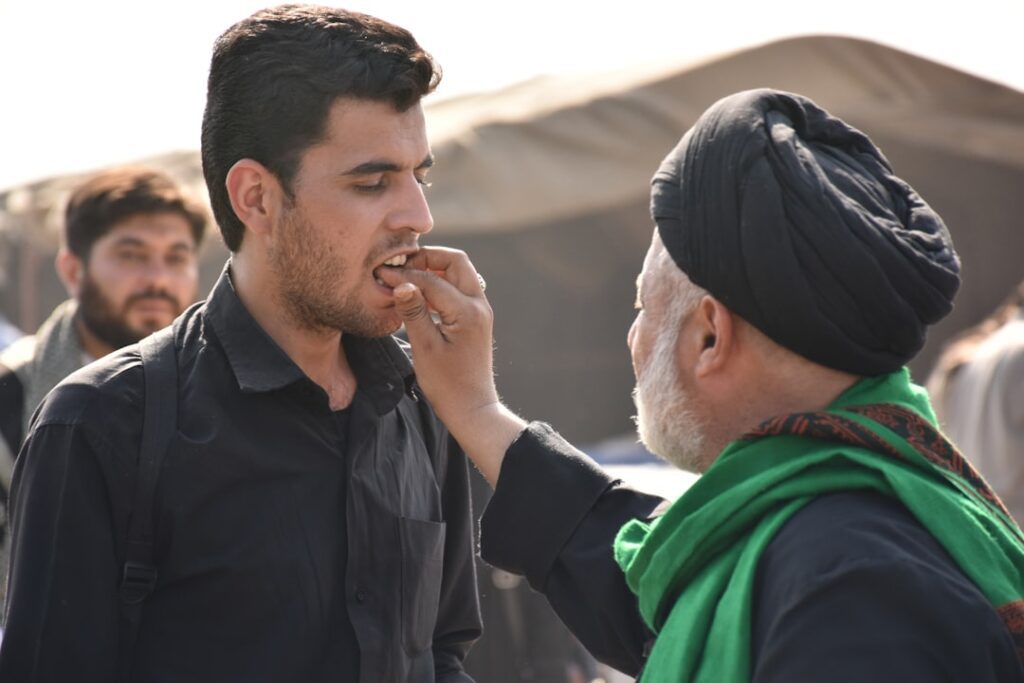
- Cultural Scene: The annual Arba’een pilgrimage, where up to 20 million walk to Najaf from cities like Basra, creates a breathtaking spectacle of faith, community, and free food stations (mawkibs) unmatched anywhere on earth.
- Local Specialties: You must try Masgouf, a traditional Mesopotamian dish of seasoned, open-fire grilled carp from the Tigris, best enjoyed at riverside restaurants in the old city.
Pro Tip: Visit during the shoulder months of October-November or March-April. You’ll avoid the intense summer heat (which regularly exceeds 45°C/113°F) and the peak pilgrimage crowds of Muharram and Arba’een, allowing for a more contemplative experience at the shrines.
Map of Najaf, Iraq
Use these interactive maps to explore Najaf, Iraq and plan your route:
📍 View Najaf, Iraq on OpenStreetMap
🗺️ Open Najaf, Iraq in Google Maps
Planning Your Trip: Practical Essentials
Getting There and Around
- By Air: Najaf International Airport (NJF) is the main gateway, served by airlines like Iraqi Airways, Fly Baghdad, and regional carriers from Turkey, UAE, and Iran. A taxi to the city center costs about 15,000-20,000 IQD ($10-$14). Book flights at Skyscanner for best deals.
- By Train: While Iraq’s rail network is rebuilding, regular long-distance services to Najaf are not yet fully operational for tourists. For regional train travel planning, check resources at Trainline or the national railway website.
- By Car: Highway 8 connects Najaf to Baghdad (160km, ~2.5 hours) and Basra. Driving offers flexibility but requires navigating checkpoints. Secure parking is available at major hotels. Compare car rentals at RentalCars.com.
- Local Transport: Taxis are the primary mode; always agree on a fare beforehand (5,000-10,000 IQD for short trips). Shared minibuses run fixed routes for 1,000 IQD. For ease, many hotels can arrange trusted drivers for day trips.
Best Time to Visit
Timing is crucial in Najaf due to its desert climate and major religious events. The ideal windows offer manageable temperatures and fewer logistical challenges for non-pilgrim visitors.
| Season | Weather | Highlights |
|---|---|---|
| Summer (Jun–Aug) | Extremely hot, 40-50°C (104-122°F), dry, intense sun. | Fewest pilgrims, hotel rates are lower, but outdoor exploration is limited to early morning/late evening. |
| Winter (Dec–Feb) | Cool to mild, 8-18°C (46-64°F), occasional rain. | Pleasant for walking, but coincides with major religious months (Muharram, Safar) leading to huge crowds. |
| Shoulder (Apr–May/Sep–Oct) | Warm to hot, 25-35°C (77-95°F), most comfortable. | Optimal balance. April/May and October offer the best chance for a peaceful visit with good weather. |
Budgeting for Najaf, Iraq

A crowd of people walking down a street at night, Najaf, Iraq
| Category | Budget | Mid-range | Luxury |
|---|---|---|---|
| Accommodation | 30,000-50,000 IQD ($20-$35) for basic local hotels. | 80,000-150,000 IQD ($55-$100) for international standard hotels like Qasr Al-Dur. | 200,000+ IQD ($135+) for suites at the Najaf Hilton or similar. |
| Meals | 5,000-10,000 IQD ($3.50-$7) for street food & local cafes. | 15,000-30,000 IQD ($10-$20) for sit-down restaurant meals. | 40,000+ IQD ($27+) for fine dining at top hotel restaurants. |
| Transport | 10,000 IQD ($7) via shared taxis/buses. | 30,000-50,000 IQD ($20-$35) for private taxi day hire. | 80,000+ IQD ($55+) for private driver & car for the day. |
| Activities | Free (shrines, cemetery, bazaars). Guided tours from 25,000 IQD ($17). | Private guided tours (50,000-100,000 IQD / $35-$70). | Comprehensive multi-day private tours with scholar guides. |
| Daily Total | 45,000-70,000 IQD ($30-$47) | 150,000-250,000 IQD ($100-$170) | 350,000+ IQD ($235+) |
Top Attractions and Must-See Sights
| Attraction | Description | Hours | Entry Fee |
|---|---|---|---|
| Imam Ali Holy Shrine | The spiritual heart of the city, containing the tomb of Imam Ali, with breathtaking golden architecture, mirrored halls, and a deeply reverent atmosphere. | 24/7 for courtyard; inner sanctums have specific times for men/women. | Free |
| Wadi-us-Salaam Cemetery | The world’s largest cemetery, spanning over 1,500 acres with centuries-old mausoleums; a profound historical landscape representing the Shia belief in burial near Imam Ali. | Daylight hours recommended. | Free |
| Al-Hannanah Mosque | Historic mosque marking the spot where Imam Ali’s coffin is said to have paused, featuring a pillar believed to lean in reverence. | Sunrise to post-evening prayers. | Free |
| Najaf Old Bazaar (Souq) | A labyrinthine market adjacent to the shrine selling religious items, prayer beads, turbans, spices, and gold, offering a vibrant slice of local life. | 9:00 AM – 9:00 PM (closes for prayer). | Free |
3-Day Itinerary: Najaf, Iraq’s Highlights & Hidden Gems
Day 1: The Spiritual Epicenter
- Morning (7-9 AM): Start early at the Imam Ali Shrine. Enter through the Qibla Gate and absorb the serene morning atmosphere before crowds build. Observe the intricate calligraphy and the stunning central dome. Remember to dress modestly and remove your shoes at designated areas.
- Afternoon (12-3 PM): Explore the winding alleys of the Najaf Old Bazaar. For lunch, head to Abu Jassim Al-Baghdadi Restaurant near the bazaar for an authentic Masgouf (approx. 15,000 IQD).
- Evening (6-8 PM): Return to the shrine complex to see the golden dome illuminated at sunset—a truly magical sight. For dinner, try Al-Mustashfa Al-Shamal Restaurant for excellent Iraqi kebabs and mezze.
Day 2: History & Scholarship
- Morning (8 AM): Hire a taxi (approx. 20,000 IQD round-trip) to the ancient city of Kufa, just 10km away. Visit the Great Mosque of Kufa, one of Islam’s earliest and most important mosques, and the nearby Maqam Imam Ali.
- Afternoon (1 PM): Back in Najaf, visit the Al-Hannanah Mosque. Then, explore the area around the Hawza (religious seminaries). Have lunch at Al-Sindbad Restaurant, famous for its Quozi (stuffed lamb).
- Evening (5 PM): Take a guided tour (arrange through your hotel, ~50,000 IQD) into Wadi-us-Salaam. A knowledgeable guide can explain the history and point out the tombs of famous prophets and scholars amidst the vast sea of graves.
Day 3: Desert Beauty & Local Life
- Morning (7 AM): Arrange a car for a half-day trip (approx. 80,000 IQD) to the Najaf Sea (Man-Made Lake) and the surrounding desert landscapes. It’s a stark, beautiful contrast to the city’s intensity.
- Afternoon (12 PM): Enjoy a final stroll through the shrine courtyards. For a memorable last lunch, visit Safir Restaurant in the city center for a high-quality mixed grill platter.
- Evening (Before Departure): If time allows, find a rooftop cafe near the shrine for one last view of the glowing golden dome, a perfect farewell image of Najaf.
Cultural Insights & Etiquette
- Language: Arabic is essential. Learn basic greetings: As-salamu alaykum (Peace be upon you), Shukran (Thank you). English is limited outside major hotels.
- Customs: The city is deeply conservative. Public displays of affection are frowned upon. Always use your right hand for eating and handing items. When sitting, avoid pointing the soles of your feet at people.
- Tipping: Not mandatory but appreciated. Round up taxi fares. In restaurants, 5-10% is generous if service isn’t included.
- Dress Code: Modesty is non-negotiable. Women must wear a headscarf, long sleeves, and a loose-fitting ankle-length coat (abaya) at the shrines—available for rent at entrances. Men should wear long trousers.
- Business Hours: Government hours: Sat-Thu, 8 AM-2 PM. Shops open 9 AM-1 PM, reopen 4 PM-9 PM. Everything closes during prayer times (approx. 20 mins, 5 times a day). Friday is the holy day.
Where to Eat: Najaf, Iraq’s Best Bites
Najaf’s cuisine is classic Iraqi heartland fare—rich, aromatic, and generously portioned. Dining is often a communal affair, and you’ll find incredible flavor at humble local eateries. The area near the old bazaar is packed with authentic options.
Must-Try Local Specialties
- Masgouf: Iraq’s national dish. A whole carp, butterflied, marinated with tamarind, olive oil, and rock salt, and slow-grilled beside an open fire. The skin becomes crispy while the flesh stays smoky and tender. Best tried at dedicated Masgouf restaurants by the river or in the old city.
- Quozi: A celebratory dish of whole roasted lamb, stuffed with rice, spiced minced meat, nuts, and raisins, falling off the bone. Perfect for sharing.
- Dolma: A family of dishes where vegetables like vine leaves, onions, tomatoes, and peppers are stuffed with a savory mix of rice, herbs, and sometimes meat, then simmered in a tangy broth.
Restaurant Recommendations by Budget
| Type | Restaurant | Specialty | Price Range |
|---|---|---|---|
| Budget | Abu Jassim Al-Baghdadi (Old City) | Fresh, riverside-style Masgouf | 10,000-20,000 IQD |
| Mid-range | Al-Sindbad Restaurant (City Center) | Excellent Quozi and grilled meats | 20,000-35,000 IQD |
| Fine dining | Al Diwan Restaurant (Najaf Hilton) | International & upscale Iraqi cuisine in a formal setting | 40,000+ IQD |
Where to Stay
Accommodation clusters in two main areas: the high-end hotels near the airport/city entrance, and more basic, pilgrim-focused hotels within walking distance of the shrine. For proximity to the action, the latter is unbeatable, but for Western-style amenities, the former is your best bet. Compare prices and book at Booking.com or Airbnb for apartments.
Best Neighborhoods for Accommodation
- Shrine-Adjacent Area: The warren of streets directly surrounding the Imam Ali Shrine. Pros: Ultimate convenience, immersive atmosphere, budget options. Cons: Can be noisy, basic amenities. Best for pilgrims and budget travelers.
- Airport Road/New Najaf: This developing area hosts international hotels. Pros: Modern comforts, quiet, pools, restaurants. Cons: Requires a 15-20 minute taxi ride to the shrine (5,000-10,000 IQD each way). Best for mid-range and luxury seekers.
- City Center (Between): A compromise area with some newer Iraqi hotels. Offers a balance of relative comfort and easier access to the shrine via short taxi rides.

A large group of people standing in front of a building, Najaf, Iraq
FAQs: Your Najaf, Iraq Questions Answered
1. Is Najaf, Iraq safe at night?
Najaf is generally considered one of Iraq’s safest cities for travelers, with a strong security presence, especially around the shrine. The areas immediately surrounding the holy sites are well-lit and busy until late. As always, exercise standard precautions: avoid poorly lit side streets at night, use hotel-recommended taxis, and be aware of your surroundings. Travelers often discover the shrine precinct at night is both safe and profoundly peaceful.
2. What currency is used and are credit cards accepted?
The Iraqi Dinar (IQD) is the currency. As of writing, $1 USD ≈ 1,460 IQD. Carry ample cash in small denominations, as credit cards are rarely accepted outside major
{“@context”: “https://schema.org”, “@type”: “FAQPage”, “mainEntity”: [{“@type”: “Question”, “name”: “What is the best time to visit Najaf?”, “acceptedAnswer”: {“@type”: “Answer”, “text”: “The best time to visit Najaf depends on your preferences. Generally, the dry season offers the most pleasant weather for sightseeing and outdoor activities.”}}, {“@type”: “Question”, “name”: “How many days do I need in Najaf?”, “acceptedAnswer”: {“@type”: “Answer”, “text”: “Most travelers spend 3-5 days in Najaf to see the main attractions. A week allows for a more relaxed pace and day trips.”}}, {“@type”: “Question”, “name”: “Is Najaf expensive to visit?”, “acceptedAnswer”: {“@type”: “Answer”, “text”: “Najaf can be visited on various budgets. Accommodation ranges from hostels to luxury hotels, and local restaurants offer affordable dining.”}}]}
Related Guides
Explore more destinations similar to Najaf:

