
Namaqualand, South Africa: Ultimate Wildflowers, Starry Skies & Ancient Deserts (2025)
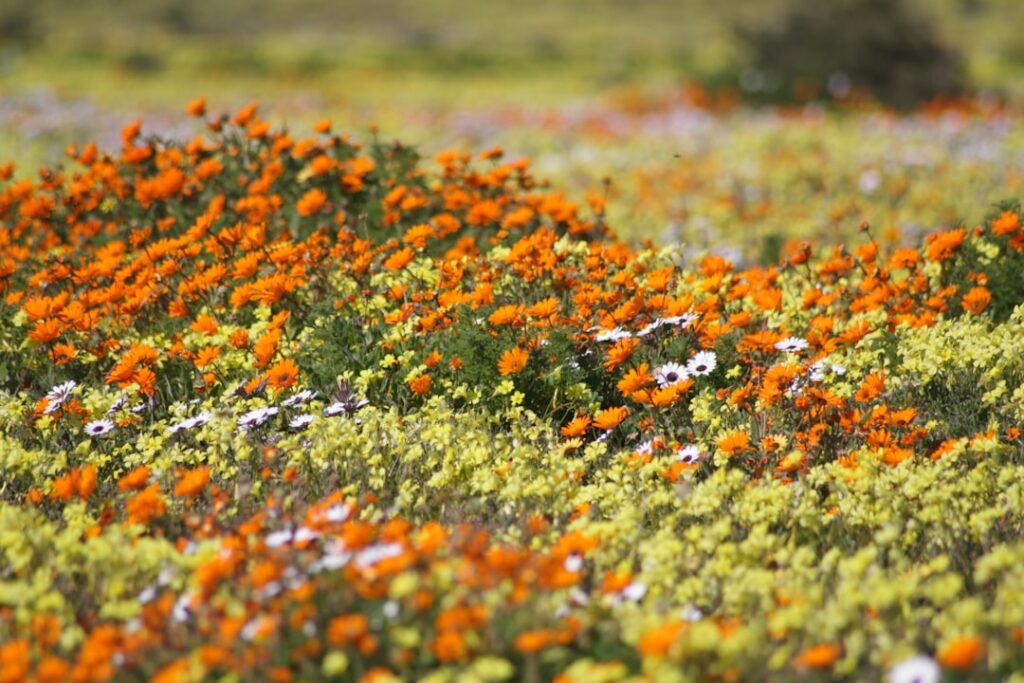
For roughly six weeks each year, a semi-arid desert spanning 55,000 square kilometers undergoes a transformation so profound it’s visible from space. From late July to mid-September, winter rains coax over 3,500 species of wildflowers from the cracked earth of Namaqualand, South Africa, creating a living tapestry of orange, white, and purple that stretches to the horizon. This is not a gentle bloom; it’s a seismic explosion of color in one of the planet’s oldest and most starkly beautiful landscapes.
Why Namaqualand, South Africa Stands Out

A bunch of flowers that are in the grass, Namaqualand, South Africa
- Historic Architecture: The Goegap Nature Reserve’s restored 1860s homestead offers a glimpse into the harsh life of early European settlers amidst the granite hills.
- Cultural Scene: The annual Namaqualand Flower Festival in Springbok each August celebrates the bloom with local art, food, and guided botanical walks.
- Local Specialties: Don’t miss *skilpadjies* – lamb liver wrapped in caul fat and grilled over coals, a traditional *braai* staple with deep Karoo roots.
Pro Tip: The flower season is fickle. Your best bet is to plan for the last two weeks of August and first week of September. For real-time updates, call the Namaqualand Flower Hotline at +27 (0)27 712 8035 before you book anything. Weekdays are dramatically less crowded than weekends.
Map of Namaqualand, South Africa
Use these interactive maps to explore Namaqualand, South Africa and plan your route. Note that Namaqualand is a vast region, not a single town, so planning your driving route between reserves is essential.
📍 View Namaqualand, South Africa on OpenStreetMap
🗺️ Open Namaqualand, South Africa in Google Maps
Planning Your Trip: Practical Essentials
Getting There and Around
- By Air: Fly into Cape Town International (CPT). From there, it’s a 5-6 hour drive north. Alternatively, smaller airlines like CemAir serve Upington Airport (UTN), a 2.5-hour drive from Springbok. Book flights at Skyscanner for best deals.
- By Train: There are no direct passenger rail services into the heart of Namaqualand. The famous Shosholoza Meyl long-distance train runs from Cape Town to Johannesburg via Kimberley, but you’d need to disembark early and arrange a long car transfer.
- By Car: This is non-negotiable. You need a rental car. The N7 highway is the main artery from Cape Town. Roads are generally good, but fuel up whenever you can—stations are sparse. A 4×4 is only needed for specific off-road trails. Compare car rentals at RentalCars.com.
- Local Transport: There is no viable public transport network for sightseeing. Your car is your lifeline. Some guesthouses offer guided flower tours in their own vehicles, which savvy visitors know to book in advance.
Best Time to Visit
Timing is everything here. The region has two distinct personalities: the world-famous flower season and the stark, majestic beauty of the desert the rest of the year, which offers incredible stargazing and solitude.
| Season | Weather | Highlights |
|---|---|---|
| Flower Season (Aug–Mid-Sep) | Cool, 10-25°C (50-77°F). Sunny days, cold nights. Unpredictable rain triggers blooms. | The legendary floral display peaks. Very high tourist traffic, especially on weekends. Book everything months ahead. |
| Summer (Dec–Feb) | Hot and dry, 25-40°C (77-104°F). Intense sun. | Extreme desert experience. Perfect for empty landscapes, photography, and accessing remote areas without crowds. Hiking is best at dawn. |
| Shoulder (Apr–May/Oct–Nov) | Mild, 15-28°C (59-82°F). Pleasant days, chilly evenings. | Ideal for hiking and 4×4 trails without the flower crowds. Clear night skies are phenomenal. Accommodation prices drop. |
Budgeting for Namaqualand, South Africa

Flat lay of travel items including a map, Namaqualand, South Africa
| Category | Budget | Mid-range | Luxury |
|---|---|---|---|
| Accommodation | R600-900/night (guesthouse) | R1200-2000/night (B&B or lodge) | R2500+/night (private reserve) |
| Meals | R80-150 (roadside café, self-catering) | R150-300 (restaurant meal) | R400+ (lodge dining) |
| Transport | R300/day (fuel share in a group) | R500-700/day (rental car & fuel) | R1500+/day (private guide with 4×4) |
| Activities | Free (public flower routes, hiking) | R50-150 (reserve entry fees) | R500+ (private botanical tours) |
| Daily Total | R1000-1300 (~$55-70) | R2000-3000 (~$110-165) | R5000+ (~$275+) |
Top Attractions and Must-See Sights
| Attraction | Description | Hours | Entry Fee |
|---|---|---|---|
| Namaqua National Park | The crown jewel for flowers, with guided 4×4 trails and the stunning Skilpad section awash with orange and white daisies. | 7:30 AM – 7:00 PM (Seasonal) | R50 per adult |
| Goegap Nature Reserve | Beyond flowers, it’s a sanctuary for rare succulents and desert wildlife like the Hartmann’s mountain zebra, with dramatic granite outcrops. | 7:30 AM – 4:00 PM | R40 per adult |
| The |Ai-|Ais/Richtersveld Transfrontier Park | A UNESCO site, this mountainous desert landscape is otherworldly, home to the nomadic Nama people and bizarre *halfmens* (“half-human”) trees. | Gate: 8:00 AM – 4:00 PM | R80 per adult |
| Skilpad Wildflower Reserve | Managed by the WWF, this is often the first area to bloom, offering a concentrated, accessible preview of the season’s colors. | Sunrise to Sunset | R40 per adult |
3-Day Itinerary: Namaqualand, South Africa’s Highlights & Hidden Gems
Day 1: Floral Fanfare & Mining History
- Morning (7:30 AM): Enter the **Namaqua National Park** (R50) as gates open. Drive directly to the Skilpad section. The morning light is magical, and the flowers are fully open. Look for the rare *Sparaxis grandiflora* bulbs.
- Afternoon (12:30 PM): Picnic lunch at the Skilpad rest area. Then, drive the scenic circular route back towards the exit, stopping at viewpoints. Head to Springbok and visit the **Namaqualand Museum** (R20) in the 1915 synagogue to understand the copper mining history.
- Evening (6:30 PM): Dinner at **Springbok Lodge’s restaurant**. Try the Karoo lamb curry. Afterwards, take a short drive out of town to experience the profound, unpolluted silence and starry sky.
Day 2: Succulents, Granite & The Quiver Tree
- Morning (8:00 AM): Explore **Goegap Nature Reserve** (R40). Skip the flower routes and ask for directions to the Hester Malan Succulent Garden. The diversity of weird and wonderful desert-adapted plants here is astounding.
- Afternoon (1:00 PM): Lunch at **The Farmhouse** in Springbok for hearty sandwiches. Then, drive 15km north on the N14 to the **Quiver Tree Forest**. These ancient, sculptural *kokerboom* trees, some over 200 years old, make for phenomenal photography, especially against the blue sky.
- Evening (7:00 PM): Enjoy a traditional *braai* dinner at your guesthouse. If they offer it, this is the time to try *skilpadjies*. Listen for the call of the barking gecko as night falls.
Day 3: Desert Majesty & The Orange River
- Morning (7:00 AM): Pack a full tank of fuel, water, and food. Drive 2.5 hours north to the **|Ai-|Ais/Richtersveld Transfrontier Park** gate (R80). The landscape shifts to raw, volcanic drama. Visit the **Hand of God** rock formation.
- Afternoon (12:30 PM): Picnic at a viewpoint. Exit the park and drive to the border town of Vioolsdrif. Have a late lunch at **Die Granaat**, a quirky spot on the banks of the **Orange River**. Their grape juice, from local vines, is a must.
- Evening (5:00 PM): Take a one-hour sunset canoe trip on the Orange River (R200 per person with **Richtersveld Canoe Trail**). The contrast between the green riverine belt and the harsh desert is unforgettable. Drive back to Springbok under a canopy of stars.
Cultural Insights & Etiquette
- Language: Afrikaans is dominant, but English is widely understood in tourist areas. A friendly “Goeie môre” (Good morning) or “Dankie” (Thank you) is appreciated.
- Customs: This is a conservative, rural region. Greet people politely. When visiting private farms or reserves (which many flower fields are on), always stick to marked roads and never pick the flowers—it’s illegal and destroys the seed bank.
- Tipping: 10-15% in restaurants is standard if service isn’t included. For fuel attendants (who will clean your windscreen), a R5-10 tip is a kind gesture.
- Dress Code: Practical, comfortable clothing and sturdy shoes are key. Even in summer, pack a warm jacket for nights. Dress modestly in small towns.
- Business Hours: Shops often close early (5 PM) and for a few hours on Saturday afternoon. Everything is closed on Sunday. Major public holidays will see complete shutdowns.
Where to Eat: Namaqualand, South Africa’s Best Bites
Dining here is about hearty, no-fuss sustenance that reflects the rugged environment. Don’t expect a cosmopolitan food scene; expect generous portions, meat-centric meals, and charming, family-run establishments.
Must-Try Local Specialties
- Skilpadjies: As described, these are a must for meat-lovers. Best tried at a guesthouse *braai* or the **Springbok Lodge**.
- Karoo Lamb: Sheep graze on fragrant bush, giving the meat a unique, herbaceous flavor. Look for it as a chop, stew, or curry.
- Koeksisters: A sweet, syrupy plaited doughnut. The perfect road trip snack from any local bakery or farm stall.
Restaurant Recommendations by Budget
| Type | Restaurant | Specialty | Price Range |
|---|---|---|---|
| Budget | Namaqualand Coffee Shop (Springbok) | Big breakfasts, homemade pies, and strong coffee. | R60-120 |
| Mid-range | The Farmhouse (Springbok) | Reliable, delicious lunches like burgers and salads in a lovely garden. | R100-180 |
| Fine dining | Die Granaat (Vioolsdrif) | Surprisingly innovative meals using local ingredients, with a stunning river view. | R200-350 |
Where to Stay
Accommodation ranges from basic guesthouses and B&Bs to luxurious private lodges on vast reserves. During flower season, booking a year in advance isn’t excessive. For the rest of the year, you’ll find great last-minute deals. Compare prices and book at Booking.com or Airbnb for apartments.
Best Neighborhoods for Accommodation
- Springbok: The regional hub. You’ll find the widest range of accommodation, shops, and fuel. It’s the most practical base for exploring central Namaqualand. Best for first-time visitors.
- Kamieskroon Area: A smaller village closer to the Namaqua National Park. Offers a more rural, immersive feel. Ideal for those wanting to be first in line at the park gates at dawn.
- Private Nature Reserves (e.g., near Garies): These offer exclusive access to pristine flower fields and total solitude. Perfect for photographers and those seeking a luxury escape, but you’ll do more driving to other sites.

Captivating view of clouds forming a natural halo over Table Mountain in Ca…, Namaqualand, South Africa
FAQs: Your Namaqualand, South Africa Questions Answered
1. Is Namaqualand, South Africa safe at night?
General crime in the small towns is low, but standard precautions apply. Lock car doors and don’t leave valuables visible. The real safety considerations are environmental: never drive off-road alone, always carry extra water, and inform someone of your route if heading into remote areas like the Richtersveld. After dark, wildlife (and occasional livestock) on the roads is a genuine hazard—drive slowly.
2. What currency is used and are credit cards accepted?
The South African Rand (ZAR/R). Credit cards (Visa/Mastercard) are accepted at most hotels, larger restaurants, and fuel stations. However, you must carry a reasonable amount of cash for smaller farm stalls, entry fees to smaller reserves, and tips. ATMs are available in Springbok.
3. How do I get from the airport to the city center?
From Cape Town International, you’ll pick up your rental car—this is your only realistic option. If you fly into Upington, rental car desks are at the airport. There are no shuttle services. The “city center” concept doesn’t apply; you’re driving directly to your accommodation in the region, which could be 1-4 hours from the airport. Book airport transfers at GetYourGuide for convenience in cities, but for Namaqualand, a rental car is essential.
4. Do I need to speak the local language?
No. English is sufficient for all tourist interactions. However, learning a few basic Afrikaans greetings will earn you
{“@context”: “https://schema.org”, “@type”: “FAQPage”, “mainEntity”: [{“@type”: “Question”, “name”: “What is the best time to visit Namaqualand?”, “acceptedAnswer”: {“@type”: “Answer”, “text”: “The best time to visit Namaqualand depends on your preferences. Generally, the dry season offers the most pleasant weather for sightseeing and outdoor activities.”}}, {“@type”: “Question”, “name”: “How many days do I need in Namaqualand?”, “acceptedAnswer”: {“@type”: “Answer”, “text”: “Most travelers spend 3-5 days in Namaqualand to see the main attractions. A week allows for a more relaxed pace and day trips.”}}, {“@type”: “Question”, “name”: “Is Namaqualand expensive to visit?”, “acceptedAnswer”: {“@type”: “Answer”, “text”: “Namaqualand can be visited on various budgets. Accommodation ranges from hostels to luxury hotels, and local restaurants offer affordable dining.”}}]}
Related Guides
Explore more destinations similar to Namaqualand:

