

Oruro, Bolivia’s Amazing Folklore, Mines & Andean Authenticity (2025)
At 6 AM on the Saturday before Ash Wednesday, the thunder of 50,000 dancers’ feet shakes the cobblestones of Calle Bolívar. The air, thin at 3,706 meters, is thick with the scent of incense, gunpowder from ceremonial dynamite, and anticipation. This is the Oruro Carnival, a UNESCO Masterpiece of the Oral and Intangible Heritage of Humanity, where the city’s mining heart and indigenous soul explode in a 20-hour spectacle of devotion and pageantry that most travelers to Bolivia only glimpse in passing. For the other 51 weeks of the year, Oruro reveals a different, deeply authentic side of the Altiplano.
Why Oruro, Bolivia Stands Out

A group of llamas standing in the middle of a road, Oruro, Bolivia
- Historic Architecture: The 18th-century Sanctuary of the Virgin of Socavón, built into the side of a legendary silver mine, is the spiritual epicenter of the Carnival and a stunning example of Andean Baroque fusion.
- Cultural Scene: The Oruro Carnival is Bolivia’s most famous festival, featuring the breathtaking Diablada dance where thousands of elaborately costumed devils perform a symbolic battle between good and evil.
- Local Specialties: Charquekan, a hearty plate of dried llama meat served with chuño (freeze-dried potato), egg, and corn, is a quintessential taste of the high-altitude Altiplano.
Pro Tip: To experience Oruro’s magic without the Carnival’s overwhelming crowds and tripled prices, visit during the shoulder seasons of April-May or September-October. The weather is mild, and you can often see dance troupes practicing in the streets on weekends, offering a free, intimate preview of the famous spectacle.
Map of Oruro, Bolivia
Use these interactive maps to explore Oruro, Bolivia and plan your route:
📍 View Oruro, Bolivia on OpenStreetMap
🗺️ Open Oruro, Bolivia in Google Maps
Planning Your Trip: Practical Essentials
Getting There and Around
- By Air: Oruro’s Juan Mendoza Airport (ORU) has limited domestic flights via Amaszonas. Most travelers fly into El Alto International Airport (LPB) in La Paz and take a 3.5-hour bus. Book flights at Skyscanner for best deals.
- By Train: The Expreso del Sur train connects Oruro to Uyuni (7 hours) and Tupiza, offering a scenic journey across the Altiplano. It departs Oruro on Tuesdays and Fridays. Reserve tickets at Trainline or the national railway website.
- By Car: The paved highway from La Paz (Route 1) is straightforward. Driving offers flexibility for nearby sites like Lake Poopó. Parking is manageable in the city center. Compare car rentals at RentalCars.com.
- Local Transport: Microbuses (small buses) and trufis (shared taxis) crisscross the city for a flat fee of about Bs 2 (USD $0.30). Taxis are inexpensive for point-to-point travel; always agree on a price before getting in.
Best Time to Visit
Your ideal time depends entirely on your goal. For the Carnival, plan for February or early March (dates change yearly). For general exploration, the dry season offers clear skies, while shoulder seasons provide a perfect balance of good weather and tranquility.
| Season | Weather | Highlights |
|---|---|---|
| Dry Season (May–Oct) | Sunny days, cold nights (5°C to 18°C / 41°F to 64°F), almost no rain. | Ideal for city exploration and day trips. Carnival rehearsals begin in later months. Peak tourist season for Bolivia overall. |
| Wet Season (Nov–Apr) | Warmer, with frequent afternoon showers (10°C to 20°C / 50°F to 68°F). | Lush landscapes. Culminates in the world-famous Oruro Carnival (Feb/Mar). Book accommodation a year in advance for Carnival. |
| Shoulder (Apr–May/Sep–Oct) | Pleasant, transitional weather with lower chance of rain. | The sweet spot. Fewer crowds, comfortable temperatures, and lower prices. Best for a relaxed cultural visit. |
Budgeting for Oruro, Bolivia
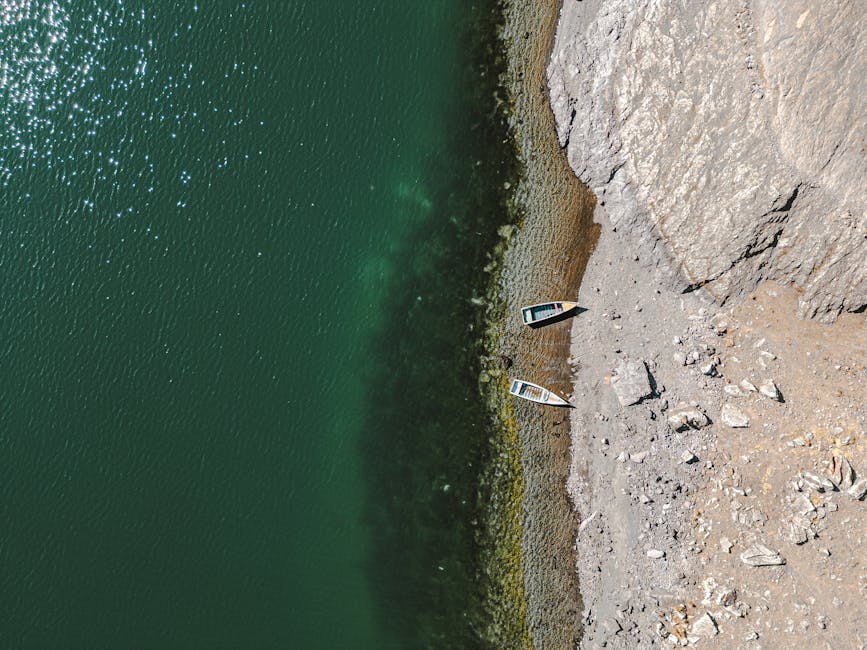
Aerial view of two boats docked on a rocky shoreline by greenish water in C…, Oruro, Bolivia
| Category | Budget | Mid-range | Luxury |
|---|---|---|---|
| Accommodation | Hostel dorm: Bs 60-80 ($9-12) | Local hotel: Bs 200-350 ($29-50) | Best hotel in city: Bs 500+ ($72+) |
| Meals | Market meal/almuerzo: Bs 15-25 ($2-4) | Restaurant dinner: Bs 40-70 ($6-10) | Fine dining (limited): Bs 100+ ($14+) |
| Transport | Microbus/trufi: Bs 2-5 ($0.30-0.70) | Taxi rides: Bs 10-20 ($1.50-3) per trip | Private driver: Bs 300+ ($43+) per day |
| Activities | Museum entry: Bs 5-20 ($0.70-3) | Mine tour: ~Bs 50 ($7) | Private Carnival guide/experience |
| Daily Total | Bs 150-200 ($22-29) | Bs 350-500 ($50-72) | Bs 800+ ($115+) |
Top Attractions and Must-See Sights
| Attraction | Description | Hours | Entry Fee |
|---|---|---|---|
| Santuario de la Virgen del Socavón | The iconic church built into a mine, home to the patron saint of miners and the starting point of the Carnival procession. | Mon-Sat 8:30 AM-12 PM, 3-6 PM; Sun for mass | Free (small donation appreciated) |
| Museo Antropológico Eduardo López Rivas | An exceptional museum showcasing Carnival masks, pre-Columbian artifacts, and mineral specimens that tell the region’s story. | Mon-Fri 8:30 AM-12 PM, 2:30-6:30 PM; Sat 9 AM-1 PM | Bs 10 ($1.50) |
| Mina San José | A sobering guided tour into a still-active cooperative tin mine, offering profound insight into the city’s backbone industry. | Tours at 9 AM & 2 PM (book ahead) | ~Bs 50 ($7) including gear |
| Monumento a la Virgen del Socavón | A towering 45-meter statue of the Virgin on Cerro Santa Bárbara hill, offering panoramic views of the city and surrounding altiplano. | Daylight hours | Free (taxi to base) |
3-Day Itinerary: Oruro, Bolivia’s Highlights & Hidden Gems
Day 1: Heart of the Mining City
- Morning (9 AM): Start at the **Plaza 10 de Febrero**, the main square. Visit the **Cathedral** and the **Palacete de la Carrera**, a beautiful former mansion. Then walk up Calle La Paz to the **Santuario de la Virgen del Socavón**. Take your time inside the church and visit the small museum beneath the altar that delves into mining history.
- Afternoon (1 PM): Head to **Market Campero** for an authentic and cheap *almuerzo* (set lunch). Then, take a taxi to the **Museo Antropológico**. Spend a few hours here; the collection of Diablada and Morenada costumes is breathtaking and provides essential context for the Carnival.
- Evening (7 PM): Enjoy dinner at **Restaurant Pagador** (Av. 6 de Octubre) for excellent Bolivian meat dishes. Afterwards, if it’s a Friday or Saturday, ask locals if any *fraternidades* (dance groups) are practicing in the **Unión Central** or **España** neighborhoods for an impromptu cultural show.
Day 2: Depths & Heights
- Morning (8:30 AM): This is the day for the **Mina San José** tour. Book through your hotel or a local agency the day before. The 3-hour tour is physically demanding and emotionally moving—you’ll meet working miners and see the shrine to El Tío, the devil-like spirit of the mine. Cost is ~Bs 50.
- Afternoon (1 PM): After the mine, have a comforting lunch at **La Casona** (Calle Presidente Montes), known for its *Sajta de Pollo* (spicy chicken stew). Then, take a taxi to the base of **Cerro Santa Bárbara** and climb the stairs to the **Monumento a la Virgen**. The 360-degree view is spectacular, especially at sunset.
- Evening (7 PM): For a more contemporary vibe, have dinner at **El Fogón** (near Plaza del Folklore), which offers grilled meats and a good wine list. Stroll through the illuminated **Plaza del Folklore**, dedicated to the city’s musical heritage.
Day 3: Culture & Crafts
- Morning (9 AM): Take a trufi (shared taxi) to the **Museo Sacro, Folklórico, Minero y Arqueológico** near the Sanctuary. It’s smaller but packed with religious art and Carnival artifacts. Then, explore the workshops along **Calle Junín** where artisans create the incredible, sequined Carnival masks. You can often watch them at work and purchase smaller souvenirs.
- Afternoon (12:30 PM): Have lunch at **Chuquisaqueña** (Av. 6 de Agosto) for superb *Silpancho* (a breaded beef cutlet served with rice, potatoes, and egg). Afterwards, visit the **Museo Ferroviario** (Railway Museum) for a glimpse into the age of steam trains that built the region.
- Evening (6 PM): For your final meal, seek out **Charquekan Doña Nelly** (a famed street stall, ask your hotel for its current location) for the definitive Oruro dish. End your trip with a *café paseo* (evening stroll) around the Plaza 10 de Febrero, soaking in the cool Andean night air.
Cultural Insights & Etiquette
- Language: Spanish is the main language. Aymara and Quechua are also widely spoken. Learn basics: “Hello” is “Buenos días/tardes,” “Thank you” is “Gracias,” and “How much?” is “¿Cuánto cuesta?”
- Customs: Always ask permission before photographing people, especially miners and dancers. The mine tours involve interacting with the shrine of “El Tío”; respect this syncretic belief system even if it seems unfamiliar.
- Tipping: A 10% tip is appreciated in sit-down restaurants if service isn’t included. For guides, especially mine tour guides, a tip of Bs 10-20 is very welcome given the difficult nature of their work.
- Dress Code: Dress in layers for the variable altitude climate. For visiting churches, modest dress (covered shoulders and knees) is respectful. Sturdy, closed-toe shoes are a must for the mine tour.
- Business Hours: Typical hours are 9 AM-12 PM and 2:30-6:30 PM, with a long midday break. Many shops close on Sunday. Major holidays, Carnival week, and local festivals can shut everything down.
Where to Eat: Oruro, Bolivia’s Best Bites
Oruro’s cuisine is hearty Altiplano fare, designed to fuel miners against the cold. You’ll find bustling markets serving cheap, filling *almuerzos*, classic *chicherías* (informal taverns), and a growing number of modern restaurants interpreting traditional dishes.
Must-Try Local Specialties
- Charquekan: The city’s signature dish: shredded, dried llama meat (charque) served with *chuño* (freeze-dried potato), boiled corn, egg, and cheese. Find it at dedicated stalls like **Charquekan Doña Nelly** or traditional restaurants.
- Rostro Asado: A Carnival specialty, this is a roasted sheep’s head, often enjoyed by dance troupes. It’s an adventurous eat, best tried during festival time from street vendors near the Sanctuary.
- Api con Pastel: A classic breakfast or late-afternoon snack. *Api* is a warm, sweet, purple corn drink, served with a *pastel* (a fried, cheese-filled pastry). Perfect at the **Mercado Campero** in the morning.
Restaurant Recommendations by Budget
| Type | Restaurant | Specialty | Price Range |
|---|---|---|---|
| Budget | Mercado Campero (Food Stalls) | Authentic *almuerzo* menus, *Api con Pastel* | Bs 10-25 ($1.50-3.50) |
| Mid-range | Restaurant Pagador (Av. 6 de Octubre) | Grilled meats, traditional Bolivian plates, good service | Bs 40-80 ($6-12) |
| Fine dining | El Fogón (C. Bolívar near Plaza del Folklore) | Upscale grilled specialties (llama, beef), wine list | Bs 80-150+ ($12-22+) |
Where to Stay
Accommodation in Oruro ranges from basic hostels to comfortable business-style hotels. There are no international luxury chains. For Carnival, book a minimum of 6-12 months in advance and expect prices to triple. Compare prices and book at Booking.com or Airbnb for apartments.
Best Neighborhoods for Accommodation
- City Center (near Plaza 10 de Febrero): The most convenient area. You’ll be walking distance to major sights, restaurants, and the Sanctuary. Can be noisy. Best for first-time visitors who want to be in the heart of the action.
- North Zone (near Av. 6 de Agosto): A quieter, more residential area with several good hotel options. You’ll need taxis or microbuses to reach the center (a 5-10 minute ride). Ideal for travelers seeking more peace.
- Near the Bus Terminal: Practical

Alpacas grazing in the picturesque Condoriri mountains of Bolivia, Oruro, Bolivia

Related Guides
Explore more destinations similar to Oruro:
- Mitzic, Gabon: Essential Rainforest Immersion, Cultural Encounters & Untouched Wilderness (2025)
- Suwon, South Korea’s Hidden UNESCO Fortresses, Royal Cuisine & Tech Hub Energy (2026)
- Bentota, Sri Lanka’s Ultimate Rivers, Ruins & Golden Sands (2026)
- Wapenamanda, Papua New Guinea: Hidden Highlands Culture, Birdwatching & Untamed Landscapes (2026)
{“@context”: “https://schema.org”, “@type”: “FAQPage”, “mainEntity”: [{“@type”: “Question”, “name”: “What is the best time to visit Oruro?”, “acceptedAnswer”: {“@type”: “Answer”, “text”: “The best time to visit Oruro depends on your preferences. Generally, the dry season offers the most pleasant weather for sightseeing and outdoor activities.”}}, {“@type”: “Question”, “name”: “How many days do I need in Oruro?”, “acceptedAnswer”: {“@type”: “Answer”, “text”: “Most travelers spend 3-5 days in Oruro to see the main attractions. A week allows for a more relaxed pace and day trips.”}}, {“@type”: “Question”, “name”: “Is Oruro expensive to visit?”, “acceptedAnswer”: {“@type”: “Answer”, “text”: “Oruro can be visited on various budgets. Accommodation ranges from hostels to luxury hotels, and local restaurants offer affordable dining.”}}]}

