
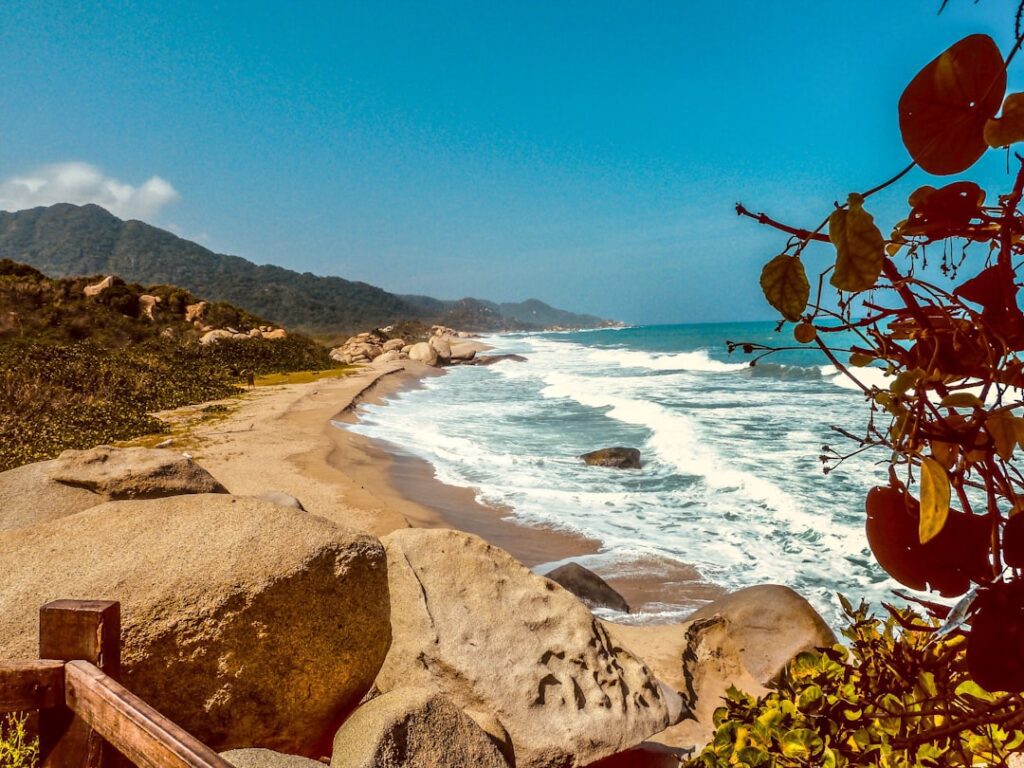
Santa Marta, Colombia’s Ultimate Beaches, Jungle & Colonial Soul (2025)
While crowds flock to Cartagena for its postcard-perfect plazas, Santa Marta, Colombia delivers authentic Caribbean charm without the steep price tags and dense tourist throngs. Founded in 1525, it’s the oldest surviving city in Colombia, a fact you can feel in its sun-bleached, cobblestone streets. Here, the scent of fried fish mingles with sea salt, and the real adventure begins just beyond the city limits, where the Sierra Nevada mountains plunge into turquoise coves. This is your gateway to a raw, vibrant coast.
Why Santa Marta, Colombia Stands Out

Red and yellow bus on road during daytime, Santa Marta, Colombia
- Historic Architecture: The Catedral de Santa Marta, built between 1766 and 1794, is the oldest cathedral in Colombia and houses the ashes of city founder Rodrigo de Bastidas.
- Cultural Scene: The Festival del Mar in July transforms the city with parades, sailing regattas, and vibrant music celebrating the deep connection to the Caribbean Sea.
- Local Specialties: You must try *arroz con coco y camarón* (coconut rice with shrimp), a sweet and savory coastal staple best enjoyed at a beachside *palapa*.
Pro Tip: Visit in the shoulder seasons of April-May or September-October. You’ll avoid the peak tourist crowds of December and the heavy rains of October-November, securing better hotel rates and enjoying comfortably warm, sunny days perfect for hiking and beach time.
Map of Santa Marta, Colombia
Use these interactive maps to explore Santa Marta, Colombia and plan your route:
📍 View Santa Marta, Colombia on OpenStreetMap
🗺️ Open Santa Marta, Colombia in Google Maps
Planning Your Trip: Practical Essentials
Getting There and Around
- By Air: Simón Bolívar International Airport (SMR) is just 20 minutes from downtown. Avianca, LATAM, and low-cost carrier Viva Air offer domestic flights from Bogotá and Medellín. A taxi to the city center costs a fixed 25,000 COP (~$6 USD). Book flights at Skyscanner for best deals.
- By Train: Colombia has limited passenger rail. Your best bet is the comfortable, air-conditioned buses. Marsol and Berlinas companies run frequent services from Cartagena (4 hours) and Barranquilla (2 hours). Reserve tickets at Trainline or the national railway website.
- By Car: Driving the Troncal del Caribe highway offers scenic coastal views. Parking in the historic center is challenging; opt for a hotel with parking. Compare car rentals at RentalCars.com.
- Local Transport: Taxis are affordable and plentiful; always insist on using the meter or agree on a fare beforehand. Local buses and shared vans (*colectivos*) are cheap (2,000-5,000 COP) for trips to nearby beaches like Taganga.
Best Time to Visit
Santa Marta enjoys a tropical climate with distinct dry and wet seasons. The dry season (December to April) is peak tourist time, while the rainy season (May to November) sees lush landscapes and occasional afternoon downpours. Savvy travelers target the sweet spots in between.
| Season | Weather | Highlights |
|---|---|---|
| Dry Season (Dec–Apr) | Hot & sunny, 28-32°C (82-90°F), low humidity | Ideal for beach days and Tayrona Park, but expect higher prices and crowds, especially December-January. |
| Rainy Season (May–Nov) | Warm, 27-30°C (81-86°F), frequent afternoon showers | Lush, green scenery, fewer tourists, and lower accommodation rates. Best for budget travelers who don’t mind rain. |
| Shoulder (Apr–May/Sep–Oct) | Warm, 28-30°C (82-86°F), sporadic rain | The perfect balance: good weather, manageable crowds, and reasonable prices for hiking and coastal exploration. |
Budgeting for Santa Marta, Colombia

A body of water surrounded by a lush green hillside, Santa Marta, Colombia
| Category | Budget | Mid-range | Luxury |
|---|---|---|---|
| Accommodation | Hostel dorm: 40,000-70,000 COP ($10-$18) | Boutique hotel/private Airbnb: 180,000-350,000 COP ($45-$88) | 5-star resort/all-inclusive: 800,000+ COP ($200+) |
| Meals | Market meal/street food: 10,000-15,000 COP ($2.50-$4) | Restaurant meal with drink: 35,000-60,000 COP ($9-$15) | Fine dining tasting menu: 150,000+ COP ($38+) |
| Transport | Local bus/colectivo: 2,000-10,000 COP ($0.50-$2.50) | Daily taxi rides: 20,000-40,000 COP ($5-$10) | Private driver/day tours: 200,000+ COP ($50+) |
| Activities | Public beach access, free walking tours | Tayrona Park entry: 73,500 COP ($18), Minca day trip | Private sailing charters, luxury eco-lodges |
| Daily Total | 80,000-120,000 COP ($20-$30) | 250,000-500,000 COP ($63-$125) | 1,200,000+ COP ($300+) |
Top Attractions and Must-See Sights
| Attraction | Description | Hours | Entry Fee |
|---|---|---|---|
| Parque Nacional Natural Tayrona | A stunning protected area where jungle meets pristine Caribbean beaches, like Cabo San Juan. | 8:00 AM – 5:00 PM (Last entry 4:00 PM) | 73,500 COP (~$18 USD) for foreigners in high season |
| Quinta de San Pedro Alejandrino | The historic hacienda where Simón Bolívar spent his final days in 1830, surrounded by lush gardens. | 9:00 AM – 4:30 PM, Tue-Sun | 20,000 COP (~$5 USD) |
| Minca (Sierra Nevada) | A cool, mountainous village famed for coffee tours, waterfalls, and birdwatching in the cloud forest. | Varies by tour/attraction | Free to enter village; tours from 40,000 COP ($10) |
| Playa Blanca & El Rodadero | The city’s most popular beaches, perfect for people-watching, swimming, and fresh seafood lunches. | All day | Free (Beach chair/umbrella rental ~15,000 COP) |
3-Day Itinerary: Santa Marta, Colombia’s Highlights & Hidden Gems
Day 1: Colonial Heart & Coastal Breezes
- Morning (7-9 AM): Start with a walking tour of the historic center. See the Catedral, the Parque de los Novios (lively with cafes), and the Casa de la Aduana (Customs House). Your best bet is to join a free walking tour starting at 9 AM from the park.
- Afternoon (12-3 PM): Take a short taxi to Taganga (15,000 COP), a rustic fishing village. Have lunch at **Restaurant El Bony** right on the sand, ordering the whole fried fish with *patacones* (fried plantains).
- Evening (6-8 PM): Return to Santa Marta for sunset drinks at **La Brisa Loca** rooftop bar. For dinner, head to **Ouzo** for incredible Mediterranean-Colombian fusion dishes like grilled octopus.
Day 2: Into the Wild at Tayrona
- Morning (6 AM): Leave early for Tayrona Park (taxi ~80,000 COP or colectivo ~15,000 COP). Arrive by 8 AM to beat the heat and crowds. The 2-hour hike to Cabo San Juan is a must, passing through jungle and beaches like La Piscina.
- Afternoon (12-3 PM): Swim and relax at Cabo San Juan. Pack a picnic or buy simple meals (arepas, fruit) from vendors. Remember, cash is essential inside the park.
- Evening (6-8 PM): Return to Santa Marta, tired but exhilarated. Enjoy a casual, hearty dinner at **Lulo Café** for massive burgers and local craft beers.
Day 3: Mountain Air & Coffee in Minca
- Morning (8 AM): Catch a shared jeep (*colectivo*) to Minca from the market area (10,000 COP, 45 mins). Your first stop should be **Finca La Victoria**, a historic, self-sustaining coffee farm for a fascinating tour (30,000 COP).
- Afternoon (12-3 PM): Hike or take a moto-taxi (10,000 COP) to **Pozo Azul**, a series of refreshing natural pools. For lunch, savor the legendary avocado burgers at **Lazy Cat**.
- Evening (6-8 PM): Return to Santa Marta. For your final dinner, indulge in upscale coastal cuisine at **Donde Chucho** in Rodadero, known for its spectacular *cazuela de mariscos* (seafood stew).
Cultural Insights & Etiquette
- Language: Spanish is essential. Learn basics: *“Buenos días” (Good morning), “La cuenta, por favor” (The bill, please), “¿Cuánto cuesta?” (How much?).* In tourist areas, some English is spoken.
- Customs: Greetings are important. A handshake or a single cheek kiss (among women, or men and women) is common. Be respectful when discussing the region’s indigenous communities (the Kogi, Wiwa, Arhuaco, and Kankuamo).
- Tipping: A 10% service charge is often added to bills in restaurants. It’s polite to leave small change or an extra 5-10% for excellent service. Tip taxi drivers by rounding up the fare.
- Dress Code: Beachwear is for the beach only. Cover up when walking in town or entering shops and churches. For hiking, wear sturdy shoes, not flip-flops.
- Business Hours: Shops typically open 9 AM-7 PM, often closing for a midday *siesta* (1-3 PM). Many businesses close on Sundays. Banks are open 8 AM-4 PM weekdays.
Where to Eat: Santa Marta, Colombia’s Best Bites
Santa Marta’s cuisine is a celebration of the sea and the tropics. You’ll find casual *comedores* (local eateries) serving set lunches (*almuerzo corriente*) alongside innovative fusion restaurants. The rule of thumb: the closer to the water, the better the seafood.
Must-Try Local Specialties
- Arroz con Coco y Camarón: The iconic dish of the coast. The rice is cooked in coconut milk, giving it a subtle sweetness, and topped with succulent shrimp. Try it at **El Bistro** in the historic center.
- Cazuela de Mariscos: A rich, creamy stew brimming with fish, shrimp, squid, and clams, served in a clay pot. **Donde Chucho** in El Rodadero is legendary for its version.
- Patacón con Todo: A giant, crispy fried plantain topped with shredded meat, cheese, sauce, and more. It’s the ultimate street food snack, best enjoyed from vendors along the beachfront.
Restaurant Recommendations by Budget
| Type | Restaurant | Specialty | Price Range |
|---|---|---|---|
| Budget | Comedor Costeño (Calle 14) | Authentic, no-frills *almuerzo corriente* with fish or chicken | 12,000-18,000 COP ($3-$4.50) |
| Mid-range | Ouzo (Carrera 3) | Creative fusion dishes like coconut curry shrimp in a chic setting | 35,000-70,000 COP ($9-$18) |
| Fine dining | Burukuka (Playa Burukuka, Rodadero) | Exquisite seafood platters and cocktails on a stunning overwater deck | 100,000+ COP ($25+) |
Where to Stay
Your choice of neighborhood defines your Santa Marta experience. The historic center offers charm, El Rodadero provides resort-style beach access, and Taganga appeals to backpackers. Compare prices and book at Booking.com or Airbnb for apartments.
Best Neighborhoods for Accommodation
- Historic Center (Centro): Ideal for culture lovers. You’ll be steps from museums, restaurants, and nightlife in beautifully restored colonial buildings. Can be noisy at night. Suits travelers who want to be in the heart of the action.
- El Rodadero: A modern beach district 10 minutes south. Features high-rise hotels, a long sandy beach, and family-friendly amenities. Less historic charm but excellent for a classic beach holiday.
- Taganga: A rustic, bohemian fishing village just north. Packed with hostels, dive shops, and budget eateries. Perfect for backpackers and divers, though the beach is small and the vibe is very laid-back.

A boat on the water, Santa Marta, Colombia
FAQs: Your Santa Marta, Colombia Questions Answered
1. Is Santa Marta, Colombia safe at night?
Like any city, vigilance is key. The historic center and El Rodadero are generally safe for tourists at night in well-lit, populated areas. Stick to main streets, avoid displaying valuables, and use registered taxis rather than walking long distances alone after dark. Taganga is generally safe but has a reputation for petty theft; keep an eye on your belongings.
2. What currency is used and are credit cards accepted?
The Colombian Peso (COP) is the currency. Credit cards (Visa/Mastercard) are widely accepted in hotels, nicer restaurants, and tour agencies. However, you’ll need cash for markets, street food, taxis, *colectivos*, and entry to Tayrona Park. ATMs are plentiful; use those inside banks or malls for security.
3. How do I get from the airport to the city center?
Simón Bolívar Airport (SMR) is very close. The most convenient option is an official airport taxi, which operates on a fixed-fare system of 25,000 COP (~
{“@context”: “https://schema.org”, “@type”: “FAQPage”, “mainEntity”: [{“@type”: “Question”, “name”: “What is the best time to visit Santa Marta?”, “acceptedAnswer”: {“@type”: “Answer”, “text”: “The best time to visit Santa Marta depends on your preferences. Generally, the dry season offers the most pleasant weather for sightseeing and outdoor activities.”}}, {“@type”: “Question”, “name”: “How many days do I need in Santa Marta?”, “acceptedAnswer”: {“@type”: “Answer”, “text”: “Most travelers spend 3-5 days in Santa Marta to see the main attractions. A week allows for a more relaxed pace and day trips.”}}, {“@type”: “Question”, “name”: “Is Santa Marta expensive to visit?”, “acceptedAnswer”: {“@type”: “Answer”, “text”: “Santa Marta can be visited on various budgets. Accommodation ranges from hostels to luxury hotels, and local restaurants offer affordable dining.”}}]}
Related Guides
Explore more destinations similar to Santa Marta:
- Chimoio, Mozambique’s Best Highlands, History & Heartfelt Hospitality (2026)
- How to Discover Savannah’s 7 Most Stunning Hidden Secrets
- Grande Comore, Comoros: Essential Volcanic Peaks, Spice Markets & Untouched Beaches (2025)
- Kasane, Botswana: Essential River Safaris, Elephant Encounters & Four-Country Views (2025)

