
Nuwakot, Nepal’s Stunning Fortresses, Farmlands & Himalayan Vistas (2025)
Ask locals about the true seat of Nepali unification, and they’ll point you not to Kathmandu, but to the seven-story fortress of Nuwakot Durbar. While crowds flock to Pokhara for mountain views, savvy travelers discover that this 18th-century capital offers a profound, uncrowded connection to Nepal’s soul, where you can trace the footsteps of King Prithvi Narayan Shah for less than $30 a day. Here, history isn’t behind glass—it’s in the stone you touch and the panoramas you breathe.
Why Nuwakot, Nepal Stands Out

People standing on brown grass field near bare trees during daytime, Nuwakot, Nepal
- Historic Architecture: The Nuwakot Durbar complex, completed in 1762, served as the strategic capital from which King Prithvi Narayan Shah launched his campaign to unify modern Nepal.
- Cultural Scene: The vibrant Maghe Sankranti festival in January sees locals gather at the sacred Triveni Ghat for ritual baths and vibrant fairs celebrating the winter harvest.
- Local Specialties: You must try the rich, slow-cooked Nuwakot-style Khasi Ko Masu (goat curry), a recipe perfected in the hills and best enjoyed with a plate of steaming beaten rice.
Pro Tip: For the clearest Himalayan views and the most comfortable weather, plan your visit for the shoulder months of October to November or March to April. Arrive at the Nuwakot Durbar viewpoint by 4:30 PM to secure a quiet spot for the spectacular sunset over the Trisuli River valley.
Map of Nuwakot, Nepal
Use these interactive maps to explore Nuwakot, Nepal and plan your route:
📍 View Nuwakot, Nepal on OpenStreetMap
🗺️ Open Nuwakot, Nepal in Google Maps
Planning Your Trip: Practical Essentials
Getting There and Around
- By Air: All international flights land at Tribhuvan International Airport (KTM) in Kathmandu. From there, it’s a 3-4 hour road journey. Book flights at Skyscanner for best deals.
- By Train: Nepal has limited railway service, and Nuwakot is not connected by rail. The nearest major hub is Kathmandu, accessed by air or road.
- By Car: The most scenic route from Kathmandu is via Kakani, taking about 3.5 hours. The road is winding but paved. Compare car rentals at RentalCars.com for pick-up in Kathmandu, but consider hiring a local driver familiar with mountain roads.
- Local Transport: Local buses from Kathmandu’s Gongabu Bus Park cost around NPR 300 ($2.25) but can be crowded. The best way to explore the compact historic center is on foot. For nearby villages, shared jeeps are available from the main bazaar.
Best Time to Visit
The ideal time to visit Nuwakot hinges on your desire for clear mountain views versus lush, green landscapes. The post-monsoon and pre-winter months offer the classic Himalayan experience.
| Season | Weather | Highlights |
|---|---|---|
| Summer/Monsoon (Jun–Aug) | Warm, 20-30°C (68-86°F), heavy rainfall, cloudy skies. | Vibrant green terraces, fewer tourists, but mountain views are often obscured; leeches can be an issue on trails. |
| Winter (Dec–Feb) | Cool to cold, 5-18°C (41-64°F), clear mornings, chilly nights. | Crystal-clear Himalayan vistas (especially of Ganesh Himal), festive atmosphere around December; pack warm layers. |
| Shoulder (Apr–May/Sep–Oct) | Pleasant, 15-25°C (59-77°F), minimal rain, stable conditions. | Perfect hiking weather, excellent photography light, and the best chance for uninterrupted panoramic views; this is peak season. |
Budgeting for Nuwakot, Nepal

A view of a city from the top of a hill, Nuwakot, Nepal
| Category | Budget | Mid-range | Luxury |
|---|---|---|---|
| Accommodation | NPR 800-1500 ($6-11) for basic guesthouses | NPR 3000-6000 ($23-45) for heritage stays or comfortable lodges | NPR 8000+ ($60+) for exclusive boutique heritage properties |
| Meals | NPR 300-500 ($2.25-4) per meal at local bhattis (eateries) | NPR 600-1000 ($4.50-7.50) per meal at good lodge restaurants | NPR 1500+ ($11+) for curated multi-course dinners |
| Transport | NPR 300 ($2.25) for local bus from Kathmandu | NPR 8000 ($60) for a private car/day or taxi | NPR 12000+ ($90+) for private driver & vehicle for multiple days |
| Activities | Free hikes, Durbar Square entry NPR 150 ($1.15) | Guided half-day heritage walk NPR 2000 ($15) | Private cultural tour with expert historian NPR 5000+ ($38+) |
| Daily Total | NPR 2000-3000 ($15-23) | NPR 7000-10,000 ($53-75) | NPR 15,000+ ($113+) |
Top Attractions and Must-See Sights
| Attraction | Description | Hours | Entry Fee |
|---|---|---|---|
| Nuwakot Durbar (Palace) Square | The majestic 7-story main palace, Bhairab Temple, and other monuments forming the historic heart of the kingdom. | Sunrise to Sunset | NPR 150 for SAARC, NPR 300 for others |
| Tallo Durbar (Lower Palace) | A beautifully restored 18th-century palace, now a museum showcasing local history and artifacts. | 10:00 AM – 5:00 PM | NPR 100 |
| Rani Ghat & Triveni Dham | A sacred bathing confluence on the Trisuli River, steeped in mythology and a peaceful spot for reflection. | Always open | Free |
| Satghumti (Seven-Roofed Temple) | A unique and architecturally stunning temple adjacent to the main Durbar, offering fantastic photo opportunities. | Sunrise to Sunset | Included in Durbar Square ticket |
3-Day Itinerary: Nuwakot, Nepal’s Highlights & Hidden Gems
Day 1: Heritage Heartbeat
- Morning (7-9 AM): Start with a serene walk through the old bazaar before the day heats up. Head straight to the Nuwakot Durbar Square as it opens to have the complex nearly to yourself. Climb to the top floor of the main palace for a 360-degree view.
- Afternoon (12-3 PM): Explore the Tallo Durbar museum. For lunch, stop at a local bhatti like New Namaste Restaurant near the square for a hearty plate of Dal Bhat (around NPR 350).
- Evening (6-8 PM): Walk down to Rani Ghat for sunset over the Trisuli River. Enjoy dinner at your lodge, requesting the local Nuwakot-style Khasi Ko Masu.
Day 2: Villages & Vistas
- Morning (7 AM): Hire a local guide (approx. NPR 2000) for a 3-hour hike to the traditional village of Kakani or Devighat. You’ll pass through terraced farms and small hamlets.
- Afternoon (1 PM): Return to Nuwakot for a late lunch at Fort Resort Restaurant, which has a balcony with stunning views. Try their Thakali set.
- Evening (5 PM): Visit the Satghumti temple in the golden hour light. Later, relax with a cup of local chiya (tea) at a shop in the bazaar, chatting with locals.
Day 3: Spiritual Confluence & Departure
- Morning (8 AM): Take a short drive (NPR 800 by shared jeep) to the sacred Devighat area. Visit the Triveni Dham temple complex at the confluence of the Trisuli and Tadi rivers.
- Afternoon (12 PM): Enjoy a simple lunch at a riverside eatery in Devighat. Return to Nuwakot to collect your belongings.
- Evening (3 PM): Make one final stop at a viewpoint for a last look at the Durbar against the Himalayan backdrop before beginning your journey back to Kathmandu or your next destination.
Cultural Insights & Etiquette
- Language: Nepali is the primary language. Learn a few phrases: “Namaste” (hello), “Dhanyabad” (thank you), “Kati bhayo?” (how much?). English is understood in hotels and by guides, but less so in remote villages.
- Customs: Always walk clockwise around stupas and temples. Use your right hand for giving and receiving items, especially food. Avoid public displays of affection. Before entering a home or temple, remove your shoes.
- Tipping: Not mandatory but appreciated. In restaurants, a 5-10% tip is generous if service charge isn’t included. For guides and drivers, NPR 200-500 per day is a good guideline based on service quality.
- Dress Code: Dress modestly, especially at religious sites. Cover shoulders and knees. Comfortable walking shoes are essential for the cobbled streets and hills.
- Business Hours: Government offices 10 AM-5 PM (Sun-Thu), closed Fri. Shops generally open 9 AM-7 PM. Many places close for lunch around 1-2 PM. Major festivals like Dashain (Sep/Oct) and Tihar (Oct/Nov) can see extended closures.
Where to Eat: Nuwakot, Nepal’s Best Bites
Dining in Nuwakot is about hearty, farm-fresh hill cuisine. You’ll eat what the land provides: lentils, rice, seasonal greens, and free-range chicken or goat. Most eateries are simple, family-run kitchens where the flavor speaks for itself.
Must-Try Local Specialties
- Nuwakot Khasi Ko Masu: A rich, aromatic goat curry slow-cooked with local spices and minimal water, creating an intense flavor. Best tried at homestays or by requesting it in advance at lodge kitchens.
- Gundruk: Fermented leafy greens, often prepared as a sour soup or stir-fry (Gundruk ko Achar). This is a staple during winter and is packed with probiotics.
- Local Chiya: Nepali milk tea, but here it’s often made with fresh buffalo milk, giving it a uniquely rich and creamy texture. Perfect at any roadside tea stall.
Restaurant Recommendations by Budget
| Type | Restaurant | Specialty | Price Range |
|---|---|---|---|
| Budget | Local Bhattis in the Old Bazaar | Daily Dal Bhat Tarkari (lentils, rice, veg curry) – the ultimate comfort food. | NPR 250-400 per meal |
| Mid-range | Fort Resort Restaurant (by the Durbar) | Thakali Set Meal with a view; a broader Nepali culinary selection. | NPR 600-900 per meal |
| Fine dining | Heritage Hotel’s Dining Room (e.g., Famous Farm) | Multi-course Nepali feasts using organic ingredients from their garden, served in a historic setting. | NPR 1500+ per person |
Where to Stay
Accommodation ranges from basic guesthouses to beautifully restored heritage properties. Staying in a converted traditional house is a quintessential part of the Nuwakot experience. Compare prices and book at Booking.com or Airbnb for apartments.
Best Neighborhoods for Accommodation
- Nuwakot Bazaar (Durbar Area): The most historic and convenient location. You’re steps from the main attractions and local life. Can be noisier during the day. Perfect for history buffs and photographers.
- Outskirts/Hillside: Lodges and resorts perched on the hills surrounding the bazaar. Offers tranquility, stunning panoramic views, and a closer-to-nature feel. Requires short walks or drives to reach the center.
- Devighat: A quieter, more spiritual base by the sacred river confluence. Ideal for those seeking peace, meditation, and a different pace, but you’ll need transport to visit the main Durbar area regularly.
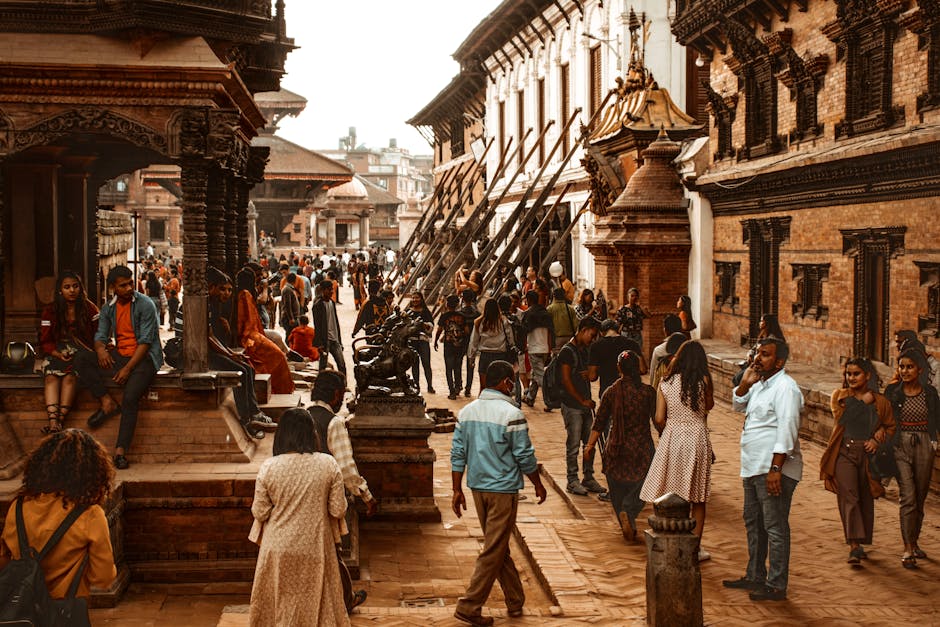
Vibrant street scene in Kathmandu, Nuwakot, Nepal
FAQs: Your Nuwakot, Nepal Questions Answered
1. Is Nuwakot, Nepal safe at night?
Yes, Nuwakot is generally very safe. The community is tight-knit and crime against tourists is rare. However, as in any destination, exercise common sense. Stick to well-lit areas in the bazaar after dark, and let your accommodation know if you’re planning a late return. The main risk at night is tripping on uneven cobblestones, so carry a flashlight or use your phone’s light.
2. What currency is used and are credit cards accepted?
The Nepali Rupee (NPR) is the currency. Carry ample cash, as credit cards are only accepted at a few higher-end heritage hotels. ATMs are available in the bazaar but can be unreliable or run out of cash, especially on weekends. It’s best to withdraw money in Kathmandu before you arrive.
3. How do I get from the airport to Nuwakot?
From Tribhuvan International Airport (KTM), your best bet is to pre-arrange a private transfer through your hotel (approx. NPR 7000-9000 / $53-68) for the 3-4 hour drive. Alternatively, take a taxi to Gongabu Bus Park (NPR 500) and catch a local bus (NPR 300). For convenience and to save time, you can book airport transfers at GetYourGuide.
4. Do I need to speak the local language?
Not necessarily, but it helps immensely. Basic English is understood at hotels, restaurants, and by guides in the main bazaar. In surrounding villages, knowledge of Nepali is limited. Learning a few basic phrases (Namaste, Dhanyabad) will be met with warm
Related Guides
Explore more destinations similar to Nuwakot:
- Assab, Eritrea (Red Sea’s coral reefs)
- Guayaramerín, Bolivia: Essential Riverfront Charm, Cross-Border Culture & Amazonian Adventure (2025)
- Budva, Montenegro’s Essential Ancient Walls, Azure Bays & Adriatic Sunsets (2025)
- Lake Eacham, Australia: Best Rainforest Serenity, Volcanic Waters & Wildlife Encounters (2026)
{“@context”: “https://schema.org”, “@type”: “FAQPage”, “mainEntity”: [{“@type”: “Question”, “name”: “What is the best time to visit Nuwakot?”, “acceptedAnswer”: {“@type”: “Answer”, “text”: “The best time to visit Nuwakot depends on your preferences. Generally, the dry season offers the most pleasant weather for sightseeing and outdoor activities.”}}, {“@type”: “Question”, “name”: “How many days do I need in Nuwakot?”, “acceptedAnswer”: {“@type”: “Answer”, “text”: “Most travelers spend 3-5 days in Nuwakot to see the main attractions. A week allows for a more relaxed pace and day trips.”}}, {“@type”: “Question”, “name”: “Is Nuwakot expensive to visit?”, “acceptedAnswer”: {“@type”: “Answer”, “text”: “Nuwakot can be visited on various budgets. Accommodation ranges from hostels to luxury hotels, and local restaurants offer affordable dining.”}}]}

