

Zamora, Ecuador’s Amazing Waterfalls, Gold & Amazonian Gateway (2025)
Just before dawn, the chorus of the Podocarpus National Park begins—a symphony of over 600 bird species, including the elusive Andean cock-of-the-rock, waking the cloud forest that cradles Zamora. The air smells of damp earth and orchids, a scent that has drawn explorers since the 1540s, not for spices, but for the legendary gold of the “Nambija” mines. While most travelers bypass this southern gateway for more famous Amazonian towns, those who stop discover a raw, biodiverse frontier where paved roads end and adventure begins.
Why Zamora, Ecuador Stands Out

Stunning waterfall cascading in a lush Ecuadorian valley, Zamora, Ecuador
- Historic Architecture: The iconic Nuestra Señora del Carmen Cathedral, with its striking modern clock tower built in the late 20th century, stands as a beacon in the town center, symbolizing Zamora’s growth as a gold-rush boomtown.
- Cultural Scene: The February Carnival is uniquely celebrated with *juegos de agua* (water games) and the vibrant “Carnaval Zamorano,” featuring local music and dances that reflect its Shuar and Saraguro indigenous influences.
- Local Specialties: You must try *tilapia a la zamorana*, a freshwater fish from local ponds, grilled with herbs from the surrounding rainforest, often served with yuca and aji pepper sauce.
Pro Tip: Visit during the dry season, from October to December, for the best waterfall hikes and river access. Arrive in town on a Saturday morning for the bustling indigenous market where Saraguro people sell textiles and produce—it’s far more authentic and less crowded than markets in larger cities.
Map of Zamora, Ecuador
Use these interactive maps to explore Zamora, Ecuador and plan your route:
📍 View Zamora, Ecuador on OpenStreetMap
🗺️ Open Zamora, Ecuador in Google Maps
Planning Your Trip: Practical Essentials
Getting There and Around
- By Air: The nearest major airport is in Loja (La Toma Airport, LOJ), a 1.5-hour drive away. Avianca and LATAM offer connecting flights from Quito. From Loja, take a cooperative taxi (about $25) or a bus to Zamora. Book flights at Skyscanner for best deals.
- By Train: Ecuador’s train system doesn’t directly serve Zamora. Your best bet is to take a bus from Loja, Cuenca, or Quito. The scenic bus ride from Loja takes about 1 hour and 45 minutes. Reserve tickets at Trainline or the national railway website for other legs of your Ecuador journey.
- By Car: Driving from Loja on the E682 is straightforward and spectacular, winding through the Podocarpus buffer zone. Parking is generally easy in town. A 4×4 is recommended if you plan to explore remote waterfall trails. Compare car rentals at RentalCars.com.
- Local Transport: Zamora is very walkable. For attractions outside town, use *camionetas* (shared pickup trucks) from the central park or negotiate with local taxi drivers for a half-day rate (around $20-$30). Check official city transport websites for passes and schedules.
Best Time to Visit
Zamora has a subtropical highland climate—warm, humid, and rainy for much of the year. The key is targeting the less rainy windows for optimal exploration.
| Season | Weather | Highlights |
|---|---|---|
| Dry Season (Oct–Dec) | 22°C – 28°C (72°F – 82°F), frequent sun, afternoon showers possible | Best for hiking, clear waterfall views, and gold-panning tours; moderate tourist activity. |
| Wet Season (Jan–May) | 20°C – 25°C (68°F – 77°F), heavy daily rainfall, high humidity | Lush, vibrant greenery and full rivers; ideal for photography but trails can be muddy; fewest crowds. |
| Shoulder (Jun–Sep) | 21°C – 27°C (70°F – 81°F), unpredictable mix of sun and rain | Good balance, with occasional dry spells perfect for visiting the Bombuscaro sector of Podocarpus National Park. |
Budgeting for Zamora, Ecuador
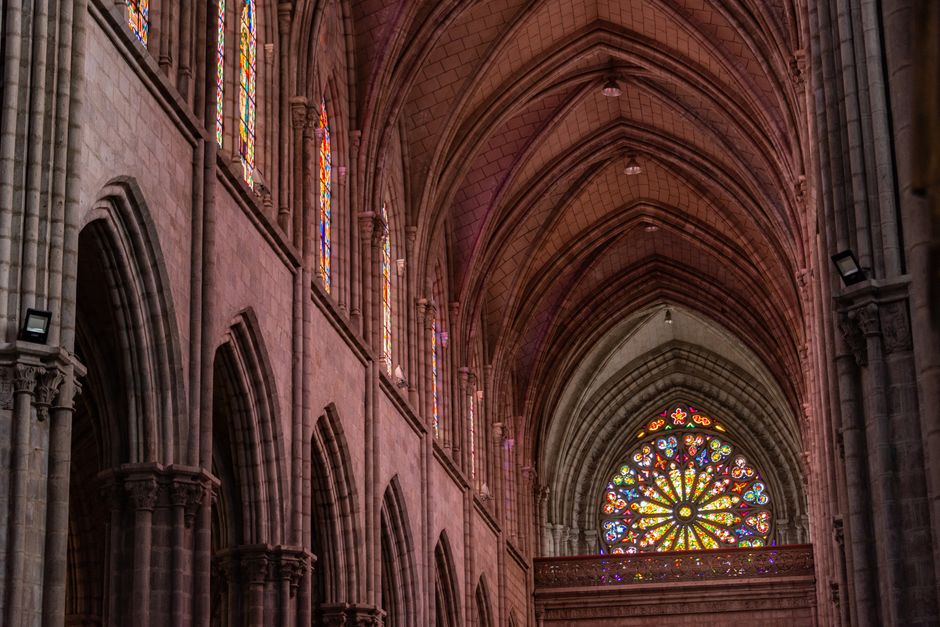
Interior of a neo-gothic cathedral featuring stunning stained glass rose wi…, Zamora, Ecuador
| Category | Budget | Mid-range | Luxury |
|---|---|---|---|
| Accommodation | $15 – $25 (hostel or basic hospedaje) | $40 – $70 (comfortable hotel with A/C) | $100+ (eco-lodge outside town) |
| Meals | $3-$7 (almuerzo set lunch, street food) | $8-$15 (restaurant main course & drink) | $20-$30 (fine dining at a lodge) |
| Transport | $1-$3 (local bus/camioneta) | $20/day (taxi for short trips) | $80+/day (private 4×4 with driver) |
| Activities | Free (town walks, some waterfalls) | $10-$25 (guided park entry, museum) | $50-$100 (full-day private guiding, gold-panning tours) |
| Daily Total | $25 – $40 | $75 – $120 | $200+ |
Top Attractions and Must-See Sights
| Attraction | Description | Hours | Entry Fee |
|---|---|---|---|
| Podocarpus National Park (Bombuscaro Entrance) | Explore the lush lower montane forest on well-maintained trails leading to the stunning El Poder de la Cascada waterfall. | 8:00 AM – 4:00 PM daily | $10 for foreigners |
| Cascadas de La Piedad | A series of powerful, easily accessible waterfalls just 5km from town, perfect for a refreshing swim in natural pools. | Daylight hours | $2 (voluntary community fee) |
| Mirador de la Virgen del Carmen | Climb the hill behind the cathedral for a panoramic 360-degree view of Zamora snaking through the valley. | Always accessible | Free |
| Centro de Interpretación Ambiental “Amarongachi” | A small but excellent museum detailing the region’s biodiversity, gold mining history, and Shuar culture. | Mon-Fri 8:00 AM – 1:00 PM, 2:00 PM – 5:00 PM | $1 |
3-Day Itinerary: Zamora, Ecuador’s Highlights & Hidden Gems
Day 1: Waterfalls & Town Charms
- Morning (7-9 AM): Start early with a taxi ($5) to the **Cascadas de La Piedad**. You’ll have the majestic falls mostly to yourself. The first and largest cascade is a 10-minute walk from the road.
- Afternoon (12-3 PM): Return to town for a classic *almuerzo* (set lunch) at **Restaurante Don Wilson** (on 24 de Mayo street) for their *seco de pollo*. Then, visit the **Centro de Interpretación Ambiental** to understand the ecosystem you’re about to explore.
- Evening (6-8 PM): Walk along the **Malecón** (riverwalk) at dusk to see birds returning to roost. For dinner, grab a table at **Pizzería El Jardín** (Sucre & Amazonas) for surprisingly good wood-fired pizza and local craft beer.
Day 2: Deep into Podocarpus National Park
- Morning (8 AM): Take a *camioneta* ($3 per person) or taxi ($10) to the **Bombuscaro entrance of Podocarpus National Park**. Hike the **Los Miradores trail loop** (about 3 hours). Your best chance to see toucans and maybe a spectacled bear is in the early morning mist.
- Afternoon (1 PM): Pack a picnic or enjoy a simple meal at the park ranger station. After hiking, cool off by swimming in the Bombuscaro river near the entrance.
- Evening (6 PM): Back in Zamora, treat yourself to a hearty dinner at **Restaurante Chozas** (on Vía a Loja). Order the *tilapia a la zamorana*—it’s their specialty. Locals recommend finishing the night with a stroll around **Parque Central** to feel the town’s pulse.
Day 3: Gold History & Scenic Vistas
- Morning (9 AM): Hire a taxi for the day (approx. $30) to visit the **Nambija zone**, the site of the informal gold rush of the 1980s. It’s a sobering but fascinating look at mining history. The view from the area is staggering.
- Afternoon (12 PM): Have your driver stop at a roadside *arepera* for a quick, delicious cornmeal pocket filled with cheese. Return to town and visit the **Mercado Artesanal** for locally made Shuar crafts and jewelry.
- Evening (5 PM): For your final sunset, hike or drive up to the **Mirador de la Virgen**. Then, enjoy a farewell cocktail at **Café Bar La Cabaña** (on Amazonas) before a casual final dinner at a *fritada* stand in the market for crispy fried pork.
Cultural Insights & Etiquette
- Language: Spanish is essential. Basic phrases like “Buenos días” and “Gracias” go far. In indigenous communities, a greeting in Kichwa (“Alli puncha”) is appreciated. English is rarely spoken outside tourist lodges.
- Customs: Always greet shopkeepers when entering. It’s polite to ask before photographing people, especially indigenous Saraguros or Shuar. The pace of life is slow; patience is a virtue.
- Tipping: Not expected but appreciated. Round up taxi fares. In restaurants, a 10% tip is standard for good service. For guides, $5-$10 per day is generous.
- Dress Code: Practical, quick-dry clothing for humidity and rain. Modest dress (covering shoulders and knees) is respectful when visiting churches or rural communities. Sturdy hiking shoes are non-negotiable.
- Business Hours: Typical hours are 8:00/9:00 AM to 12:30 PM, reopening from 2:30 PM to 6:00/7:00 PM. Many places close on Sundays. Major holidays like Carnival (Feb/Mar) and Founders’ Day (October 4) see big celebrations and closures.
Where to Eat: Zamora, Ecuador’s Best Bites
Zamora’s cuisine is a hearty blend of Amazonian and Andean influences. You’ll find an abundance of river fish, yuca, plantains, and tropical fruits. The dining scene is humble but satisfying, centered around family-run *comedores* and a few established restaurants favored by locals.
Must-Try Local Specialties
- Tilapia a la Zamorana: The iconic local dish. Fresh tilapia, often farmed in ponds nearby, grilled or fried with a crust of local herbs. Try it at **Restaurante Chozas** or **Heladería y Restaurante Donde Gaby**.
- Caldo de Bolas: A hearty green plantain soup with a giant, meat-filled ball of dough. It’s a filling lunch staple. **Mercado Central** has the best and most authentic versions for about $2.50.
- Guayusa Tea: A mildly caffeinated, antioxidant-rich tea from a native Amazonian leaf. It’s served everywhere. For the real experience, visit a Shuar community where it’s traditionally drunk in early morning rituals.
Restaurant Recommendations by Budget
| Type | Restaurant | Specialty | Price Range |
|---|---|---|---|
| Budget | Comedor “La Única” (inside Mercado Central) | Massive, delicious *almuerzos* (set lunches) with soup, rice, protein, and juice. | $3 – $4 |
| Mid-range | Restaurante Don Wilson (24 de Mayo) | Classic Ecuadorian dishes in a clean, friendly setting. Their *seco de chivo* (goat stew) is famous. | $6 – $12 per main |
| Fine dining | Restaurante Copalinga (at the Copalinga Lodge, 5km away) | Gourmet, fixed-menu dinners using organic local ingredients, with stunning garden views. Requires reservation. | $25 – $35 per person |
Where to Stay
Accommodation ranges from basic town hotels to beautiful eco-lodges on the outskirts. Staying in town puts you close to transport and restaurants, while the lodges offer immersion in nature and birdwatching right from your balcony. Compare prices and book at Booking.com or Airbnb for apartments.
Best Neighborhoods for Accommodation
- Centro (Town Center): The most convenient area, close to bus stations, parks, and restaurants. It can be a bit noisy. Ideal for budget travelers and those relying on public transport. Look for hotels on or near **Amazonas** or **24 de Mayo** streets.
- Vía a Bombuscaro (Road to the Park): This road leading southeast out of town hosts several excellent eco-lodges like Copalinga. It’s quieter, surrounded by nature, but you’ll need a taxi ($3-$5) to get to the center. Perfect for birdwatchers and peace-seekers.
- Barrio La Aurora: A residential area a short walk uphill from the center, offering nicer views and quieter nights. A good compromise for mid-range travelers wanting proximity with more tranquility.

Artistic silhouette of a modern sculpture in Quito, Zamora, Ecuador
FAQs: Your Zamora, Ecuador Questions Answered
1. Is Zamora, Ecuador safe at night?
Zamora is generally safe. Exercise standard precautions: stick to well-lit areas like the Malecón and Parque Central at night, avoid displaying expensive electronics, and take registered taxis after dark. Petty theft is the main concern, not violent crime.
2. What currency is used and are credit cards accepted?
Ecuador uses the US Dollar ($). Carry plenty of small bills and coins, as many smaller restaurants, taxis, and community attractions are cash-only. Credit cards (Visa/Mastercard) are accepted at larger hotels, some tour operators, and a few upscale restaurants, but don’t rely on them.
3. How do I get from the airport to the city center?
From Loja’s
{“@context”: “https://schema.org”, “@type”: “FAQPage”, “mainEntity”: [{“@type”: “Question”, “name”: “What is the best time to visit Zamora?”, “acceptedAnswer”: {“@type”: “Answer”, “text”: “The best time to visit Zamora depends on your preferences. Generally, the dry season offers the most pleasant weather for sightseeing and outdoor activities.”}}, {“@type”: “Question”, “name”: “How many days do I need in Zamora?”, “acceptedAnswer”: {“@type”: “Answer”, “text”: “Most travelers spend 3-5 days in Zamora to see the main attractions. A week allows for a more relaxed pace and day trips.”}}, {“@type”: “Question”, “name”: “Is Zamora expensive to visit?”, “acceptedAnswer”: {“@type”: “Answer”, “text”: “Zamora can be visited on various budgets. Accommodation ranges from hostels to luxury hotels, and local restaurants offer affordable dining.”}}]}
Related Guides
Explore more destinations similar to Zamora:
- Koh Bulon Leh, Thailand: Best Untouched Beaches, Sea Gypsy Culture & Bioluminescent Waters (2025)
- Olympos, Turkey’s Ultimate Ancient Ruins, Treehouse Living & Eternal Flames (2025)
- Penza, Russia’s Essential Museums, Parks & Provincial Charm (2026)
- Amazing Salta Argentina’s Epic Best 3-Day Adventure Tips (2025)

