
Zinder, Niger’s Ultimate Sultans, Souks & Saharan Soul (2025)
In 1850, Zinder was the capital of the powerful Sultanate of Damagaram, a Saharan crossroads controlling the caravan trade of salt, gold, and slaves. Today, its 19th-century Sultan’s Palace still stands as a symbol of that era, presiding over a labyrinthine old town where fewer than 500 international tourists tread annually. This isn’t a place for generic sightseeing; it’s a living archive of Sahelian history, where you can walk fortified walls built to repel French colonial forces and hear tales of sultans whispered in the shade of ancient baobab trees.
Why Zinder, Niger Stands Out
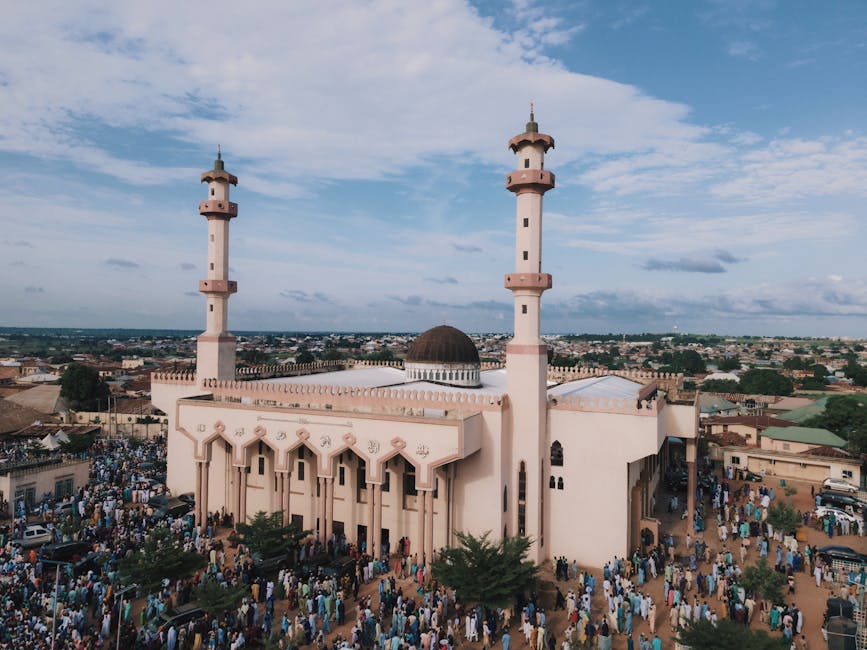
Stunning aerial photograph of a bustling mosque in Nigeria, Zinder, Niger
- Historic Architecture: The Sultan’s Palace (c. 1850), a stunning example of Sudano-Sahelian architecture with its distinctive *tubali* (sun-dried brick) walls and protruding wooden beams, remains the residence of the current Sultan.
- Cultural Scene: The annual Bianou Festival, a vibrant, drum-filled procession through the streets marking the Islamic New Year, transforms the city with colorful robes, traditional horsemen, and powerful communal energy.
- Local Specialties: You must try *dambun nama*, a flavorful dish of shredded, spiced meat (often beef or goat) served with tuwo (a thick millet or sorghum paste), a staple of celebratory meals.
Pro Tip: Plan your visit for the cooler, dry months between November and February. To experience Zinder at its most vibrant, time your trip for the Bianou Festival, which moves with the Islamic calendar; check dates for Muharram each year. Mornings before 10 AM are golden for exploration, as the afternoon sun can be intense.
Map of Zinder, Niger
Use these interactive maps to explore Zinder, Niger and plan your route:
📍 View Zinder, Niger on OpenStreetMap
🗺️ Open Zinder, Niger in Google Maps
Planning Your Trip: Practical Essentials
Getting There and Around
- By Air: Zinder Airport (ZND) receives domestic flights from Niamey via Niger Airlines. Flights are infrequent and schedules change; booking well in advance is essential. A taxi from the airport to the city center costs about 2,000-3,000 XOF ($3-$5). Book flights at Skyscanner for best deals.
- By Train: There is currently no passenger train service to Zinder. Overland travel is by road. Reserve tickets at Trainline or the national railway website.
- By Car: The drive from Niamey is long (approx. 900km) and challenging, best undertaken in a 4×4 with a local driver. The RN1 highway is the main route. Secure parking is available at major hotels. Compare car rentals at RentalCars.com.
- Local Transport: Motorcycle-taxis (*kabu-kabu*) are the fastest and most common way to get around, with short trips costing 200-500 XOF ($0.30-$0.80). For longer trips or more comfort, negotiate a price with a regular taxi. There are no formal ride-sharing apps.
Best Time to Visit
Zinder’s climate is harshly Sahelian, with a very hot dry season and a brief, intense rainy season. Savvy travelers target the window after the rains subside and before the extreme heat returns.
| Season | Weather | Highlights |
|---|---|---|
| Hot Dry Season (Mar–May) | Extremely hot, 35°C–45°C (95°F–113°F), dusty Harmattan winds possible. | Challenging for tourism; indoor and early morning activities only. |
| Rainy Season (Jun–Sep) | Hot and humid, 25°C–35°C (77°F–95°F), with short, heavy downpours. | Landscape turns green, but travel on unpaved roads can be difficult. |
| Cool Dry Season (Oct–Feb) | Pleasant and dry, 18°C–32°C (64°F–90°F), cool nights. | Ideal for all sightseeing, festivals like Bianou occur, peak travel conditions. |
Budgeting for Zinder, Niger

Silhouette of a tower with contrail in a sunset sky, Zinder, Niger
| Category | Budget | Mid-range | Luxury |
|---|---|---|---|
| Accommodation | 10,000-15,000 XOF/night ($16-$25) for a basic guesthouse | 25,000-40,000 XOF/night ($41-$66) for a comfortable hotel with A/C | 50,000+ XOF/night ($83+) for the city’s top hotel with full amenities |
| Meals | 1,500-3,000 XOF ($2.50-$5) for street food or a simple *maquis* meal | 4,000-7,000 XOF ($6.50-$11.50) for a restaurant meal with drink | 10,000+ XOF ($16.50+) for a multi-course dinner at a top hotel restaurant |
| Transport | 500-1,500 XOF/day ($0.80-$2.50) for *kabu-kabu* trips | 5,000-10,000 XOF/day ($8-$16.50) for hired taxi for half-day | 20,000+ XOF/day ($33+) for private car and driver |
| Activities | Free (walking Birni quarter, markets) | ~5,000 XOF ($8) for guided tour of palace/museum | 15,000+ XOF ($25) for specialized cultural tours or festival access |
| Daily Total | 12,000-20,000 XOF ($20-$33) | 35,000-60,000 XOF ($58-$100) | 85,000+ XOF ($140+) |
Top Attractions and Must-See Sights
| Attraction | Description | Hours | Entry Fee |
|---|---|---|---|
| The Sultan’s Palace (Palais du Sultan) | The iconic heart of Zinder, a fortified complex showcasing Sudano-Sahelian architecture and the living history of the Damagaram Sultanate. | Exterior viewable always; interior visits require local guide arrangement (mornings best). | ~2,000-5,000 XOF ($3-$8) for guided visit, including customary gift. |
| The Old Town (Birni) | A maze of narrow, winding alleys surrounded by the original 19th-century fortified wall, home to traditional Hausa architecture and daily life. | Daylight hours recommended for navigation. | Free to explore; a local guide (5,000 XOF) is highly recommended. |
| Zinder Great Mosque | An impressive, towering mud-brick mosque near the palace, featuring the same *tubali* and beam construction, central to the city’s spiritual life. | Exterior viewing only for non-Muslims; respectful distance during prayer times. | Free (exterior). |
| Zinder Regional Museum | Housed in the former French governor’s residence, it offers context on the region’s ethnography, history, and pre-colonial artifacts. | Mon-Fri 8 AM – 12 PM & 3 PM – 6 PM; Sat 8 AM – 12 PM. | ~1,000 XOF ($1.60). |
3-Day Itinerary: Zinder, Niger’s Highlights & Hidden Gems
Day 1: The Heart of the Sultanate
- Morning (7-9 AM): Start at the **Grand Marché** as it comes to life. Watch vendors arrange piles of spices, vibrant textiles, and household goods. Your best bet is to sip sweet *ataya* (tea) at a stall and observe the morning bustle.
- Afternoon (12-3 PM): Engage a local guide (arrange through your hotel, ~5,000 XOF) to explore the **Birni Old Town**. Wind through its alleys, see the fortified walls, and learn the history. For lunch, head to **Maquis le Sahel** for a hearty plate of *riz sauce* (rice with peanut or tomato sauce) for about 2,500 XOF.
- Evening (6-8 PM): As the sun sets, view the exterior of the **Sultan’s Palace** when the light turns the mud-brick walls a deep gold. For dinner, try **Restaurant La Belle Vue** (at Hotel Damagaram) for grilled fish or chicken with a view over the city.
Day 2: Culture, Craft & Color
- Morning (8 AM): Visit the **Zinder Regional Museum** (1,000 XOF) to understand the area’s cultural tapestry. Then, seek out the **tanneries** in the Sabon Gari quarter (ask your guide), where hides are still processed using traditional methods—a pungent but fascinating glimpse into a historic craft.
- Afternoon: Explore the **artisanal cooperatives**. Look for intricate silver jewelry (a Zinder specialty), leather goods, and woven mats. For lunch, find a local *maquis* serving *dambun nama*; ask your guide for their favorite spot.
- Evening: Experience the local social scene. Join men at a roadside tea spot for the three rounds of *ataya*—strong, sweet, and symbolic of friendship. For a simple dinner, try **Maquis Tatané** for well-prepared local staples.
Day 3: Panoramas & Departure
- Morning: Take a *kabu-kabu* (500 XOF) to the **water tower hill** on the city’s outskirts for a panoramic view of Zinder sprawling across the plain. You can see the distinct districts of Birni, Zongo, and Sabon Gari.
- Afternoon: Make final visits or purchases. Have a farewell lunch at **Restaurant Diamangou** near the market, known for its *poulet braisé* (grilled chicken). If it’s a Thursday or Sunday, the **livestock market** on the city’s edge is a spectacle of Sahelian commerce.
- Evening: Enjoy a final, leisurely stroll through the less-intense evening market activity before your departure. Seasoned travelers recommend confirming all transport plans for the next day well in advance.
Cultural Insights & Etiquette
- Language: French is the official language; Hausa is the lingua franca. Key phrases: “Sannu” (Hello in Hausa), “Na gode” (Thank you), “Ina kwana?” (How are you?).
- Customs: Greetings are essential. Always shake hands (using the right hand only) and exchange pleasantries before business. It is respectful to ask permission before photographing people, especially women and elders.
- Tipping: Not universally expected but appreciated for good service. In restaurants, rounding up the bill is fine. For guides, a tip of 10-15% of the tour cost is generous.
- Dress Code: Modesty is key. For both men and women, clothing that covers shoulders and knees is respectful. Loose, lightweight cotton garments are both culturally appropriate and practical for the climate.
- Business Hours: Government offices and banks: ~7:30 AM – 3:30 PM, often with a midday break. Shops open earlier and close later, but may close for Friday prayers. Major Islamic holidays will see most businesses closed.
Where to Eat: Zinder, Niger’s Best Bites
Dining in Zinder is an exercise in savoring hearty, flavorful Sahelian cuisine centered around millet, sorghum, rice, and meat. You’ll eat at simple *maquis* (open-air eateries), hotel restaurants, and from street vendors. The experience is about substance and tradition over ambiance.
Must-Try Local Specialties
- Dambun Nama: Shredded, spiced, and dried meat, often rehydrated in sauces. It’s a celebration food. Try it at family-run *maquis* in the Sabon Gari district.
- Tuwo with Miyan Taushe: A thick paste (tuwo) made from millet or sorghum, served with a rich pumpkin seed and vegetable soup (miyan taushe). A staple evening meal.
- Hura da Sobo: A filling porridge made from millet or corn, often eaten for breakfast. Look for women selling it from large bowls in the market in the early morning.
Restaurant Recommendations by Budget
| Type | Restaurant | Specialty | Price Range |
|---|---|---|---|
| Budget | Various *Maquis* in Sabon Gari | Riz sauce, beans, grilled meat | 1,500 – 3,000 XOF ($2.50-$5) |
| Mid-range | Restaurant Diamangou (Near Grand Marché) | Poulet Braisé, Capitaine Fish | 4,000 – 7,000 XOF ($6.50-$11.50) |
| Fine dining | Hotel Damagaram Restaurant | International & Nigerien dishes, best wine selection in town | 8,000 – 15,000 XOF ($13-$25) |
Where to Stay
Accommodation in Zinder ranges from very basic guesthouses to a couple of comfortable, business-style hotels. The key amenity is reliable air conditioning and a generator for power cuts. Most hotels are clustered in the more modern Zongo district, convenient for transport. Compare prices and book at Booking.com or Airbnb for apartments.
Best Neighborhoods for Accommodation
- Zongo: The commercial and administrative center. Pros: Most hotels, restaurants, and services are here; easier for transport. Cons: Less historic character. Best for first-time visitors and business travelers.
- Near the Grand Marché: Lively and central. Pros: Immersive, walkable to major sites and market. Cons: Can be noisy and bustling. Best for adventurous travelers wanting to be in the thick of things.
- Sabon Gari: A residential and artisanal district. Pros: Authentic local atmosphere, closer to craft workshops. Cons: Fewer formal lodging options (mostly guesthouses). Best for travelers seeking a deeper local experience.
Captivating sunset view of Rome’s historic architecture framed by trees, Zinder, Niger
FAQs: Your Zinder, Niger Questions Answered
1. Is Zinder, Niger safe at night?
Zinder is generally peaceful, but standard precautions are essential. Avoid walking alone at night in poorly lit areas. Use registered taxi or *kabu-kabu* drivers for evening transport. Petty crime like pickpocketing can occur in crowded markets, so keep valuables secure. Always follow local advice and current travel advisories from your government.
2. What currency is used and are credit cards accepted
{“@context”: “https://schema.org”, “@type”: “FAQPage”, “mainEntity”: [{“@type”: “Question”, “name”: “What is the best time to visit Zinder?”, “acceptedAnswer”: {“@type”: “Answer”, “text”: “The best time to visit Zinder depends on your preferences. Generally, the dry season offers the most pleasant weather for sightseeing and outdoor activities.”}}, {“@type”: “Question”, “name”: “How many days do I need in Zinder?”, “acceptedAnswer”: {“@type”: “Answer”, “text”: “Most travelers spend 3-5 days in Zinder to see the main attractions. A week allows for a more relaxed pace and day trips.”}}, {“@type”: “Question”, “name”: “Is Zinder expensive to visit?”, “acceptedAnswer”: {“@type”: “Answer”, “text”: “Zinder can be visited on various budgets. Accommodation ranges from hostels to luxury hotels, and local restaurants offer affordable dining.”}}]}
Related Guides
Explore more destinations similar to Zinder:

