
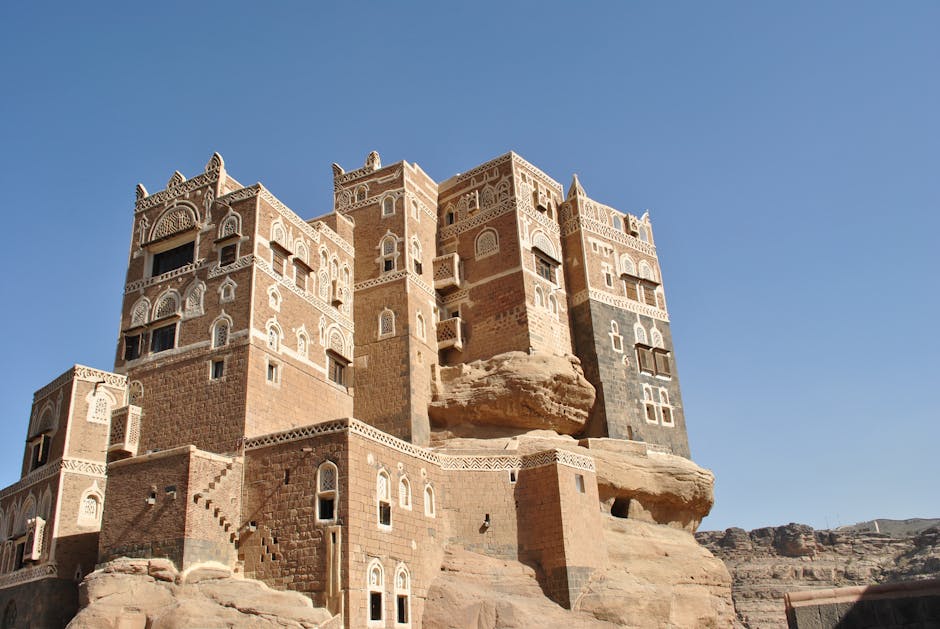
Al-Jawf, Yemen’s Amazing Ancient Kingdoms, Frankincense Trails & Desert Oases (2025)
While travelers dream of Sana’a’s skyline, the ancient heart of Yemen beats quietly in Al-Jawf. This region, home to the legendary Kingdom of Ma’in from the 8th century BCE, was once a critical hub on the incense trade routes, where caravans carried frankincense and myrrh to the Mediterranean. Today, you can stand amidst the ruins of Barāqish, its towering mudbrick walls still etched with Minaean inscriptions, and feel the desert wind whisper stories older than the Roman Empire. This is where history isn’t just displayed in a museum—it’s the very ground you walk on.
Why Al-Jawf, Yemen Stands Out
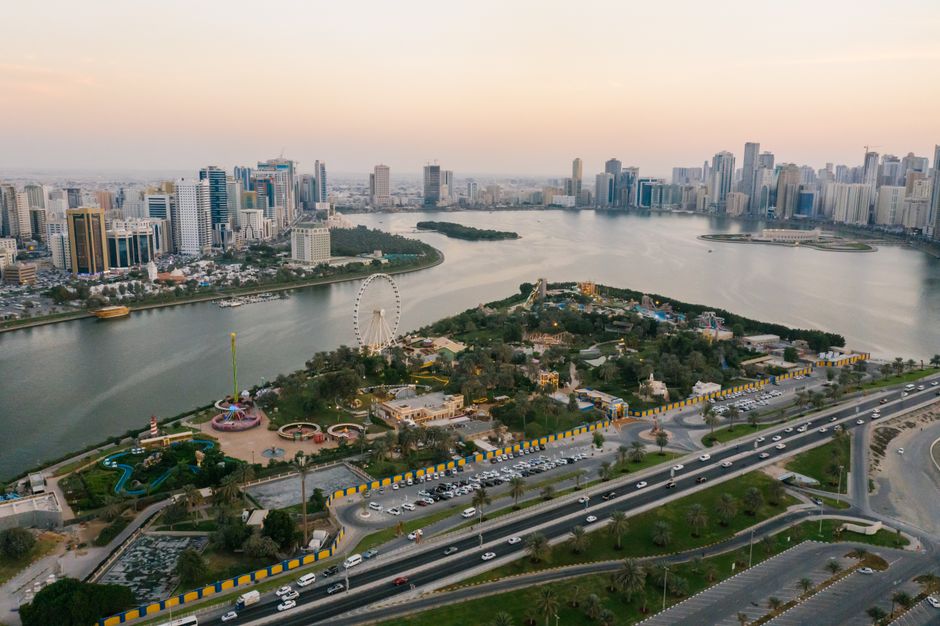
A stunning aerial shot of Sharjah cityscape featuring parks, Al-Jawf, Yemen
- Historic Architecture: The 14-meter-high walls of Barāqish, dating to the 5th century BCE, showcase the advanced engineering of the Minaean civilization, built to protect their lucrative frankincense trade.
- Cultural Scene: The annual date harvest in Wadi Madhab brings communities together for traditional songs and celebrations, a vibrant display of agricultural life unchanged for centuries.
- Local Specialties: You must try Saltah, a hearty stew with a base of fenugreek froth (holba), slow-cooked meat, and a fiery zhug sauce, traditionally served in a stone pot.
Pro Tip: The absolute best time for exploration is from late October to early March. Daytime temperatures are a pleasant 25-30°C (77-86°F), perfect for visiting archaeological sites, while the cool, crisp nights are ideal for stargazing in the desert. Avoid the scorching summer months (June-August) when temperatures can exceed 40°C (104°F).
Map of Al-Jawf, Yemen
Use these interactive maps to explore Al-Jawf, Yemen and plan your route:
📍 View Al-Jawf, Yemen on OpenStreetMap
🗺️ Open Al-Jawf, Yemen in Google Maps
Planning Your Trip: Practical Essentials
Getting There and Around
- By Air: The nearest major airport is Sana’a International Airport (SAH). From there, you’ll need to arrange a 4×4 vehicle and driver for the approximately 3-4 hour journey northeast to Al-Jawf. Book flights at Skyscanner for best deals.
- By Train: Yemen does not have a passenger railway system. All travel within the country is by road or air.
- By Car: A 4×4 vehicle with an experienced local driver is non-negotiable for navigating the desert tracks and wadis of Al-Jawf. The route from Sana’a is paved but becomes rugged near sites. Compare car rentals at RentalCars.com, but confirm local agency partnerships.
- Local Transport: There is no formal public transport. Travel between sites like Barāqish and the Ma’in capital of Qarnaw is done exclusively by pre-arranged 4×4 with a guide. Your accommodation can typically arrange this.
Best Time to Visit
Al-Jawf’s desert climate dictates a very specific travel window. Savvy visitors target the cooler months to comfortably explore the vast, open archaeological sites and enjoy the stark beauty of the landscape without the extreme heat.
| Season | Weather | Highlights |
|---|---|---|
| Summer (Jun–Aug) | Extremely hot, 38-45°C (100-113°F), intense sun, very dry. | Not recommended for tourism. Only essential travel; activities are severely limited to early dawn hours. |
| Winter (Dec–Feb) | Cool days 20-25°C (68-77°F), cold nights can drop to 5°C (41°F). Clear skies. | Perfect for full-day archaeological exploration. Excellent conditions for photography and desert camping under spectacular stars. |
| Shoulder (Apr–May/Sep–Oct) | Warm to hot, 28-35°C (82-95°F). Evenings are pleasant. | Good for travel, especially late Oct. The date harvest in September offers a unique cultural window. Fewer visitors than peak winter. |
Budgeting for Al-Jawf, Yemen

Breathtaking sunset over Shibam’s historic mudbrick architecture, Al-Jawf, Yemen
| Category | Budget | Mid-range | Luxury |
|---|---|---|---|
| Accommodation | $25-40/night (basic local guesthouse) | $60-100/night (comfortable hotel in Al Hazm) | $150+/night (full-service camp, private driver/guide) |
| Meals | $5-10/day (local eateries, street food) | $15-25/day (hotel restaurant meals) | $40+/day (privately catered meals) |
| Transport | N/A (must hire driver) | $80-120/day (4×4 with driver) | $150+/day (private 4×4 & expert guide) |
| Activities | Free (exploring ruins, desert) | $10-20 (site guide fees, small tips) | $50+ (specialized archaeological guide) |
| Daily Total | $110-170/day* | $165-265/day | $390+/day |
*Budget travel here requires grouping costs; the mandatory driver is a shared expense.
Top Attractions and Must-See Sights
| Attraction | Description | Hours | Entry Fee |
|---|---|---|---|
| Barāqish (Ancient Yathill) | The spectacularly preserved Minaean walled city, with intact temples and inscriptions, offering a palpable sense of ancient urban life. | Sunrise to Sunset | Small local guardian tip (~$5) |
| Qarnaw (Ma’in Capital) | The ruins of the capital of the Ma’in Kingdom, featuring a large temple complex and the foundations of palaces that ruled the incense trade. | Sunrise to Sunset | Free |
| Wadi Madhab | A vast, fertile oasis valley dotted with palm groves and traditional villages, showcasing Yemen’s ancient agricultural ingenuity. | Daylight hours | Free |
| Al-Hazm City | The modern administrative capital, home to the historic Al-Hazm Fort, offering a glimpse into more recent Yemeni history and daily life. | Daylight hours | Free (fort exterior) |
3-Day Itinerary: Al-Jawf, Yemen’s Highlights & Hidden Gems
Day 1: Gates of the Ancient Minaean Kingdom
- Morning (7-9 AM): Depart early from Al Hazm for Barāqish. Arrive as the morning light casts long shadows on the 14-meter-high walls. Explore the Temple of Nakrah and look for the Minaean inscriptions. Your guide can point out the ancient well system.
- Afternoon (12-3 PM): Enjoy a packed lunch in the shade of the ruins. Then, drive 30 minutes to Qarnaw. Wander the extensive site, comparing it to Barāqish, and imagine the caravans loading here. Head back to Al Hazm for a late lunch of Mandi (spiced rice and meat) at a local restaurant like Mandi Al-Saeed.
- Evening (6-8 PM): Relax at your hotel. After dinner, join locals for Qishr (a spiced coffee drink) and conversation at a simple café in town.
Day 2: Oases and Desert Life
- Morning (8 AM): Drive into Wadi Madhab (~$60 for half-day driver). Visit a traditional farm and, if in season (September), see the date harvest. Learn about the ancient falaj irrigation system that sustains life here.
- Afternoon (1 PM): Have lunch with a local family if arranged by your guide—this is the best way to try authentic Saltah. Alternatively, a picnic by the palm groves is magical.
- Evening (5 PM): As the heat fades, take a short drive to a scenic desert viewpoint. Watch the sunset paint the sands in hues of orange and purple. Return to Al Hazm for a dinner of Fahsa (a claypot meat stew) at a local eatery.
Day 3: Forts and Local Culture
- Morning (9 AM): Explore Al-Hazm itself. Visit the bustling central market (souq) to see spices, textiles, and traditional jambiyas (daggers). View the imposing exterior of Al-Hazm Fort, a symbol of the region’s historical importance.
- Afternoon (12 PM): Enjoy a final lunch, perhaps trying Aseed, a savory porridge. Use the afternoon for last-minute souvenir shopping or revisiting a favorite site.
- Evening (6 PM): Your farewell dinner. Seek out a restaurant serving Zurbian, a festive rice dish often made for guests. Reflect on your journey through one of Arabia’s most historically significant landscapes.
Cultural Insights & Etiquette
- Language: Arabic is the language. Learn basics: “As-salamu alaykum” (Hello), “Shukran” (Thank you), “Ma’is salaama” (Goodbye). English is not widely spoken, so a guide is essential.
- Customs: Hospitality is sacred. Always accept offers of tea or coffee. Use your right hand for eating and greeting. Public displays of affection are frowned upon.
- Tipping: Not mandatory but deeply appreciated for good service. For a driver/guide, 5-10% of the total fee is a good guideline. Small tips for site guardians are customary.
- Dress Code: Conservative dress is required. Men should wear long trousers. Women must wear loose clothing covering arms and legs, and a headscarf is highly recommended as a sign of respect.
- Business Hours: Government hours are typically Sat-Wed, 8 AM – 2 PM. Shops open earlier, close for afternoon heat, and reopen from 4-8 PM. Friday is the holy day, and most everything is closed.
Where to Eat: Al-Jawf, Yemen’s Best Bites
Dining in Al-Jawf is about hearty, flavorful cuisine designed to sustain life in a harsh climate. Meals are communal, often shared from a central platter, and spiced with a unique blend of herbs like fenugreek and fiery chilies. Don’t expect fancy menus; you’ll find authenticity in local eateries and family homes.
Must-Try Local Specialties
- Saltah: The national dish. A meat or vegetable stew topped with a frothy holba (fenugreek) sauce and a dollop of zhug (hot chili paste). Eaten with flatbread. Best tried at a local lunch spot in Al Hazm.
- Mandi: Tender lamb or chicken slow-cooked in a tandoor (taboon) over rice, infused with aromatic spices. Mandi Al-Saeed in Al Hazm is renowned for it.
- Bint Al-Sahn: A flaky, layered honey cake, often eaten for breakfast or celebrations. Ask your hotel if they can source one from a local baker.
Restaurant Recommendations by Budget
| Type | Restaurant | Specialty | Price Range |
|---|---|---|---|
| Budget | Local Eateries near Al Hazm Souq | Freshly made flatbread, fava bean stew (foul), and grilled meats. | $2-5 per meal |
| Mid-range | Mandi Al-Saeed (Al Hazm) | Authentic, perfectly cooked Mandi and grilled chicken. | $8-15 per person |
| Fine dining | Hotel Restaurant Dining | International dishes alongside well-prepared local classics in a comfortable setting. | $15-25 per person |
Where to Stay
Accommodation in Al-Jawf is functional rather than luxurious, centered in Al Hazm city. Your choice will be based on comfort level and the ability to arrange logistics. Book well in advance and confirm all details. Compare prices and book at Booking.com or Airbnb for apartments, though local guesthouses may require direct contact.
Best Neighborhoods for Accommodation
- Central Al Hazm: The practical choice. You’ll be close to markets, basic services, and restaurants. It’s the hub for arranging drivers and guides. Suits all travelers seeking convenience.
- Outskirts of Al Hazm: Some quieter guesthouses or newer hotels are located here. Offers more space but requires transport to get into town for meals and arrangements.
- Desert Camps (Arranged): For a truly immersive experience, some operators can set up a traditional Bedouin-style camp. This is a luxury option offering incredible stargazing and solitude. Suits adventurous travelers with a higher budget.
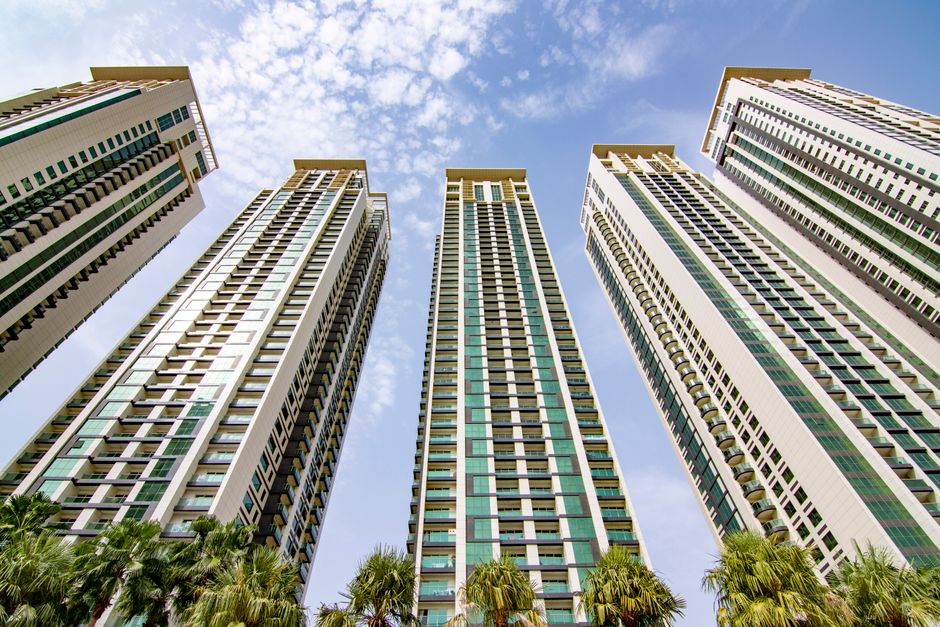
Low-angle view of modern skyscrapers under a blue sky in Abu Dhabi, Al-Jawf, Yemen
FAQs: Your Al-Jawf, Yemen Questions Answered
1. Is Al-Jawf, Yemen safe at night?
Security conditions in Yemen are complex and can change rapidly. Extensive research and consultation with official government travel advisories is absolutely essential before considering any travel. If travel is deemed possible, within Al-Jawf, movement after dark is generally limited. You should be back at your accommodation by nightfall. Always travel with a trusted local guide/driver who understands the current local context.
2. What currency is used and are credit cards accepted?
The Yemeni Rial (YER) is the currency. Cash is king—bring enough US dollars or Euros to exchange locally for your entire trip. Credit cards are virtually useless in Al-Jawf. ATMs are unreliable or non-existent. Plan to carry all necessary funds in cash, kept securely.
3. How do I get from the airport to the city center?
You will fly into Sana’a (SAH). From there, you must have pre-arranged a 4×4 vehicle with a driver for the 3-4 hour journey to Al-Jawf (Al Hazm). This is not a taxi ride you can hail. Costs range from $80-$150 for the transfer, depending on vehicle and negotiation. Book airport transfers at GetYourGuide for convenience, but confirm they have local partners in Yemen.
4. Do I need to speak the local language?
Yes, a guide who speaks both Arabic and English is not a luxury but a necessity. Very few people in Al-Jawf speak English. Your guide will be your translator, cultural liaison, and logistics manager. Learning a few basic Arabic greetings will be met with warm appreciation.
5. What’s the appropriate dress code?
Conservative, loose-fitting clothing is mandatory. For men,
{“@context”: “https://schema.org”, “@type”: “FAQPage”, “mainEntity”: [{“@type”: “Question”, “name”: “What is the best time to visit Al-Jawf?”, “acceptedAnswer”: {“@type”: “Answer”, “text”: “The best time to visit Al-Jawf depends on your preferences. Generally, the dry season offers the most pleasant weather for sightseeing and outdoor activities.”}}, {“@type”: “Question”, “name”: “How many days do I need in Al-Jawf?”, “acceptedAnswer”: {“@type”: “Answer”, “text”: “Most travelers spend 3-5 days in Al-Jawf to see the main attractions. A week allows for a more relaxed pace and day trips.”}}, {“@type”: “Question”, “name”: “Is Al-Jawf expensive to visit?”, “acceptedAnswer”: {“@type”: “Answer”, “text”: “Al-Jawf can be visited on various budgets. Accommodation ranges from hostels to luxury hotels, and local restaurants offer affordable dining.”}}]}
Related Guides
Explore more destinations similar to Al-Jawf:
- Willis Island, Australia: Ultimate Weather Science, Seabird Spectacles & Ultimate Isolation (2026)
- Makgadikgadi Pans, Botswana’s Ultimate Solitude, Stars & Ancient Migration (2026)
- Zomba, Malawi’s Essential Plateaus, History & Botanical Beauty (2025)
- Lake Burigi, Tanzania’s Essential Solitude, Safari & Starlit Skies (2026)

