

Tulcán, Ecuador’s Epic Topiary, Border Culture & Andean Breezes (2025)
Ask locals about Tulcán, Ecuador, and they’ll tell you about the whispering cypress trees. Most guidebooks miss this completely. In the city’s famed cemetery, over 100 meticulously sculpted trees form a living, breathing gallery of green—animals, arches, and geometric shapes shaped over 80 years by the Carrera family. This isn’t just a garden; it’s a UNESCO-recognized cultural heritage site where art, nature, and remembrance intertwine at 2,980 meters above sea level, offering a serene pause on the Pan-American Highway.
Why Tulcán, Ecuador Stands Out

Stunning waterfall cascading in a lush Ecuadorian valley, Tulcán, Ecuador
- Historic Architecture: The Catedral de San Miguel Arcángel, rebuilt in 1956 after an earthquake, features a striking white neo-Gothic façade that dominates the central plaza.
- Cultural Scene: The Fiesta de la Virgen del Carmen in July transforms the city with vibrant parades, folk music, and traditional dances celebrating the local patron saint.
- Local Specialties: Don’t miss *cuy asado* (roasted guinea pig), a traditional Andean delicacy often served with potatoes and *ají* (spicy sauce).
Pro Tip: Visit the Cementerio Municipal de Tulcán just after 8:00 AM or around 4:00 PM. The morning light is perfect for photography, and the late afternoon offers a tranquil atmosphere with fewer visitors. Avoid weekends if you prefer solitude.
Map of Tulcán, Ecuador
Use these interactive maps to explore Tulcán, Ecuador and plan your route:
📍 View Tulcán, Ecuador on OpenStreetMap
🗺️ Open Tulcán, Ecuador in Google Maps
Planning Your Trip: Practical Essentials
Getting There and Around
- By Air: The nearest major airport is Mariscal Sucre International (UIO) in Quito, 200km south. From there, take a 3.5-hour bus or a private transfer. Book flights at Skyscanner for best deals.
- By Train: No direct passenger train service to Tulcán. Your best bet is the comfortable, frequent bus network from Quito’s Terminal Terrestre de Carcelén.
- By Car: The Pan-American Highway (E35) connects Quito to Tulcán directly. The scenic drive takes about 4 hours. Compare car rentals at RentalCars.com.
- Local Transport: Taxis are plentiful and inexpensive; a ride within the city center costs $1.50-$3. Colectivos (shared taxis) run set routes for about $0.50.
Best Time to Visit
Tulcán enjoys a cool, spring-like climate year-round due to its high altitude. The dry season offers the clearest skies, while the wet season brings lush greenery and fewer tourists.
| Season | Weather | Highlights |
|---|---|---|
| Dry Season (Jun–Aug) | Sunny days, chilly nights (8°C to 18°C) | Ideal for cemetery visits and border day trips; peak local festival season in July. |
| Wet Season (Dec–Feb) | Frequent afternoon showers (7°C to 16°C) | Landscape is vividly green; lower accommodation prices; pack a rain jacket. |
| Shoulder (Apr–May/Sep–Oct) | Mild with sporadic rain (9°C to 17°C) | The sweet spot for balanced weather, minimal crowds, and comfortable exploration. |
Budgeting for Tulcán, Ecuador
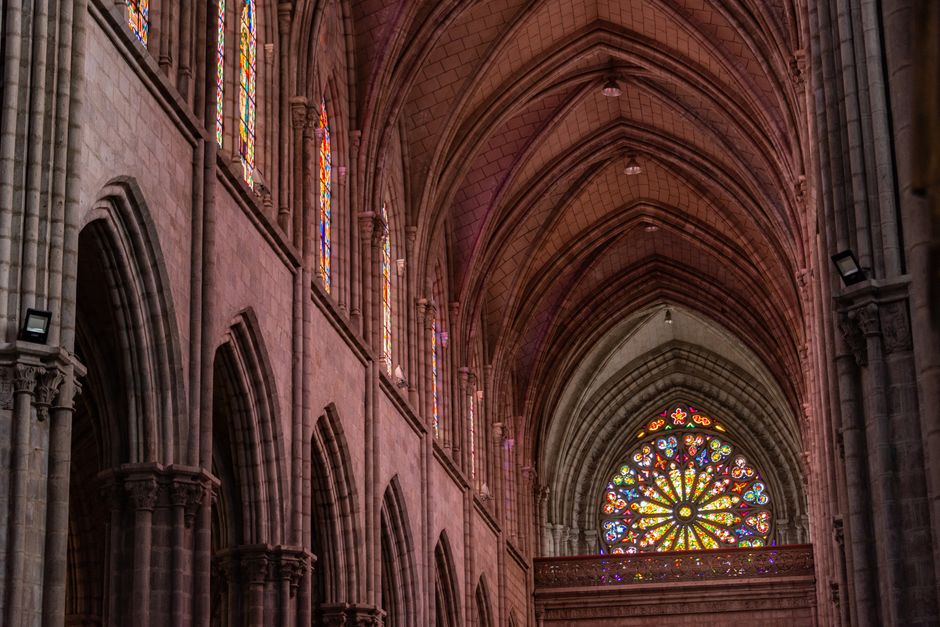
Interior of a neo-gothic cathedral featuring stunning stained glass rose wi…, Tulcán, Ecuador
| Category | Budget | Mid-range | Luxury |
|---|---|---|---|
| Accommodation | $15-$25 (hostel/basic hotel) | $40-$70 (comfortable hotel w/ breakfast) | $100+ (best hotel in city) |
| Meals | $5-$8 (almuerzo set lunch) | $10-$20 (restaurant dinner) | $25+ (fine dining experience) |
| Transport | $2-$4 (local taxis/bus) | $30 (day car rental) | $80+ (private driver for day) |
| Activities | $0-$5 (cemetery/museums) | $15-$30 (guided tour) | $50+ (private cultural tour) |
| Daily Total | $25-$40 | $70-$120 | $200+ |
Top Attractions and Must-See Sights
| Attraction | Description | Hours | Entry Fee |
|---|---|---|---|
| Cementerio Municipal de Tulcán | The world-renowned topiary cemetery, a living sculpture garden of cypress trees. | 8:00 AM – 6:00 PM Daily | Free (Donation appreciated) |
| Parque Ayora & Catedral | The city’s main square, perfect for people-watching and admiring the neo-Gothic cathedral. | 24/7 (Cathedral: 7 AM-7 PM) | Free |
| Rumichaca Bridge (Border) | The international bridge connecting Ecuador to Colombia, a hub of cross-border commerce. | 24/7 (Border: 6 AM-10 PM) | Free |
| Museo del Instituto Tulcán | A small but fascinating museum showcasing regional archaeology and history. | Mon-Fri, 9 AM – 1 PM & 3 PM – 5 PM | $1 |
3-Day Itinerary: Tulcán, Ecuador’s Highlights & Hidden Gems
Day 1: Topiary Wonders & City Soul
- Morning (8:00 AM): Start at the **Cementerio Municipal**. Spend an hour marveling at the topiary. Look for the sculptures of animals and the Andean condor.
- Afternoon (12:30 PM): Head to **Parque Ayora**. Have lunch at **Restaurant Mirador** (Calle Sucre) for their *seco de chivo* (goat stew). Explore the Catedral de San Miguel Arcángel.
- Evening (6:30 PM): Enjoy a relaxed dinner at **El Fogón de los Andes** (Av. Manabí) for authentic *cuy asado*. Take a post-dinner stroll around the illuminated park.
Day 2: Border Culture & Local Flavors
- Morning (9:00 AM): Take a taxi ($4) to the **Rumichaca Bridge**. You can walk up to the border line (bring your passport). Observe the vibrant market activity.
- Afternoon (1:00 PM): Return to town for lunch at **Heladería Tulcán** (near the park) for a unique savory lunch and their famous artisanal ice cream. Visit the **Museo del Instituto Tulcán**.
- Evening (7:00 PM): Experience local nightlife at a *peña* (folk music club) if one is scheduled—ask your hotel. Otherwise, dine at **Pizzería La Nonna** for a cozy Italian-Ecuadorian fusion.
Day 3: Andean Landscapes & Artisan Crafts
- Morning (8:30 AM): Hire a taxi for a 30-minute trip ($15 round-trip) to **Mirador de la Virgen**, a hilltop viewpoint offering panoramic city and valley views.
- Afternoon (12:00 PM): Visit the **Mercado Central** for lunch at a food stall—try *fritada* (fried pork). Browse for local wool *ponchos* and handicrafts.
- Evening (5:00 PM): Your final stop: a return visit to the cemetery in the golden afternoon light. Then, a farewell dinner at **Chifa Long Sing** (Av. Pichincha) for excellent Ecuadorian-Chinese cuisine.
Cultural Insights & Etiquette
- Language: Spanish is essential. Key phrases: “Buenos días” (Good morning), “¿Cuánto cuesta?” (How much?), “Gracias” (Thank you). English is not widely spoken.
- Customs: Greetings are important; a handshake is standard. Always ask permission before photographing people, especially in the market or at the border.
- Tipping: A 10% service charge is often included in restaurant bills. For exceptional service, an extra 5% is appreciated. Tip taxi drivers by rounding up the fare.
- Dress Code: Dress in layers for changing weather. Modest attire is respectful, especially when visiting churches. Comfortable walking shoes are a must.
- Business Hours: Typical hours are 9 AM-1 PM and 3 PM-7 PM, with a long lunch break. Many shops close on Sundays.
Where to Eat: Tulcán, Ecuador’s Best Bites
Tulcán’s cuisine is hearty Andean fare, influenced by its border location. Meals are centered on potatoes, corn, pork, and chicken. Savvy visitors know to look for the *almuerzo* (set lunch) for incredible value.
Must-Try Local Specialties
- Cuy Asado: Whole roasted guinea pig, a ceremonial dish. For the authentic experience, try it at **El Fogón de los Andes** or during local festivals.
- Fritada: Crispy fried pork served with *mote* (hominy), llapingachos (potato patties), and avocado. Best found in the **Mercado Central** food court.
- Helados de Paila: Artisanal ice cream made in copper pots. **Heladería Tulcán** is the legendary, family-run spot that has been making it for decades.
Restaurant Recommendations by Budget
| Type | Restaurant | Specialty | Price Range |
|---|---|---|---|
| Budget | Mercado Central Food Stalls (Central Market) | Fritada, Seco de Pollo | $3-$6 |
| Mid-range | Restaurant Mirador (Calle Sucre) | Traditional Ecuadorian stews & grilled meats | $8-$15 |
| Fine dining | La Casona (Av. Pichincha) | Upscale Andean fusion cuisine | $18-$30 |
Where to Stay
Accommodation in Tulcán is functional and offers good value. Most hotels are clustered near the central park or along the main avenues. For a more local feel, consider an Airbnb in a residential area. Compare prices and book at Booking.com or Airbnb for apartments.
Best Neighborhoods for Accommodation
- Centro Histórico (Parque Ayora): Walkable to all main sights, restaurants, and the cemetery. Can be noisier. Perfect for first-time visitors.
- Avenida Pichincha: A main commercial artery with modern hotels, banks, and eateries. Slightly removed from the center but well-connected by taxi.
- Residential Areas (e.g., near Universidad): Quieter, more local atmosphere. You’ll need taxis to get around, but prices are lower.

Artistic silhouette of a modern sculpture in Quito, Tulcán, Ecuador
FAQs: Your Tulcán, Ecuador Questions Answered
1. Is Tulcán, Ecuador safe at night?
The city center around Parque Ayora is generally safe for travelers at night, but as with any border city, it’s wise to take precautions. Stick to well-lit main streets, avoid displaying valuables, and use registered taxis after dark. The border area should be visited during daylight hours only.
2. What currency is used and are credit cards accepted?
Ecuador uses the US Dollar ($). Credit cards (Visa/Mastercard) are accepted in larger hotels and restaurants, but cash is king in markets, taxis, and smaller establishments. It’s best to carry small bills ($1, $5, $10). ATMs are available around Parque Ayora.
3. How do I get from the airport to the city center?
From Quito’s airport (UIO), take a taxi to the Terminal Terrestre de Carcelén bus station ($12-15, 45 mins). From there, buses to Tulcán depart every 30 minutes ($8-10, 3.5 hours). A private transfer from the airport directly to Tulcán costs $80-$120. Book airport transfers at GetYourGuide for convenience.
4. Do I need to speak the local language?
Yes, basic Spanish is highly recommended. Very little English is spoken outside of major hotel reception desks. Learning a few key phrases will greatly enhance your experience and is appreciated by locals. Consider a translation app for more complex conversations.
5. What’s the appropriate dress code?
Dress for cool, changeable weather. Layers are essential—a t-shirt, sweater, and a light jacket. For visiting churches, avoid shorts and sleeveless tops. Comfortable, closed-toe walking shoes are non-negotiable for exploring the city’s hilly streets and the cemetery’s pathways.
Final Thoughts: Tulcán, Ecuador Awaits
Tulcán offers a uniquely authentic slice of Andean life, far from the standard tourist trail. It’s a place where artistry is cultivated in cypress trees, where the pulse of international trade beats at a mountain bridge, and where hearty, traditional food warms you against the highland chill. Travelers often discover that its true charm lies in its quiet authenticity and the pride of its people. Your best bet is to embrace it as a cultural deep-dive rather than a checklist destination. Don’t leave without spending a quiet moment in the topiary cemetery—it’s a living testament to patience, creativity, and memory that you won’t find anywhere else on Earth.
Related Guides
Explore more destinations similar to Tulcán:

