
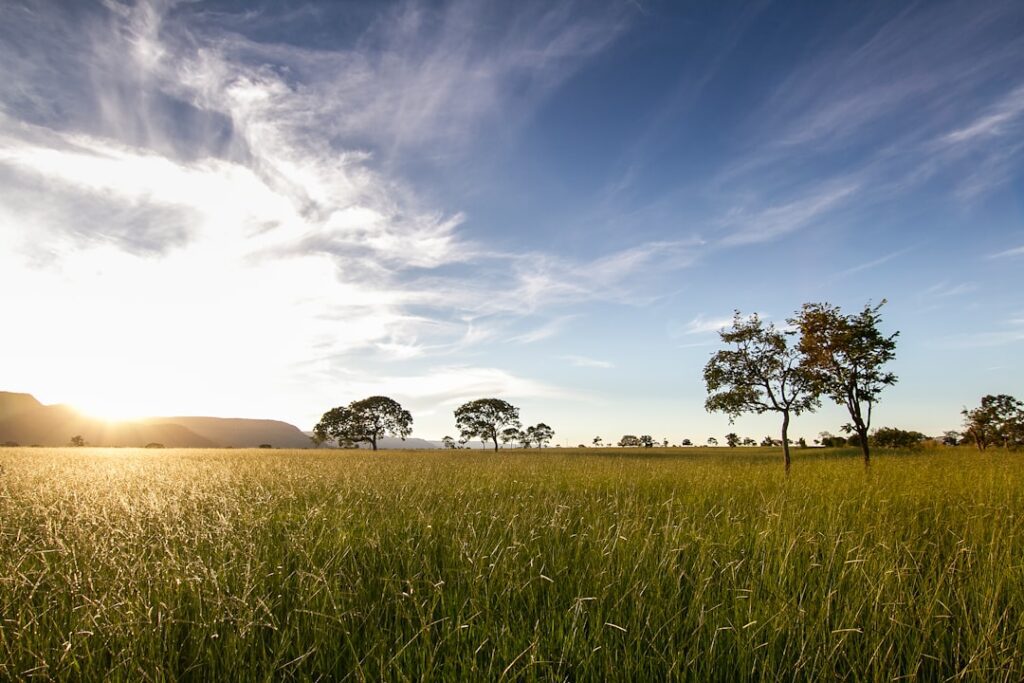
Goiânia, Brazil’s Best Art Deco, Cerrado Cuisine & Sertanejo Soul (2025)
While crowds flock to Rio’s beaches or São Paulo’s skyscrapers, Goiânia delivers the authentic, welcoming heart of Brazil’s interior without the frantic pace and inflated prices. Planned from scratch in 1933 as a utopian garden city, its wide, tree-lined avenues and over 30 public parks offer a breath of fresh air. Here, you’ll discover a capital city where the rhythm is set by *sertanejo* music, the plates are piled with *pequi* and *pamonha*, and the architecture is a stunning, sun-bleached time capsule of 20th-century optimism.
Why Goiânia, Brazil Stands Out

Blue and yellow air plane on green grass field under white cloudy sky durin…, Goiânia, Brazil
- Historic Architecture: The iconic Praça Cívica and its surrounding buildings, constructed in the 1930s and 40s, form one of Latin America’s largest and most cohesive collections of Art Deco and Streamline Moderne architecture.
- Cultural Scene: The city pulses to the sound of Sertanejo, Brazil’s country music, best experienced live at a *festinha* (little party) or during the massive Goiânia Noise festival.
- Local Specialties: You must try Pequi, the fragrant, saffron-colored fruit of the Cerrado savanna, typically cooked with chicken or rice—just heed the local warning: bite around the hidden spines!
Pro Tip: Visit during the dry season, from May to September, for perfect sunny days. To avoid the peak heat, plan your outdoor explorations for early mornings or late afternoons, and you’ll have the city’s beautiful parks, like Vaca Brava and Areião, almost to yourself.
Map of Goiânia, Brazil
Use these interactive maps to explore Goiânia, Brazil and plan your route:
📍 View Goiânia, Brazil on OpenStreetMap
🗺️ Open Goiânia, Brazil in Google Maps
Planning Your Trip: Practical Essentials
Getting There and Around
- By Air: Santa Genoveva Airport (GYN) connects to major Brazilian hubs like São Paulo, Brasília, and Rio via Azul, Gol, and LATAM. A taxi to the city center takes 20 minutes and costs around R$40-50. Book flights at Skyscanner for best deals.
- By Train: Passenger rail service is not available. The primary intercity connections are by comfortable, affordable coach buses from companies like Viação São Luiz.
- By Car: Driving is straightforward with well-maintained highways like BR-060. Downtown parking can be tricky; your best bet is paid lots (*estacionamentos*). Compare car rentals at RentalCars.com.
- Local Transport: The city bus system is extensive and cheap (R$4.50 per ride). For convenience, use ride-hailing apps like Uber or 99, which are very affordable and efficient for getting around neighborhoods.
Best Time to Visit
Goiânia enjoys a tropical savanna climate with two distinct seasons: a warm, rainy summer and a pleasantly dry, sunny winter. The dry season offers the most comfortable conditions for exploration.
| Season | Weather | Highlights |
|---|---|---|
| Dry/Winter (May–Sep) | Sunny, low humidity, 20°C to 30°C (68°F to 86°F). Nights can be cool. | Ideal for park visits, walking tours, and outdoor dining. Peak festival season in June and July. |
| Rainy/Summer (Oct–Apr) | Hot, humid, 22°C to 35°C (72°F to 95°F). Afternoon thunderstorms are common. | Lush, green landscapes. Lower tourist numbers. Great for experiencing local life in shopping malls and cultural centers. |
| Shoulder (Apr/Oct) | Transitional, warm with sporadic rain. | Good hotel deals, mild weather, and a balance between dry and green scenery. |
Budgeting for Goiânia, Brazil

A white cat with blue eyes, Goiânia, Brazil
| Category | Budget | Mid-range | Luxury |
|---|---|---|---|
| Accommodation | Hostel/R$80-150 per night | 3-star hotel/R$200-350 per night | 5-star hotel/R$500+ per night |
| Meals | Street food & lanchonetes/R$15-30 | Local restaurants/R$40-80 per meal | Fine dining/R$120+ per meal |
| Transport | City bus/R$4.50 per ride | Uber/Taxi (short trips)/R$15-30 | Private driver/R$80+ per hour |
| Activities | Free parks & museums | Guided tours/R$50-100 | Spa days, private tours |
| Daily Total | R$150-250 | R$350-550 | R$700+ |
Top Attractions and Must-See Sights
| Attraction | Description | Hours | Entry Fee |
|---|---|---|---|
| Praça Cívica & Palácio das Esmeraldas | The administrative and architectural heart of the city, featuring the stunning Art Deco governor’s palace. | Palace exterior viewable 24/7; interior by appointment. | Free |
| Museu de Arte de Goiânia (MAC) | Housed in a beautiful Oscar Niemeyer-designed building in Bosque dos Buritis park, showcasing modern Brazilian art. | Tue-Fri 9am-5pm, Sat-Sun 10am-4pm | Free |
| Parque Vaca Brava | A beloved urban oasis with a running track, lake, and some of the city’s best cafes and restaurants along its edge. | 5am-10pm daily | Free |
| Feira da Lua (Hippie Fair) | The massive Sunday open-air market in Praça Tamandaré, a spectacle of handicrafts, food, and live music. | Sun 7am-1pm | Free (pay for purchases) |
3-Day Itinerary: Goiânia, Brazil’s Highlights & Hidden Gems
Day 1: Art Deco Heart & Cerrado Flavors
- Morning (8 AM): Start with a coffee and *pão de queijo* at Doçaria e Cafeteria Dona Cida in Setor Bueno. Then, take a self-guided walking tour of the Praça Cívica and the surrounding Setor Central, admiring the facades of the Coreto, the Palace of Emeralds, and the old train station.
- Afternoon (12:30 PM): Head to Mercado da 74 for lunch. Grab a seat at Bar do Zé for an authentic *prato feito* (plate of the day) or a juicy steak. After, browse the market stalls for local cachaças and Cerrado honey.
- Evening (6 PM): Enjoy the sunset stroll around Parque Vaca Brava. For dinner, savor traditional Goiana cuisine at Dona Dê, ordering the *galinhada com pequi* (chicken rice with pequi) and a side of *guariroba* (heart of palm) salad.
Day 2: Culture, Parks & Sertanejo Nights
- Morning (9 AM): Visit the Museu de Arte de Goiânia (MAC) in Bosque dos Buritis. Then, walk through the park to the Monumento às Três Raças, symbolizing the city’s cultural heritage.
- Afternoon (1 PM): Have lunch at Empório Santo Antônio, a charming spot known for its generous portions of pasta and Brazilian classics. Then, explore the upscale boutiques and design stores in the Setor Marista neighborhood.
- Evening (8 PM): Experience true local nightlife at a *sertanejo* bar. Bar do Careca or Boteco do Português are legendary for cold beer, *petiscos* (bar snacks), and live music that gets the whole crowd singing along.
Day 3: Market Day & Panoramic Views
- Morning (7 AM): Dive into the sensory overload of the Feira da Lua (Hippie Fair). Browse leather goods, wood carvings, and hammocks. Don’t miss the food stalls for a breakfast of *pastel* (fried pastry) and sugarcane juice.
- Afternoon (12 PM): Take a short Uber ride (R$15) to Parque Areião, a vast native Cerrado reserve perfect for a shaded hike. For lunch, stop at Churrascaria e Pizzaria Baggio near the park for excellent rodizio pizza.
- Evening (6 PM): For your final evening, head to the Alameda das Rosas in Setor Oeste, a street lined with vibrant bars and restaurants. Enjoy a farewell dinner at Quintal do Sabor before a craft beer at Cervejaria Way Beer.
Cultural Insights & Etiquette
- Language: Portuguese is essential. Learn basics: *Bom dia* (Good morning), *Obrigado/a* (Thank you), *Por favor* (Please). English is not widely spoken, so a translation app is savvy traveler’s best friend.
- Customs: Goianos are famously friendly and relaxed. Greetings are important—a handshake or, among friends, a cheek kiss (usually one) is standard. Meals are social events; don’t rush.
- Tipping: A 10% service charge (*serviço*) is often included on the bill. It’s customary to leave it, but you can add a little extra for exceptional service. For taxis, rounding up is fine.
- Dress Code: Casual and comfortable rules, but Goianos dress neatly. Shorts and t-shirts are fine for daytime. For nicer restaurants and bars at night, smart casual (clean jeans, collared shirts, dresses) is appropriate.
- Business Hours: Shops generally open 9am-6pm, closing for a few hours around lunch. Malls stay open until 10pm. Most museums are closed on Mondays.
Where to Eat: Goiânia, Brazil’s Best Bites
Goiânia’s food scene is a celebration of the Cerrado biome and Brazilian comfort food. Dining is a leisurely, communal affair. You’ll find everything from bustling *botecos* (bars) serving *petiscos* to sophisticated restaurants reinterpreting regional ingredients.
Must-Try Local Specialties
- Pequi: The iconic, fragrant fruit. It’s almost always cooked. Try it in *arroz com pequi* (rice) or *galinhada* (chicken stew). Heed the universal advice: eat the soft pulp, not the hard core with its tiny spines. Find it at traditional restaurants like Dona Dê.
- Pamonha: A fresh corn paste, often mixed with cheese or meat, wrapped in corn husks and boiled. It’s a creamy, savory delight. The best are found at roadside stalls or specialty shops like Pamonharia da 44.
- Empadão Goiano: A hearty, deep-dish pie filled with chicken, sausage, cheese, *guariroba*, and often pequi. It’s a meal in itself. Empório Santo Antônio serves a legendary version.
Restaurant Recommendations by Budget
| Type | Restaurant | Specialty | Price Range |
|---|---|---|---|
| Budget | Bar do Zé (Mercado da 74) | Classic *prato feito* lunch plates and cold beer in a lively market setting. | R$20-40 |
| Mid-range | Quintal do Sabor (Setor Oeste) | Creative takes on Goiana cuisine in a charming, rustic-themed space. | R$50-90 |
| Fine dining | Capim Dourado (Inside Hotel Sibara) | Elegant, contemporary Brazilian cuisine with Cerrado ingredients, offering a refined tasting menu. | R$150+ |
Where to Stay
Accommodation is centered around key commercial sectors. Setor Bueno and Setor Marista are ideal for dining and shopping, while Setor Oeste offers a more residential, local feel. Compare prices and book at Booking.com or Airbnb for apartments.
Best Neighborhoods for Accommodation
- Setor Marista: Upscale, leafy, and safe. Packed with excellent restaurants, cafes, and boutiques. Ideal for travelers seeking comfort, great food, and a central location. Slightly higher price point.
- Setor Bueno: Vibrant and commercial. The heart of the city’s nightlife and casual dining scene. Perfect for those who want to be in the middle of the action, with easy access to bars and bakeries.
- Setor Oeste (near Alameda das Rosas): A trendy, residential area known for its concentration of gourmet restaurants and chic bars. Offers a more local, neighborhood vibe while still being close to amenities.

A man wearing a helmet and carrying a bag, Goiânia, Brazil
FAQs: Your Goiânia, Brazil Questions Answered
1. Is Goiânia, Brazil safe at night?
Goiânia is generally safer than Brazil’s coastal megacities. Standard precautions apply: stick to well-lit, populated areas like Setor Marista, Setor Bueno, or Alameda das Rosas at night. Use ride-hailing apps instead of walking long distances after dark, and avoid displaying expensive jewelry or electronics. The parks are not recommended after sunset.
2. What currency is used and are credit cards accepted?
The Brazilian Real (R$) is the currency. Credit and debit cards (Visa, Mastercard) are widely accepted in hotels, restaurants, and shops. However, it’s wise to carry some cash (R$50-100) for small markets, street vendors, taxis, and the Hippie Fair. ATMs (*caixas eletrônicos*) are readily available.
3. How do I get from the airport to the city center?
Santa Genoveva Airport (
Explore More Destinations
- Jozani, Tanzania on a Budget: an Ancient Forest for $35/Day (2026)
- Nsumbu, Zambia on a Budget: Wild Africa for $40/Day (2026)
- Semporna, Malaysia on a Budget: Paradise for $35/Day (2026)
- Khuzestan, Iran on a Budget: Ancient Empires for $30/Day (2026)
- Ngerulmud, Palau on a Budget: Island Majesty for $45/Day (2026)
Ready to Visit Goiânia?
Start planning your trip today. Compare hotels, find the best tours, and get insider tips.
Your adventure in Goiânia starts here →
{“@context”: “https://schema.org”, “@type”: “FAQPage”, “mainEntity”: [{“@type”: “Question”, “name”: “What is the best time to visit Goiu00e2nia?”, “acceptedAnswer”: {“@type”: “Answer”, “text”: “The best time to visit Goiu00e2nia depends on your preferences. Generally, the dry season offers the most pleasant weather for sightseeing and outdoor activities.”}}, {“@type”: “Question”, “name”: “How many days do I need in Goiu00e2nia?”, “acceptedAnswer”: {“@type”: “Answer”, “text”: “Most travelers spend 3-5 days in Goiu00e2nia to see the main attractions. A week allows for a more relaxed pace and day trips.”}}, {“@type”: “Question”, “name”: “Is Goiu00e2nia expensive to visit?”, “acceptedAnswer”: {“@type”: “Answer”, “text”: “Goiu00e2nia can be visited on various budgets. Accommodation ranges from hostels to luxury hotels, and local restaurants offer affordable dining.”}}]}
Related Guides
Explore more destinations similar to Goiânia:
- Sintra’s Best Palaces, Pastries & Mystical Forests (2025)
- Bardiyah, Libya’s Best Mediterranean Beaches, Ancient Ruins & Bedouin Culture (2025)
- Penglipuran Travel Guide : Best Time to Visit & 5 Insider Tips
- Moulay Bousselham, Morocco: Best Lagoon Sunsets, Birdwatching & Authentic Coastal Living (2025)

