
Hajar Mountains, Oman’s Essential Canyons, Forts & Starlit Silence (2025)
Sunrise in the Hajar Mountains reveals a landscape of impossible geometry: 300-million-year-old limestone folded into jagged peaks that scrape a cobalt sky, while hidden wadis cradle emerald-green date palm oases. The air carries the scent of wild thyme and the distant call to prayer from a village clinging to a cliffside. This is Arabia’s dramatic backbone, a realm of raw, untamed beauty where adventure is measured in canyon depths and centuries of history are etched into stone.
Why Hajar Mountains, Oman Stands Out

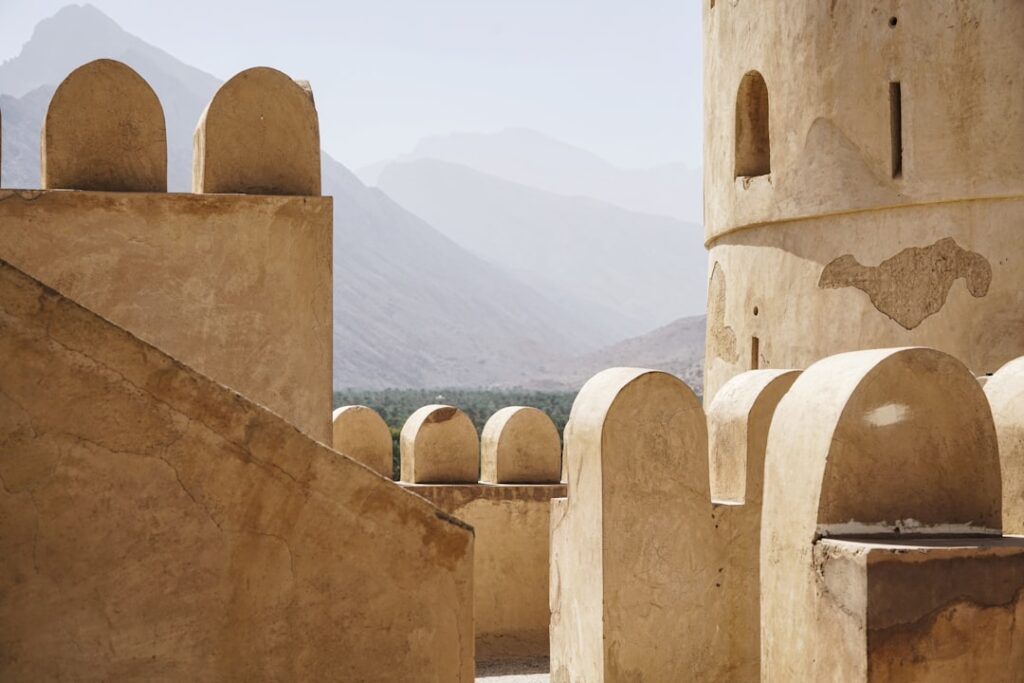
Beige concrete building, Hajar Mountains, Oman
- Historic Architecture: The 17th-century Nizwa Fort, with its colossal 40-meter-wide circular tower, stands as a formidable symbol of Omani military ingenuity and regional power.
- Cultural Scene: The weekly Nizwa Goat Market (Friday mornings) is a vibrant, centuries-old tradition of animal trading and local commerce, offering an unfiltered glimpse into mountain life.
- Local Specialties: Don’t miss Shuwa, a celebratory dish of marinated lamb slow-cooked for up to 48 hours in an underground sand oven, infusing it with incredible tenderness and spice.
Pro Tip: The absolute best time for hiking and exploring is from late October to early April. For photography, aim to be at key viewpoints like Jebel Shams’ rim for the “Golden Hour” just after sunrise or before sunset, when the light paints the canyon walls in breathtaking hues of orange and red.
Map of Hajar Mountains, Oman
Use these interactive maps to explore Hajar Mountains, Oman and plan your route:
📍 View Hajar Mountains, Oman on OpenStreetMap
🗺️ Open Hajar Mountains, Oman in Google Maps
Planning Your Trip: Practical Essentials
Getting There and Around
- By Air: Fly into Muscat International Airport (MCT), served by Oman Air, Emirates, and others. The drive to the central Hajar region (Nizwa) takes about 1.5-2 hours. Book flights at Skyscanner for best deals.
- By Train: Oman has no passenger rail network. All travel within the country is by road.
- By Car: A 4×4 vehicle is essential for exploring beyond main towns. Roads like the spectacular “Balcony Walk” track to villages require high clearance. Rentals in Muscat start from ~25 OMR/day. Compare car rentals at RentalCars.com.
- Local Transport: There is minimal public transport. Your best bet is a rented car or hiring a local driver/guide for the day (approx. 60-80 OMR).
Best Time to Visit
The Hajars are a year-round destination, but your experience is dictated by the season. The cool winter months are ideal for active exploration, while summer is best for cultural visits in air-conditioned comfort.
| Season | Weather | Highlights |
|---|---|---|
| Summer (Jun–Aug) | Extremely hot (35°C-45°C+). Dry and sunny. | Perfect for early morning fort visits and indoor cultural sites. Very few tourists. Hiking is not advised. |
| Winter (Dec–Feb) | Pleasant days (20°C-25°C), cool nights (can drop to 5°C). Clear skies. | Prime season for hiking, camping, and canyon exploration. Busiest period, especially around holidays. |
| Shoulder (Apr–May/Sep–Oct) | Warm to hot (25°C-35°C). Evenings are comfortable. | Great balance of good weather and smaller crowds. Ideal for a mix of light activity and cultural touring. |
Budgeting for Hajar Mountains, Oman

Desert town with mountains and a busy road, Hajar Mountains, Oman
| Category | Budget | Mid-range | Luxury |
|---|---|---|---|
| Accommodation | 15-25 OMR (basic guesthouse) | 40-70 OMR (boutique hotel/desert camp) | 100+ OMR (luxury eco-resort) |
| Meals | 5-8 OMR (local cafes, shawarma) | 10-15 OMR (restaurant meals) | 25+ OMR (fine dining) |
| Transport | 8-10 OMR (fuel share in a group) | 25 OMR (daily 4×4 rental) | 80 OMR (private driver/guide) |
| Activities | Free (hiking, village walks) | 2-5 OMR (fort entries, guided tours) | 50+ OMR (private canyon tours) |
| Daily Total | ~30-45 OMR | ~80-115 OMR | ~200+ OMR |
Top Attractions and Must-See Sights
| Attraction | Description | Hours | Entry Fee |
|---|---|---|---|
| Jebel Shams & the “Grand Canyon of Arabia” | Oman’s highest peak (3,009m) offering dizzying views into Wadi Ghul, a 1,000-meter-deep canyon. | 24/7 (access road) | Free |
| Nizwa Fort & Souq | A majestic 17th-century fortification with a massive circular tower, overlooking a traditional souq famous for silver and daggers. | Sat-Thu 8am-8pm, Fri 8am-11:30am & 1:30pm-8pm | 5 OMR (Fort & Museum) |
| Wadi Bani Khalid | A stunning desert oasis with permanent turquoise pools, perfect for a refreshing swim amid dramatic rock formations. | Daylight hours | Free (small parking fee) |
| Misfat al Abriyeen | A breathtakingly beautiful mountain village where ancient stone houses cling to cliffs above a lush, falaj-irrigated date plantation. | Daylight hours (be respectful of residents) | Free |
3-Day Itinerary: Hajar Mountains, Oman’s Highlights & Hidden Gems
Day 1: Forts, Souqs & Ancient Capitals
- Morning (7-9 AM): Arrive early at Nizwa Fort to beat the heat and crowds. Climb the central tower for panoramic views and explore the labyrinthine rooms and deadly *murder holes*. Your best bet is to hire the on-site audio guide for 1 OMR for rich historical context.
- Afternoon (12-3 PM): Wander the adjacent Nizwa Souq. For an authentic lunch, head to Bin Ateeq (near the fort) for a massive, shareable platter of Mandi (spiced rice with meat). Then, drive 30 minutes to the imposing Jabrin Castle (entry 3 OMR), a 17th-century palace-celebrated for its intricate ceiling paintings and atmospheric rooms.
- Evening (6-8 PM): Check into a heritage guesthouse in Nizwa or the nearby town of Bahla. For dinner, savor traditional Omani cuisine at Al Diyar Restaurant in Nizwa, known for its fresh grilled fish and mezze.
Day 2: Peaks, Canyons & Cliffside Villages
- Morning (6 AM): Depart early for Jebel Shams (2-hour drive from Nizwa). Fuel up with a packed breakfast. Hike the iconic Balcony Walk (W6 trail), a 4-5 hour round-trip, moderately challenging path along the rim of Wadi Ghul with heart-stopping views to the abandoned village of As Sab.
- Afternoon (1 PM): Enjoy a picnic lunch with a view on the trail. After descending, drive to the enchanting village of Misfat al Abriyeen. Park at the entrance and walk through its ancient, shaded alleyways and thriving terraced farms.
- Evening (6 PM): Stay overnight at the Misfah Old House guesthouse (booking essential) for a truly immersive experience. Dine on the rooftop under a blanket of stars, enjoying a home-cooked meal prepared by your hosts.
Day 3: Oasis Serenity & Return to Reality
- Morning (8 AM): After a village breakfast, drive 2.5 hours to the spectacular Wadi Bani Khalid. Arrive by 10:30 AM to secure a good spot by the main pools. The water is cool and irresistibly clear.
- Afternoon (12 PM): Swim upstream to find quieter pools and small caves. For lunch, the Wadi Bani Khalid Restaurant by the parking area offers simple grilled chicken and rice with fantastic wadi views.
- Evening (3 PM): Begin the scenic drive back towards Muscat (approx. 2.5-3 hours). As a final farewell, stop for a cup of strong Omani *kahwa* (coffee with cardamom) at a roadside cafe, watching the mountain shadows grow long.
Cultural Insights & Etiquette
- Language: Arabic is official. English is widely understood in tourism. Learn “As-salamu alaykum” (hello), “Shukran” (thank you), and “Ma’assalama” (goodbye).
- Customs: Always use your right hand for eating, greeting, and exchanging money. Public displays of affection are frowned upon. When visiting villages, dress conservatively and ask permission before photographing people.
- Tipping: Not mandatory but appreciated. In restaurants, 5-10% for good service is generous. For guides, 5-10 OMR per day is standard.
- Dress Code: Modesty is key. For both men and women, clothing should cover shoulders and knees. Lightweight, loose-fitting fabrics are ideal for the climate.
- Business Hours: Government hours: 7:30 AM – 2:30 PM, Sat-Wed. Souqs are open mornings and evenings, often closed midday. Most shops close for Friday prayers (11:30 AM – 1:30 PM).
Where to Eat: Hajar Mountains, Oman’s Best Bites
Omani cuisine is a fragrant blend of Arabian, Persian, and Indian influences, centered on rice, meat (lamb, chicken, goat), fish, and dates. Dining is often a communal, shared experience. Don’t just look for restaurants; some of the best meals are in local homes or simple roadside eateries.
Must-Try Local Specialties
- Shuwa: The national celebratory dish. You must order it a day in advance at specialized restaurants like Al Khayran Restaurant in Nizwa.
- Majboos/Mandi: Spiced rice with tender, slow-cooked meat (usually chicken or lamb). Bin Ateeq is a reliable chain found in most towns.
- Halwa: A sticky, gelatinous sweet made from rosewater, saffron, nuts, and sugar. The best is found in Nizwa Souq, sold by weight from large communal pots.
Restaurant Recommendations by Budget
| Type | Restaurant | Specialty | Price Range |
|---|---|---|---|
| Budget | Al-Masharef Cafeteria, Nizwa | Fresh, cheap shawarma and grilled chicken | 1-3 OMR |
| Mid-range | Jibreen House Restaurant, near Jabrin | Atmospheric setting in a palm grove, excellent mixed grills | 8-12 OMR |
| Fine dining | The View Restaurant, Jebel Shams Resort | International/Omani fusion with unparalleled canyon views | 20+ OMR |
Where to Stay
Accommodation ranges from basic guesthouses to stunning eco-resorts. Staying in a heritage house in a mountain village is a highlight. Compare prices and book at Booking.com or Airbnb for apartments.
Best Neighborhoods for Accommodation
- Nizwa/Bahla: The cultural heart. Perfect for exploring forts and souqs. Offers a range from hotels to guesthouses. Central but less scenic than mountain villages.
- Jebel Shams/Al Hamra: For adventurers and stargazers. Options include the luxurious Jebel Shams Resort, basic mountain huts, and guesthouses in Al Hamra town, home to Oman’s oldest inhabited mud-brick houses.
- Misfat al Abriyeen & Surrounding Villages: For an authentic, immersive experience. Book well ahead for unique stays like Misfah Old House or Al Jood B&B. You’ll trade modern amenities for unforgettable hospitality and scenery.

Stunning aerial view of Muscat, Hajar Mountains, Oman
FAQs: Your Hajar Mountains, Oman Questions Answered
1. Is Hajar Mountains, Oman safe at night?
Extremely safe. Oman has very low crime rates. The primary concerns at night are navigational: mountain roads are dark, unlit, and can be tricky. Avoid driving off-road after sunset unless you are very experienced.
2. What currency is used and are credit cards accepted?
The currency is the Omani Rial (OMR). 1 OMR ≈ 2.60 USD. Credit cards are widely accepted in hotels, resorts, and larger restaurants. However, you must carry cash (small notes) for souqs, village purchases, fuel stations in remote areas, and smaller cafes.
3. How do I get from the airport to the Hajar Mountains?
Muscat International Airport is your gateway. Pre-book a rental car (essential) for pickup at the airport. Alternatively, pre-arrange a private transfer to your first mountain destination (Nizwa is a common start point), which costs approx. 40-50 OMR. Book airport transfers at GetYourGuide for convenience.
4. Do I need to speak the local language?
No. English is commonly spoken in the tourism sector (hotels, tour guides, main restaurants). In remote villages, communication may be through gestures and smiles, which is part of the charm. Learning a few Arabic greetings is deeply appreciated.
5. What’s the appropriate dress code for hiking?
Even when hiking, modesty is advised. Lightweight, long-sleeved shirts and full-length hiking trousers are culturally respectful and also provide excellent protection from the sun. A hat, sunglasses, and high-SPF sunscreen are non-negotiable.
Final Thoughts: Hajar Mountains, Oman Awaits
The Hajar Mountains offer more
{“@context”: “https://schema.org”, “@type”: “FAQPage”, “mainEntity”: [{“@type”: “Question”, “name”: “What is the best time to visit Hajar Mountains?”, “acceptedAnswer”: {“@type”: “Answer”, “text”: “The best time to visit Hajar Mountains depends on your preferences. Generally, the dry season offers the most pleasant weather for sightseeing and outdoor activities.”}}, {“@type”: “Question”, “name”: “How many days do I need in Hajar Mountains?”, “acceptedAnswer”: {“@type”: “Answer”, “text”: “Most travelers spend 3-5 days in Hajar Mountains to see the main attractions. A week allows for a more relaxed pace and day trips.”}}, {“@type”: “Question”, “name”: “Is Hajar Mountains expensive to visit?”, “acceptedAnswer”: {“@type”: “Answer”, “text”: “Hajar Mountains can be visited on various budgets. Accommodation ranges from hostels to luxury hotels, and local restaurants offer affordable dining.”}}]}
Related Guides
Explore more destinations similar to Hajar Mountains:
- Sighisoara, Romania’s Hidden Citadels, Legends & Saxon Heritage (2025)
- Antigua Guatemala, Guatemala: Essential Colonial Charm, Volcanic Hikes & Coffee Culture (2025)
- Korčula, Croatia’s Best Venetian Walls, Marco Polo & Adriatic Sunsets (2025)
- Koh Tachai, Thailand’s Best Pristine Reefs, Powder Sand & Protected Paradise (2026)

