
Tadoba Andhari Tiger Reserve, India: Amazing Tigers, Teak Forests & Tribal Heritage (2025)
While crowds jostle for a glimpse of a tiger in Ranthambore or Bandhavgarh, Tadoba Andhari Tiger Reserve delivers India’s highest tiger density—over 115 individuals in 1,727 square kilometers—with a fraction of the safari vehicle traffic. Here, your best bet for a sighting isn’t just luck; it’s a statistical probability, played out in a landscape of ancient teak, serene lakes, and the whispers of the Gond tribal communities who have lived alongside these forests for centuries.
Why Tadoba Andhari Tiger Reserve, India Stands Out

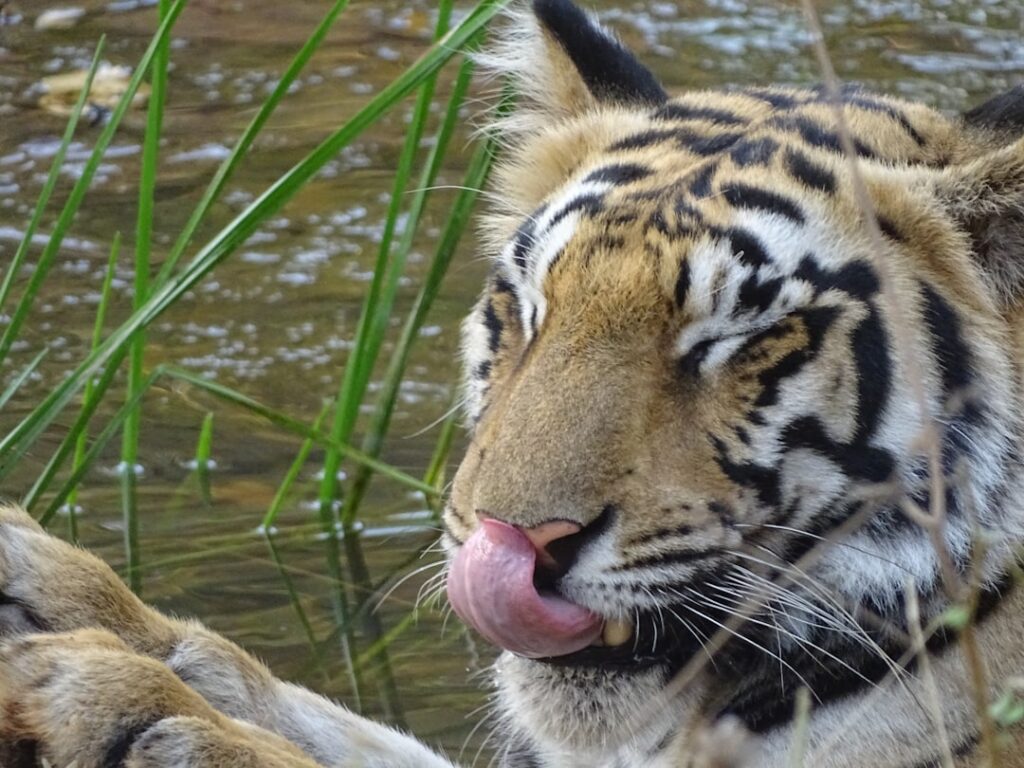
A stunning Bengal tiger resting in the lush Tadoba forest, Tadoba Andhari Tiger Reserve, India
- Historic Architecture: The 14th-century Erai Dam, built by Gond kings, isn’t just a water source; it’s a scenic wildlife magnet where herds gather at sunset.
- Cultural Scene: The vibrant Madai Festival, celebrated by local Gond and Maria tribes near the reserve with traditional dance and music, offers a profound cultural immersion.
- Local Specialties: After a safari, don’t miss Saoji Mutton, a fiery, aromatic curry from the region’s Halba community, known for its unique blend of over 20 spices.
Pro Tip: Book your safari permits the instant they become available online—exactly 120 days in advance for foreign nationals and 90 days for Indians. The most coveted zones, like Kolara and Moharli, sell out in minutes, especially for the prime October to June season.
Map of Tadoba Andhari Tiger Reserve, India
Use these interactive maps to explore Tadoba Andhari Tiger Reserve, India and plan your route:
📍 View Tadoba Andhari Tiger Reserve, India on OpenStreetMap
🗺️ Open Tadoba Andhari Tiger Reserve, India in Google Maps
Planning Your Trip: Practical Essentials
Getting There and Around
- By Air: Dr. Babasaheb Ambedkar International Airport in Nagpur (140 km away) is your gateway. Airlines like IndiGo, Air India, and Vistara connect from major cities. Your best bet is to pre-book a private taxi (₹3,000-₹4,000 one-way) for the 3-hour drive to buffer towns like Moharli or Kolara. Book flights at Skyscanner for best deals.
- By Train: Chandrapur Railway Station (45 km) is the closest major station, with good connections from Nagpur and Hyderabad. From there, you’ll need a taxi. Reserve tickets at Trainline or the national railway website.
- By Car: Driving from Nagpur via NH353C is straightforward. However, once at the reserve, your only transport inside will be authorized safari vehicles. You can rent a car for the journey at Nagpur. Compare car rentals at RentalCars.com.
- Local Transport: There is no public transport within the reserve buffer zones. All movement is via your resort’s vehicle or pre-arranged taxis for transfers between gates and villages.
Best Time to Visit
Timing is everything for wildlife viewing. The park is closed from July 1 to September 30 during the monsoon. The ideal window is from February to May, when water sources dry up and animals congregate at lakes, making sightings spectacular.
| Season | Weather | Highlights |
|---|---|---|
| Summer (Mar–Jun) | Hot to very hot (30°C to 45°C), dry | Peak wildlife viewing at waterholes, highest tiger sighting probability, but intense afternoon heat. |
| Winter (Oct–Feb) | Pleasant to cool (10°C to 28°C) | Comfortable safari conditions, lush green scenery post-monsoon, excellent birdwatching; mornings can be chilly. |
| Shoulder (Oct–Nov/Feb) | Mild and pleasant (18°C to 32°C) | Best balance of comfortable weather and good sightings, fewer resorts booked solid compared to peak winter. |
Budgeting for Tadoba Andhari Tiger Reserve, India
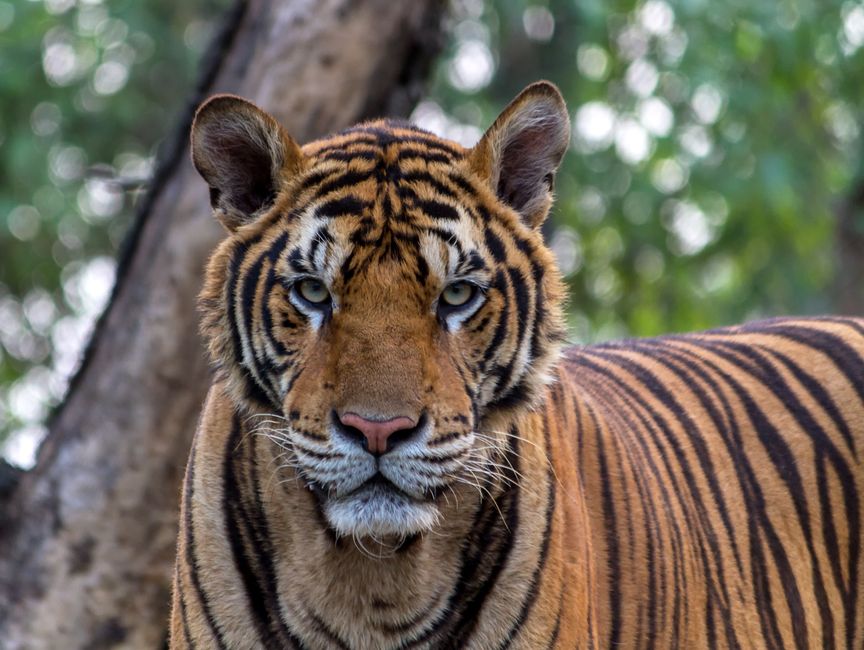
Close-up of a Bengal tiger in the wild, Tadoba Andhari Tiger Reserve, India
| Category | Budget | Mid-range | Luxury |
|---|---|---|---|
| Accommodation | ₹1,500-₹3,000/night (basic lodge) | ₹5,000-₹12,000/night (comfortable resort) | ₹15,000+/night (all-inclusive jungle lodge) |
| Meals | ₹300-₹500/meal (local dhaba) | ₹800-₹1,500/meal (resort restaurant) | Included or fine-dining at lodge |
| Transport | Shared taxi from Chandrapur (₹500) | Private Nagpur transfer (₹3,500) | Private AC vehicle with guide |
| Activities | Safari permit (₹1,500-₹2,500) + Gypsy (₹1,800) | Multiple safaris, nature walks | Private full-day safari, guided village tours |
| Daily Total | ₹4,000-₹6,000 | ₹10,000-₹18,000 | ₹25,000+ |
Top Attractions and Must-See Sights
| Attraction | Description | Hours | Entry Fee |
|---|---|---|---|
| Moharli (Tadoba) Zone | The park’s oldest and most popular core zone, known for reliable tiger sightings around Tadoba Lake. | Safaris: 6-10 AM & 2:30-6:30 PM (varies seasonally) | Permit: ₹2,500 (Foreigner), ₹1,500 (Indian) + Vehicle Fee |
| Kolara Zone | A scenic zone with meadows, waterholes, and a high density of wildlife including leopards and wild dogs. | Safari timings as per park schedule | Permit: ₹2,500 (Foreigner), ₹1,500 (Indian) + Vehicle Fee |
| Pangadi & Zari Gates | Newer, less crowded buffer zones offering excellent birding and chances to see shy species like the Indian fox. | Safari timings as per park schedule | Buffer Permit: ₹1,500 (Foreigner), ₹800 (Indian) + Vehicle |
| Irai Lake & Dam | A vast, picturesque reservoir perfect for sunset views and spotting crocodiles, deer, and waterbirds. | Accessible from outside park; best at dawn/dusk | Free (outside park boundary) |
3-Day Itinerary: Tadoba Andhari Tiger Reserve, India’s Highlights & Hidden Gems
Day 1: First Encounters & The Core Zone
- Morning (5:30 AM): Early check-in at your resort near Moharli Gate. By 6 AM, embark on your first safari into the Moharli core zone (Permit: ₹2,500 + Gypsy ₹1,800). Focus on the area around Tadoba Lake, where the legendary tiger “Waghdoh” (the massive male) once ruled.
- Afternoon (12-3 PM): Lunch at your resort—try the local Thali. Relax and perhaps take a guided nature walk in the buffer zone with a naturalist to learn about tracks, droppings, and medicinal plants.
- Evening (2:30 PM): Head out for your second safari, this time exploring different routes in the same zone. As dusk falls, listen for the alarm calls of sambar deer that often betray a predator’s presence. Dinner back at the resort under the stars.
Day 2: Exploring a New Zone & Tribal Culture
- Morning (6 AM): Safari in the Kolara Zone (Permit required). This zone’s open grasslands are perfect for photography. Keep an eye out for the park’s healthy population of Dhole (Indian wild dogs).
- Afternoon (12 PM): Enjoy a packed lunch by the vehicle. Post-safari, visit a nearby Gond tribal village with a local guide (arranged by your resort, approx. ₹500 per person). This respectful interaction offers insight into a culture deeply connected to the forest.
- Evening (5 PM): Take a drive to Irai Dam for a spectacular sunset. It’s not uncommon to see animals coming to drink on the far shores. Dine at a local favorite like Green Valley Restaurant in Chandrapur for authentic Saoji cuisine.
Day 3: Buffer Zone Secrets & Departure
- Morning (6 AM): Opt for a safari in a buffer zone like Pangadi (Permit: ₹1,500). These areas are often richer in birdlife like the Crested Serpent Eagle and can be surprisingly productive for wildlife with fewer vehicles.
- Afternoon (11 AM): Return, check out, and have a farewell lunch. If time allows, visit the Mahakali Temple in Chandrapur, an ancient site that adds a historical layer to your trip.
- Evening (2 PM): Begin your 3-hour transfer back to Nagpur airport or station for your onward journey, filled with memories of the forest’s golden light and amber eyes.
Cultural Insights & Etiquette
- Language: Marathi and Hindi are primary. In the forest villages, Gondi is spoken. Basic Hindi phrases like “Namaste” (hello), “Shukriya” (thank you), and “Baghai dikhega?” (Will we see a tiger?) go a long way.
- Customs: Always seek permission before photographing tribal community members. The forest is considered sacred; avoid loud noises, littering, or any disrespectful behavior towards nature.
- Tipping: It is customary to tip your safari driver (₹500-₹1,000 per safari) and naturalist/guide (₹500-₹1,000) for good service, usually at the end of your stay.
- Dress Code: Wear muted, earthy colors (khaki, green, brown) on safari to blend in. Avoid bright blues, reds, or whites. Dress modestly when visiting villages.
- Business Hours: Safari booking offices follow government hours (10 AM-5 PM). Resorts operate 24/7. The park is closed every Tuesday evening and all day Wednesday.
Where to Eat: Tadoba Andhari Tiger Reserve, India’s Best Bites
Dining is primarily resort-based, but venturing to nearby towns reveals the region’s fiery and flavorful Vidarbha cuisine. Meals are often hearty to fuel long safari days.
Must-Try Local Specialties
- Saoji Mutton/Chicken: The iconic dish, a fiery curry made with a stone-ground spice mix including poppy seeds, dried coconut, and a lot of pepper. Best tried at dedicated Saoji eateries in Chandrapur like Maa Bhagwati Saoji Bhojnalay.
- Bhakri with Zunka: A rustic meal of thick millet or jowar flatbread served with a spicy, crumbly chickpea flour preparation. A staple in local homes.
- Tarri Poha: Nagpur’s famous flattened rice dish, but the Chandrapur version often comes with a spicy gravy (“tarri”) poured over it, a perfect breakfast.
Restaurant Recommendations by Budget
| Type | Restaurant | Specialty | Price Range |
|---|---|---|---|
| Budget | Hotel Aryan Prasad, Chandrapur | Simple, delicious vegetarian Thali and snacks. | ₹150-₹300 per person |
| Mid-range | Bamboo Forest Restaurant (at resorts like Svasara) | Well-prepared Indian and continental buffet in a jungle setting. | ₹800-₹1,500 per person |
| Fine dining | In-house dining at Taj Baghvan, Tadoba | Curated multi-course meals with local ingredients, served in elegant settings. | Included in stay / Premium |
Where to Stay
Accommodation clusters around the main park gates: Moharli (busiest), Kolara, and Navegaon. Your choice dictates your safari zone access. Book well in advance, especially from October to April. Compare prices and book at Booking.com or Airbnb for apartments in Chandrapur (for budget stays outside the park).
Best Neighborhoods for Accommodation
- Moharli Gate Area: The most established hub with the widest range of lodges, from budget to luxury. Perfect for first-time visitors wanting easy access to the popular core zone. Can feel busy during peak season.
- Kolara Gate Area: Growing in popularity, offering a slightly more secluded feel. Resorts here often have beautiful forest views and direct access to the productive Kolara zone.
- Buffer Zone Lodges (e.g., near Zari/Pangadi): For those seeking solitude and a focus on birding and nature walks. These lodges offer buffer zone safaris, which are easier to book last-minute.
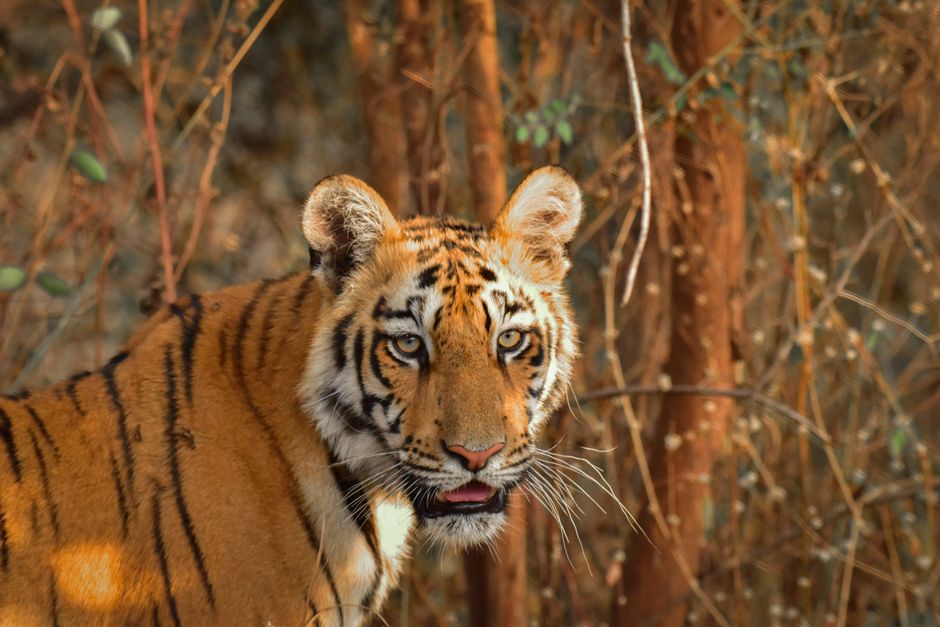
Detailed portrait of a Bengal tiger in its natural habitat in MH, India., Tadoba Andhari Tiger Reserve, India
FAQs: Your Tadoba Andhari Tiger Reserve, India Questions Answered
1. Is Tadoba Andhari Tiger Reserve, India safe at night?
Within the confines of your resort, yes, it is perfectly safe. However, moving between locations at night is not advised due to wildlife on the roads. Always travel with your resort’s guidance after dark. Inside the park during safari, always follow your guide’s instructions—never stand up or get out of the vehicle.
2. What currency is used and are credit cards accepted?
The Indian Rupee (INR) is the currency. While major resorts and hotels accept credit cards, it’s crucial to carry sufficient cash for safari permits (sometimes paid in cash at the gate), tips, driver fees, and purchases in small villages. ATMs are available in Chandrapur town but not reliably near the gates.
3. How do I get from the airport to the reserve?
Nagpur Airport (NAG) is 140 km away (approx. 3 hours). Pre-booking a private taxi through your resort is the most reliable option (₹3,000-₹4,000 one-way). Shared cabs are rare and unreliable. Book airport transfers at GetYourGuide for convenience.
4. Do I need to speak the local language?
Not at all. English is widely understood at resorts, by safari guides, and in booking offices. Learning a few basic Hindi greetings, however, is always appreciated and enhances your interactions with drivers and local staff.
5. What’s the appropriate dress code
Related Guides
Explore more destinations similar to Tadoba Andhari Tiger Reserve:

