
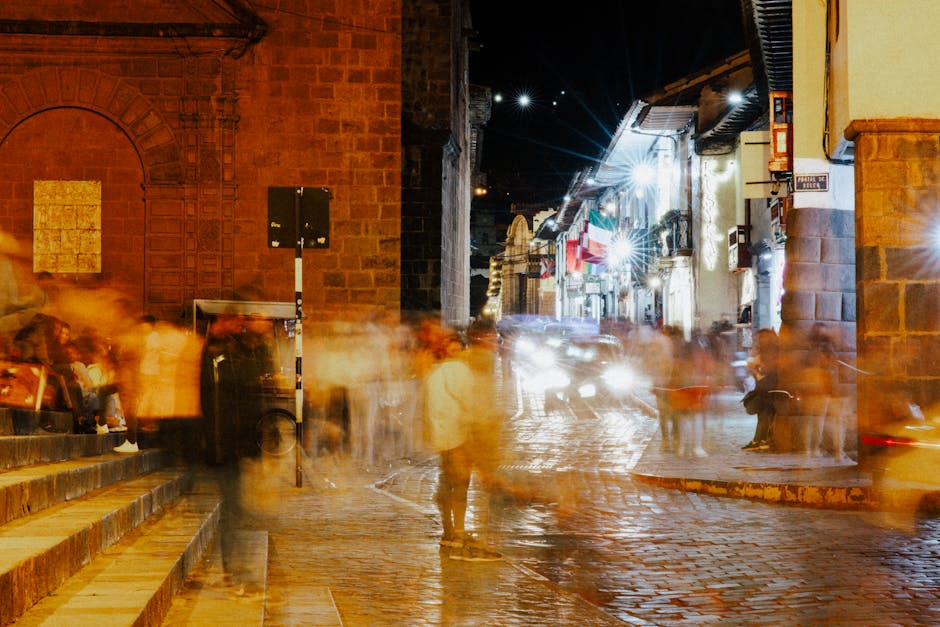
Cañón del Colca, Peru’s Best Condors, Canyons & Ancient Terraces (2025)
Just before 8 AM at the Cruz del Cóndor viewpoint, the world’s second-deepest canyon reveals its scale as morning thermals rise from its 3,270-meter depths. The air fills with the collective gasp of onlookers as the first massive Andean condor, with a wingspan stretching over 10 feet, glides silently past the cliff face. This daily ritual, set against a backdrop of pre-Inca agricultural terraces that have fed communities for over 1,500 years, is a spectacle of nature and human endurance you simply won’t find at the more famous Machu Picchu.
Why Cañón del Colca, Peru Stands Out
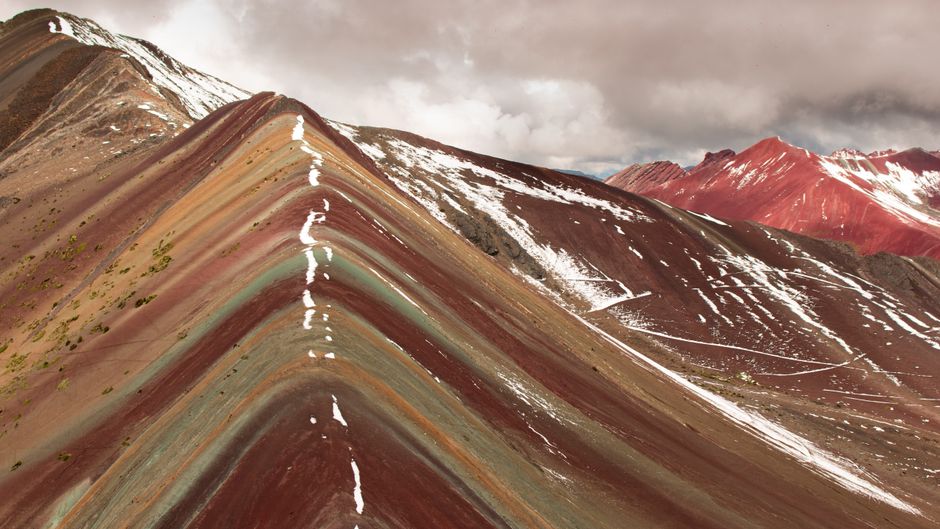
A breathtaking aerial view of Rainbow Mountain’s vibrant colors under a clo…, Cañón del Colca, Peru
- Historic Architecture: The 17th-century Church of the Immaculate Conception in Chivay, with its intricate mestizo-baroque stone façade, stands as a testament to Spanish colonial influence built upon sacred Inca grounds.
- Cultural Scene: The Wititi festival in December, a UNESCO-recognized dance where men wear elaborate female attire, celebrates pre-Columbian fertility rites and the region’s unique cultural identity.
- Local Specialties: You must try *rocoto relleno*, a spicy red pepper stuffed with minced meat, peas, and melted cheese, traditionally baked in a clay oven.
Pro Tip: The absolute best time to visit is during the dry season from April to November, but aim for the shoulder months of April-May or September-October. You’ll avoid the peak June-August tourist crowds at the Cruz del Cóndor, and the weather is ideal for trekking into the canyon depths.
Map of Cañón del Colca, Peru
Use these interactive maps to explore Cañón del Colca, Peru and plan your route:
📍 View Cañón del Colca, Peru on OpenStreetMap
🗺️ Open Cañón del Colca, Peru in Google Maps
Planning Your Trip: Practical Essentials
Getting There and Around
- By Air: Fly into Rodríguez Ballón International Airport (AQP) in Arequipa. LATAM and Sky Airline offer daily flights from Lima. From Arequipa, it’s a 3-4 hour drive. Book flights at Skyscanner for best deals.
- By Train: There are no direct passenger train services to the Colca Canyon. All rail travel in Peru focuses on other routes like Cusco to Machu Picchu. Reserve tickets at Trainline or the national railway website for other Peruvian journeys.
- By Car: The drive from Arequipa via Yura and Chivay is stunning but involves navigating high-altitude mountain passes. A 4×4 is recommended, especially in the wet season. Compare car rentals at RentalCars.com.
- Local Transport: *Colectivos* (shared vans) are the most common and affordable way to travel between towns like Chivay, Cabanaconde, and the viewpoints. Fares range from 3-10 PEN ($1-3 USD). Scheduled tourist buses also run from Arequipa’s bus terminal directly to Chivay.
Best Time to Visit
The Colca Canyon experience is dramatically shaped by its two distinct seasons. The dry season offers clear skies and ideal trekking, while the wet season brings lush greenery but challenging trails.
| Season | Weather | Highlights |
|---|---|---|
| Dry Season (May–Oct) | Sunny days, cold nights (5°C to 20°C / 41°F to 68°F), almost no rain. | Optimal for multi-day canyon treks, guaranteed condor sightings at Cruz del Cóndor, busy with tourists. |
| Wet Season (Nov–Apr) | Frequent afternoon showers, warmer nights, lush landscapes (10°C to 22°C / 50°F to 72°F). | Vibrant green terraces, dramatically fewer crowds, but trails can be slippery and some routes may close. |
| Shoulder (Apr & Oct) | Transitional weather, mild temperatures, sporadic rain. | The sweet spot: decent weather, thinner crowds, and a good balance for photography and hiking. |
Budgeting for Cañón del Colca, Peru

Explore the vibrant red walled arches and plants in a historic courtyard in…, Cañón del Colca, Peru
| Category | Budget | Mid-range | Luxury |
|---|---|---|---|
| Accommodation | Hostel dorm: 30-50 PEN ($8-13 USD) | Private room with bath: 120-200 PEN ($32-53 USD) | Lodge with thermal pool access: 400+ PEN ($105+ USD) |
| Meals | Market meal/Menu del Día: 10-15 PEN ($3-4 USD) | Restaurant dinner: 25-45 PEN ($7-12 USD) | Fine dining at a top lodge: 80+ PEN ($21+ USD) |
| Transport | Colectivos between towns: 3-10 PEN ($1-3 USD) | Organized day tour from Arequipa: 80-120 PEN ($21-32 USD) | Private driver/guide for multi-day trip: 300+ PEN/day ($79+ USD) |
| Activities | Independent hiking, visiting free viewpoints | Cruz del Cóndor entry (Boleto Turístico): 70 PEN ($18 USD), thermal baths: 15-20 PEN ($4-5 USD) | Private guided 2-day canyon trek, luxury spa treatments |
| Daily Total | 70-100 PEN ($18-26 USD) | 250-350 PEN ($66-92 USD) | 800+ PEN ($210+ USD) |
Top Attractions and Must-See Sights
| Attraction | Description | Hours | Entry Fee |
|---|---|---|---|
| Cruz del Cóndor Viewpoint | The premier spot to witness the majestic Andean condors soaring on canyon thermals, often just meters away. | Best 7:00 AM – 10:00 AM | Included in 70 PEN Boleto Turístico |
| La Calera Thermal Baths | Natural hot springs with multiple pools of varying temperatures, perfect for soothing muscles after a trek. | 5:00 AM – 9:00 PM | 15-20 PEN ($4-5 USD) |
| Yanque & its Colonial Church | A picturesque village featuring a stunning white-stone church and traditional dancers performing most mornings. | Church often open 9 AM-5 PM | Donation appreciated |
| Pre-Inca Terraces of Coporaque | Some of the oldest and most extensive agricultural terraces in the canyon, still in use after 1,500 years. | Daylight hours | Free (view from road) |
3-Day Itinerary: Cañón del Colca, Peru’s Highlights & Hidden Gems
Day 1: Arrival, Altitude & Hot Springs
- Morning: Take a 7 AM tourist bus from Arequipa to Chivay (3.5 hours, ~35 PEN). Stop at the Patapampa lookout at 4,910 meters for your first breathtaking view of the Andes’ volcanic belt.
- Afternoon: Check into your accommodation in Chivay and have a light lunch of *trucha* (local trout) at **Restaurant El Balcón** on the main plaza. Spend the afternoon acclimatizing with a gentle walk.
- Evening: Soak in the **La Calera Thermal Baths** as the sun sets behind the mountains. For dinner, head to **Restaurant La Casa de Lucila** for a hearty *lomo saltado*.
Day 2: Condors, Canyon Views & Colonial Villages
- Morning: Depart by 6:30 AM for the **Cruz del Cóndor** (1-hour drive). Watch the condor spectacle from 8 AM to 9:30 AM. Purchase your Boleto Turístico (70 PEN) at the checkpoint.
- Afternoon: On the return route, stop at the traditional villages of **Pinchollo, Maca, and Yanque**. In Maca, see the beautiful church and try a *colca sour* made with local *sancayo* cactus fruit. Have lunch at **Restaurant Pachamama** in Yanque.
- Evening: Return to Chivay. For a cultural experience, catch a traditional folk dance performance often held in the plaza before a relaxed dinner at a local *picantería*.
Day 3: Trekking the Depths or Scenic Exploration
- Morning: Option A (Trekker): Take a 6 AM *colectivo* to **Cabanaconde** (1 hour, ~10 PEN). Begin the descent into the canyon on the trail towards Sangalle (the “Oasis”), a 3-4 hour hike down. Option B (Sightseer): Hire a local guide for a 4-hour hike to the **Uyo Uyo** pre-Inca ruins near Yanque.
- Afternoon: Option A: Relax and swim in the lush pools at Sangalle, have lunch at one of the rustic lodges. Option B: Enjoy a final lunch in Chivay, perhaps trying *cuy al horno* (roasted guinea pig) for the adventurous.
- Evening: Option A: Spend the night in a basic bungalow at Sangalle (from 40 PEN) under a spectacular starry sky. Option B: Take the 3 PM bus back to Arequipa, arriving by evening.
Cultural Insights & Etiquette
- Language: Spanish is primary; Quechua is widely spoken in villages. Learn basics: “Allillanchu” (Hello in Quechua), “¿Cuánto cuesta?” (How much?), “Gracias” (Thank you).
- Customs: Always ask permission before photographing local people, especially elders and women in traditional dress. A small tip (1-2 PEN) is appropriate if they agree.
- Tipping: 10% is standard in restaurants if service isn’t included. For guides, 15-20 PEN per day is appreciated for good service.
- Dress Code: Dress in layers for changing weather. When visiting churches, cover shoulders and knees. Sturdy hiking boots are essential for trails.
- Business Hours: Shops: 9 AM-6 PM; Restaurants: 7 AM-9 PM (later in Chivay). Many places close for siesta (1 PM-3 PM). Sunday is a quiet day, especially in villages.
Where to Eat: Cañón del Colca, Peru’s Best Bites
Colca cuisine is hearty, high-altitude fare designed to fuel farmers and trekkers. *Picanterías* are traditional family-run restaurants where the day’s meal is cooked in clay pots over wood fires. Don’t expect rushed service; meals are an experience here.
Must-Try Local Specialties
- Rocoto Relleno: A deceptively spicy pepper stuffed with a savory mix of meat, vegetables, and cheese, then baked with a soufflé-like topping. Best tried at **Restaurant El Balcón** in Chivay.
- Caldo de Cordero: A rich, warming lamb broth loaded with vegetables, potatoes, and herbs—perfect for cold canyon mornings. Locals swear by the version at **Picantería La Paloma** in Yanque.
- Chuño: Freeze-dried potatoes, a traditional Inca preservation method. Often served in soups or as a side. It’s an acquired texture but a true taste of history.
Restaurant Recommendations by Budget
| Type | Restaurant | Specialty | Price Range |
|---|---|---|---|
| Budget | Mercado de Chivay (Chivay Market) | Fresh fruit juices, empanadas, and hearty *menú del día* plates | 5-15 PEN ($1-4 USD) |
| Mid-range | Restaurant Kuntur Wasi (Chivay) | Alpaca steak and panoramic views from its second-floor terrace | 25-50 PEN ($7-13 USD) |
| Fine dining | Colca Lodge Spa & Hot Springs (Between Chivay & Yanque) | Elegant Novoandina cuisine using hyper-local ingredients, paired with Peruvian wines | 80+ PEN ($21+ USD) |
Where to Stay
Accommodation ranges from basic hostels in Chivay to rustic oasis lodges at the canyon bottom and luxurious spa hotels with private thermal springs. Your choice depends on your itinerary—Chivay or Cabanaconde are hubs for explorers, while remote lodges offer seclusion. Compare prices and book at Booking.com or Airbnb for apartments.
Best Neighborhoods for Accommodation
- Chivay: The gateway town, largest and most services (ATMs, pharmacies, tour agencies). Perfect for first-time visitors and those not doing deep treks. Can feel touristy.
- Cabanaconde: A quieter, more authentic village perched on the canyon rim. The best base for serious trekkers descending to Sangalle (the Oasis). Fewer amenities, more atmosphere.
- The Oasis (Sangalle): At the very bottom of the canyon. Basic bungalows with stunning scenery and pools. A unique experience, but you must hike in/out with your gear.
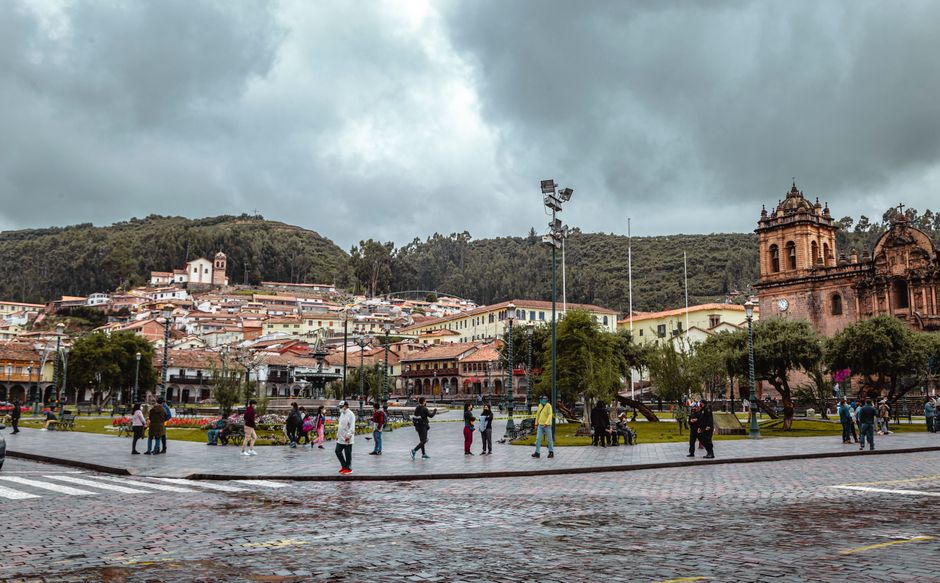
Lively scene of people strolling in a cloudy Plaza de Armas, Cañón del Colca, Peru
FAQs: Your Cañón del Colca, Peru Questions Answered
1. Is Cañón del Colca, Peru safe at night?
Yes, the towns within the Colca Valley like Chivay and Yanque are generally very safe. However, as in any travel destination, use common sense: stick to well-lit areas, don’t flash valuables, and avoid walking alone on isolated trails after dark. The main safety concern is altitude sickness and trekking preparedness, not crime.
2. What currency is used and are credit cards accepted?
The Peruvian Sol (PEN) is the currency. Carry plenty of cash, especially small bills. While some hotels and nicer restaurants in Chivay accept credit cards (Visa/Mastercard), most *picanterías*, markets, *colectivo* drivers, and entry fee stations are cash-only. ATMs are available in Chivay but can run out of money, so get cash in Arequipa first.
3. How do I get from the airport to the city center?
From Arequipa’s airport (AQP), take an official taxi to the city center or your hotel
Explore More Destinations
- Jozani, Tanzania on a Budget: an Ancient Forest for $35/Day (2026)
- Nsumbu, Zambia on a Budget: Wild Africa for $40/Day (2026)
- Semporna, Malaysia on a Budget: Paradise for $35/Day (2026)
- Khuzestan, Iran on a Budget: Ancient Empires for $30/Day (2026)
- Ngerulmud, Palau on a Budget: Island Majesty for $45/Day (2026)
Ready to Visit Cañón del Colca?
Start planning your trip today. Compare hotels, find the best tours, and get insider tips.
Your adventure in Cañón del Colca starts here →
{“@context”: “https://schema.org”, “@type”: “FAQPage”, “mainEntity”: [{“@type”: “Question”, “name”: “What is the best time to visit Cau00f1u00f3n del Colca?”, “acceptedAnswer”: {“@type”: “Answer”, “text”: “The best time to visit Cau00f1u00f3n del Colca depends on your preferences. Generally, the dry season offers the most pleasant weather for sightseeing and outdoor activities.”}}, {“@type”: “Question”, “name”: “How many days do I need in Cau00f1u00f3n del Colca?”, “acceptedAnswer”: {“@type”: “Answer”, “text”: “Most travelers spend 3-5 days in Cau00f1u00f3n del Colca to see the main attractions. A week allows for a more relaxed pace and day trips.”}}, {“@type”: “Question”, “name”: “Is Cau00f1u00f3n del Colca expensive to visit?”, “acceptedAnswer”: {“@type”: “Answer”, “text”: “Cau00f1u00f3n del Colca can be visited on various budgets. Accommodation ranges from hostels to luxury hotels, and local restaurants offer affordable dining.”}}]}
Related Guides
Explore more destinations similar to Cañón del Colca:

