
Plitvice’s Barac Caves, Croatia: Incredible Subterranean Wonders, Karst Mysteries & Timeless Legends (2025)
While over 1.5 million visitors a year are drawn to the turquoise cascades of Plitvice Lakes National Park, just 15 kilometers away, a quieter, deeper story unfolds. The Barac Caves offer a journey into the very bones of the Croatian karst, a 65,000-year-old subterranean world where the only sounds are the drip of ancient water and the echo of your own wonder. This is where you trade the park’s famous light for profound, cathedral-like darkness, discovering a geological masterpiece most travelers drive right past.
Why Plitvice’s Barac Caves, Croatia Stands Out

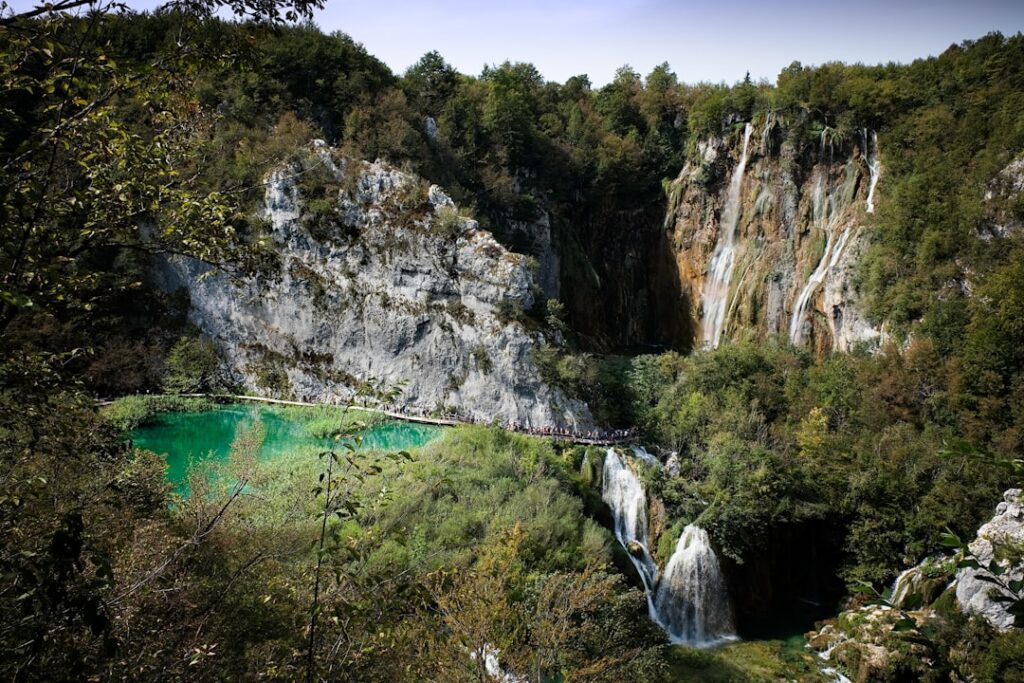
Green trees beside blue body of water during daytime, Plitvice’s Barac Caves, Croatia
- Historic Architecture: The 1892 entrance tunnel, carved by hand for the Austro-Hungarian Emperor Franz Joseph I’s visit, is a feat of engineering that marks the dawn of Croatian speleology.
- Cultural Scene: The annual “Sounds of the Underground” concert series transforms the Great Hall into a natural amphitheater with ethereal acoustics.
- Local Specialties: After your tour, try *škripavac* cheese from a nearby village, a uniquely squeaky, fresh cheese paired with homemade bread.
Pro Tip: Book the first guided tour of the day at 9:00 AM, especially in July and August. You’ll have the caves virtually to yourself, and the cool, constant 10.5°C (51°F) air is most refreshing before the midday heat. Guides are more relaxed and share richer stories with smaller groups.
Map of Plitvice’s Barac Caves, Croatia
Use these interactive maps to explore Plitvice’s Barac Caves, Croatia and plan your route:
📍 View Plitvice’s Barac Caves, Croatia on OpenStreetMap
🗺️ Open Plitvice’s Barac Caves, Croatia in Google Maps
Planning Your Trip: Practical Essentials
Getting There and Around
- By Air: The nearest major airports are Zagreb (ZAG, 130km) and Zadar (ZAD, 120km). From there, a rental car is your best bet. Book flights at Skyscanner for best deals.
- By Train: The closest train station is in Josipdol, about 25km away, with limited connections. Reserve tickets at Trainline or the national railway website, but be prepared for a taxi or bus transfer.
- By Car: The caves are directly off the D1 highway between Karlovac and Plitvice. Ample free parking is available. Compare car rentals at RentalCars.com.
- Local Transport: Public buses from Zagreb or Zadar to Plitvice can stop at the Rakovica junction; from there, it’s a 3km taxi ride (approx. 50 HRK). Scheduled transport is infrequent, so a car offers essential flexibility.
Best Time to Visit
The caves are a year-round destination due to their constant temperature, but your surface experience varies. The shoulder seasons offer the perfect blend of pleasant weather and accessibility.
| Season | Weather | Highlights |
|---|---|---|
| Summer (Jun–Aug) | Warm, 20-28°C (68-82°F); can be crowded. | Ideal for combining with Plitvice Lakes; long opening hours. Book tours online in advance. |
| Winter (Dec–Feb) | Cold, 0-5°C (32-41°F); possible snow. | A mystical, quiet experience. The contrast between the cold forest and warm cave is striking. Check for seasonal closures. |
| Shoulder (Apr–May/Sep–Oct) | Mild, 10-20°C (50-68°F); fewer visitors. | The sweet spot. Enjoy the caves and the surrounding Lika region without the summer bustle. Spring wildflowers are spectacular. |
Budgeting for Plitvice’s Barac Caves, Croatia

A rock face with a small window in the middle of it, Plitvice’s Barac Caves, Croatia
| Category | Budget | Mid-range | Luxury |
|---|---|---|---|
| Accommodation | Private room in a guesthouse: 250-350 HRK/night | Local hotel or apartment: 450-700 HRK/night | Boutique hotel or luxury villa: 1000+ HRK/night |
| Meals | Self-catering or konoba lunch: 80-120 HRK | Restaurant dinner with drink: 150-250 HRK | Fine dining with wine pairing: 400+ HRK |
| Transport | Public bus (if available): ~50 HRK | Rental car (daily rate): 250-400 HRK | Private driver/tour: 800+ HRK/day |
| Activities | Cave entry: 70 HRK | Cave entry + guided Plitvice tour: ~300 HRK | Private speleology guide & photography tour: 600+ HRK |
| Daily Total | 450-600 HRK | 1000-1500 HRK | 2500+ HRK |
Top Attractions and Must-See Sights
| Attraction | Description | Hours | Entry Fee |
|---|---|---|---|
| Barac Caves (Baraceve špilje) | A 300-meter accessible route through stunning halls filled with stalactites, stalagmites, and a subterranean river. | 9:00 AM – 7:00 PM (Summer), 10:00 AM – 3:00 PM (Winter) | 70 HRK (Adults), 35 HRK (Children 7-18) |
| Plitvice Lakes National Park | UNESCO World Heritage site of 16 terraced lakes and countless waterfalls, a 15-minute drive away. | 7:00 AM – 8:00 PM (Seasonal variations) | 80-300 HRK (Seasonal pricing) |
| Rastoke Village | The “Small Plitvice,” a historic mill village where the Slunjčica river cascades through houses, perfect for a short visit. | Always open; museums have hours | Free to explore; museum ~30 HRK |
| Barać’s Upper Caves | The less-visited sister caves, offering a more adventurous, less developed speleological experience with prior arrangement. | By guided appointment only | ~100 HRK (includes guide) |
3-Day Itinerary: Plitvice’s Barac Caves, Croatia’s Highlights & Hidden Gems
Day 1: Subterranean Immersion & Local Flavors
- Morning (9:00 AM): Arrive for the first guided tour of the Barac Caves. Your guide will point out formations like the “Organ Pipes” and explain the 1892 archaeological discovery of cave bear bones. The temperature is a constant 10.5°C, so a light jacket is wise.
- Afternoon (1:00 PM): Lunch at Konoba Vrh, a 5-minute drive from the caves. Try their *janjetina ispod peke* (lamb under the bell) – it requires a 2-hour preparation, so call ahead when you book your cave tour. Cost: ~130 HRK per person.
- Evening (6:00 PM): Check into your accommodation. For a serene sunset, drive to the viewpoint near the village of Drežnik Grad. Enjoy a casual dinner at your guesthouse, often featuring homegrown produce.
Day 2: Plitvice’s Watery Wonders
- Morning (7:30 AM): Arrive at Plitvice Lakes National Park (Entrance 1) the moment it opens to beat the crowds. Take the classic Route C: a 4-6 hour hike covering the Lower and Upper Lakes, including the iconic Veliki Slap (Big Waterfall). Park entry: 250 HRK (summer).
- Afternoon (2:00 PM): Exit the park at Entrance 2 and have a late lunch at Lička kuća, known for its hearty *Lika-style potato stew*. It’s a 5-minute walk from the exit.
- Evening (7:00 PM): Return to your lodgings to relax. Savvy visitors know to book a table at a *konoba* in a tiny village like Korana for a more authentic, less touristy dinner experience.
Day 3: History, Mills & Departure
- Morning (9:00 AM): Drive 25 minutes to Rastoke Village. Wander the wooden pathways past hundred-year-old watermills. Visit the Old Mill Museum (approx. 30 HRK) to see traditional milling in action.
- Afternoon (12:30 PM): Enjoy a final lunch at Restoran Rastoke, perched directly over the waterfalls. Their trout, caught from the local river, is a must. Budget 150 HRK.
- Evening: Depending on your travel plans, either depart for Zagreb/Zadar (2-hour drive) or, if staying, ask your host about local folklore evenings, sometimes held in village halls.
Cultural Insights & Etiquette
- Language: Croatian is the official language. Key phrases: “Hvala” (Thank you), “Dobar dan” (Good day). English is widely spoken in tourism, but a few words go a long way.
- Customs: Hospitality is sacred. If invited for a coffee or drink, it’s polite to accept. A direct “no” can be seen as rude; a “maybe later” is more appropriate.
- Tipping: Rounding up the bill or leaving 5-10% in restaurants is appreciated, though not mandatory. For excellent service, 10% is a generous gesture.
- Dress Code: Casual but neat. For the caves, wear sturdy, non-slip shoes (paths can be wet) and a light layer. Modest dress is respected when visiting rural churches.
- Business Hours: Shops typically open 8 AM-8 PM weekdays, close earlier Saturday, and are often closed Sunday. Restaurants serve lunch from 12-3 PM and dinner from 6 PM onward.
Where to Eat: Plitvice’s Barac Caves, Croatia’s Best Bites
The Lika region’s cuisine is a celebration of mountain sustenance: slow-cooked meats, freshwater fish, forest mushrooms, and dairy. Dining is a social, leisurely affair here.
Must-Try Local Specialties
- Janjetina ispod peke: Lamb or veal slow-cooked with vegetables under a metal or ceramic bell covered in hot embers. The ultimate communal dish. Best at family-run *konobas* like Konoba Vrh.
- Lička juha (Lika Soup): A hearty broth with smoked meat, potatoes, and carrots. The perfect warmer after a day in the caves.
- Štrukli: A baked or boiled pastry filled with fresh cheese, often served as a savory side or sweet dessert. Look for it on menus near Plitvice.
Restaurant Recommendations by Budget
| Type | Restaurant | Specialty | Price Range |
|---|---|---|---|
| Budget | Bistro Vila Velebita, Rakovica | Hearty platters of grilled meats and local cheeses. | 80-120 HRK |
| Mid-range | Konoba Vrh, near Barac Caves | Authentic *peka* dishes and a fantastic garden setting. | 130-200 HRK |
| Fine dining | Restaurant Degenija, Slunj | Modern, elegant takes on Lika cuisine with exquisite presentation. | 300+ HRK |
Where to Stay
Accommodation clusters around the caves, Plitvice, and in small villages. For a quiet, local feel, choose a village guesthouse. For convenience to major sites, look near Entrance 1 or 2 of Plitvice. Compare prices and book at Booking.com or Airbnb for apartments.
Best Neighborhoods for Accommodation
- Rakovica/Korenica Area: The villages surrounding the Barac Caves. Pros: Authentic, quiet, close to the caves. Cons: Fewer restaurant choices. Ideal for travelers seeking peace and a base for exploration.
- Plitvice Lakes (Entrances 1 & 2): Highly convenient for the national park. Pros: Walk to the park, many hotel/restaurant options. Cons: Can feel touristy and busy in peak season.
- Slunj/Rastoke: A charming town with the waterfall village of Rastoke. Pros: Beautiful scenery, good restaurants, central location between caves and other attractions. Cons: A 20-minute drive to the main sites.

Rocky cliff face with a dark water inlet., Plitvice’s Barac Caves, Croatia
FAQs: Your Plitvice’s Barac Caves, Croatia Questions Answered
1. Is Plitvice’s Barac Caves, Croatia safe at night?
Yes, the area is extremely safe. Violent crime is very rare. Standard precautions apply: be aware of your surroundings in isolated areas at night and secure valuables in your car. The main concern for drivers is wildlife (deer, boar) on rural roads after dark.
2. What currency is used and are credit cards accepted?
Croatia uses the Euro (€). Credit and debit cards (Visa, Mastercard) are widely accepted in hotels, restaurants, and for park/cave entry. However, it’s wise to carry some cash (50-100€) for smaller family-run *konobas*, rural markets, or tips.
3. How do I get from the airport to the city center?
From Zagreb Airport (ZAG), the most flexible option is a rental car (1.5-hour drive to the caves). Alternatively, take an airport shuttle bus to Zagreb main bus station, then a direct bus to Korenica or Rakovica (2.5-3 hours total). A private transfer costs approx. 100-120€. Book airport transfers at GetYourGuide for convenience.
4. Do I need to speak the local language?
Not at all. English is commonly spoken by those in the tourism industry—hotel staff, tour guides, and restaurant servers. In very remote villages, you might encounter language barriers,
Explore More Destinations
- Jozani, Tanzania on a Budget: an Ancient Forest for $35/Day (2026)
- Nsumbu, Zambia on a Budget: Wild Africa for $40/Day (2026)
- Semporna, Malaysia on a Budget: Paradise for $35/Day (2026)
- Khuzestan, Iran on a Budget: Ancient Empires for $30/Day (2026)
- Ngerulmud, Palau on a Budget: Island Majesty for $45/Day (2026)
Ready to Visit Plitvice’s Barac Caves?
Start planning your trip today. Compare hotels, find the best tours, and get insider tips.
Your adventure in Plitvice’s Barac Caves starts here →
Related Guides
Explore more destinations similar to Plitvice’s Barac Caves:
- Doboj, Bosnia and Herzegovina’s Best Fortresses, Rivers & Hearty Cuisine (2026)
- Kazan, Russia’s Best Minarets, Tatar Culture & Volga River Majesty (2026)
- Banff National Park’s Ultimate Peaks, Glaciers & Alpine Majesty (2025)
- Lovcen, Montenegro: Essential Mountain Majesty, National Pride & Ancient Trails (2025)
{“@context”: “https://schema.org”, “@type”: “FAQPage”, “mainEntity”: [{“@type”: “Question”, “name”: “What is the best time to visit Plitviceu2019s Barac Caves?”, “acceptedAnswer”: {“@type”: “Answer”, “text”: “The best time to visit Plitviceu2019s Barac Caves depends on your preferences. Generally, the dry season offers the most pleasant weather for sightseeing and outdoor activities.”}}, {“@type”: “Question”, “name”: “How many days do I need in Plitviceu2019s Barac Caves?”, “acceptedAnswer”: {“@type”: “Answer”, “text”: “Most travelers spend 3-5 days in Plitviceu2019s Barac Caves to see the main attractions. A week allows for a more relaxed pace and day trips.”}}, {“@type”: “Question”, “name”: “Is Plitviceu2019s Barac Caves expensive to visit?”, “acceptedAnswer”: {“@type”: “Answer”, “text”: “Plitviceu2019s Barac Caves can be visited on various budgets. Accommodation ranges from hostels to luxury hotels, and local restaurants offer affordable dining.”}}]}


Pingback: Munich, Germany's Epic Beer Gardens, Baroque Splendor & Alpine Air (2026) - tangyOcean