
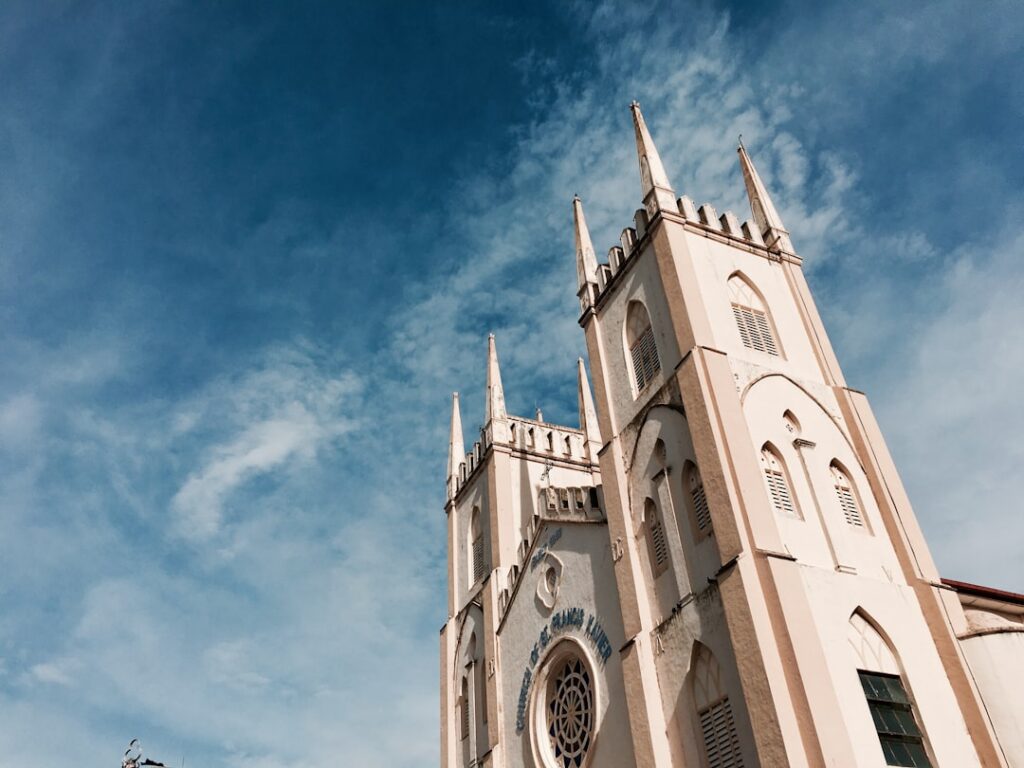
Malacca, Malaysia’s Stunning Heritage, Nyonya Cuisine & Riverside Romance (2025)
Just after sunset, the Malacca River transforms. The day’s equatorial heat softens, replaced by the gentle hum of cicadas and the glow of lanterns reflecting on the dark water. A trishaw pedals past, its LED lights flashing in a riot of colors, while the scent of charcoal-grilled satay and pandan cakes drifts from Jonker Street. This is the daily magic of a city that isn’t frozen in history, but lives vibrantly within it, a UNESCO World Heritage Site where every corner tells a story of Portuguese forts, Dutch squares, and Chinese shophouses.
Why Malacca, Malaysia Stands Out

Blue and white boat on water near houses during daytime, Malacca, Malaysia
- Historic Architecture: The 17th-century Stadthuys, with its striking terracotta-red facade, is the oldest surviving Dutch building in Southeast Asia, a powerful symbol of colonial trade.
- Cultural Scene: The Jonker Walk Night Market, held every Friday to Sunday, is a bustling carnival of antiques, street food, and live performances that brings the Peranakan heritage to life.
- Local Specialties: Chicken rice balls, where fragrant Hainanese chicken is served with rice shaped into delicate, flavorful orbs, is a Malaccan institution you must try.
Pro Tip: Visit on a weekday (Monday-Thursday) to have the historic core almost to yourself. Weekends, especially from Friday evening, see an influx of domestic tourists from Kuala Lumpur and Singapore, making attractions crowded and trishaws more expensive.
Map of Malacca, Malaysia
Use these interactive maps to explore Malacca, Malaysia and plan your route:
📍 View Malacca, Malaysia on OpenStreetMap
🗺️ Open Malacca, Malaysia in Google Maps
Planning Your Trip: Practical Essentials
Getting There and Around
- By Air: The nearest airport is Kuala Lumpur International (KUL), 1.5-2 hours away by road. Direct buses run frequently to Malacca Sentral bus station (approx. 25-35 MYR). Book flights at Skyscanner for best deals.
- By Train: There’s no direct train to Malacca city. The nearest station is in Tampin, a 30-minute taxi ride away. Most travelers find the bus more convenient. Reserve tickets at Trainline or the national railway website.
- By Car: Driving from Kuala Lumpur via the North-South Expressway takes about 1.5 hours. Parking in the heritage zone is limited; your best bet is a hotel with parking or the public car park near the Red Square. Compare car rentals at RentalCars.com.
- Local Transport: The historic center is best explored on foot. For longer distances, use the local buses from Malacca Sentral or Grab (Southeast Asia’s ride-hailing app, cheaper than taxis). The iconic, decorated trishaws are for fun, not efficiency; negotiate a price (around 50 MYR per hour) before hopping on.
Best Time to Visit
Malacca is tropical and humid year-round, with temperatures consistently between 25°C and 33°C (77°F – 91°F). The key difference is rainfall. The dry season offers more predictable sightseeing, while the wet season sees lush greenery and fewer crowds.
| Season | Weather | Highlights |
|---|---|---|
| Dry Season (Jun–Aug) | Hot, humid, less frequent rain. Ideal for walking tours and river cruises. | Peak tourist season; vibrant atmosphere but book accommodation early. Perfect for evening strolls. |
| Wet Season (Nov–Mar) | Heavy afternoon showers are common, but mornings are often clear. | Fewer crowds, lower prices, and the landscape is beautifully green. Carry an umbrella. |
| Shoulder (Apr–May/Sep–Oct) | A mix of sun and short showers. Very warm. | The sweet spot: decent weather with manageable tourist numbers. Great for food exploration. |
Budgeting for Malacca, Malaysia

A group of green coffee mugs sitting on top of a table, Malacca, Malaysia
| Category | Budget | Mid-range | Luxury |
|---|---|---|---|
| Accommodation | Hostel/Guesthouse: 40-80 MYR | Boutique Hotel: 150-300 MYR | Heritage/5-Star Hotel: 400+ MYR |
| Meals | Hawker Stalls: 5-15 MYR per dish | Local Restaurants: 20-40 MYR per meal | Fine Dining: 80+ MYR per meal |
| Transport | Walking/Bus: 2-5 MYR | Grab/Taxis: 10-20 MYR per trip | Private Trishaw Tour: 50-80 MYR per hour |
| Activities | Free walking, temples | Museums/River Cruise: 20-30 MYR each | Private Guided Tours |
| Daily Total | 80-120 MYR | 250-400 MYR | 600+ MYR |
Top Attractions and Must-See Sights
| Attraction | Description | Hours | Entry Fee |
|---|---|---|---|
| A Famosa & St. Paul’s Hill | Climb to the ruins of a 16th-century Portuguese church for panoramic views and a profound sense of history. | 24/7 (Hill) | Free |
| Melaka Sultanate Palace Museum | A beautiful wooden replica of a 15th-century Malay palace, offering insights into the region’s pre-colonial glory. | 9am-5:30pm (Closed Mon) | 5 MYR |
| Cheng Hoon Teng Temple | Malaysia’s oldest functioning Chinese temple, a serene masterpiece of intricate carvings and Taoist, Buddhist, and Confucian elements. | 7am-7pm | Free (Donations welcome) |
| Melaka River Cruise | A 45-minute journey that reveals the city’s history through vibrant street art and restored warehouses along the riverbanks. | 9am-11:30pm | 30 MYR (Adult) |
3-Day Itinerary: Malacca, Malaysia’s Highlights & Hidden Gems
Day 1: Historic Heart & Riverside Lights
- Morning (7-9 AM): Beat the heat and crowds to A Famosa and St. Paul’s Hill. The morning light is perfect for photos of the Porta de Santiago gate. It’s completely free and offers the best quiet moment of the day.
- Afternoon (12-3 PM): Explore the Red Square (Dutch Square) and the Stadthuys. For an authentic lunch, head to Low Yong Moh Restaurant for their legendary dumplings and wantan mee. Expect to pay about 15 MYR.
- Evening (6-8 PM): Take the Melaka River Cruise as the city lights begin to twinkle (board before 7 PM). Afterwards, dine at Nancy’s Kitchen for superb Nyonya classics like ayam pongteh (chicken stew) in a cozy setting.
Day 2: Peranakan Culture & Jonker Street Buzz
- Morning (9 AM): Visit the Baba & Nyonya Heritage Museum (25 MYR) – a fascinating glimpse into the lavish lives of the Straits Chinese. Book a guided tour for richer stories.
- Afternoon (1 PM): Find lunch at Jonker 88 for a fiery bowl of Baba Laksa and refreshing cendol (shaved ice dessert). Then, browse the antique shops along Jonker Street for blue-white porcelain.
- Evening (6 PM): If it’s a weekend, immerse yourself in the Jonker Walk Night Market. Try oyster omelets, durian cendol, and watch cultural performances. On a weekday, enjoy a quieter dinner at Restoran Ole Sayang for another take on Nyonya cuisine.
Day 3: Local Neighborhoods & Final Feasts
- Morning (10 AM): Take a Grab (approx. 10 MYR) to the Kampung Kling Mosque and Sri Poyyatha Vinayagar Moorthi Temple, showcasing Malacca’s multi-religious harmony within steps of each other.
- Afternoon (12 PM): Have your must-try chicken rice balls at the famous Ee Ji Ban or Chung Wah (be prepared to queue). Then, visit the Maritime Museum, housed in a replica Portuguese ship (10 MYR).
- Evening (6 PM): For your final meal, go local at the Glutton’s Corner hawker centre near the river. Sample satay, rojak, and grilled stingray. End your trip with a leisurely walk along the lit river promenade.
Cultural Insights & Etiquette
- Language: Malay is official, but English is widely spoken in tourist areas. Learn a few phrases: “Terima kasih” (Thank you), “Selamat pagi” (Good morning).
- Customs: Always use your right hand for giving/receiving items, especially money. Remove shoes before entering homes and some small shops or temples.
- Tipping: Not expected but appreciated for good service. In restaurants, a 5-10% service charge is often included. Round up taxi fares or leave small change.
- Dress Code: Dress modestly when visiting mosques and temples (cover shoulders and knees). Sarongs are often provided at entrances. Elsewhere, lightweight, breathable clothing is fine.
- Business Hours: Shops generally open 10am-10pm. Museums often close on Mondays or Tuesdays. Many restaurants close mid-afternoon between lunch and dinner service.
Where to Eat: Malacca, Malaysia’s Best Bites
Malacca’s food scene is its soul, a delicious fusion of Malay, Chinese, Indian, and unique Peranakan (Nyonya) flavors. Don’t just eat; explore the stories behind each dish.
Must-Try Local Specialties
- Nyonya Laksa: A rich, spicy coconut milk broth with noodles, unlike any other laksa. Find it at Jonker 88 or Donald & Lily’s.
- Satay Celup: Malacca’s version of fondue – skewers of raw meat, seafood, and vegetables you cook yourself in a bubbling pot of peanut sauce. Capitol Satay is the iconic spot.
- Putu Piring: A steamed rice cake filled with molten gula melaka (palm sugar) and grated coconut. Best eaten hot from street vendors in the evening, especially at the Jonker Night Market.
Restaurant Recommendations by Budget
| Type | Restaurant | Specialty | Price Range |
|---|---|---|---|
| Budget | Hoe Kee Chicken Rice (Jonker Street) | The classic Hainanese chicken rice balls | 8-15 MYR |
| Mid-range | Restoran Nyonya Makko (Taman Kota Laksamana) | Authentic, homestyle Nyonya dishes in a less touristy setting | 20-40 MYR per dish |
| Fine dining | The Baboon House (Near Jonker Street) | Creative burgers and drinks in a stunning, jungle-like heritage building | 30-60 MYR for a meal |
Where to Stay
Your location defines your Malacca experience. Staying within the UNESCO zone means you’re steps from history, while areas just outside offer more modern comforts and value. Compare prices and book at Booking.com or Airbnb for apartments.
Best Neighborhoods for Accommodation
- Jonker Street/Heritage Core: The most atmospheric choice. You’ll be in the middle of the action, surrounded by shophouses. Perfect for history buffs, but can be noisy on weekends. Best for: First-time visitors, photographers.
- Taman Kota Laksamana/Melaka Raya: A 10-15 minute walk from the core. This area is packed with excellent local restaurants, cafes, and more modern hotels. Best for: Foodies, travelers seeking better value and quieter nights.
- Along the Melaka River: Offers beautiful views, especially at night, with a mix of boutique hotels and guesthouses. It’s a scenic and relatively peaceful base. Best for: Couples, those seeking a romantic ambiance.

A row of buildings on a city street, Malacca, Malaysia
FAQs: Your Malacca, Malaysia Questions Answered
1. Is Malacca, Malaysia safe at night?
Yes, Malacca is generally very safe. The heritage area and Jonker Street are well-lit and busy until late. As in any city, practice basic caution: be aware of your belongings in crowded markets, and stick to main streets. Solo travelers, including women, commonly report feeling safe.
2. What currency is used and are credit cards accepted?
The Malaysian Ringgit (MYR) is the currency. While hotels and larger restaurants accept credit cards, cash is king at hawker stalls, markets, small shops, and for trishaw rides. ATMs are widely available. Savvy visitors always carry a mix of cash and cards.
3. How do I get from the airport to the city center?
The most straightforward way from KLIA/KLIA2 is by direct bus to Malacca Sentral bus station (journey: ~2 hours, cost: 25-35 MYR). From Malacca Sentral, take a local bus or a Grab (approx. 10-15 MYR) to your hotel in the heritage zone. Book airport transfers at GetYourGuide for convenience.
4. Do I need to speak the local language?
Not at all. English is widely spoken in the tourism and service industries. Most signs are in both Malay and English. Locals appreciate any effort to speak basic Malay, but you’ll have no trouble communicating.
5. What’s the appropriate dress code?
Light, breathable cotton or linen is essential due to the heat and humidity. For general sightseeing, shorts and t-shirts are fine. Remember to dress conservatively (covered shoulders and knees) when entering mosques or temples—carry a light scarf or sarong just in case.
Final Thoughts: Malacca, Malaysia Awaits
Malacca isn’t a place you simply see
Related Guides
Explore more destinations similar to Malacca:
- Moc Chau, Vietnam’s Ultimate Tea Plantations, Waterfalls & Highland Culture (2025)
- Nafpaktos, Greece’s Best Venetian Fortresses, Seaside Charm & Mythical Battles (2026)
- Andalgalá, Argentina’s Hidden Copper, Canyons & Colonial Charm (2026)
- Magway, Myanmar: Essential Oil Wells, Ancient Pagodas & The Irrawaddy’s Golden Shores (2026)

