
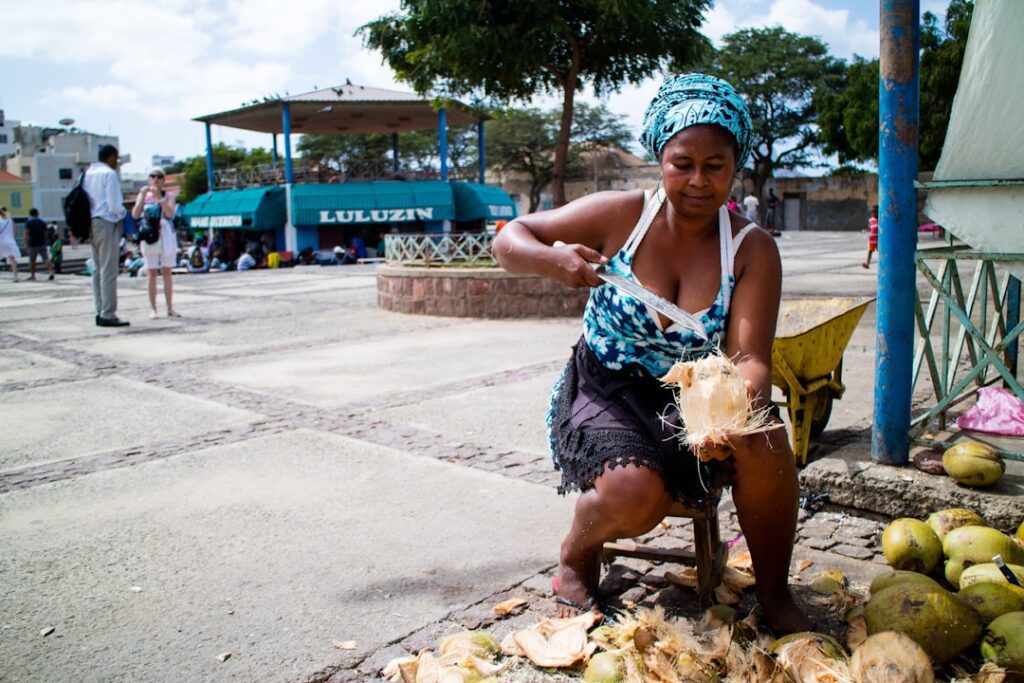
Praia, Cape Verde (Cidade Velha’s UNESCO streets): Ultimate Atlantic Crossroads, Creole Culture & Cobblestone History (2025)
While crowds flock to the beach resorts of Sal and Boa Vista, Praia and its historic heart, Cidade Velha, deliver a profound sense of living history without the tourist traps. Here, on the island of Santiago, you’ll walk the first European colonial street in the tropics, Rua Banana, laid in 1462. The scent of grilled lobster mingles with the Atlantic breeze, and the haunting bell of the Pelourinho monument echoes a complex past. This is where the Atlantic world began, a story written in volcanic stone and resilient Creole spirit.
Why Praia, Cape Verde (Cidade Velha’s UNESCO streets) Stands Out

Brown sand and green grass field near mountain under white clouds and blue …, Praia, Cape Verde (Cidade Velha’s UNESCO streets)
- Historic Architecture: The Fortaleza Real de São Filipe, built in 1590, stands guard over Cidade Velha, offering panoramic views and a stark reminder of the island’s strategic role in the Atlantic slave trade.
- Cultural Scene: The annual Gamboa Music Festival in May transforms Praia’s waterfront into a massive celebration of Lusophone sounds, from Cape Verdean morna to Brazilian samba.
- Local Specialties: You must try Cachupa, the national stew—a hearty, slow-cooked fusion of corn, beans, fish or meat, embodying the islands’ soul.
Pro Tip: Visit Cidade Velha early on a weekday morning, ideally before 10 AM. You’ll have the UNESCO streets almost to yourself, the light is perfect for photography, and you can avoid the midday heat before the occasional cruise ship day-trippers arrive from Praia’s port.
Map of Praia, Cape Verde (Cidade Velha’s UNESCO streets)
Use these interactive maps to explore Praia, Cape Verde (Cidade Velha’s UNESCO streets) and plan your route:
📍 View Praia, Cape Verde (Cidade Velha’s UNESCO streets) on OpenStreetMap
🗺️ Open Praia, Cape Verde (Cidade Velha’s UNESCO streets) in Google Maps
Planning Your Trip: Practical Essentials
Getting There and Around
- By Air: Nelson Mandela International Airport (RAI) is Praia’s main gateway, served by TAP Air Portugal, Cabo Verde Airlines, and seasonal European charters. A taxi to the Plateau (city center) costs a fixed 1,000 CVE ($10) and takes 15 minutes. Book flights at Skyscanner for best deals.
- By Train: There are no passenger train services in Cape Verde. Inter-island travel is by plane or ferry.
- By Car: Renting a car is the best way to explore Santiago island independently. Expect winding mountain roads. Daily rentals start around 4,500 CVE ($45). Compare car rentals at RentalCars.com.
- Local Transport: In Praia, “aluguer” (shared minivans) are cheap (about 50 CVE) but crowded. Taxis are plentiful and affordable for short trips; always agree on a price first (300-500 CVE typical for city rides). For Cidade Velha, a taxi from Praia costs ~1,500 CVE one-way.
Best Time to Visit
Cape Verde enjoys a warm, dry climate year-round. The best time for exploration is during the cooler, dry season. The rainy season (August-October) brings lush greenery but also humidity and occasional downpours.
| Season | Weather | Highlights |
|---|---|---|
| Summer (Jun–Aug) | Warm & dry, 26-30°C (79-86°F), strong winds. | Vibrant local life, perfect for coastal drives. Can be windy and hazy. |
| Winter (Dec–Feb) | Pleasant & mild, 22-27°C (72-81°F), low humidity. | Ideal for hiking and historical sightseeing. Peak tourist season with higher prices. |
| Shoulder (Apr–May/Sep–Oct) | Warm, 24-29°C (75-84°F), occasional rain in Oct. | Best value, fewer crowds, May hosts the Gamboa Festival. September landscapes are green and stunning. |
Budgeting for Praia, Cape Verde (Cidade Velha’s UNESCO streets)
Explore the picturesque canals and historic architecture of Venice, Praia, Cape Verde (Cidade Velha’s UNESCO streets)
| Category | Budget | Mid-range | Luxury |
|---|---|---|---|
| Accommodation | Guesthouse: 2,500-4,000 CVE ($25-$40) | 3-4 star hotel: 6,000-10,000 CVE ($60-$100) | 5-star/boutique: 15,000+ CVE ($150+) |
| Meals | Local *tasca* lunch: 400-600 CVE ($4-$6) | Restaurant dinner: 1,000-1,800 CVE ($10-$18) | Fine dining: 2,500+ CVE ($25+) |
| Transport | Aluguer/Taxi in city: 50-500 CVE ($0.5-$5) | Daily car rental: 4,500 CVE ($45) | Private driver/tours: 8,000+ CVE ($80+) |
| Activities | Walking Cidade Velha (free), small museum fees (~200 CVE) | Guided half-day tour: 2,500 CVE ($25) | Private boat trip, premium guided hikes |
| Daily Total | 3,500 – 5,500 CVE ($35-$55) | 10,000 – 18,000 CVE ($100-$180) | 25,000+ CVE ($250+) |
Top Attractions and Must-See Sights
| Attraction | Description | Hours | Entry Fee |
|---|---|---|---|
| Cidade Velha (Ribeira Grande) | UNESCO World Heritage site; walk Rua Banana, the oldest colonial street in the tropics, and feel centuries of history. | Always open (site) | Free (Individual monuments may charge) |
| Fortaleza Real de São Filipe | The imposing 16th-century fortress overlooking Cidade Velha, built to defend against pirates like Sir Francis Drake. | 9 AM – 6 PM | 500 CVE ($5) |
| Pelourinho (Pillory) | A haunting, original 1520 stone column in Cidade Velha’s main square, symbolizing the dark history of the slave trade. | Always visible | Free |
| Praia’s Plateau (City Center) | The historic administrative heart with colorful Portuguese colonial buildings, the Presidential Palace, and the lively Alexandre Albuquerque Square. | Always open | Free |
3-Day Itinerary: Praia, Cape Verde (Cidade Velha’s UNESCO streets)’s Highlights & Hidden Gems
Day 1: The UNESCO Heartbeat of Cidade Velha
- Morning (7-9 AM): Take a taxi (1,500 CVE) to Cidade Velha. Start at the iconic **Pelourinho** in the main square, then wander the cobblestones of **Rua Banana**. Have a coffee at a local café and watch the village wake up.
- Afternoon (12-3 PM): Hike or drive up to the **Fortaleza Real de São Filipe** (500 CVE entry). The views are breathtaking. For lunch, head to **Restaurant Belavista** in Cidade Velha for fresh grilled fish with a view of the Ribeira Grande valley.
- Evening (6-8 PM): Return to Praia. Stroll the **Plateau**, see the **Presidential Palace** lit up at night. For dinner, savor authentic Cachupa at **Quintal da Música**, a beloved local spot often featuring live acoustic *morna* music.
Day 2: Praia’s Pulse & Atlantic Flavors
- Morning (8 AM): Dive into local life at **Sucupira Market**, a bustling maze of stalls selling everything from spices to textiles. It’s sensory overload in the best way—bargain gently. Your best bet is to go with a guide if you’re hesitant.
- Afternoon (1 PM): Visit the **Ethnographic Museum** on the Plateau (200 CVE) to understand Creole culture. Then, take a taxi to **Prainha**, Praia’s black-sand city beach. Lunch at **Barracuda Beach Bar** right on the sand—their tuna steak is legendary.
- Evening (7 PM): Experience Praia’s social scene at **Quebra Canela** beach area. Join locals for a sunset stroll along the promenade. Dine at **Avis**, a top-tier restaurant known for its Portuguese-Cape Verdean fusion and excellent wine list.
Day 3: Into the Green Mountains of Santiago
- Morning (8 AM): Rent a car or hire a driver (approx. 8,000 CVE for the day) for the stunning 1.5-hour drive into the **Serra Malagueta** mountains. Stop in **São Domingos** to see community art projects.
- Afternoon (12 PM): Continue to **Rui Vaz** for breathtaking mountain views. Have a rustic lunch at a local *pensão* like **Pensão Martinha**, where the Cachupa is cooked over wood fire. Visit the **Assomada Market** (most vibrant on Saturdays) for a true slice of island agriculture.
- Evening (6 PM): Return to Praia. For your final night, enjoy a farewell cocktail at the rooftop bar of **Hotel Pestana Trópico**, overlooking the city lights and the vast, starry Atlantic sky.
Cultural Insights & Etiquette
- Language: Portuguese is official, but Cape Verdean Creole (Kriolu) is spoken by all. Key phrases: “Obrigadu/a” (Thank you), “Tudu dretu?” (Is everything okay? – a common greeting). English is limited outside tourist hubs.
- Customs: Cape Verdeans are generally relaxed and friendly. Greetings are important; a handshake or a light cheek kiss (among women/women and men/women who know each other) is common. Be respectful when photographing people—always ask first.
- Tipping: Not obligatory but appreciated. In restaurants, rounding up the bill or leaving 5-10% is a kind gesture for good service. For taxi drivers, rounding up is standard.
- Dress Code: Casual but modest is wise. Beachwear is for the beach only. When visiting churches or small villages, covering shoulders and knees is a sign of respect.
- Business Hours: Shops typically open 8 AM-12 PM, reopen 2 PM-6 PM. Government offices and banks often close by 3 PM. Many businesses close on Sundays.
Where to Eat: Praia, Cape Verde (Cidade Velha’s UNESCO streets)’s Best Bites
Dining here is a journey through Creole soul food—a delicious blend of Portuguese, African, and Brazilian influences. Seafood is king, and the slow-cooked stews tell a story of resourcefulness. Don’t just eat; seek out the family-run *tascas* for the most authentic flavors.
Must-Try Local Specialties
- Cachupa: The national dish. A rich, slow-cooked stew of hominy, beans, and whatever meat or fish is available. **Cachupa Rica** includes more meats. Try it at **Quintal da Música** or any local *tasca*.
- Lagosta Grelhada: Succulent grilled spiny lobster, often simply prepared with garlic and butter. Your best bet is at beachfront spots like **Barracuda** in Prainha or restaurants in Tarrafal on a day trip.
- Pastéis de Atum: Flaky pastries filled with spiced tuna. The perfect savory snack found in bakeries (*padarias*) across the Plateau. **Padaria Belém** is a local favorite.
Restaurant Recommendations by Budget
| Type | Restaurant | Specialty | Price Range |
|---|---|---|---|
| Budget | Tasca das Tias (Plateau) | Authentic, no-frills local plates like fried fish with *xerém* (corn mash). | 400-800 CVE ($4-$8) |
| Mid-range | Avis (Achada de Santo António) | Sophisticated Creole-Portuguese fusion, excellent seafood and wine. | 1,500-2,500 CVE ($15-$25) |
| Fine dining | Flor de Liz (Palmarejo) | Elegant setting, creative tasting menus featuring local ingredients with international flair. | 3,000+ CVE ($30+) |
Where to Stay
Praia offers a range from business hotels to guesthouses. The Plateau is best for history and walkability, while the Achada de Santo António area is more residential with great restaurants. Compare prices and book at Booking.com or Airbnb for apartments.
Best Neighborhoods for Accommodation
- The Plateau: The historic, walkable city center. You’re steps from landmarks, museums, and main squares. Can be noisy at night. Ideal for first-time visitors and history buffs.
- Achada de Santo António: A pleasant, quieter residential area just west of the Plateau. Packed with excellent restaurants (like Avis) and cafes. Suits travelers wanting a local feel with easy taxi access to downtown.
- Prainha/Quebra Canela: Beachfront areas south of the center. Offers seaside hotels, promenade walks, and a resort-like vibe. Perfect for those who want to combine city sights with easy beach time.

Crowds walking towards St, Praia, Cape Verde (Cidade Velha’s UNESCO streets)
FAQs: Your Praia, Cape Verde (Cidade Velha’s UNESCO streets) Questions Answered
1. Is Praia, Cape Verde (Cidade Velha’s UNESCO streets) safe at night?
Praia is generally safe, but standard urban precautions apply. The Plateau and main tourist areas are well-patrolled. Avoid poorly lit, deserted streets late at night, don’t flash valuables, and use common sense. Taxis are cheap and safe for evening transport. Petty theft like pickpocketing can occur in crowded markets, so keep belongings secure.
2. What currency is used and are credit cards accepted?
The Cape Verdean Escudo (CVE) is the currency,
Explore More Destinations
- Jozani, Tanzania on a Budget: an Ancient Forest for $35/Day (2026)
- Nsumbu, Zambia on a Budget: Wild Africa for $40/Day (2026)
- Semporna, Malaysia on a Budget: Paradise for $35/Day (2026)
- Khuzestan, Iran on a Budget: Ancient Empires for $30/Day (2026)
- Ngerulmud, Palau on a Budget: Island Majesty for $45/Day (2026)
Ready to Visit Praia?
Start planning your trip today. Compare hotels, find the best tours, and get insider tips.
Your adventure in Praia starts here →
Related Guides
Explore more destinations similar to Praia:
- Mopti, Mali’s Ultimate River Life, Mud Architecture & Ancient Trading Culture (2025)
- Sinatra, Portugal’s Essential Coastal Trails, Fado Music & Golden Beaches (2025)
- Santiago de los Caballeros, Dominican Republic
- Bissorã, Guinea-Bissau: Best Rural Rhythms, Colonial Echoes & Cashew Countryside (2026)
{“@context”: “https://schema.org”, “@type”: “FAQPage”, “mainEntity”: [{“@type”: “Question”, “name”: “What is the best time to visit Praia?”, “acceptedAnswer”: {“@type”: “Answer”, “text”: “The best time to visit Praia depends on your preferences. Generally, the dry season offers the most pleasant weather for sightseeing and outdoor activities.”}}, {“@type”: “Question”, “name”: “How many days do I need in Praia?”, “acceptedAnswer”: {“@type”: “Answer”, “text”: “Most travelers spend 3-5 days in Praia to see the main attractions. A week allows for a more relaxed pace and day trips.”}}, {“@type”: “Question”, “name”: “Is Praia expensive to visit?”, “acceptedAnswer”: {“@type”: “Answer”, “text”: “Praia can be visited on various budgets. Accommodation ranges from hostels to luxury hotels, and local restaurants offer affordable dining.”}}]}

