
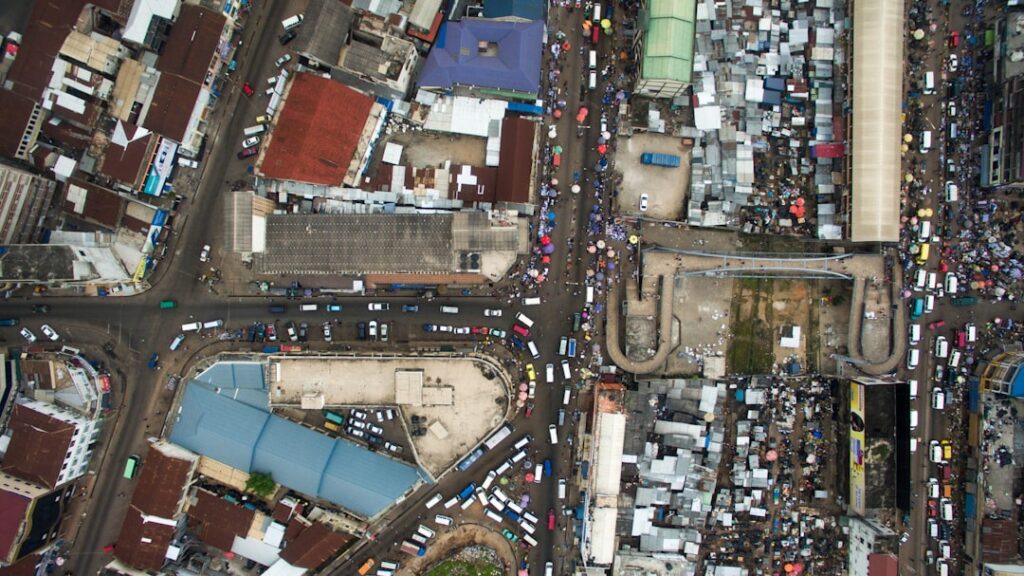
Kumasi, Ghana (Kejetia Market’s chaos): Stunning Culture, Commerce & Controlled Chaos (2025)
At 7:30 AM, the scent of smoked fish and fresh plantain wafts through Kejetia Market’s 12,000 stalls as 80,000 traders begin their day. This isn’t just West Africa’s largest open-air market; it’s a living, breathing economic organism where the art of the deal is performed in Twi, Ga, and the universal language of commerce. While most tourists head straight to Accra, savvy travelers discover that Kumasi’s true soul isn’t found in quiet museums, but in this magnificent, overwhelming symphony of daily life.
Why Kumasi, Ghana (Kejetia Market’s chaos) Stands Out

Man in red and white plaid button up shirt standing beside black car during…, Kumasi, Ghana (Kejetia Market’s chaos)
- Historic Architecture: The Manhyia Palace, built in 1925, serves as the official residence of the Asantehene, the King of the Ashanti, and is a profound symbol of unbroken royal lineage and resistance.
- Cultural Scene: The Akwasidae Festival, held every six weeks at the palace, is a vibrant spectacle of drumming, ceremonial umbrella displays, and royal procession that brings centuries of Ashanti tradition to the streets.
- Local Specialties: You must try *fufu* (pounded cassava and plantain) with *light soup* and goat meat, a staple dish where the rhythmic pounding is as integral to the experience as the eating.
Pro Tip: The best time to dive into Kejetia Market is on a Tuesday or Friday morning before 10 AM. These are traditional market days, so the energy is at its peak, but you’ll beat the intense midday heat and the largest crowds, giving you space to breathe and bargain.
Map of Kumasi, Ghana (Kejetia Market’s chaos)
Use these interactive maps to explore Kumasi, Ghana (Kejetia Market’s chaos) and plan your route:
📍 View Kumasi, Ghana (Kejetia Market’s chaos) on OpenStreetMap
🗺️ Open Kumasi, Ghana (Kejetia Market’s chaos) in Google Maps
Planning Your Trip: Practical Essentials
Getting There and Around
- By Air: Fly into Kumasi International Airport (KMS). Major airlines like Africa World Airlines and PassionAir connect from Accra (45-minute flight). A taxi to the city center costs about 50-70 GHS. Book flights at Skyscanner for best deals.
- By Train: There is currently no intercity passenger rail service to Kumasi. Travelers often take the comfortable STC or VIP buses from Accra, a 4-5 hour journey.
- By Car: Driving from Accra via the N6 highway takes about 5 hours. Parking in central Kumasi, especially near Kejetia, is notoriously difficult. Renting a car with a driver is a popular and sensible option. Compare car rentals at RentalCars.com.
- Local Transport: Use “trotros” (shared minibuses) for the authentic, ultra-cheap experience (2-5 GHS per ride). Metered taxis are best hailed through your hotel. For Kejetia, many seasoned travelers recommend walking within the central zone to fully immerse yourself.
Best Time to Visit
Kumasi has a tropical climate with two main rainy seasons. The ideal time balances pleasant weather with cultural events.
| Season | Weather | Highlights |
|---|---|---|
| Dry Season (Nov–Mar) | Warm, 28-33°C (82-91°F), low humidity, little rain. | Best for market exploration and city walking. Coincides with major festivals like Akwasidae. Peak tourist season. |
| Minor Rainy Season (Apr–Jul) | Hotter, 30-35°C (86-95°F), with sporadic heavy showers, often in the afternoon. | Lush, green scenery. Fewer crowds and lower prices. Mornings are usually clear for activities. |
| Major Rainy Season (Aug–Oct) | Humid, 25-30°C (77-86°F), with frequent, prolonged rainfall. | Quietest time for tourism. Indoor cultural sites like the Palace Museum are still excellent. Be prepared for rain delays. |
Budgeting for Kumasi, Ghana (Kejetia Market’s chaos)

Vibrant street market in Ghana with people interacting and buses nearby., Kumasi, Ghana (Kejetia Market’s chaos)
| Category | Budget | Mid-range | Luxury |
|---|---|---|---|
| Accommodation | Guesthouse: 150-250 GHS/night | 3-star hotel: 350-600 GHS/night | 5-star (e.g., Golden Tulip): 800+ GHS/night |
| Meals | Street food/Chop bar: 15-40 GHS | Local restaurant: 40-80 GHS | Hotel fine dining: 120+ GHS |
| Transport | Trotro/Walk: 5-20 GHS/day | Taxi day hire: 150-250 GHS | Private car & driver: 400+ GHS/day |
| Activities | Market exploring, free festivals | Museum entries (~50 GHS), guided tours | Private cultural tours, exclusive workshops |
| Daily Total | 200-350 GHS | 600-1000 GHS | 1500+ GHS |
Top Attractions and Must-See Sights
| Attraction | Description | Hours | Entry Fee |
|---|---|---|---|
| Kejetia Market | A sprawling, multi-level maze of commerce where you can find everything from handwoven kente cloth to traditional medicine. | 7:00 AM – 6:00 PM (stalls vary) | Free (Budget for shopping!) |
| Manhyia Palace Museum | The former palace, offering profound insight into the history, artifacts, and resilience of the Ashanti Kingdom. | 9:00 AM – 4:30 PM (Mon-Sat) | 50 GHS (Foreign Adult) |
| Okomfo Anokye Sword Site | The legendary sword, plunged into the ground by a priest in the 1700s, said to hold the Ashanti nation together. | 8:00 AM – 5:00 PM (Daily) | 10 GHS |
| National Cultural Centre | A complex featuring the Prempeh II Jubilee Museum, a craft market, and a workshop where you can see kente weavers at work. | 9:00 AM – 5:00 PM (Tue-Sun) | Museum: 30 GHS |
3-Day Itinerary: Kumasi, Ghana (Kejetia Market’s chaos)’s Highlights & Hidden Gems
Day 1: The Heart of the Ashanti Kingdom
- Morning (8:30 AM): Start at the Manhyia Palace Museum. Arrive early to absorb the history of the Ashanti Confederacy before the crowds. Your best bet is to hire one of the on-site guides (tip 30-50 GHS) for rich, personal storytelling.
- Afternoon (1:00 PM): Head to **Bryan’s Grill** near Adum for a lunch of perfectly grilled tilapia and banku (about 45 GHS). Then, visit the nearby Okomfo Anokye Sword Site to see the legendary, unmovable artifact.
- Evening (6:00 PM): Experience dinner at **Asaana Restaurant** in Ahodwo. Don’t miss their *Nkatenkwan* (groundnut soup) with fufu. For a nightcap, find a local spot for *pito* (a fermented millet drink).
Day 2: Immersion in Kejetia & Crafts
- Morning (7:30 AM): Enter Kejetia Market with a local guide (book via your hotel, ~150 GHS for 3 hours). This is essential for navigation and cultural translation. Focus on the textile section for authentic kente and the food stalls for fresh *kelewele* (spicy fried plantain).
- Afternoon (12:30 PM): Escape the market bustle for lunch at **Vic Baboo’s Continental Restaurant**, a Kumasi institution known for its Indian-Ghanaian fusion. Afterwards, visit the National Cultural Centre to watch master weavers create kente cloth and shop for fixed-price crafts.
- Evening (5:30 PM): Take a taxi to the **Patase Hotel** for a relaxed drink by the pool, a welcome respite. For dinner, try **Santasi Restaurant** for a superb buffet showcasing dishes from across Ghana.
Day 3: History, Nature & Departure
- Morning (8:00 AM): Hire a taxi for the day (approx. 250 GHS) to visit the **Ashanti Craft Villages**. Start at **Ahwiaa** (woodcarving), then **Ntonso** (Adinkra cloth stamping), and **Bonwire** (kente weaving). You’ll see artisans at work and buy directly from sources.
- Afternoon (1:00 PM): Enjoy a simple lunch in Bonwire. Return to Kumasi and, if time allows, take a peaceful walk through the **Kumasi Zoo and Botanical Gardens** (Entry: 15 GHS).
- Evening (6:00 PM): For your final meal, savor the ambiance and local dishes at **Four Villages Inn** in Ahodwo. It’s the perfect place to reflect on the vibrant chaos and deep culture of the Ashanti heartland.
Cultural Insights & Etiquette
- Language: While English is the official language, learning a few Twi phrases is deeply appreciated. “Me ma wo akye” (Good morning), “Medaase” (Thank you), and “Ɛte sɛn?” (How are you?) go a long way.
- Customs: Always greet people before launching into business or questions. When handing or receiving items, use your right hand as a sign of respect. The left hand is considered unclean.
- Tipping: Not always expected but appreciated. In restaurants, 5-10% is fine if service isn’t included. For guides, 30-50 GHS for a half-day is standard. Tip porters 5-10 GHS.
- Dress Code: Modesty is key, especially at cultural sites. Avoid shorts and sleeveless tops at the Palace. In the market, wear comfortable, closed-toe shoes you don’t mind getting dirty.
- Business Hours: Typical shop hours are 8:30 AM to 5:00 PM, often with a break around 1 PM. Government offices and some museums are closed on Sundays. Major banks are open weekdays 8:30 AM-4:00 PM.
Where to Eat: Kumasi, Ghana (Kejetia Market’s chaos)’s Best Bites
Kumasi’s food scene is a hearty blend of traditional Ashanti staples and cosmopolitan influences. Dining is social, often centered around a shared bowl of soup and starch. Don’t be shy to eat with your hands—it’s the traditional way for many local dishes.
Must-Try Local Specialties
- Fufu with Light Soup: The national dish. Pounded yam/plantain in a tangy, tomato-based soup with goat meat. Try it at any reputable “chop bar” like **Linda Dor Restaurant**.
- Jollof Rice: Ghana’s famous one-pot rice dish, often spicier than its West African cousins. **Ampomaah Restaurant** near KNUST is legendary for its version.
- Waakye: Rice and beans cooked in a millet leaf, served with spaghetti, fried plantain, and a sharp *shito* (black pepper sauce). Best found at street-side stalls in the morning.
Restaurant Recommendations by Budget
| Type | Restaurant | Specialty | Price Range |
|---|---|---|---|
| Budget | Kejetia Market Food Stalls (Central Ring) | Fresh *Kelewele*, *Waakye*, grilled meat | 5-20 GHS |
| Mid-range | Bryan’s Grill (Adum) | Grilled Tilapia & Banku, Continental Dishes | 40-80 GHS |
| Fine dining | Four Villages Inn (Ahodwo) | Upscale Ghanaian & International cuisine in a serene garden setting | 100-200 GHS |
Where to Stay
Accommodation in Kumasi ranges from basic guesthouses to international business hotels. The most convenient areas are Adum (city center, close to markets) and Ahodwo/KNUST (more residential, quieter). Compare prices and book at Booking.com or Airbnb for apartments.
Best Neighborhoods for Accommodation
- Adum: The bustling commercial heart. You’re within walking distance of Kejetia Market and major banks. Perfect for those who want to be in the thick of it. Can be noisy at night.
- Ahodwo & Santasi: More upscale, leafy suburbs with quieter streets, better restaurants, and larger hotels like the Golden Tulip. A short, cheap taxi ride from the center. Ideal for mid-range and luxury travelers.
- KNUST Area: Near the university, vibrant with student life, affordable eateries, and guesthouses. Offers a youthful, local vibe slightly removed from the downtown frenzy.

Aerial drone view of Adomi Bridge spanning the Volta River in Ghana, Kumasi, Ghana (Kejetia Market’s chaos)
FAQs: Your Kumasi, Ghana (Kejetia Market’s chaos) Questions Answered
1. Is Kumasi, Ghana (Kejetia Market’s chaos) safe at night?
Kumasi is generally safe, but standard precautions apply. Avoid poorly lit areas at night, don’t flash valuables, and use registered taxis arranged by your hotel after dark. Kejetia Market itself should be visited during daylight hours. Petty theft like pickpocketing can occur in crowded areas, so keep bags secure and in front of you.
2. What currency is used and are credit cards accepted?
The currency is the Ghanaian Cedi (GHS). As of late 2023, $1 USD ≈ 12 GHS. Always carry cash, especially for markets, taxis, and smaller establishments. Credit cards (Visa/Mastercard) are accepted at larger hotels, upscale restaurants, and supermarkets. ATMs are widely available in Adum and shopping malls.
3. How do I get from the airport to the city center?
Kumasi Airport (KMS) is only about 10 minutes from the city. Your best bet is to take an official airport taxi, which operates on
Related Guides
Explore more destinations similar to Kumasi:
- Mtskheta, Georgia: Essential Ancient Crossroads, Sacred Relics & Rustic Feasts (2025)
- Macau, China’s Hidden Glitter, Gastronomy & Global Heritage (2026)
- Tanna’s Yasur Volcano, Vanuatu’s Essential Fire, Kastom & Island Adventure (2026)
- Bergen’s Ultimate Fjords, Fish Markets & Hanseatic Heritage (2025)

