
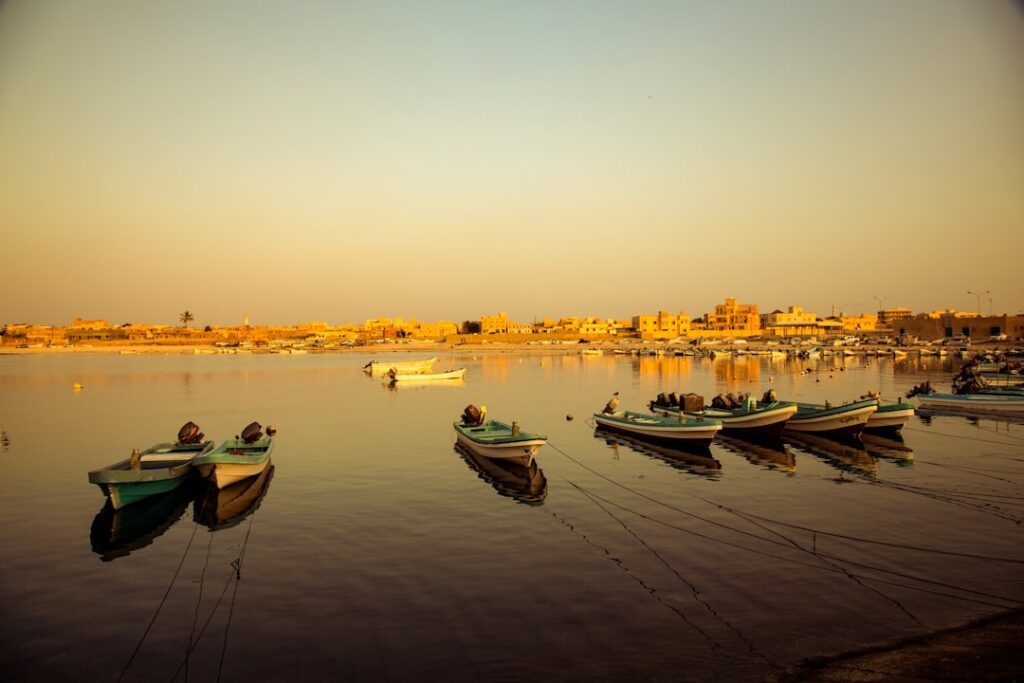
Dhofar, Oman’s Incredible Frankincense, Monsoons & Empty Beaches (2025)
While crowds flock to Dubai’s artificial islands and air-conditioned malls, Dhofar, Oman delivers authentic Arabian culture without the commercial glitz. Here’s why savvy travelers choose differently: between June and September, this region experiences the khareef monsoon when mountains transform into Ireland-green landscapes, frankincense trees weep their precious resin along ancient trade routes, and you can have kilometer-long beaches entirely to yourself. This is Arabia as it existed for centuries before skyscrapers.
Why Dhofar, Oman Stands Out

Flock of flamingos on water during daytime, Dhofar, Oman
- Historic Architecture: Al Baleed Archaeological Park’s 12th-century ruins showcase the region’s ancient frankincense trading empire with UNESCO World Heritage status.
- Cultural Scene: The Salalah Tourism Festival each summer celebrates the khareef season with camel races, traditional music, and Bedouin markets.
- Local Specialties: Don’t miss shuwa – lamb marinated in spices, wrapped in banana leaves, and slow-cooked in underground sand ovens for 48 hours.
Pro Tip: Visit during khareef season (late June to early September) for the spectacular green transformation, but book accommodation 3 months ahead as this is peak Omani tourism season. For solitude, come in October when landscapes remain lush but crowds have dispersed.
Map of Dhofar, Oman
Use these interactive maps to explore Dhofar, Oman and plan your route:
📍 View Dhofar, Oman on OpenStreetMap
🗺️ Open Dhofar, Oman in Google Maps
Planning Your Trip: Practical Essentials
Getting There and Around
- By Air: Salalah Airport (SLL) receives direct flights from Muscat, Dubai, Doha, and seasonal European charters. Oman Air and Salam Air are the main carriers. Taxis to city center cost 5-7 OMR. Book flights at Skyscanner for best deals.
- By Train: No railway connections exist in Dhofar – the stunning 10-hour coastal drive from Muscat via rental car is your overland option. Reserve tickets at Trainline or the national railway website for other destinations.
- By Car: The Route 47 coastal road offers breathtaking Indian Ocean views. Rental cars cost 15-25 OMR/day. 4WD essential for mountain and desert excursions. Compare car rentals at RentalCars.com.
- Local Transport: Orange-and-white taxis are plentiful in Salalah (2-5 OMR within city). No ride-sharing apps operate here – negotiate fares before entering. Check official city transport websites for passes and schedules.
Best Time to Visit
Dhofar’s climate divides sharply between dry desert conditions and the miraculous khareef monsoon season that transforms the landscape into something resembling tropical highlands.
| Season | Weather | Highlights |
|---|---|---|
| Summer (Jun–Aug) | 22-28°C, misty rains, 90% humidity during khareef | Lush green mountains, waterfalls, festivals; crowded with Gulf tourists |
| Winter (Dec–Feb) | 18-25°C, dry and sunny with cool evenings | Perfect beach weather, whale watching, empty archaeological sites |
| Shoulder (Apr–May/Sep–Oct) | 25-32°C, transitioning between seasons | Best value, pleasant temperatures, some greenery remains in October |
Budgeting for Dhofar, Oman
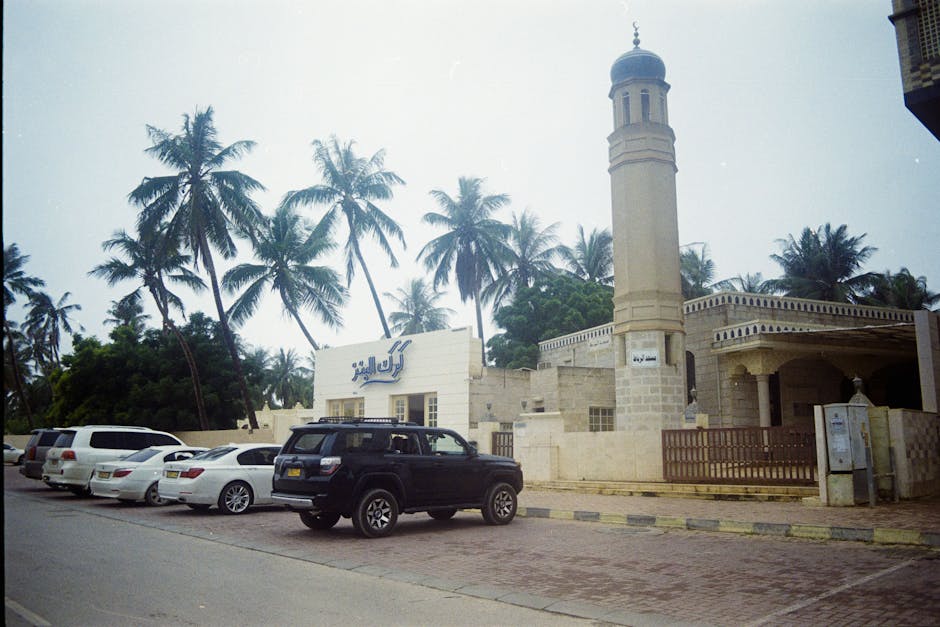
Exterior view of a mosque in Salalah, Dhofar, Oman
| Category | Budget | Mid-range | Luxury |
|---|---|---|---|
| Accommodation | 15-25 OMR (local guesthouses) | 35-60 OMR (3-4 star hotels) | 80-150 OMR (resorts like Al Baleed) |
| Meals | 3-5 OMR (street food, local cafes) | 8-12 OMR (restaurant meals) | 20-30 OMR (resort dining) |
| Transport | 2-4 OMR (taxis, shared) | 15 OMR (rental car base) | 40 OMR (private driver) |
| Activities | Free beaches, ruins | 5-10 OMR (museum entries) | 25 OMR (private guided tours) |
| Daily Total | 20-34 OMR | 63-97 OMR | 165-245 OMR |
Top Attractions and Must-See Sights
| Attraction | Description | Hours | Entry Fee |
|---|---|---|---|
| Al Baleed Archaeological Park | UNESCO World Heritage site with ancient frankincense trading port ruins dating to 8th century | 8 AM-8 PM Sat-Thu, 4-8 PM Fri | 1 OMR (includes museum) |
| Wadi Darbat | Spectacular valley with waterfalls, caves, and boating during khareef season | 24 hours (best 7 AM-5 PM) | Free (boat rental 3 OMR) |
| Sumhuram Old City | 2,000-year-old frankincense trading city with impressive stone walls and sea views | 8 AM-6 PM | 1 OMR |
| Taqah Castle | Beautifully restored 19th-century fort offering panoramic views of fishing village | 8 AM-2 PM, 4-7 PM | 0.5 OMR |
3-Day Itinerary: Dhofar, Oman’s Highlights & Hidden Gems
Day 1: Frankincense Trail & Coastal Wonders
- Morning: 7-9 AM at Al Baleed Archaeological Park to explore ancient ruins before the heat. Local guides often wait near the entrance – 5 OMR for a 90-minute tour brings the 12th-century trading port to life.
- Afternoon: 12-3 PM coastal drive to Mughsail Beach with its dramatic blowholes and frankincense trees lining the road. Lunch at Darbat Restaurant for fresh grilled hamour fish (7 OMR).
- Evening: 6-8 PM frankincense souq exploration in Salalah followed by dinner at Bin Ateeq for authentic Omani cuisine – their harees (wheat and meat porridge) is legendary (9 OMR).
Day 2: Mountain Magic & Desert Dreams
- Morning: Early 6 AM start to Wadi Darbat (45-minute drive) to see waterfalls before crowds arrive – boat rental costs 3 OMR for 30 minutes through stunning limestone formations.
- Afternoon: Jabal Samhan lookout point for breathtaking canyon views, then lunch at Sahn Al Jabel restaurant perched mountainside with traditional Omani floor seating (12 OMR).
- Evening: Sunset at Empty Quarter desert edge – most tourists stop at the first dunes, but drive 15 minutes further for complete solitude amid rose-colored sands.
Day 3: Cultural Immersion & Hidden Beaches
- Morning: Taxi to Taqah Castle (5 OMR from Salalah) to explore the 19th-century fort and watch local fishermen. Don’t miss the hidden rooftop view of the entire coastal plain.
- Afternoon: Traditional Omani coffee ceremony experience at Salalah Heritage Gallery followed by lunch at the attached restaurant specializing in maqbous (spiced rice with meat, 8 OMR).
- Evening: Final beach stroll at Al Fizayah Beach – this hidden cove requires a rough road descent but rewards with turquoise waters and often complete privacy for sunset.
Cultural Insights & Etiquette
- Language: Arabic is official language; learn “as-salaam alaykum” (hello), “shukran” (thank you), “kam ath-thaman?” (how much?) – English works in hotels but not rural areas
- Customs: Always accept dates and Omani coffee when offered – refusing is considered rude; use right hand for eating and handing items
- Tipping: Not expected but appreciated – 10% in restaurants if service charge not included; round up taxi fares
- Dress Code: Modest clothing essential – shoulders and knees covered for both genders; women should carry a scarf for mosque visits
- Business Hours: Shops open 9 AM-1 PM, 4-9 PM (closed Friday mornings); government offices 7:30 AM-2:30 PM; everything closes during prayer times
Where to Eat: Dhofar, Oman’s Best Bites
Omani cuisine reflects the region’s maritime history and Bedouin roots – expect lots of fish, rice, dates, and slow-cooked meats infused with frankincense-scented smoke in upscale establishments.
Must-Try Local Specialties
- Shuwa: The ultimate celebration dish – lamb marinated for two days in underground ovens. Best at traditional weddings but occasionally available at Bin Ateeq restaurant.
- Mashuai: Whole roasted kingfish served with lemon rice – coastal specialty found at every fishing village restaurant along the Taqah to Mirbat stretch.
- Halwa: Gelatinous sweet made from rosewater, nuts, and sugar – purchase from the halwa souq in Salalah where shops have been making it for generations.
Restaurant Recommendations by Budget
| Type | Restaurant | Specialty | Price Range |
|---|---|---|---|
| Budget | Al Mina Restaurant (Salalah port area) | Fresh grilled fish with rice and salad | 3-5 OMR |
| Mid-range | Marbella Resort Restaurant (east of Salalah) | Friday seafood buffet with Omani specialties | 12-18 OMR |
| Fine dining | Anantara Al Baleed Resort | Frankincense-infused tasting menu with beach views | 25-40 OMR |
Where to Stay
Accommodation ranges from basic city hotels to luxurious beach resorts. Salalah offers the most options, while coastal areas provide more authentic experiences. Compare prices and book at Booking.com or Airbnb for apartments.
Best Neighborhoods for Accommodation
- Al Haffa: Historic district near souq and sea – charming older hotels, walkable to attractions, can be noisy; perfect for culture lovers
- Awqad: Modern commercial center with shopping malls and international hotels – convenient but lacks character; ideal for business travelers
- Al Baleed: Southern beachfront area with luxury resorts – stunning locations but requires taxis everywhere; best for resort-style relaxation

Stunning ornate dome with grand chandelier at Sultan Qaboos Grand Mosque, Dhofar, Oman
FAQs: Your Dhofar, Oman Questions Answered
1. Is Dhofar, Oman safe at night?
Extremely safe – Oman has among the world’s lowest crime rates. Women can comfortably walk alone at night in well-lit areas. Standard precautions apply regarding valuables, but violent crime is virtually unheard of.
2. What currency is used and are credit cards accepted?
Omani Rial (OMR) is the currency, approximately 2.6 USD to 1 OMR. Credit cards accepted in hotels and larger restaurants, but carry cash for souqs, taxis, and rural areas. ATMs widely available in Salalah.
3. How do I get from the airport to the city center?
Orange-and-white taxis wait outside arrivals – fixed fare to Salalah city center is 5 OMR (15 minutes). No public bus service operates from the airport. Book airport transfers at GetYourGuide for convenience.
4. Do I need to speak the local language?
English suffices in tourist areas and hotels, but learning basic Arabic phrases enhances your experience significantly. In rural mountain and desert communities, English speakers are rare – have your hotel write destinations in Arabic.
5. What’s the appropriate dress code?
Modest clothing is mandatory – cover shoulders and knees for both genders. Women should carry a scarf. Beachwear only at resort pools/beaches. Light, loose natural fabrics work best in the humidity.
Final Thoughts: Dhofar, Oman Awaits
Dhofar offers something increasingly rare in the modern Middle East – an authentic Arabian experience untouched by mass tourism. Between the misty green mountains of khareef season, the ancient frankincense trade routes that shaped civilizations, and beaches where your footprints might be the only ones, this region captures Oman’s soul. Savvy travelers know to visit now, before the secret gets out. Don’t leave without experiencing sunset at the Empty Quarter’s edge, when the dunes glow rose-gold and you’ll understand why this land inspired centuries of legends.
Related Guides
Explore more destinations similar to Dhofar:
- Bukedea, Uganda’s Best Rural Immersion, Ancient Culture & Untamed Landscapes (2026)
- Diyarbakır, Turkey: Ultimate Basalt Walls, Ancient Faith & Mesopotamian Flavors (2025)
- Elbasan, Albania’s Essential Fortresses, Thermal Springs & Ottoman Soul (2026)
- Tingi Hills, Sierra Leone: Ultimate Rainforests, Rare Wildlife & Sacred Summits (2026)
{“@context”: “https://schema.org”, “@type”: “FAQPage”, “mainEntity”: [{“@type”: “Question”, “name”: “What is the best time to visit Dhofar?”, “acceptedAnswer”: {“@type”: “Answer”, “text”: “The best time to visit Dhofar depends on your preferences. Generally, the dry season offers the most pleasant weather for sightseeing and outdoor activities.”}}, {“@type”: “Question”, “name”: “How many days do I need in Dhofar?”, “acceptedAnswer”: {“@type”: “Answer”, “text”: “Most travelers spend 3-5 days in Dhofar to see the main attractions. A week allows for a more relaxed pace and day trips.”}}, {“@type”: “Question”, “name”: “Is Dhofar expensive to visit?”, “acceptedAnswer”: {“@type”: “Answer”, “text”: “Dhofar can be visited on various budgets. Accommodation ranges from hostels to luxury hotels, and local restaurants offer affordable dining.”}}]}

