
Colosseum, Italy’s Incredible Gladiators, Underground Secrets & Sunset Views (2025)
What if you could walk through the same tunnels where gladiators prepared for combat? The Colosseum’s newly opened underground passages reveal exactly that – 80% of visitors miss this experience by not booking the right ticket. While 7.6 million people annually visit Rome’s ancient amphitheater, only 3,000 daily gain access to the hypogeum where wild animals and fighters awaited their fate. This is where history becomes tangible, not just visible.
Why Colosseum, Italy Stands Out

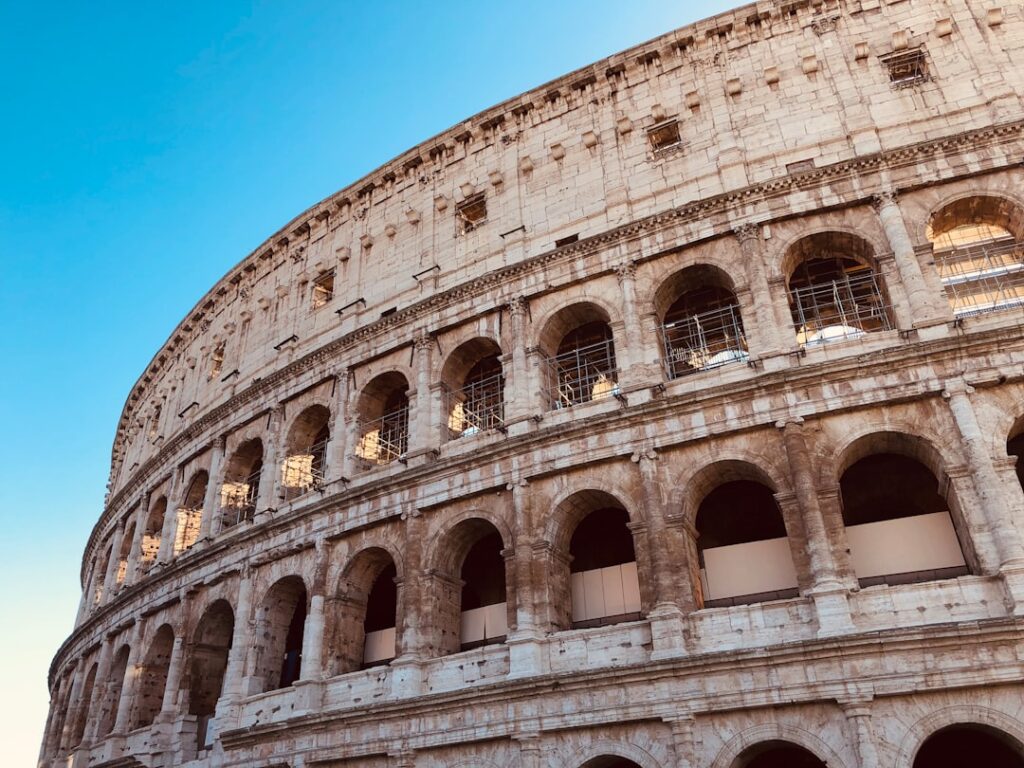
Brown concrete building, Colosseum, Italy
- Historic Architecture: The Flavian Amphitheater (AD 80) could hold 50,000 spectators for gladiatorial games and public spectacles, showcasing Roman engineering genius.
- Cultural Scene: Evening light shows projecting historical scenes onto the ancient walls transform the monument into a living history book.
- Local Specialties: Saltimbocca alla Romana – veal with prosciutto and sage that literally “jumps in your mouth” at nearby trattorias.
Pro Tip: Book the “Full Experience” ticket online 30 days in advance for 8:30 AM entry – you’ll have the arena floor almost to yourself before crowds arrive at 10 AM. February and November offer the shortest lines and most comfortable temperatures.
Map of Colosseum, Italy
Use these interactive maps to explore Colosseum, Italy and plan your route:
📍 View Colosseum, Italy on OpenStreetMap
🗺️ Open Colosseum, Italy in Google Maps
Planning Your Trip: Practical Essentials
Getting There and Around
- By Air: Rome Fiumicino (FCO) serves international flights; take the Leonardo Express train (32 minutes, €14) to Termini Station. Book flights at Skyscanner for best deals.
- By Train: Roma Termini connects to major Italian cities; high-speed Frecciarossa from Florence takes 1.5 hours. Reserve tickets at Trainline or the national railway website.
- By Car: Limited ZTL zones restrict central access; park at Villa Borghese (€18/day) and walk 15 minutes. Compare car rentals at RentalCars.com.
- Local Transport: Metro Line B stops at Colosseo station; Roma 72-hour pass costs €18. Check official city transport websites for passes and schedules.
Best Time to Visit
Spring and autumn deliver ideal conditions with moderate crowds and perfect photography light. Summer brings intense heat but extended evening hours, while winter offers dramatic atmosphere with fewer visitors.
| Season | Weather | Highlights |
|---|---|---|
| Summer (Jun–Aug) | 28-32°C, dry and sunny | Extended evening hours until 7:15 PM, but maximum crowds and heat |
| Winter (Dec–Feb) | 8-12°C, occasional rain | Minimal queues, dramatic atmosphere, but shorter visiting hours |
| Shoulder (Apr–May/Sep–Oct) | 18-24°C, mild and pleasant | Optimal conditions, good light for photography, manageable crowds |
Budgeting for Colosseum, Italy

A close up of the side of an ancient building, Colosseum, Italy
| Category | Budget | Mid-range | Luxury |
|---|---|---|---|
| Accommodation | €60-90/night (hostels/budget hotels) | €120-200/night (3-4 star hotels) | €300+/night (5 star with views) |
| Meals | €15-25 (pizza al taglio, street food) | €40-60 (trattoria meals with wine) | €100+ (fine dining with pairing) |
| Transport | €7/day (metro/bus passes) | €20/day (taxis between sites) | €80+/day (private driver) |
| Activities | €16 (basic Colosseum ticket) | €24 (Full Experience ticket) | €75 (private guided tour) |
| Daily Total | €98-138 | €204-304 | €500+ |
Top Attractions and Must-See Sights
| Attraction | Description | Hours | Entry Fee |
|---|---|---|---|
| Colosseum Underground | Walk through gladiator preparation tunnels and animal elevators used during games | 9 AM-4:30 PM | €24 (Full Experience) |
| Roman Forum | Ancient city center with temples, government buildings, and Via Sacra processional road | 9 AM-7:15 PM | €16 (combined ticket) |
| Palatine Hill | Birthplace of Rome with imperial palace ruins and panoramic city views | 9 AM-7:15 PM | €16 (combined ticket) |
| Arch of Constantine | Massive triumphal arch celebrating Constantine’s victory in 312 AD | 24 hours (exterior) | Free |
3-Day Itinerary: Colosseum, Italy’s Highlights & Hidden Gems
Day 1: Ancient Rome Immersion
- Morning: 8:30 AM Full Experience ticket at Colosseum (€24) – explore underground and arena floor before crowds arrive. Guides often point out where emperor’s box was located.
- Afternoon: Roman Forum exploration and Li Rioni pizzeria for authentic Roman-style pizza (€12-18) with perfectly charred crusts.
- Evening: Golden hour photography from Oppian Hill park followed by dinner at Trattoria Luzzi (Via Celimontana 1) for cacio e pepe (€9).
Day 2: Imperial Power & Local Life
- Morning: Palatine Hill sunrise walk (free before gates open) – find the secret orange garden with stunning Colosseum views.
- Afternoon: Capitoline Museums (€15) featuring Marcus Aurelius statue and she-wolf sculpture, then lunch at Mercato Centrale Roma (multiple vendors, €15-25).
- Evening: Night tour of Colosseum exterior with projection show (free from street level) and aperitivo at Coming Out LGBTQ bar with lively local atmosphere.
Day 3: Beyond the Amphitheater
- Morning: Metro to Pyramid of Cestius (€1.50 single ticket) and Protestant Cemetery where Keats and Shelley are buried (€3 donation).
- Afternoon: Testaccio market food tour (€45) sampling porchetta and supplì, then explore Monti district’s artisan shops.
- Evening: Final Colosseum viewing from Via Nicola Salvi steps with gelato from Gelateria dei Gracchi (pistachio recommended).
Cultural Insights & Etiquette
- Language: Learn “buongiorno” (good morning), “per favore” (please), and “dov’è il bagno?” (where’s the bathroom?) – Italians appreciate the effort
- Customs: Greet shopkeepers when entering stores, dress modestly for churches (covered shoulders/knees), and never cut pasta – twirl it
- Tipping: Service included in restaurant bills; round up or leave 5-10% for exceptional service – coins on bar counters appreciated
- Dress Code: Comfortable walking shoes essential, smart-casual for dinner reservations, bring scarf for sudden church visits
- Business Hours: Shops close 1-4 PM for riposo, museums closed Mondays, churches close for midday mass
Where to Eat: Colosseum, Italy’s Best Bites
Roman cuisine revolves around four classic pasta dishes and nose-to-tail eating. You’ll find exceptional trattorias in the side streets rather than directly beside the monument.
Must-Try Local Specialties
- Cacio e Pepe: Simple perfection of pecorino cheese and black pepper at Trattoria da Danilo (Via Eurialo 13)
- Supplì: Fried rice balls with mozzarella center at Supplizio (Via dei Banchi Vecchi) near Piazza Navona
- Carciofi alla Romana: Braised artichokes with mint and garlic during spring at Armando al Pantheon
Restaurant Recommendations by Budget
| Type | Restaurant | Specialty | Price Range |
|---|---|---|---|
| Budget | Pizzeria da Remo (Testaccio) | Thin-crust Roman pizza by weight | €8-15 |
| Mid-range | Trattoria Monti (Via di San Vito) | Marche region specialties like vincisgrassi | €25-40 |
| Fine dining | Roscioli (Via dei Giubbonari) | Creative Roman cuisine with exceptional wine pairings | €70+ |
Where to Stay
Monti neighborhood offers charming streets just 5 minutes walk from the Colosseum, while Trastevere provides nightlife and authentic atmosphere across the river. Compare prices and book at Booking.com or Airbnb for apartments.
Best Neighborhoods for Accommodation
- Monti: Bohemian charm with artisan shops, 5-minute walk to Colosseum, perfect for first-time visitors
- Trastevere: Lively evening atmosphere, excellent restaurants, 20-minute walk across Tiber River
- Celio: Residential tranquility with garden views, immediate Colosseum access, ideal for families

A group of pillars, Colosseum, Italy
FAQs: Your Colosseum, Italy Questions Answered
1. Is Colosseum, Italy safe at night?
The immediate area is well-patrolled and generally safe, but be vigilant for pickpockets in crowds. Stick to well-lit main streets and avoid isolated areas around the periphery after dark.
2. What currency is used and are credit cards accepted?
Italy uses Euros; credit cards are widely accepted, but keep €20-40 cash for small purchases, market stalls, and restaurants that don’t take cards for bills under €10.
3. How do I get from the airport to the city center?
Fiumicino Airport: Leonardo Express train (32 minutes, €14) to Termini Station then Metro B to Colosseo. Ciampino Airport: Terravision bus (40 minutes, €6) to Termini. Book airport transfers at GetYourGuide for convenience.
4. Do I need to speak the local language?
English is widely spoken in tourist areas, but learning basic Italian phrases enhances your experience. Locals appreciate “buongiorno,” “grazie,” and “per favore.”
5. What’s the appropriate dress code?
Comfortable walking shoes are essential for uneven ancient surfaces. Bring layers – churches require covered shoulders and knees, and summer interiors can be cool despite heat outside.
Final Thoughts: Colosseum, Italy Awaits
Standing before this 2,000-year-old monument puts you in direct conversation with Roman emperors, gladiators, and ancient crowds. What makes the Colosseum extraordinary isn’t just its scale, but how its stories continue to resonate through underground passages and sunset-lit arches. Savvy travelers know the real magic happens when you look beyond the obvious – in the hidden corners of the hypogeum, the quiet morning moments on the arena floor, and the local trattorias where Roman culinary traditions thrive. Don’t just see history – experience it where it happened, and take home memories that will echo through your own stories for years to come. Your best bet? Book that early access ticket, wear comfortable shoes, and prepare to be humbled by engineering that has outlasted empires.
{“@context”: “https://schema.org”, “@type”: “FAQPage”, “mainEntity”: [{“@type”: “Question”, “name”: “What is the best time to visit Colosseum?”, “acceptedAnswer”: {“@type”: “Answer”, “text”: “The best time to visit Colosseum depends on your preferences. Generally, the dry season offers the most pleasant weather for sightseeing and outdoor activities.”}}, {“@type”: “Question”, “name”: “How many days do I need in Colosseum?”, “acceptedAnswer”: {“@type”: “Answer”, “text”: “Most travelers spend 3-5 days in Colosseum to see the main attractions. A week allows for a more relaxed pace and day trips.”}}, {“@type”: “Question”, “name”: “Is Colosseum expensive to visit?”, “acceptedAnswer”: {“@type”: “Answer”, “text”: “Colosseum can be visited on various budgets. Accommodation ranges from hostels to luxury hotels, and local restaurants offer affordable dining.”}}]}
Related Guides
Explore more destinations similar to Colosseum:

