
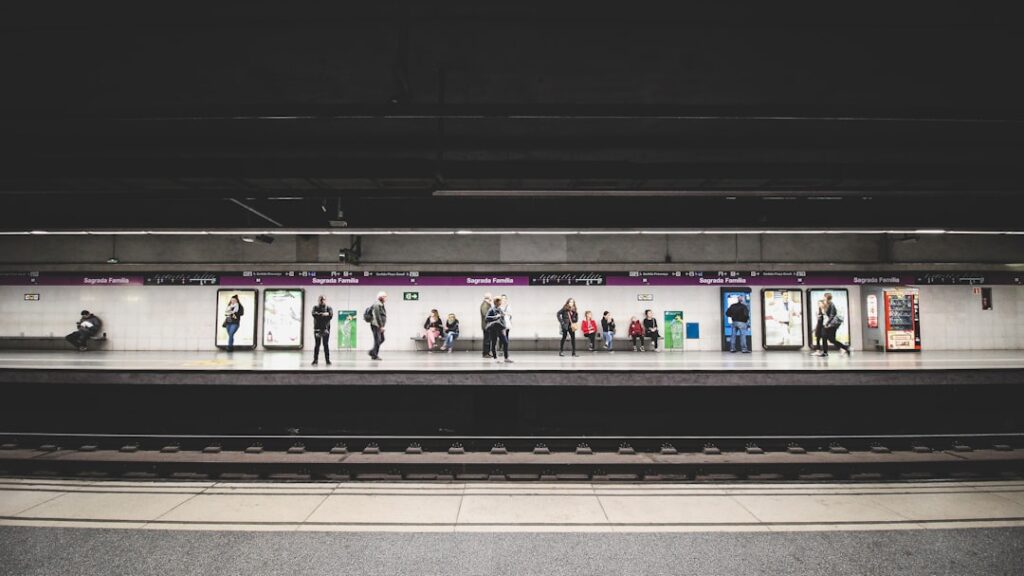
Sagrada Familia, Spain: Ultimate Architectural Wonder, Spiritual Grandeur & Urban Exploration (2025)
What if an unfinished building could become the most visited monument in Spain? The Sagrada Familia proves this paradox, welcoming over 4.5 million visitors annually to a construction site that began in 1882. While most cathedrals took centuries to complete, this one lets you witness living architectural evolution firsthand. The cranes and scaffolding aren’t obstacles—they’re part of the story, with completion planned for 2026, the centenary of architect Antoni Gaudí’s death. You’re not just visiting a monument; you’re stepping into a 140-year creative process that continues to transform Barcelona’s skyline.
Why Sagrada Familia, Spain Stands Out

Brown and beige concrete building, Sagrada Familia, Spain
- Historic Architecture: Gaudí’s Nativity Façade (completed 1930) showcases his organic style with intricate biblical scenes carved in stone
- Cultural Scene: The annual Mercè Festival in September features light projections illuminating the cathedral’s façades
- Local Specialties: Pa amb tomàquet (bread with tomato) at nearby traditional bodegas
Pro Tip: Book your timed entry tickets online 2-3 weeks in advance for 9 AM weekday slots—you’ll experience the morning light streaming through stained glass with 60% fewer crowds than afternoon visits.
Map of Sagrada Familia, Spain
Use these interactive maps to explore Sagrada Familia, Spain and plan your route:
📍 View Sagrada Familia, Spain on OpenStreetMap
🗺️ Open Sagrada Familia, Spain in Google Maps
Planning Your Trip: Practical Essentials
Getting There and Around
- By Air: Barcelona-El Prat Airport (BCN) serves major airlines including Iberia, Vueling, and international carriers. Take the Aerobús (€5.90) to Plaça Catalunya then Metro L2/L5 to Sagrada Familia station. Book flights at Skyscanner for best deals.
- By Train: Barcelona Sants station connects to major Spanish cities via high-speed AVE trains (Madrid to Barcelona: 2h 30m). From Sants, take Metro L5 directly to Sagrada Familia. Reserve tickets at Trainline or the national railway website.
- By Car: Driving in Barcelona’s Eixample district is challenging with limited parking—your best bet is the Sagrada Familia underground parking at Carrer de Provença 480 (€25/day). Compare car rentals at RentalCars.com.
- Local Transport: Barcelona’s Hola BCN! card (€16.40/48 hours) gives unlimited Metro, bus, and tram access—take L2 or L5 to Sagrada Familia station. Check official city transport websites for passes and schedules.
Best Time to Visit
Spring and autumn deliver perfect conditions with comfortable temperatures and thinner crowds, while summer offers vibrant street life despite higher temperatures and visitor numbers.
| Season | Weather | Highlights |
|---|---|---|
| Summer (Jun–Aug) | 26-30°C, humid with occasional thunderstorms | Long daylight hours for photography, lively street cafes, but maximum crowds requiring advance booking |
| Winter (Dec–Feb) | 8-15°C, crisp and sunny with occasional rain | Shortest queues, Christmas markets nearby, lower hotel rates but earlier sunset limits evening exploration |
| Shoulder (Apr–May/Sep–Oct) | 18-24°C, mild with minimal rainfall | Ideal walking weather, manageable crowds, perfect for combining cathedral visits with neighborhood exploration |
Budgeting for Sagrada Familia, Spain

Gold Jesus embossed letters, Sagrada Familia, Spain
| Category | Budget | Mid-range | Luxury |
|---|---|---|---|
| Accommodation | €45-70/night hostels or budget hotels | €100-180/night 3-4 star hotels | €250+/night boutique hotels with terrace views |
| Meals | €15-25/day (market lunches, tapas bars) | €40-60/day (set menus, casual restaurants) | €100+/day (fine dining, gourmet experiences) |
| Transport | €10/day (Metro pass, walking) | €20/day (taxis between attractions) | €50+/day (private transfers, car service) |
| Activities | €26 (basic Sagrada ticket) | €45 (guided tour + tower access) | €85 (private guide + premium experience) |
| Daily Total | €70-100 | €150-220 | €350+ |
Top Attractions and Must-See Sights
| Attraction | Description | Hours | Entry Fee |
|---|---|---|---|
| Sagrada Familia Basilica | Gaudí’s masterpiece featuring forest-inspired columns and kaleidoscopic stained glass | 9 AM-7 PM (seasonal variations) | €26 basic, €34 with tower |
| Nativity Façade Towers | Climb spiral staircases for breathtaking city views from Gaudí’s original completed towers | 9 AM-6 PM (weather permitting) | Included with tower ticket |
| Sagrada Familia Museum | Underground exhibition showcasing architectural models, Gaudí’s workshop, and construction history | 9 AM-7 PM | Included with basilica ticket |
| Gaudí House Museum | The architect’s former residence in Park Güell featuring personal artifacts and furniture designs | 10 AM-6 PM | €5.50 |
3-Day Itinerary: Sagrada Familia, Spain’s Highlights & Hidden Gems
Day 1: Gaudí’s Masterpiece & Modernist Barcelona
- Morning: 8:45 AM timed entry at Sagrada Familia (€34 with Nativity Tower) to witness morning light through stained glass. Arrive 15 minutes early for security—the eastern windows glow fiery orange as sun rises.
- Afternoon: 1 PM lunch at Restaurant La Paradeta Sagrada Familia (€25) for fresh seafood then explore Hospital de Sant Pau’s Modernist architecture (€15), a UNESCO site often overlooked by cathedral crowds.
- Evening: 7 PM guided walk through Eixample district’s Block of Discord featuring Casa Batlló and Casa Milà, followed by dinner at Cerveseria Catalana (€40) for authentic tapas and local wines.
Day 2: Beyond the Basilica – Local Life & Markets
- Morning: 8 AM visit to Mercat de la Sagrada Familia (free entry) where locals shop—sample cheeses and embutidos at stall #24 before the tourist buses arrive.
- Afternoon: 12:30 PM Gothic Quarter exploration starting at Barcelona Cathedral, then discover Roman ruins at MUHBA Temple d’August (€2). Lunch at Els Quatre Gats (€35), Picasso’s former haunt.
- Evening: 6:30 PM flamenco show at Tablao Cordobes (€45 with drink) followed by late dinner at Tickets Bar (reservations 3 months ahead) for avant-garde Spanish cuisine.
Day 3: Park Güell & Barceloneta
- Morning: 9 AM Metro L3 to Lesseps then 15-minute walk to Park Güell (€10 timed entry)—book for earliest slot to photograph the famous mosaic terrace without crowds.
- Afternoon: 1 PM lunch at Can Solé (€50) in Barceloneta for legendary seafood paella, then stroll along the beach promenade to see Frank Gehry’s Golden Fish sculpture.
- Evening: 6 PM return to Sagrada Familia for the sunset light show on the Passion Façade (free from Plaça de Gaudí), then farewell dinner at Moments Restaurant (€120 tasting menu) for Michelin-starred Catalan cuisine.
Cultural Insights & Etiquette
- Language: Locals appreciate “Bon dia” (good morning) and “Gràcies” (thank you) in Catalan rather than Spanish—though English is widely spoken in tourist areas
- Customs: Dinner typically starts at 9 PM, and Catalans value personal space—avoid loud conversations in sacred spaces like the basilica’s nave
- Tipping: Round up taxi fares or leave 5-10% in restaurants for exceptional service only—service charges are usually included
- Dress Code: Shoulders and knees must be covered inside the basilica—carry a scarf, and avoid beachwear in the city center
- Business Hours: Many shops close 2-5 PM for siesta then reopen until 8 PM, while most museums open 10 AM-6 PM Tuesday through Sunday
Where to Eat: Sagrada Familia, Spain’s Best Bites
Barcelona’s food scene blends traditional Catalan recipes with innovative techniques—you’ll find everything from century-old tapas bars to Michelin-starred temples of molecular gastronomy within walking distance of the basilica.
Must-Try Local Specialties
- Pa amb tomàquet: Rustic bread rubbed with tomato, garlic, and olive oil—find the authentic version at Bar del Pla near the cathedral
- Fideuà: Barcelona’s answer to paella made with thin noodles instead of rice—Can Ramonet in Barceloneta serves the classic seafood version
- Crema Catalana: The local crème brûlée with cinnamon and lemon zest—7 Portes near the port has perfected it since 1836
Restaurant Recommendations by Budget
| Type | Restaurant | Specialty | Price Range |
|---|---|---|---|
| Budget | Massive sandwiches with fresh ingredients | €6-10 | |
| Mid-range | Ciudad Condal (Rambla de Catalunya 18) | Creative tapas and excellent vermouth | €25-40 |
| Fine dining | ABaC Restaurant (Avinguda del Tibidabo 1) | Three-Michelin-star Catalan avant-garde cuisine | €200+ tasting menu |
Where to Stay
The Eixample district surrounding Sagrada Familia offers the most convenient accommodation, while Gràcia provides bohemian charm and the Gothic Quarter delivers historic atmosphere. Compare prices and book at Booking.com or Airbnb for apartments.
Best Neighborhoods for Accommodation
- Eixample: Modernist architecture, excellent Metro connections, and walking distance to Sagrada Familia—ideal for first-time visitors wanting convenience
- Gràcia: Village-like atmosphere with charming plazas, independent boutiques, and trendy restaurants—perfect for travelers seeking authentic local experience
- Gothic Quarter: Medieval streets, historic sites, and vibrant nightlife—best for culture enthusiasts who don’t mind 20-minute Metro rides to the basilica

City during day, Sagrada Familia, Spain
FAQs: Your Sagrada Familia, Spain Questions Answered
1. Is Sagrada Familia, Spain safe at night?
The Eixample district around Sagrada Familia is generally safe with good lighting and regular police patrols. However, maintain normal big-city precautions—watch for pickpockets in crowded areas and avoid poorly lit side streets late at night. The plaza in front of the basilica is particularly safe until 11 PM with tourists and locals enjoying the illuminated façades.
2. What currency is used and are credit cards accepted?
Spain uses the Euro (€), and credit cards are widely accepted—though some smaller tapas bars and markets prefer cash. You’ll find ATMs (caixers) throughout the city, but avoid currency exchange offices near tourist sites for better rates at banks. Contactless payments work almost everywhere, though carrying €20-40 in cash for small purchases is wise.
3. How do I get from the airport to the city center?
Barcelona-El Prat Airport offers several options: the Aerobús (€6.75, 35 minutes to Plaça Catalunya) runs every 5-10 minutes, the R2 Nord train (€4.60, 25 minutes to Sants Station) operates every 30 minutes, or taxis cost €30-40 fixed rate to the city center. Book airport transfers at GetYourGuide for convenience.
4. Do I need to speak the local language?
While Catalan and Spanish are both official languages, English is widely spoken in tourist areas, hotels, and restaurants. Locals appreciate basic greetings in Catalan—”Bon dia” (good day), “Si us plau” (please), and “Adéu” (goodbye). For deeper cultural immersion, learning a few phrases will enhance your experience, but you can comfortably navigate with English.
5. What’s the appropriate dress code?
Barcelona is fashion-conscious but practical—smart casual works for most situations. For Sagrada Familia, cover shoulders and knees (scarves available for purchase). Comfortable walking shoes are essential for exploring the city’s cobblestone streets. Upscale restaurants may require more formal attire in the evening, while beachwear is strictly for coastal areas.
Final Thoughts: Sagrada Familia, Spain Awaits
The Sagrada Familia transcends typical monument visits—it’s a living lesson in architectural ambition, spiritual symbolism, and cultural persistence. Beyond the breathtaking interior and iconic skyline, you’ll discover a neighborhood brimming with authentic tapas bars, Modernist treasures, and local markets that reveal Barcelona’s true character. Savvy travelers know the magic happens when you balance must-see sights with spontaneous exploration of the surrounding Eixample district. Don’t just see the basilica—experience how this extraordinary creation continues to shape and be shaped by the city around it. Your visit contributes to a story that’s still being written, with each ticket helping fund the completion of Gaudí’s visionary masterpiece.
{“@context”: “https://schema.org”, “@type”: “FAQPage”, “mainEntity”: [{“@type”: “Question”, “name”: “What is the best time to visit Sagrada Familia?”, “acceptedAnswer”: {“@type”: “Answer”, “text”: “The best time to visit Sagrada Familia depends on your preferences. Generally, the dry season offers the most pleasant weather for sightseeing and outdoor activities.”}}, {“@type”: “Question”, “name”: “How many days do I need in Sagrada Familia?”, “acceptedAnswer”: {“@type”: “Answer”, “text”: “Most travelers spend 3-5 days in Sagrada Familia to see the main attractions. A week allows for a more relaxed pace and day trips.”}}, {“@type”: “Question”, “name”: “Is Sagrada Familia expensive to visit?”, “acceptedAnswer”: {“@type”: “Answer”, “text”: “Sagrada Familia can be visited on various budgets. Accommodation ranges from hostels to luxury hotels, and local restaurants offer affordable dining.”}}]}
Related Guides
Explore more destinations similar to Sagrada Familia:

