
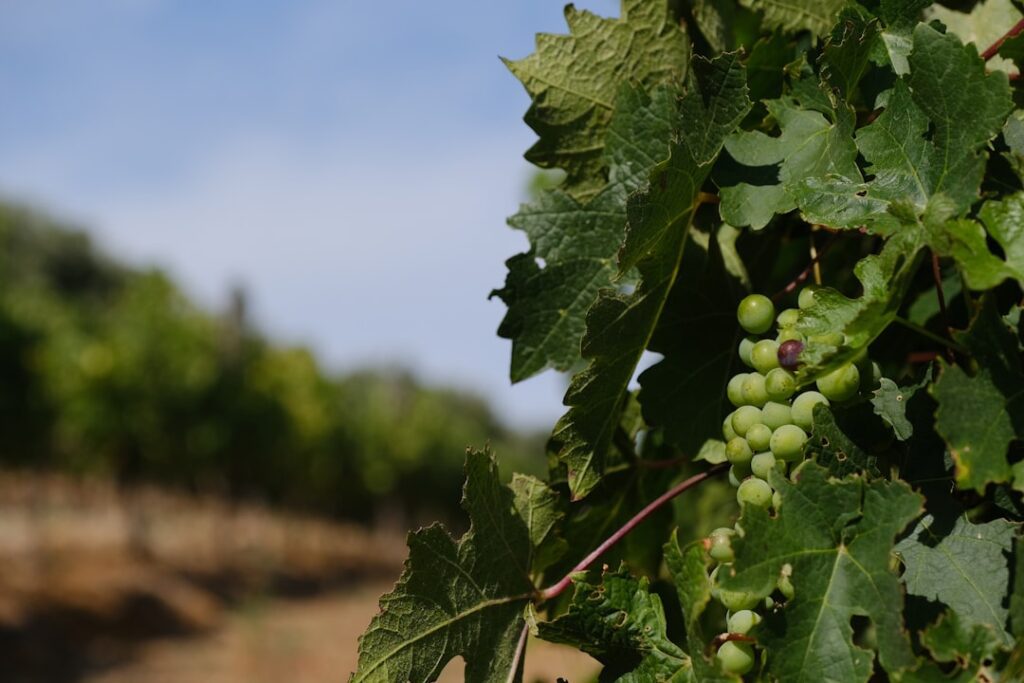
Cape Winelands, South Africa: Ultimate Vineyards, Cape Dutch Architecture & World-Class Cuisine (2025)
What if you could taste wines that rival Bordeaux’s best at one-third the price? Cape Winelands, South Africa proves this daily, with over 200 wine farms producing award-winning vintages where $15 buys you premium tastings that would cost $50+ in Napa Valley. Here, 300-year-old oak trees shade historic estates where you’ll discover Chenin Blancs that have earned international acclaim and Pinotages you simply can’t find anywhere else on earth.
Why Cape Winelands, South Africa Stands Out

Woman in black and white jacket sitting on chair, Cape Winelands, South Africa
- Historic Architecture: Groot Constantia’s manor house (built 1685) showcases pristine Cape Dutch design with its distinctive white gables and thatched roof, once supplying wine to Napoleon.
- Cultural Scene: The Stellenbosch Wine Festival each February transforms the university town into a celebration of new vintages with over 200 wineries participating.
- Local Specialties: Don’t leave without trying waterblommetjiebredie, a traditional lamb and water flower stew that’s uniquely Cape Dutch.
Pro Tip: Visit mid-week (Tuesday-Thursday) between September and November when the spring flowers bloom but the weekend crowds from Cape Town haven’t arrived. Tasting rooms are nearly empty, and you’ll get far more personalized attention from winemakers.
Map of Cape Winelands, South Africa
Use these interactive maps to explore Cape Winelands, South Africa and plan your route:
📍 View Cape Winelands, South Africa on OpenStreetMap
🗺️ Open Cape Winelands, South Africa in Google Maps
Planning Your Trip: Practical Essentials
Getting There and Around
- By Air: Cape Town International Airport (CPT) serves as your gateway, with direct flights from major European hubs. From the airport, it’s a 40-minute drive to Stellenbosch. Book flights at Skyscanner for best deals.
- By Train: While there’s no direct train to the Winelands, the MetroRail from Cape Town to Stellenbosch offers a scenic (though basic) option for budget travelers. Reserve tickets at Trainline or the national railway website.
- By Car: Renting a car gives you ultimate flexibility to explore backroad vineyards. The N1 and R44 form the main arteries connecting Franschhoek, Stellenbosch, and Paarl. Compare car rentals at RentalCars.com.
- Local Transport: The Vine Hopper shuttle (R300/day) connects major wineries, while Uber operates reliably between towns. For a splurge, private drivers cost around R800-R1200 for a full day.
Best Time to Visit
The Winelands shine year-round, but each season offers distinct advantages. Harvest season (February-April) brings vibrant energy and the chance to see winemaking in action, while winter (June-August) offers cozy fireplace dining and fewer crowds.
| Season | Weather | Highlights |
|---|---|---|
| Summer (Dec–Feb) | 25-35°C, dry and sunny | Harvest festivals, outdoor concerts, bustling atmosphere but higher prices |
| Winter (Jun–Aug) | 8-18°C, rainy but mild | Cozy wine tasting by fireplaces, lower accommodation rates, truffle season |
| Shoulder (Mar–May/Sep–Nov) | 15-25°C, pleasant and stable | Ideal walking weather, autumn colors or spring blossoms, perfect balance of activities |
Budgeting for Cape Winelands, South Africa
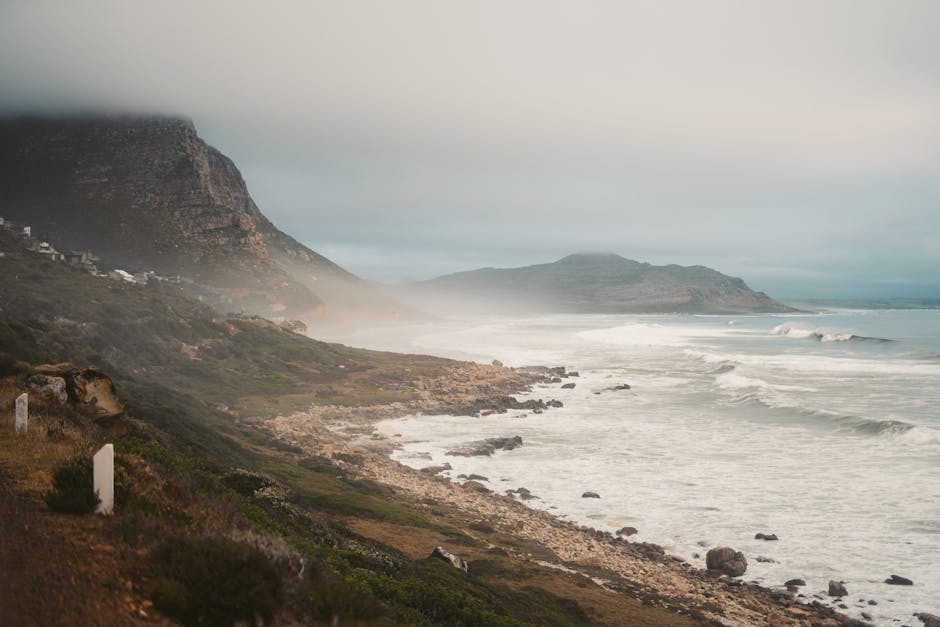
A serene view of Cape Town’s coastline with misty cliffs and crashing waves., Cape Winelands, South Africa
| Category | Budget | Mid-range | Luxury |
|---|---|---|---|
| Accommodation | R600-R900 per night (guesthouses) | R1500-R2500 (boutique hotels) | R4000+ (wine estate villas) |
| Meals | R150-R250 (farm delis, cafes) | R350-R600 (estate restaurants) | R800+ (fine dining tasting menus) |
| Transport | R300 (Vine Hopper shuttle) | R800 (rental car/Uber) | R1200+ (private driver) |
| Activities | R50-R150 (basic tastings) | R200-R400 (premium tastings) | R500+ (private cellar tours) |
| Daily Total | R1100-R1600 ($60-$85) | R2850-R4400 ($150-$230) | R6500+ ($340+) |
Top Attractions and Must-See Sights
| Attraction | Description | Hours | Entry Fee |
|---|---|---|---|
| Boschendal Estate | Historic 1685 farm with magnificent grounds, wine tastings, and farm-to-table dining | 9AM-5PM daily | R100 tasting, free grounds access |
| Franschhoek Wine Tram | Hop-on, hop-off tram visiting 8 premium wineries through breathtaking valley scenery | Departures 10AM-2PM | R260-R300 depending on route |
| Spier Wine Farm | Family-friendly estate with eagle encounters, Segway tours, and picnics by the river | 9AM-5PM daily | R95 basic tasting, activities extra |
| Babylonstoren | Working farm with exquisite gardens, multiple restaurants, and stunning Cape Dutch architecture | 9AM-5PM daily | Free entry, R20 garden tour |
3-Day Itinerary: Cape Winelands, South Africa’s Highlights & Hidden Gems
Day 1: Historic Stellenbosch & University Charm
- Morning: 8:30AM walking tour of Stellenbosch’s oak-lined streets with Adventure Shop (R250) to see the second-oldest town in South Africa, founded 1679.
- Afternoon: Wine tasting at Waterford Estate (R200) followed by lunch at De Wijnhuis with their famous bobotie spring rolls (R180).
- Evening: Sunset drinks at Clouds Estate (R120 for glass of MCC) with panoramic views, then dinner at Spek & Bone for modern South African cuisine (R450).
Day 2: French Heritage in Franschhoek
- Morning: 9:30AM Blue Line Wine Tram (R280) starting at Grande Provence for contemporary art and Cabernet Franc.
- Afternoon: Lunch at La Petite Ferme (R350) with their legendary views and bobotie, then visit Haute Cabrière for Pierre Jourdan MCC tasting (R150).
- Evening: Pre-dinner drinks at The Library at Le Quartier Français, then 7PM reservation at Ryan’s Kitchen for their 7-course tasting menu (R950).
Day 3: Paarl & Hidden Gems
- Morning: Drive to Fairview (30 minutes, R80 tasting) for wine and cheese pairing, then climb Paarl Rock for 360-degree valley views.
- Afternoon: Lunch at The Table at De Meye (R400 set menu) followed by boutique tasting at Black Elephant Vintners (R120), a collective of small-batch winemakers.
- Evening: Final dinner at Jordan Restaurant with sunset views over the dam (R650), famous for their Chardonnay and modern Cape cuisine.
Cultural Insights & Etiquette
- Language: English is widely spoken, but learning a few Afrikaans phrases like “dankie” (thank you) and “lekker” (nice) earns smiles.
- Customs: Tipping 10-15% at restaurants is standard, and always greet staff before launching into requests – it’s considered polite.
- Tipping: Restaurant staff expect 10-15%, while tour guides appreciate R50-R100 depending on service quality.
- Dress Code: Smart casual prevails at wine estates – collared shirts and nice trousers/sundresses are appropriate, even for daytime tastings.
- Business Hours: Most wineries open 9AM-4:30PM, with restaurants serving lunch until 3PM and dinner from 6PM. Many close Sundays or Mondays.
Where to Eat: Cape Winelands, South Africa’s Best Bites
The Winelands dining scene has evolved from traditional Cape Dutch to world-class culinary destination, with multiple restaurants holding international awards. What makes it special is how chefs incorporate estate-grown produce and local traditions into innovative dishes.
Must-Try Local Specialties
- Waterblommetjiebredie: This traditional stew made with water flowers and lamb is a Cape Dutch classic, best sampled at Boschendal’s Werf Restaurant during winter months.
- Biltong and Droëwors: Cured meats are the perfect wine pairing – head to Bar Bar Black Sheep in Franschhoek for their artisanal selection.
- Malva Pudding: The ultimate South African dessert, a sweet apricot-based pudding best enjoyed at De Volkskombuis in Stellenbosch where they’ve perfected it for 40 years.
Restaurant Recommendations by Budget
| Type | Restaurant | Specialty | Price Range |
|---|---|---|---|
| Budget | Delaire Graff Estate Coffee Shop | Artisanal sandwiches with estate views | R120-R200 |
| Mid-range | Babel at Babylonstoren | Farm-to-table seasonal plates | R350-R500 |
| Fine dining | Foliage in Franschhoek | Foraged ingredients tasting menu | R850-R1200 |
Where to Stay
Accommodation ranges from charming guesthouses to luxurious wine estate villas. Staying on a working wine farm adds magic to your experience, with morning vineyard walks and exclusive tastings. Compare prices and book at Booking.com or Airbnb for apartments.
Best Neighborhoods for Accommodation
- Stellenbosch Central: Walkable to restaurants and shops, university town energy, perfect for first-time visitors wanting convenience.
- Franschhoek Valley: Romantic and upscale, concentrated fine dining, ideal for foodies and couples seeking luxury.
- Between Towns (Simonsberg): Peaceful vineyard settings, requires transport but offers stunning rural views and estate living.

Flat lay of travel items including a map, Cape Winelands, South Africa
FAQs: Your Cape Winelands, South Africa Questions Answered
1. Is Cape Winelands, South Africa safe at night?
Generally very safe, especially within wine estates and town centers. However, avoid walking alone in poorly lit areas at night and use Uber or taxis for transportation after dark. Wine farms have excellent security, and locals recommend the same common sense you’d exercise in any tourist destination.
2. What currency is used and are credit cards accepted?
South African Rand (ZAR) is the currency. Credit cards are widely accepted at most wineries and restaurants, though it’s wise to carry R200-R500 cash for smaller farms, tips, and markets. ATMs are readily available in all town centers.
3. How do I get from the airport to the city center?
Cape Town International Airport is 40 minutes from Stellenbosch. Uber costs R400-R600, private transfers run R600-R900, or you can rent a car at the airport. Book airport transfers at GetYourGuide for convenience.
4. Do I need to speak the local language?
Not at all – English is spoken everywhere in the Winelands. However, learning a few Afrikaans greetings will delight locals. Key phrases: “Goeie more” (good morning), “Dankie” (thank you), and “Lekker” (nice/enjoyable) cover most situations.
5. What’s the appropriate dress code?
Smart casual prevails – think collared shirts, nice trousers or sundresses for daytime tastings. Evenings at fine dining restaurants warrant slightly dressier attire. Comfortable walking shoes are essential for vineyard tours, and always bring layers as temperatures can shift dramatically.
Final Thoughts: Cape Winelands, South Africa Awaits
The Cape Winelands offers that rare combination of world-class quality and genuine warmth that keeps travelers returning year after year. Beyond the spectacular wines and cuisine, you’ll discover a region rich with history, where 300-year-old estates welcome you like old friends and every vineyard view seems more breathtaking than the last. Savvy visitors know to book at least one private tasting with a winemaker – it’s here, in the cellar surrounded by barrels, that you’ll understand why South African wines have captured the world’s imagination. Your most memorable moment might just be that unexpected conversation that turns into an invitation to taste something not yet bottled, a reminder that in the Winelands, the best experiences often come unscripted.

