
Rasht, Iran’s Best Culinary Capital, Rainforests & Gilaki Culture (2025)
Early morning in Rasht’s Sabzeh Meydan market reveals emerald mountains of fresh herbs, women in colorful Gilaki dresses bargaining over fragrant tarragon, and the sizzle of Mirza Ghasemi being prepared in copper pans. The air hangs thick with the scent of smoked fish from Anzali Lagoon and the sweet perfume of ripe kiwis. This is Iran’s unofficial culinary capital, where food isn’t just sustenance but a centuries-old art form passed down through generations of Caspian Sea communities.
Why Rasht, Iran Stands Out

Aerial view of city during daytime, Rasht, Iran
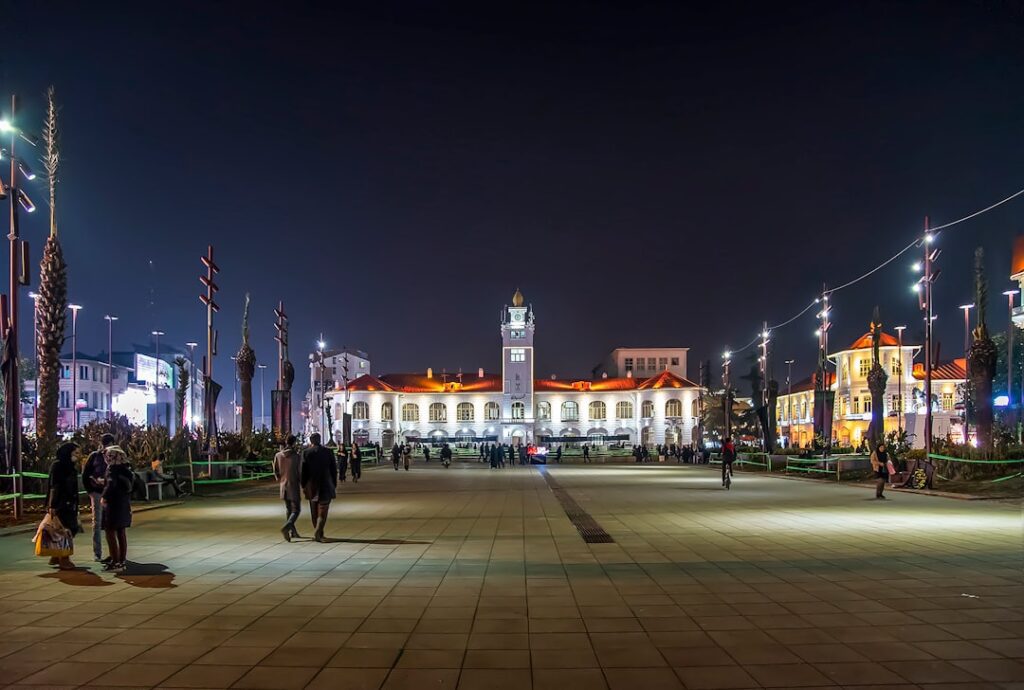
- Historic Architecture: The 19th-century Rasht Municipality Palace combines Persian and Russian architectural influences, reflecting the city’s role as a major trading hub between Europe and Persia.
- Cultural Scene: The annual Rasht Rosewater Festival each May transforms the city with traditional music, rose distillation ceremonies, and floral displays celebrating the region’s famous Damask roses.
- Local Specialties: Baghala Ghatogh – a creamy fava bean and dill stew with poached eggs that perfectly represents Gilan province’s fresh, herb-forward cuisine.
Pro Tip: Visit between late April and early June when the weather is perfect (20-25°C), the rice paddies are emerald green, and you can catch both the rosewater festival and strawberry season. Avoid July-August when humidity peaks at 85% and room prices double.
Map of Rasht, Iran
Use these interactive maps to explore Rasht, Iran and plan your route:
📍 View Rasht, Iran on OpenStreetMap
🗺️ Open Rasht, Iran in Google Maps
Planning Your Trip: Practical Essentials
Getting There and Around
- By Air: Rasht Airport (RAS) connects to Tehran (1h), Mashhad, and Istanbul. Mahan Air and Iran Air operate regular flights. Taxis to city center cost 300,000 rials (15 minutes). Book flights at Skyscanner for best deals.
- By Train: No direct train to Rasht – take train to Qazvin (3h from Tehran), then bus (2h). The scenic route through Alborz mountains is worth the extra effort. Reserve tickets at Trainline or the national railway website.
- By Car: Highway 49 from Tehran (4h) offers stunning mountain views. Parking in Rasht center costs 100,000 rials/hour. Compare car rentals at RentalCars.com.
- Local Transport: Shared taxis (20,000 rials per ride) and city buses (10,000 rials) serve most areas. Savvy visitors use Snapp (Iran’s Uber) for convenient, affordable rides. Check official city transport websites for passes and schedules.
Best Time to Visit
Rasht’s subtropical climate means you’ll experience four distinct seasons, each offering different advantages. Spring brings perfect hiking weather and culinary festivals, while autumn offers golden rice harvest scenes and comfortable city exploration.
| Season | Weather | Highlights |
|---|---|---|
| Summer (Jun–Aug) | 25-30°C, 80-90% humidity, occasional rain | Fresh fruit abundance, vibrant markets, crowded with domestic tourists |
| Winter (Dec–Feb) | 5-10°C, frequent rain, foggy mornings | Misty mountain views, cozy teahouses, lowest hotel rates but some attractions close |
| Shoulder (Apr–May/Sep–Oct) | 15-25°C, moderate humidity, ideal conditions | Perfect for hiking in nearby forests, festival season, fewer crowds, best photography light |
Budgeting for Rasht, Iran

Green leaf trees at daytime, Rasht, Iran
| Category | Budget | Mid-range | Luxury |
|---|---|---|---|
| Accommodation | 800,000-1,200,000 rials/night (hostels/guesthouses) | 2,000,000-3,500,000 rials/night (3-4 star hotels) | 5,000,000+ rials/night (boutique hotels) |
| Meals | 300,000-500,000 rials (street food, local cafes) | 800,000-1,500,000 rials (restaurants) | 2,500,000+ rials (fine dining) |
| Transport | 100,000 rials/day (buses, shared taxis) | 300,000 rials/day (private Snapp rides) | 600,000+ rials/day (private driver) |
| Activities | Free walking tours, public parks | 200,000-500,000 rials (museum entries, guided tours) | 1,000,000+ rials (private cooking classes, day trips) |
| Daily Total | 1,300,000 rials ($26) | 3,300,000 rials ($66) | 9,100,000+ rials ($182) |
Top Attractions and Must-See Sights
| Attraction | Description | Hours | Entry Fee |
|---|---|---|---|
| Rasht Bazaar | A sprawling covered market where you’ll find everything from local herbs to traditional crafts and the famous white fish of Caspian Sea | 8 AM-8 PM | Free |
| Gilan Rural Heritage Museum | Open-air museum showcasing traditional Gilaki architecture with relocated historical buildings across 45 hectares of forest | 9 AM-5 PM | 500,000 rials |
| Mirza Koochak Khan Museum | Dedicated to the Jangal movement leader, this museum offers insight into early 20th century Gilan’s struggle for independence | 9 AM-4 PM (closed Mon) | 300,000 rials |
| Sabzeh Meydan Square | The historic heart of Rasht surrounded by Qajar-era buildings, perfect for people-watching and sampling street food | 24/7 | Free |
3-Day Itinerary: Rasht, Iran’s Highlights & Hidden Gems
Day 1: Culinary Immersion & Historic Heart
- Morning: Start at 7:30 AM with fresh sangak bread and local honey at Gilan Traditional Tea House near Sabzeh Meydan. Watch the city wake up while sipping tea from ornate glasses.
- Afternoon: Join a 12 PM food tour through Rasht Bazaar (400,000 rials) sampling olives, local cheeses, and smoked fish, then lunch at Shandiz Mashhad Restaurant for authentic Baghala Ghatogh.
- Evening: 6 PM stroll through Mohtasham Garden followed by dinner at Saraye Ghasr for their famous Kabab Torsh (sour kebab marinated in pomegranate juice and walnuts).
Day 2: Nature & Culture Exploration
- Morning: 8 AM Snapp ride to Gilan Rural Heritage Museum (200,000 rials) – spend 3 hours exploring the traditional wooden houses and learning about Gilaki rural life.
- Afternoon: Lunch at nearby Shour Restaurant for Mirza Ghasemi, then visit Rasht Municipality Palace to admire the unique Russian-Persian fusion architecture.
- Evening: 5:30 PM traditional music performance at Rasht City Theater (300,000 rials) followed by dinner at Sharbanoo Restaurant for fresh Caspian white fish.
Day 3: Day Trip to Caspian Coast
- Morning: 7 AM shared taxi to Anzali Lagoon (250,000 rials, 45 minutes). Take a 9 AM boat tour (500,000 rials) through the largest freshwater lagoon in Middle East, spotting migratory birds.
- Afternoon: Lunch at Anzali Port’s fish market restaurants – try Mahi Sefid fried with local herbs. Visit the historic Anzali Bridge before returning to Rasht.
- Evening: Final Rasht dinner at Arian Restaurant for Fesenjan (pomegranate walnut stew), then souvenir shopping for local kiwi products and handmade baskets.
Cultural Insights & Etiquette
- Language: While Persian is official, locals speak Gilaki. Learn “Salam” (hello), “Merci” (thank you), and “Nooshe jan” (bon appetit). English is limited outside hotels.
- Customs: Remove shoes before entering homes. When offered tea (which happens frequently), accept with right hand. Don’t blow your nose in public.
- Tipping: 10% in restaurants if service charge isn’t included. Round up taxi fares. Hotel staff appreciate 200,000-500,000 rials for good service.
- Dress Code: Women need headscarves in public (can be colorful). Loose clothing covering arms and legs. Men should avoid shorts in religious sites.
- Business Hours: Government offices 7:30 AM-2:30 PM, shops 9 AM-9 PM with 1-4 PM break. Most closed Fridays. Ramadan affects hours significantly.
Where to Eat: Rasht, Iran’s Best Bites
Rasht’s food scene revolves around fresh, hyper-local ingredients from the Caspian region. Meals are herb-heavy, often featuring walnuts, pomegranate, and smoked fish. Dining is social and leisurely – expect multiple courses and endless tea.
Must-Try Local Specialties
- Mirza Ghasemi: Smoked eggplant with tomato, garlic, and egg – find the best versions at small family-run restaurants in the bazaar
- Baghala Ghatogh: Creamy fava bean and dill stew with poached eggs – Shandiz Mashhad Restaurant masters this comfort food
- Kabab Torsh: Unique sour kebab marinated in pomegranate and walnut paste – Saraye Ghasr’s version is legendary among locals
Restaurant Recommendations by Budget
| Type | Restaurant | Specialty | Price Range |
|---|---|---|---|
| Budget | Gilan Traditional Tea House (Sabzeh Meydan) | Fresh bread with local honey and cheese | 200,000-400,000 rials |
| Mid-range | Shour Restaurant (near Municipality) | Authentic Mirza Ghasemi and herb rice | 600,000-1,200,000 rials |
| Fine dining | Saraye Ghasr (City Center) | Kabab Torsh and elaborate stews | 1,500,000-3,000,000 rials |
Where to Stay
Rasht offers everything from Soviet-era hotels to modern boutiques. The city center puts you walking distance from main attractions, while staying near the university offers quieter nights. Compare prices and book at Booking.com or Airbnb for apartments.
Best Neighborhoods for Accommodation
- City Center: Perfect for first-timers – walk to bazaar and historic sites, but can be noisy at night. Best for shoppers and food lovers.
- Golsar District: Modern area with newer hotels and shopping malls, 15-minute taxi to center. Ideal for families and business travelers.
- University Area: Budget-friendly options near academic buildings, quieter streets, good public transport links. Great for longer stays.

Man in black polo shirt standing beside stand, Rasht, Iran
FAQs: Your Rasht, Iran Questions Answered
1. Is Rasht, Iran safe at night?
Rasht is generally very safe, with families and couples strolling main areas until late. Stick to well-lit streets in the center and avoid isolated areas. Violent crime is rare, but keep valuables secure in crowded markets.
2. What currency is used and are credit cards accepted?
Iran uses rials, but prices are often quoted in tomans (1 toman = 10 rials). Carry cash as international credit cards don’t work due to sanctions. Exchange money at official exchange offices, not hotels for better rates.
3. How do I get from the airport to the city center?
Pre-paid airport taxis cost 300,000 rials (15 minutes). Shared taxis are cheaper but wait to fill up. No public buses serve the airport directly. Book airport transfers at GetYourGuide for convenience.
4. Do I need to speak the local language?
Basic Persian phrases help greatly, though younger Iranians often know some English. In Rasht, many speak Gilaki as their first language. Have your hotel write destinations in Farsi for taxi drivers.
5. What’s the appropriate dress code?
Women must wear headscarves covering hair (not necessarily tightly) and loose clothing covering arms and legs. Men should avoid shorts in cities. In hotels, Western dress is acceptable, but cover up when going out.
Final Thoughts: Rasht, Iran Awaits
Rasht offers what many travelers seek but rarely find – authentic culinary experiences untouched by mass tourism, breathtaking natural beauty just beyond the city limits, and warm hospitality from people genuinely proud to share their culture. While it may lack the ancient ruins of Persepolis or the mosques of Isfahan, Rasht delivers something equally valuable: a living, breathing cultural experience where traditions aren’t performed for tourists but lived daily. Your most lasting memory might not be a famous landmark, but the taste of freshly picked herbs in a family-run restaurant or the misty morning view from the Alborz foothills. Don’t leave without trying at least three local dishes you can’t pronounce – that’s where the real magic happens.
Explore More Destinations
- Jozani, Tanzania on a Budget: an Ancient Forest for $35/Day (2026)
- Nsumbu, Zambia on a Budget: Wild Africa for $40/Day (2026)
- Semporna, Malaysia on a Budget: Paradise for $35/Day (2026)
- Khuzestan, Iran on a Budget: Ancient Empires for $30/Day (2026)
- Ngerulmud, Palau on a Budget: Island Majesty for $45/Day (2026)
Ready to Visit Rasht?
Start planning your trip today. Compare hotels, find the best tours, and get insider tips.
Your adventure in Rasht starts here →
{“@context”: “https://schema.org”, “@type”: “FAQPage”, “mainEntity”: [{“@type”: “Question”, “name”: “What is the best time to visit Rasht?”, “acceptedAnswer”: {“@type”: “Answer”, “text”: “The best time to visit Rasht depends on your preferences. Generally, the dry season offers the most pleasant weather for sightseeing and outdoor activities.”}}, {“@type”: “Question”, “name”: “How many days do I need in Rasht?”, “acceptedAnswer”: {“@type”: “Answer”, “text”: “Most travelers spend 3-5 days in Rasht to see the main attractions. A week allows for a more relaxed pace and day trips.”}}, {“@type”: “Question”, “name”: “Is Rasht expensive to visit?”, “acceptedAnswer”: {“@type”: “Answer”, “text”: “Rasht can be visited on various budgets. Accommodation ranges from hostels to luxury hotels, and local restaurants offer affordable dining.”}}]}
Related Guides
Explore more destinations similar to Rasht:

