
Debre Libanos, Ethiopia’s Essential Monasteries, Canyons & Spiritual Solitude (2025)
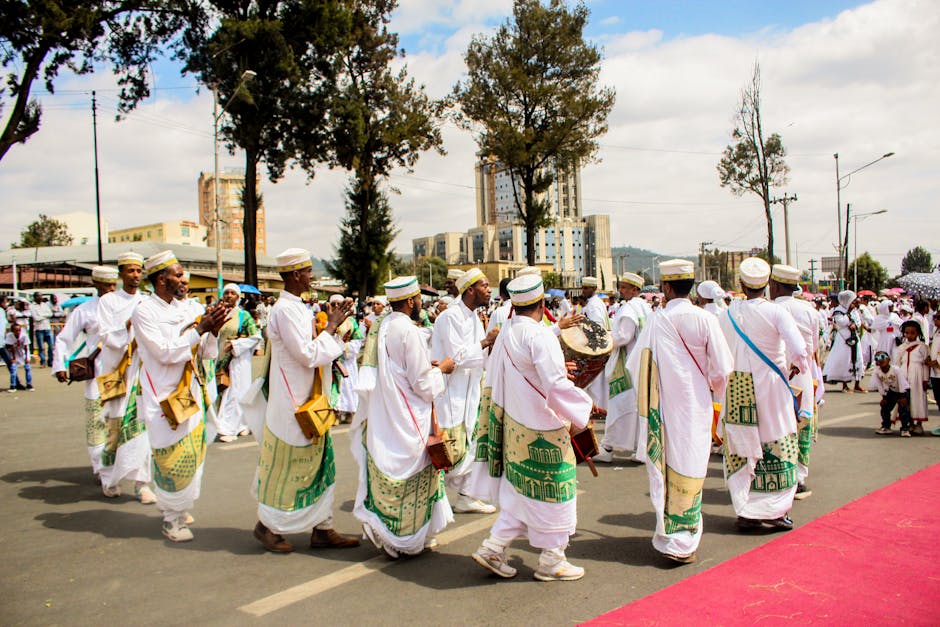
At 6 AM in Debre Libanos, Ethiopia, the scent of frankincense drifts from the 13th-century monastery as white-robed priests begin chanting prayers that haven’t changed since Saint Tekle Haymanot founded this sacred site in 1284. Below the cliffs, lammergeyer vultures circle above the 1,000-foot-deep Jemma River Gorge while pilgrims light candles in rock-hewn chapels. This isn’t just another Ethiopian attraction—it’s one of Orthodox Christianity’s most important spiritual centers, receiving over 100,000 pilgrims annually yet remaining virtually unknown to international tourists.
Why Debre Libanos, Ethiopia Stands Out

Stunning view of Addis Ababa’s skyline against a vibrant sunset backdrop., Debre Libanos, Ethiopia
- Historic Architecture: The 1961 Debre Libanos Monastery church features stunning stained glass windows depicting biblical scenes and houses Saint Tekle Haymanot’s holy relics.
- Cultural Scene: The annual Timkat (Epiphany) celebration in January draws thousands of pilgrims for three days of processions, prayers, and sacred rituals.
- Local Specialties: Don’t miss tibs (spiced grilled meat) served with injera at local eateries, often accompanied by tej (honey wine).
Pro Tip: Visit between October and March when the weather is dry and cool, and arrive at the monastery before 8 AM to witness morning prayers without the midday pilgrim crowds. Sundays are particularly atmospheric but busiest.
Map of Debre Libanos, Ethiopia
Use these interactive maps to explore Debre Libanos, Ethiopia and plan your route:
📍 View Debre Libanos, Ethiopia on OpenStreetMap
🗺️ Open Debre Libanos, Ethiopia in Google Maps
Planning Your Trip: Practical Essentials
Getting There and Around
- By Air: Fly into Addis Ababa Bole International Airport (ADD), then take a 3-hour drive north. Ethiopian Airlines offers the most international connections. Book flights at Skyscanner for best deals.
- By Train: No direct rail service to Debre Libanos—the closest station is in Addis Ababa. Reserve tickets at Trainline or the national railway website for travel within Ethiopia.
- By Car: The scenic 110km drive from Addis Ababa takes 3 hours via the Gohatsion route. Compare car rentals at RentalCars.com—4WD recommended for gorge access.
- Local Transport: Minibuses run from Addis Ababa’s Merkato station (50-70 ETB), while private taxis charge 1,500-2,000 ETB for the round trip.
Best Time to Visit
Debre Libanos offers distinct seasonal experiences—dry seasons provide optimal hiking conditions while rainy months transform the landscape into lush greenery but make some trails challenging.
| Season | Weather | Highlights |
|---|---|---|
| Summer (Jun–Aug) | 15-22°C, heavy rainfall | Lush green landscapes, fewer tourists but limited hiking |
| Winter (Dec–Feb) | 10-18°C, dry and sunny | Perfect hiking weather, Timkat festival in January |
| Shoulder (Apr–May/Sep–Oct) | 12-20°C, occasional showers | Balanced conditions, excellent photography light |
Budgeting for Debre Libanos, Ethiopia

A man in traditional attire sitting within the ancient rock-hewn churches o…, Debre Libanos, Ethiopia
| Category | Budget | Mid-range | Luxury |
|---|---|---|---|
| Accommodation | 300-500 ETB/night (guesthouse) | 800-1,200 ETB/night (hotel) | 2,000+ ETB/night (resort) |
| Meals | 50-100 ETB (local eateries) | 150-250 ETB (restaurants) | 300+ ETB (hotel dining) |
| Transport | 50-70 ETB (minibus) | 500 ETB/day (car rental) | 2,000 ETB (private driver) |
| Activities | Free (hiking, monastery) | 100-200 ETB (guided tours) | 500+ ETB (private guides) |
| Daily Total | 400-670 ETB | 1,550-2,150 ETB | 4,800+ ETB |
Top Attractions and Must-See Sights
| Attraction | Description | Hours | Entry Fee |
|---|---|---|---|
| Debre Libanos Monastery | Ethiopia’s second-most important religious site with stunning stained glass and holy relics | 6 AM-6 PM daily | Free (donation expected) |
| Portuguese Bridge | 16th-century stone bridge spanning the dramatic Jemma River Gorge | Sunrise to sunset | Free |
| Tekle Haymanot Cave | Where the saint prayed for 29 years, featuring holy water dripping from ceiling | 8 AM-5 PM | 50 ETB |
| Jemma River Gorge Viewpoint | Breathtaking 1,000-foot canyon views with frequent lammergeyer sightings | Always accessible | Free |
3-Day Itinerary: Debre Libanos, Ethiopia’s Highlights & Hidden Gems
Day 1: Spiritual Heritage & Monastery Marvels
- Morning: 7 AM arrival at Debre Libanos Monastery for morning prayers, then explore the church’s remarkable stained glass windows depicting Saint George slaying the dragon.
- Afternoon: 12 PM lunch at Selam Hotel (try their signature doro wat for 120 ETB) followed by visiting the monastery museum housing 13th-century manuscripts.
- Evening: 6 PM sunset at the Portuguese Bridge watching for lammergeyer vultures, then dinner at your accommodation.
Day 2: Canyon Exploration & Local Culture
- Morning: 7:30 AM hike to Jemma River Gorge viewpoint (free) – bring binoculars to spot the endangered lammergeyer vultures with their 10-foot wingspan.
- Afternoon: 1 PM visit to Tekle Haymanot Cave (50 ETB) to see the holy water dripping where the saint prayed, then lunch at a local family’s home (arranged through guides).
- Evening: 5 PM cultural exchange with monastery students – many speak English and enjoy sharing stories about monastic life.
Day 3: Pilgrimage Trails & Scenic Return
- Morning: 8 AM minibus to nearby Mount Yerer (50 ETB) for panoramic views of the Ethiopian Highlands and visit to smaller rock-hewn churches.
- Afternoon: 12 PM traditional coffee ceremony at a local home followed by exploring the ancient pilgrimage trails used for centuries.
- Evening: 4 PM final monastery visit for evening prayers before returning to Addis Ababa or continuing your Ethiopian journey.
Cultural Insights & Etiquette
- Language: Amharic phrases like “ameseginalehu” (thank you) and “salam” (hello) are appreciated, though many monks speak some English
- Customs: Remove shoes before entering churches, always ask permission before photographing people, and avoid pointing with fingers
- Tipping: Not expected but appreciated—50-100 ETB for guides, round up restaurant bills
- Dress Code: Modest clothing covering shoulders and knees is mandatory for monastery visits—women should bring headscarves
- Business Hours: Most sites open 6 AM-6 PM, with reduced hours during religious holidays and fasting periods
Where to Eat: Debre Libanos, Ethiopia’s Best Bites
You’ll find simple but flavorful Ethiopian cuisine focused on monastery-approved vegetarian dishes during fasting days (Wednesdays and Fridays) and excellent meat dishes other days. Most eateries cluster near the monastery entrance.
Must-Try Local Specialties
- Fasting Platter: Lentil stews, greens, and vegetables served on fasting days—best at monastery guest dining
- Tibs: Spicy grilled beef or goat—Selam Hotel prepares excellent versions for 150 ETB
- Injera with Shiro: Traditional chickpea stew—available at every local eatery for 40-60 ETB
Restaurant Recommendations by Budget
| Type | Restaurant | Specialty | Price Range |
|---|---|---|---|
| Budget | Merkato Local Eatery (near bus station) | Fresh injera with various stews | 40-80 ETB |
| Mid-range | Selam Hotel Restaurant | Mixed meat platters and local beer | 120-200 ETB |
| Fine dining | Ethiopian Heritage Lodge | Traditional coffee ceremony with multi-course meal | 300-500 ETB |
Where to Stay
Accommodation ranges from basic pilgrim guesthouses to comfortable hotels—most cluster within walking distance of the monastery. Compare prices and book at Booking.com or Airbnb for apartments.
Best Neighborhoods for Accommodation
- Monastery Area: Walking distance to all main sites, basic amenities, perfect for pilgrims and budget travelers
- Jemma Gorge View: Scenic locations with canyon views, slightly more upscale options, requires transport
- Local Village: Authentic homestay experiences, cultural immersion, basic facilities

Close-up of an ornate cross atop a church tower in Addis Ababa under a clea…, Debre Libanos, Ethiopia
FAQs: Your Debre Libanos, Ethiopia Questions Answered
1. Is Debre Libanos, Ethiopia safe at night?
Yes, the area is generally safe, but travelers should avoid walking alone in remote areas after dark. The monastery area remains active with pilgrims until evening prayers end around 7 PM.
2. What currency is used and are credit cards accepted?
Ethiopian Birr (ETB) is the local currency. Credit cards are rarely accepted—bring sufficient cash in smaller denominations. There are no ATMs in Debre Libanos itself.
3. How do I get from the airport to Debre Libanos?
From Addis Ababa airport, take a taxi to Merkato bus station (150 ETB), then a minibus to Debre Libanos (50-70 ETB). Book airport transfers at GetYourGuide for convenience.
4. Do I need to speak the local language?
Basic English is understood at main sites, but learning a few Amharic phrases will enhance your experience. Monastery guides typically speak good English.
5. What’s the appropriate dress code?
Modest clothing covering shoulders and knees is essential for monastery visits. Comfortable walking shoes are recommended for exploring the gorge area and pilgrimage trails.
Final Thoughts: Debre Libanos, Ethiopia Awaits
Debre Libanos offers that rare combination of profound spiritual significance and breathtaking natural beauty that stays with travelers long after they’ve returned home. Beyond the stunning monastery and dramatic canyons, you’ll discover the living heartbeat of Ethiopian Orthodox tradition, where ancient rituals continue uninterrupted and hospitality remains deeply ingrained in local culture. Savvy travelers know to spend at least one night here to experience the magical early morning prayers and have the canyon viewpoints to themselves. Whether you’re seeking spiritual connection, photographic opportunities, or simply a break from Ethiopia’s more crowded destinations, this sacred landscape delivers an authenticity that’s becoming increasingly rare in our modern world.
Related Guides
Explore more destinations similar to Debre Libanos:
- Lake Nasser, Egypt’s Essential Ancient Temples, Nile Cruises & Desert Solitude (2025)
- Ségou, Mali’s Ultimate River Culture, Mud Architecture & Living Traditions (2025)
- Ciudad Bolívar, Venezuela: Best Colonial Charm, Orinoco River Views & Simón Bolívar’s Legacy (2025)
- Kobe, Japan’s Best Beef, Ports & Mountain Vistas (2026)

