
Kon Tum, Vietnam’s Amazing Wooden Churches, Hill Tribes & Coffee Plantations (2025)
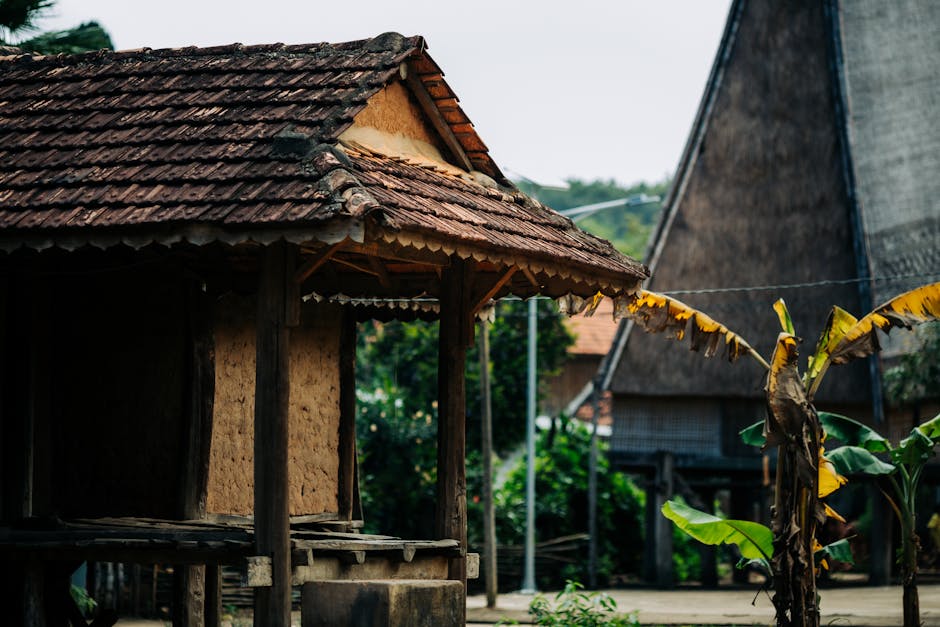
What if you could explore a city where French colonial architecture stands beside traditional Bahnar longhouses, where Catholic mass is conducted in local hill tribe languages, and where Vietnam’s finest coffee grows on volcanic soil? Kon Tum proves this cultural fusion exists in Vietnam’s remote Central Highlands. At 6 AM, mist rises from the Dak Bla River as wooden church bells mingle with gong ceremonies, creating a soundscape unchanged for generations. This border province offers what mass tourism destinations lost decades ago – authentic cultural encounters just 50 kilometers from the Laos border.
Why Kon Tum, Vietnam Stands Out
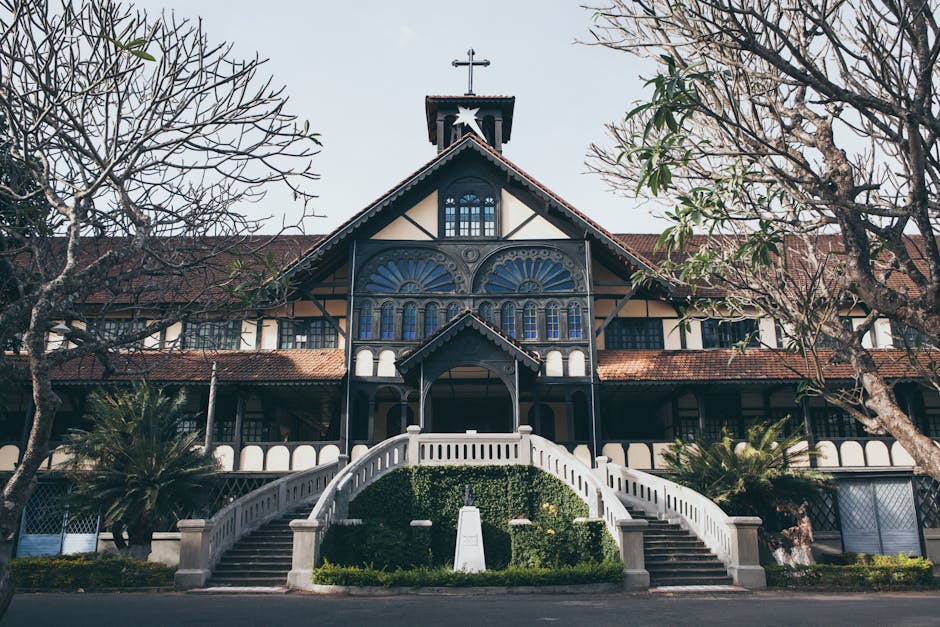
Historic Gothic-style church facade in Kon Tum, Kon Tum, Vietnam
- Historic Architecture: Kon Tum Wooden Church (built 1913) uniquely blends French cathedral design with Bahnar stilt house elements and local materials.
- Cultural Scene: The Kon Klor Gong Festival each March features seven ethnic minority groups performing ancient rituals rarely seen by outsiders.
- Local Specialties: Com lam (sticky rice cooked in bamboo tubes) served with grilled hill pork and wild forest vegetables.
Pro Tip: Visit between February and April when coffee flowers bloom across plantations, creating fragrant white landscapes with perfect 70°F weather and minimal rainfall – you’ll avoid both the rainy season crowds and summer heat that deter most travelers.
Map of Kon Tum, Vietnam
Use these interactive maps to explore Kon Tum, Vietnam and plan your route:
📍 View Kon Tum, Vietnam on OpenStreetMap
🗺️ Open Kon Tum, Vietnam in Google Maps
Planning Your Trip: Practical Essentials
Getting There and Around
- By Air: Pleiku Airport (PXU) is 50km away with Vietnam Airlines and VietJet flights from Hanoi/Ho Chi Minh City. Shared taxis cost 300,000 VND to Kon Tum center. Book flights at Skyscanner for best deals.
- By Train: Nearest station is Dieu Tri (70km away) on the North-South railway line. Overnight trains from Hanoi take 14 hours. Reserve tickets at Trainline or the national railway website.
- By Car: Highway 14 offers scenic mountain routes from Da Nang (280km, 6-hour drive). Free parking at most hotels. Compare car rentals at RentalCars.com.
- Local Transport: Xe om (motorbike taxis) cost 20,000 VND per trip. Private cars with drivers run 800,000 VND/day. Check official city transport websites for passes and schedules.
Best Time to Visit
Kon Tum’s elevation creates distinct seasons – dry season offers clear mountain views while rainy season brings lush greenery but challenging road conditions to remote villages.
| Season | Weather | Highlights |
|---|---|---|
| Summer (Jun–Aug) | 75-85°F, heavy afternoon rains | Waterfalls at peak flow, fewer tourists but difficult village access |
| Winter (Dec–Feb) | 60-75°F, dry and sunny | Perfect trekking conditions, hill tribe festivals, coffee harvest activities |
| Shoulder (Apr–May/Sep–Oct) | 70-80°F, occasional showers | Best photography light, comfortable temperatures, local rice harvest ceremonies |
Budgeting for Kon Tum, Vietnam
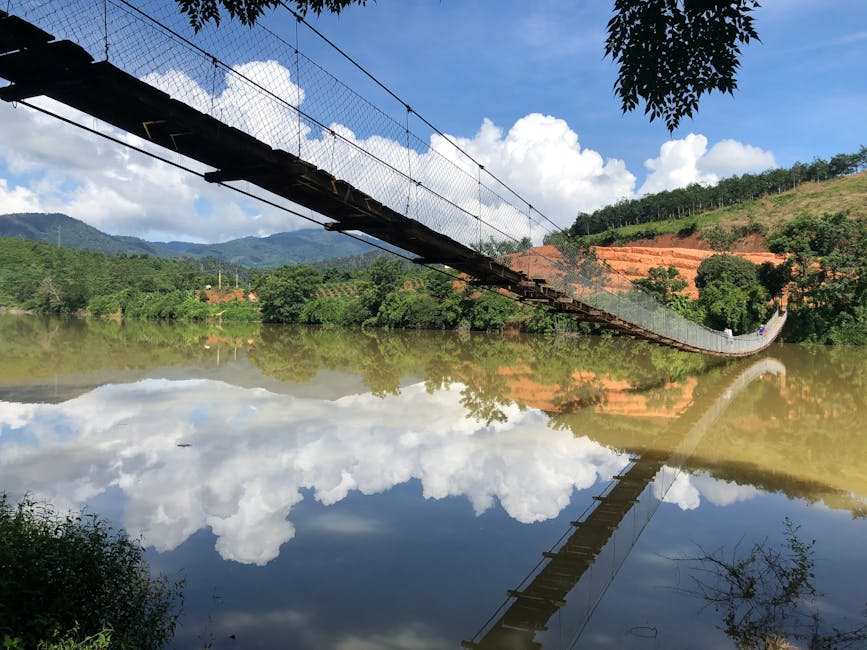
Suspension bridge reflecting on a serene lake in Kon Tum, Vietnam.
| Category | Budget | Mid-range | Luxury |
|---|---|---|---|
| Accommodation | 250,000-400,000 VND/night | 600,000-1,200,000 VND/night | 1,500,000+ VND/night |
| Meals | 50,000-80,000 VND/meal | 100,000-200,000 VND/meal | 300,000+ VND/meal |
| Transport | 50,000 VND/day (local) | 200,000 VND/day (taxi) | 800,000 VND/day (private car) |
| Activities | Free walking tours | 150,000 VND/attraction | 500,000 VND/private guide |
| Daily Total | 400,000 VND/day | 1,100,000 VND/day | 3,000,000+ VND/day |
Top Attractions and Must-See Sights
| Attraction | Description | Hours | Entry Fee |
|---|---|---|---|
| Kon Tum Wooden Church | Unique 1913 cathedral blending French design with Bahnar architecture and hill tribe museum | 7 AM-7 PM daily | Free (donations welcome) |
| Kon Klor Suspension Bridge | Vietnam’s longest bamboo bridge spanning Dak Bla River with stunning mountain backdrop | 24 hours | Free |
| Bahnar Ethnic Village | Authentic hill tribe community with traditional rong houses and cultural performances | 8 AM-5 PM | 50,000 VND |
| Dak Bla River | Serene boat trips past fishing villages and jungle scenery with local boatmen | 6 AM-6 PM | 100,000 VND/hour |
3-Day Itinerary: Kon Tum, Vietnam’s Highlights & Hidden Gems
Day 1: Colonial Heritage & River Life
- Morning: 7 AM photography session at Kon Tum Wooden Church as morning light illuminates the unique wooden facade. Local nuns often give informal tours if you arrive before crowds.
- Afternoon: 12 PM Dak Bla River bamboo boat tour (100,000 VND) followed by lunch at Quan Com 37 (try their grilled river fish with wild betel leaves for 75,000 VND).
- Evening: 6 PM stroll across Kon Klor Bridge at sunset when the bamboo glows golden, then dinner at Nha Hang Thanh Truc for authentic central highlands hotpot (180,000 VND).
Day 2: Hill Tribe Culture & Coffee Plantations
- Morning: 8 AM visit to Kon K’Tu Bahnar Village (30,000 VND entrance) to see traditional rong houses and watch artisans weave textiles using ancient patterns.
- Afternoon: 1 PM coffee plantation tour at Hung Phat Farm showing the entire process from bean to cup, complete with tasting session of various local robusta varieties.
- Evening: 6:30 PM cultural performance at Kon Tum Cultural Museum featuring authentic gong ceremonies rarely performed for tourists (80,000 VND).
Day 3: Mountain Adventures & Local Markets
- Morning: 7 AM motorbike rental (150,000 VND/day) to Mang Den ecotourism area 60km away, stopping at Pa Sy Waterfall for swimming in natural pools.
- Afternoon: 1 PM exploration of Kon Tum Central Market’s hill tribe section where ethnic minorities sell forest honey, medicinal herbs, and handwoven textiles.
- Evening: 6 PM farewell dinner at Chef Dung’s Restaurant sampling seven different regional specialties including venison and bamboo rat, local delicacies you won’t find elsewhere.
Cultural Insights & Etiquette
- Language: Learn “xin chào” (hello), “cảm ơn” (thank you), and “bao nhiêu” (how much). Many hill tribe villages speak their own languages.
- Customs: Always remove shoes before entering homes or rong houses. Receive items with both hands as a sign of respect.
- Tipping: Not expected but appreciated – round up bills or leave 5-10% for exceptional service.
- Dress Code: Modest clothing covering shoulders and knees, especially when visiting religious sites and ethnic villages.
- Business Hours: Government offices 7:30-11:30 AM & 1:30-5 PM, shops 8 AM-9 PM, most closed for two-hour lunch.
Where to Eat: Kon Tum, Vietnam’s Best Bites
Kon Tum’s cuisine reflects its border location with Vietnamese, Laotian, and hill tribe influences – expect bold flavors, wild ingredients, and cooking methods unchanged for centuries.
Must-Try Local Specialties
- Com lam: Sticky rice cooked in bamboo tubes with sesame seeds, best tried at roadside stalls near ethnic villages
- Thit nuong: Marinated hill pork grilled over charcoal and served with fermented fish sauce, available at night markets
- Ca song: Fresh river fish steamed with lemongrass and wild herbs, a specialty at riverside restaurants
Restaurant Recommendations by Budget
| Type | Restaurant | Specialty | Price Range |
|---|---|---|---|
| Budget | Quan Com 37 (224 Phan Dinh Phung) | Grilled river fish with rice | 50,000-100,000 VND |
| Mid-range | Nha Hang Thanh Truc (12 Nguyen Trai) | Central Highlands hotpot | 150,000-300,000 VND |
| Fine dining | Chef Dung’s Restaurant (45 Le Hong Phong) | Seven-course hill tribe tasting menu | 400,000-600,000 VND |
Where to Stay
Kon Tum offers everything from basic guesthouses to boutique properties showcasing local architecture. The city center provides walking access to main attractions while riverside locations offer tranquility. Compare prices and book at Booking.com or Airbnb for apartments.
Best Neighborhoods for Accommodation
- City Center: Walking distance to wooden church and markets, but can be noisy – perfect for first-time visitors
- Riverside: Peaceful views of Dak Bla River, slightly removed from action – ideal for romantic getaways
- Outskirts: Closer to ethnic villages and nature, requires transport – best for adventure travelers
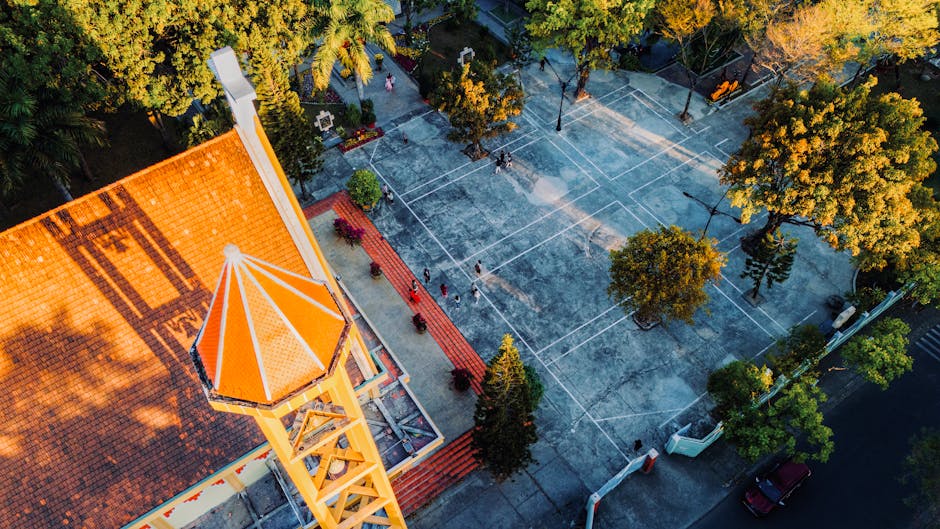
Stunning aerial view of the Phương Nghĩa Church and its surroundings in Kon Tum, Kon Tum, Vietnam
FAQs: Your Kon Tum, Vietnam Questions Answered
1. Is Kon Tum, Vietnam safe at night?
Kon Tum is remarkably safe after dark with low crime rates. The main streets remain active until 10 PM with families strolling and dining. Still, take normal precautions in poorly lit areas and avoid walking alone in remote locations. Motorbike taxis are available 24/7 for safe transport.
2. What currency is used and are credit cards accepted?
Vietnamese Dong (VND) is the official currency. While hotels and upscale restaurants accept credit cards, you’ll need cash for markets, street food, and village visits. ATMs are plentiful in the city center but scarce in rural areas – withdraw enough before heading to ethnic villages.
3. How do I get from the airport to the city center?
Pleiku Airport offers shared taxis (300,000 VND) and private cars (400,000 VND) for the 50km journey to Kon Tum, taking about 60-75 minutes. Pre-booked transfers through your hotel often provide better rates. Book airport transfers at GetYourGuide for convenience.
4. Do I need to speak the local language?
Basic English is understood at hotels and main restaurants, but learning a few Vietnamese phrases will enhance your experience significantly. In hill tribe villages, you’ll need a local guide as most residents speak only their ethnic languages. Savvy travelers hire guides through the Kon Tum Tourism Center for about 500,000 VND/day.
5. What’s the appropriate dress code?
Lightweight but modest clothing works best – cover shoulders and knees when visiting religious sites and ethnic villages. Pack a light jacket for cooler evenings and sturdy shoes for village walks. A rain poncho is essential during rainy season (May-October) when sudden downpours are common.
Final Thoughts: Kon Tum, Vietnam Awaits
Kon Tum offers what many travelers search for but rarely find – authentic cultural encounters in a setting of stunning natural beauty. Here, you’re not just observing traditions but participating in living culture where French colonial history intersects with ancient hill tribe customs. The real magic happens when you venture beyond the main sights: sharing com lam with Bahnar families, learning coffee harvesting techniques from farmers, or simply watching the sunset over the Dak Bla River. Don’t rush your visit – this is a destination that rewards those who linger. Your most memorable moment might just be that unexpected conversation with a local artisan or the taste of wild forest honey you can’t find anywhere else on earth.
{“@context”: “https://schema.org”, “@type”: “FAQPage”, “mainEntity”: [{“@type”: “Question”, “name”: “What is the best time to visit Kon Tum?”, “acceptedAnswer”: {“@type”: “Answer”, “text”: “The best time to visit Kon Tum depends on your preferences. Generally, the dry season offers the most pleasant weather for sightseeing and outdoor activities.”}}, {“@type”: “Question”, “name”: “How many days do I need in Kon Tum?”, “acceptedAnswer”: {“@type”: “Answer”, “text”: “Most travelers spend 3-5 days in Kon Tum to see the main attractions. A week allows for a more relaxed pace and day trips.”}}, {“@type”: “Question”, “name”: “Is Kon Tum expensive to visit?”, “acceptedAnswer”: {“@type”: “Answer”, “text”: “Kon Tum can be visited on various budgets. Accommodation ranges from hostels to luxury hotels, and local restaurants offer affordable dining.”}}]}
Related Guides
Explore more destinations similar to Kon Tum:


Pingback: Koh Tao Island, Thailand's Epic Diving, Beaches & Island Vibe (2026) - tangyOcean