
Pembrokeshire Coast, Wales: Ultimate Coastal Trails, Ancient Castles & Wild Islands (2025)
At dawn along the Pembrokeshire Coast Path, you’ll witness something extraordinary: the first sunlight hitting 186 miles of dramatic cliffs while Atlantic waves carve sea caves below. The air carries salt spray and the distant cries of 10,000 seabirds nesting on Skomer Island. This isn’t just scenery—it’s Britain’s only coastal national park, where every turn reveals Iron Age forts, medieval castles, and beaches that regularly rank among Europe’s finest. While Cornwall draws the masses, Pembrokeshire offers raw coastal wilderness where you can walk for hours encountering only grazing sheep and the occasional dolphin pod.
Why Pembrokeshire Coast, Wales Stands Out

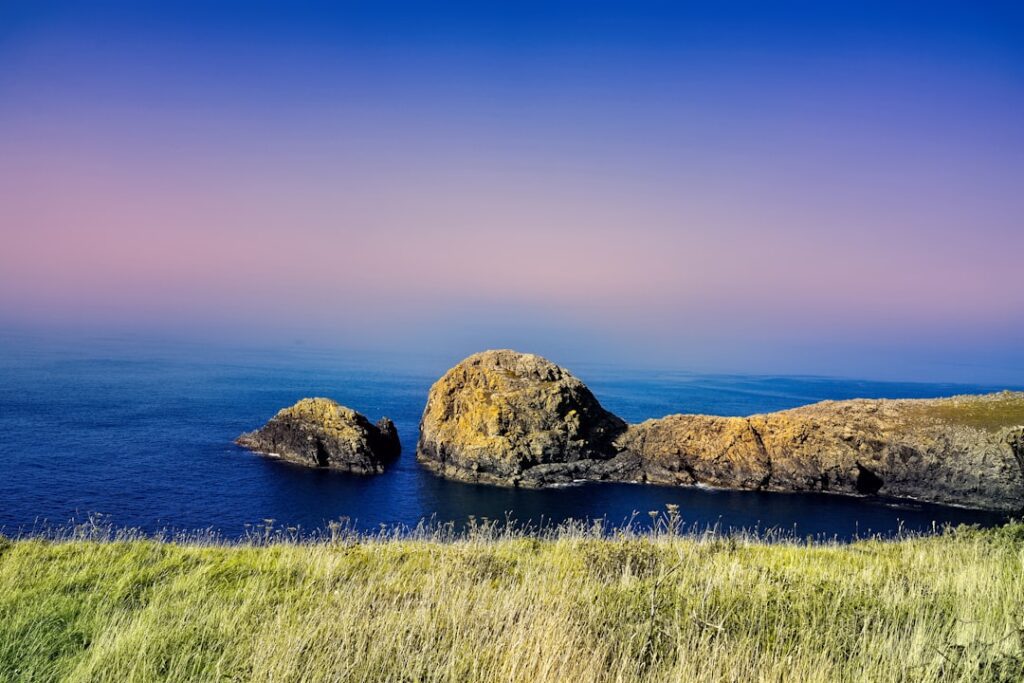
Body of water and islan, Pembrokeshire Coast, Wales
- Historic Architecture: Pembroke Castle (1093) – the massive Norman fortress where Henry VII was born, featuring an intact 75-foot Great Keep
- Cultural Scene: The annual Really Wild Food & Countryside Festival in September celebrates foraging, traditional skills, and local producers
- Local Specialties: Fresh-caught Pembrokeshire crab served in crusty rolls at coastal kiosks like The Shed in Porthgain
Pro Tip: Visit in late May or September when the weather is still pleasant but the summer crowds have vanished. For the Pembrokeshire Coast Path, start early (by 7 AM) to have the most dramatic sections like St. Govan’s Chapel and the Green Bridge of Wales to yourself before coach tours arrive.
Map of Pembrokeshire Coast, Wales
Use these interactive maps to explore Pembrokeshire Coast, Wales and plan your route:
📍 View Pembrokeshire Coast, Wales on OpenStreetMap
🗺️ Open Pembrokeshire Coast, Wales in Google Maps
Planning Your Trip: Practical Essentials
Getting There and Around
- By Air: Cardiff Airport (CWL) serves international flights, then 2.5-hour drive via A477. Book flights at Skyscanner for best deals.
- By Train: Direct services from London Paddington to Tenby (4 hours) or Haverfordwest (3.5 hours). Reserve tickets at Trainline or the national railway website.
- By Car: M4 to A477 provides scenic approach, with rental offices in major towns. Compare car rentals at RentalCars.com.
- Local Transport: Coastal Cruiser bus service (April-October) connects key trailheads and villages with day passes from £8. Check official Pembrokeshire County Council transport websites for passes and schedules.
Best Time to Visit
Pembrokeshire’s maritime climate means milder temperatures than inland, but weather can change rapidly. May through September offers the best coastal walking conditions, while winter brings dramatic storms and empty landscapes for hardy travelers.
| Season | Weather | Highlights |
|---|---|---|
| Summer (Jun–Aug) | 15-20°C, sunnier days but occasional rain | Puffin watching, coastal path in full bloom, beach swimming, busy but vibrant |
| Winter (Dec–Feb) | 5-8°C, stormy seas, fewer daylight hours | Dramatic cliff views, cozy pub fires, 70% fewer visitors, some attractions closed |
| Shoulder (Apr–May/Sep–Oct) | 10-15°C, mixed sun and showers | Wildflowers or autumn colors, migrating birds, most facilities open, ideal hiking |
Budgeting for Pembrokeshire Coast, Wales

Green land formations under blue sky, Pembrokeshire Coast, Wales
| Category | Budget | Mid-range | Luxury |
|---|---|---|---|
| Accommodation | £60-80/night (B&B or camping) | £100-150/night (boutique hotel) | £200+/night (coastal manor house) |
| Meals | £15-25/day (pub lunches, self-catering) | £40-60/day (restaurant dinners) | £80+/day (fine dining with wine) |
| Transport | £8/day (bus pass) | £20/day (car fuel) | £50+/day (private tours) |
| Activities | Free (coastal walking) | £15-30 (castle entry, boat trips) | £60+ (private guides, special access) |
| Daily Total | £85-115 | £175-260 | £390+ |
Top Attractions and Must-See Sights
| Attraction | Description | Hours | Entry Fee |
|---|---|---|---|
| Pembroke Castle | Birthplace of Henry VII with impressive Norman keep and extensive underground passages | 10 AM-5 PM daily | £9.50 adults |
| Skomer Island | Wildlife paradise with 10,000 breeding puffins (April-July) and largest Manx shearwater colony | Boats 10 AM-3 PM | £35 landing fee |
| St. Davids Cathedral | Medieval marvel in Britain’s smallest city, founded in 589 AD with stunning stained glass | 8:30 AM-5:30 PM | Free (donation) |
| Barafundle Bay | Consistently ranked among world’s best beaches, accessible via half-mile coastal path walk | 24 hours | Free |
3-Day Itinerary: Pembrokeshire Coast, Wales’s Highlights & Hidden Gems
Day 1: Coastal Wonders & Medieval Marvels
- Morning: 7:30 AM start at St. Govan’s Chapel – arrive before crowds to photograph the 13th-century hermitage wedged in cliffs. Park at Bosherston Lily Ponds (£4) and walk 15 minutes to this magical spot where waves crash directly below the ancient stone structure.
- Afternoon: 12:30 PM coastal walk to Barafundle Bay (1.5 miles) followed by lunch at Stackpole Inn (£18 for local lamb burger). Then drive to Pembroke Castle for 3 PM tour – don’t miss the 75-foot Great Keep where you can see original Norman architecture.
- Evening: 6:30 PM dinner at The Old Point House in Angle (£35 for seafood platter), a 16th-century inn with harbor views, followed by sunset walk around Angle Peninsula to see the remains of Henry VIII’s coastal defenses.
Day 2: Island Wildlife & Historic Harbors
- Morning: 8:15 AM boat from Martin’s Haven to Skomer Island (£35) – book months ahead for April-July puffin season. The island hosts over 10,000 breeding pairs and you’ll walk among them on marked paths. Guides point out seals, dolphins, and the island’s unique archaeological sites.
- Afternoon: 1:30 PM return to mainland for lunch at The Runwayskiln Café (£12 for crab sandwiches) overlooking the deer park. Then explore picturesque Porthgain harbour with its industrial ruins and contemporary art galleries in converted brickworks.
- Evening: 6 PM dinner at The Shed in Porthgain (£25 for fish stew), followed by drive to Strumble Head lighthouse for spectacular sunset over the Irish Sea and possible dolphin sightings from the cliffs.
Day 3: Britain’s Smallest City & Coastal Path Perfection
- Morning: 8 AM drive to St. Davids (£3 parking), exploring the cathedral and Bishop’s Palace before crowds arrive. The cathedral houses the shrine of Wales’ patron saint and features a magnificent wooden nave ceiling dating from the 14th century.
- Afternoon: 12 PM coastal walk from St. Davids to Whitesands Bay (3 miles) for lunch at The Sound Cafe (£15 for Welsh rarebit with local ale). Then swim at Whitesands – one of Wales’ best surfing beaches with equipment hire available.
- Evening: 6 PM final dinner at Cwtch in St. Davids (£45 tasting menu), consistently ranked among Wales’ best restaurants, using hyper-local ingredients from within 15 miles. End with twilight walk around the cathedral close.
Cultural Insights & Etiquette
- Language: Welsh phrases like “bore da” (good morning) and “diolch” (thank you) are appreciated, though English is widely spoken
- Customs: Respect “footpath” signs – many trails cross private land by ancient rights; always close gates behind you to contain livestock
- Tipping: 10% in restaurants for good service; not expected in pubs when ordering at the bar
- Dress Code: Waterproof layers essential year-round; smart-casual for better restaurants; sturdy footwear mandatory for coastal paths
- Business Hours: Shops 9 AM-5:30 PM, pubs until 11 PM (some until midnight weekends); many attractions reduce hours October-March
Where to Eat: Pembrokeshire Coast, Wales’s Best Bites
Pembrokeshire’s food scene celebrates its coastal location and agricultural heritage. You’ll find exceptional seafood straight from Cardigan Bay, Welsh Black beef from Preseli Hills farms, and artisan cheeses from small dairies. The farm-to-table movement is strong here, with many restaurants sourcing ingredients within 20 miles.
Must-Try Local Specialties
- Pembrokeshire Crab: Sweet white meat served in sandwiches or salads at harbor-side kiosks like The Shed in Porthgain
- Welsh Cakes: Griddle-cooked fruit cakes best enjoyed warm from St. Davids Market on Tuesday mornings
- Laverbread: Local seaweed delicacy often served with bacon at breakfast – try it at The Grove in Narberth
Restaurant Recommendations by Budget
| Type | Restaurant | Specialty | Price Range |
|---|---|---|---|
| Budget | Fecci’s Fish & Chips, Tenby | Fresh haddock in crispy batter with proper chips | £10-15 |
| Mid-range | Stackpole Inn, Stackpole | Welsh lamb with foraged ingredients from nearby estate | £25-40 |
| Fine dining | Beach House, Oxwich | Tasting menus featuring local seafood with Michelin star | £75-120 |
Where to Stay
Accommodation ranges from coastal camping to luxury manor houses. Coastal path walkers prefer B&Bs in fishing villages, while families often choose self-catering cottages. Book early for summer – the best places fill months ahead. Compare prices and book at Booking.com or Airbnb for apartments.
Best Neighborhoods for Accommodation
- St. Davids: Britain’s smallest city with cathedral charm, excellent restaurants, and coastal path access – ideal for culture lovers
- Tenby: Colorful Georgian harbor town with sandy beaches and family attractions – perfect for first-time visitors
- Solva: Picturesque flooded valley village with artisan shops and easy access to Skomer Island – best for walkers and wildlife enthusiasts

A group of horses running across a lush green field, Pembrokeshire Coast, Wales
FAQs: Your Pembrokeshire Coast, Wales Questions Answered
1. Is Pembrokeshire Coast, Wales safe at night?
Extremely safe with minimal crime. Coastal paths require caution after dark due to cliff edges and uneven terrain – always carry a torch. Villages are quiet and welcoming, though some remote lanes lack lighting.
2. What currency is used and are credit cards accepted?
British pounds (£). Credit/debit cards accepted everywhere except some remote farm shops and beach kiosks. Carry £40-60 cash for parking, ice creams, and donations at free attractions.
3. How do I get from the airport to the city center?
From Cardiff Airport, take the T9 bus to Cardiff Central (£5, 30 minutes), then train to Tenby or Haverfordwest. Rental cars are most practical. Book airport transfers at GetYourGuide for convenience.
4. Do I need to speak the local language?
English is spoken everywhere. Learning a few Welsh phrases like “iechyd da” (cheers) enhances the experience. Road signs are bilingual, but English versions always appear.
5. What’s the appropriate dress code?
Layered waterproof clothing is essential year-round. Smart casual for restaurants (no formal dress codes). Sturdy walking shoes are non-negotiable for coastal paths. Pack swimwear even in shoulder seasons for unexpected sunny days.
Final Thoughts: Pembrokeshire Coast, Wales Awaits
Pembrokeshire delivers what many coastal destinations promise but rarely achieve: genuine wilderness minutes from comfortable accommodation, rich history that feels alive rather than preserved, and landscapes that change dramatically with weather and tides. Travelers often discover that the planned highlights – the castles, the islands, the famous beaches – become backdrop to unexpected moments: sharing a cliff path with grazing ponies, stumbling upon a hidden cove at low tide, or watching storm waves from a cozy pub. Your best bet is to build flexibility into your itinerary – when sunshine appears, head to the coast path; when rain arrives, explore St. Davids Cathedral or Pembroke Castle. Don’t leave without experiencing at least one section of the coastal path at dawn, when the light transforms the cliffs and you’ll have this spectacular landscape virtually to yourself.
Related Guides
Explore more destinations similar to Pembrokeshire Coast:

