
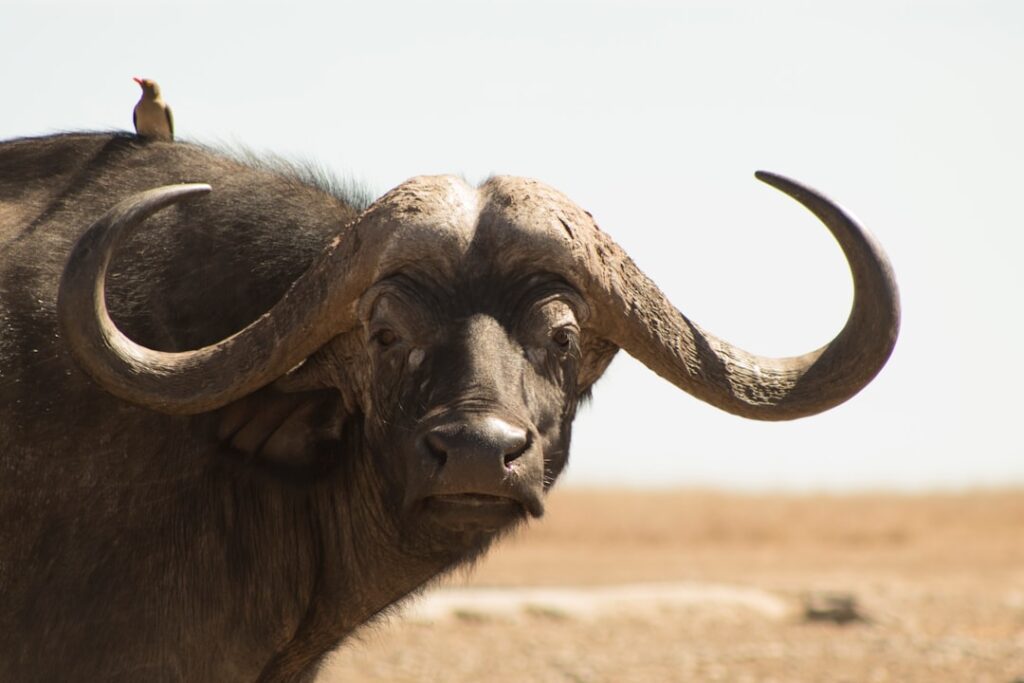
Laikipia, Kenya’s Stunning Wildlife, Wilderness & Warrior Culture (2025)
While crowds flock to Maasai Mara for the Great Migration, Laikipia offers Kenya’s second-highest wildlife density across 9,500 square kilometers of private conservancies where you’ll encounter rare species like the Big Five plus wild dogs and Grevy’s zebras. Here, conservation fees directly fund community projects, creating a safari experience where your presence actually helps protect 6,000 elephants and support local Maasai and Samburu communities. This isn’t just viewing wildlife—it’s participating in Africa’s most successful conservation model.
Why Laikipia, Kenya Stands Out

Grayscale photo of zebra on grass field, Laikipia, Kenya
- Historic Architecture: The 1912 Ol Pejeta House showcases colonial-era stone construction and now serves as a luxury lodge overlooking Mount Kenya’s snow-capped peaks.
- Cultural Scene: The annual Lewa Marathon each June combines world-class athletics with wildlife conservation, drawing runners who race alongside giraffes and zebras.
- Local Specialties: Don’t miss nyama choma (grilled meat) at local butcheries, where you select your cut and watch it grilled over acacia wood coals.
Pro Tip: Visit during the dry seasons from June-October or January-February when wildlife concentrates around water sources, and book conservancy visits directly through their websites 3-4 months in advance for the best rates and availability.
Map of Laikipia, Kenya
Use these interactive maps to explore Laikipia, Kenya and plan your route:
📍 View Laikipia, Kenya on OpenStreetMap
🗺️ Open Laikipia, Kenya in Google Maps
Planning Your Trip: Practical Essentials
Getting There and Around
- By Air: Fly into Nanyuki Airport (NYU) via Safarilink or Air Kenya from Wilson Airport (WIL) in Nairobi; 45-minute flights cost $150-200 one way. Book flights at Skyscanner for best deals.
- By Train: The Madaraka Express from Nairobi to Nanyuki takes 4 hours with economy class at $8; book through Kenya Railways for the scenic route through farmlands. Reserve tickets at Trainline or the national railway website.
- By Car: The 200km drive from Nairobi takes 3-4 hours via A2 highway; 4WD is essential for conservancy roads. Compare car rentals at RentalCars.com.
- Local Transport: Conservancies require guided game drives ($60-100 per person); between lodges, arrange transfers through your accommodation.
Best Time to Visit
Laikipia’s elevation creates pleasant temperatures year-round, but wildlife viewing peaks during dry seasons when animals gather at permanent water sources.
| Season | Weather | Highlights |
|---|---|---|
| Summer (Jun–Aug) | 16-24°C, dry and sunny | Prime wildlife viewing, Lewa Marathon, low malaria risk |
| Winter (Dec–Feb) | 14-26°C, dry with occasional showers | Excellent birdwatching, newborn animals, fewer visitors |
| Shoulder (Apr–May/Sep–Oct) | 15-22°C, mixed dry/rainy periods | Lush landscapes, 30% lower rates, migratory birds |
Budgeting for Laikipia, Kenya

A stunning aerial shot showcasing Nairobi’s skyline, Laikipia, Kenya
| Category | Budget | Mid-range | Luxury |
|---|---|---|---|
| Accommodation | $50-100 (camping or basic lodges) | $200-400 (comfortable lodges) | $600-1,200+ (premium conservancy camps) |
| Meals | $15-25 (local restaurants) | $40-60 (lodge dining) | $100-150 (all-inclusive fine dining) |
| Transport | $30 (shared transfers) | $80-120 (private transfers) | $200+ (private vehicle with guide) |
| Activities | $50 (conservancy day pass) | $100-150 (guided safari drives) | $250+ (specialist activities) |
| Daily Total | $145-205 | $420-730 | $1,150-1,720+ |
Top Attractions and Must-See Sights
| Attraction | Description | Hours | Entry Fee |
|---|---|---|---|
| Ol Pejeta Conservancy | Home to the last two northern white rhinos and East Africa’s largest black rhino sanctuary | 6 AM-6 PM | $90 adults, $45 children |
| Lewa Wildlife Conservancy | UNESCO World Heritage site with exceptional Grevy’s zebra and rhino populations | 6 AM-7 PM | $105 adults, $52 children |
| Ngare Ndare Forest | Emerald canopy walkway through ancient forest leading to turquoise waterfalls | 7 AM-5 PM | $40 including guide |
| Solio Game Reserve | Private rhino breeding sanctuary offering incredibly close wildlife encounters | 6:30 AM-6:30 PM | $80 adults, $40 children |
3-Day Itinerary: Laikipia, Kenya’s Highlights & Hidden Gems
Day 1: Rhinos & Rare Species
- Morning: 7 AM guided game drive at Ol Pejeta Conservancy ($85) to visit the northern white rhino sanctuary and meet the last two individuals, guarded 24/7.
- Afternoon: 12 PM lunch at Olerai House (signature grilled tilapia $25) followed by the chimpanzee sanctuary visit, home to rescued primates from across Africa.
- Evening: 6 PM sundowner drinks at Morani’s Bluff overlooking the conservancy, then dinner at Sweetwaters Serena Camp’s outdoor restaurant.
Day 2: Cultural Immersion & Conservation
- Morning: 6:30 AM guided walk with Samburu warriors ($60) at Lewa Conservancy learning tracking skills and medicinal plant uses.
- Afternoon: Visit Lewa’s anti-poaching canine unit demonstration and enjoy lunch at Lewa Safari Camp featuring traditional sukuma wiki with ugali.
- Evening: Cultural manyatta visit with Maasai community ($45) featuring traditional dances and storytelling around the fire.
Day 3: Forest Canopies & Waterfalls
- Morning: Transfer to Ngare Ndare Forest ($50 transport) for the 450-meter canopy walkway 30 feet above the forest floor.
- Afternoon: Hike to stunning blue waterfalls for a refreshing swim and picnic lunch provided by the forest trust.
- Evening: Final sundowner game drive through Solio Reserve focusing on photographic opportunities with rhinos against Mount Kenya backdrop.
Cultural Insights & Etiquette
- Language: Swahili phrases like “Jambo” (hello) and “Asante” (thank you) are appreciated; English is widely spoken in tourism contexts
- Customs: Always greet people before transactions; use your right hand for giving/receiving items; ask permission before photographing people
- Tipping: $10-15 per person daily for guides, $5-10 for drivers; lodge staff appreciate $5-10 left in communal tip boxes
- Dress Code: Neutral colors (khaki, green, beige) for safaris; modest clothing covering shoulders and knees in villages
- Business Hours: Conservancies open 6 AM-6 PM; shops typically 8 AM-5 PM with midday breaks; many close Sundays
Where to Eat: Laikipia, Kenya’s Best Bites
Laikipia’s dining scene ranges from sophisticated lodge restaurants to authentic local butcheries where the community gathers. The region’s high-altitude farms supply exceptional fresh produce, while traditional Maasai and Samburu dishes offer unique culinary experiences.
Must-Try Local Specialties
- Nyama Choma: Goat or beef grilled over acacia wood coals, best enjoyed at Nanyuki’s Barneys Butchery with kachumbari salad
- Sukuma Wiki: Collard greens simmered with tomatoes and onions, a staple side dish at every local restaurant
- Ugali: Maize porridge that’s the foundation of Kenyan meals, perfect for scooping up stews and vegetables
Restaurant Recommendations by Budget
| Type | Restaurant | Specialty | Price Range |
|---|---|---|---|
| Budget | Trout Tree Restaurant near Nanyuki | Fresh trout from their ponds with panoramic forest views | $15-25 |
| Mid-range | Junction Mall food court in Nanyuki | Various local dishes including excellent nyama choma stations | $10-20 |
| Fine dining | Mugie House restaurant | Farm-to-table cuisine with ingredients from their organic garden | $60-90 |
Where to Stay
Accommodation in Laikipia ranges from basic campsites to ultra-luxury conservancy lodges, with most properties clustered around the major wildlife areas. Your choice of lodging directly supports conservation efforts through conservancy fees. Compare prices and book at Booking.com or Airbnb for apartments.
Best Neighborhoods for Accommodation
- Ol Pejeta Area: Highest wildlife density and conservation activities, perfect for first-time visitors and families
- Lewa Region: Luxury lodges with exceptional guiding, ideal for photography and cultural experiences
- Nanyuki Town: Budget-friendly options with easy access to multiple conservancies, best for self-drive safaris

A vibrant aerial shot of Nairobi’s bustling cityscape with modern architect…, Laikipia, Kenya
FAQs: Your Laikipia, Kenya Questions Answered
1. Is Laikipia, Kenya safe at night?
Within conservancies and lodges, security is excellent with trained guides and rangers. After dark, movement is restricted to escorted transfers. In towns like Nanyuki, take normal precautions—avoid walking alone at night and secure valuables.
2. What currency is used and are credit cards accepted?
Kenyan shillings (KES) are the local currency, though US dollars are widely accepted at lodges. Credit cards work at most establishments, but carry cash for local markets, tips, and smaller vendors. ATMs are available in Nanyuki town.
3. How do I get from the airport to the city center?
From Nanyuki Airport, pre-arranged lodge transfers are your best option ($30-60). Taxis are available but should be booked through your accommodation for reliability. Book airport transfers at GetYourGuide for convenience.
4. Do I need to speak the local language?
English is Kenya’s official language and spoken by all tourism professionals. Learning a few Swahili greetings will delight locals, but you’ll have no communication issues with English alone.
5. What’s the appropriate dress code?
Neutral-colored, comfortable clothing for safaris; modest attire covering shoulders and knees in villages. Evenings can be cool at Laikipia’s altitude, so pack layers. Sturdy walking shoes are essential for bush walks.
Final Thoughts: Laikipia, Kenya Awaits
Laikipia represents the future of African conservation—a place where wildlife protection and community development create extraordinary travel experiences. Here, your visit directly contributes to saving species and supporting local livelihoods. For the most memorable experience, splurge on at least one night at a conservancy lodge where you’ll fall asleep to the sounds of the African bush and wake to wildlife outside your door. This isn’t just another safari destination—it’s where you become part of Kenya’s conservation success story.
{“@context”: “https://schema.org”, “@type”: “FAQPage”, “mainEntity”: [{“@type”: “Question”, “name”: “What is the best time to visit Laikipia?”, “acceptedAnswer”: {“@type”: “Answer”, “text”: “The best time to visit Laikipia depends on your preferences. Generally, the dry season offers the most pleasant weather for sightseeing and outdoor activities.”}}, {“@type”: “Question”, “name”: “How many days do I need in Laikipia?”, “acceptedAnswer”: {“@type”: “Answer”, “text”: “Most travelers spend 3-5 days in Laikipia to see the main attractions. A week allows for a more relaxed pace and day trips.”}}, {“@type”: “Question”, “name”: “Is Laikipia expensive to visit?”, “acceptedAnswer”: {“@type”: “Answer”, “text”: “Laikipia can be visited on various budgets. Accommodation ranges from hostels to luxury hotels, and local restaurants offer affordable dining.”}}]}
Related Guides
Explore more destinations similar to Laikipia:
- Amarapura, Myanmar’s Best Sunsets, Silk & Sacred Serenity (2026)
- Sichuan’s Wildlife, China’s Best Pandas, Peaks & Ancient Forests (2026)
- Tirana, Albania’s Ultimate Ottoman History, Communist Relics & Mountain Views (2025)
- Bouar, Central African Republic: Essential Megaliths, Markets & Untamed Landscapes (2026)

