
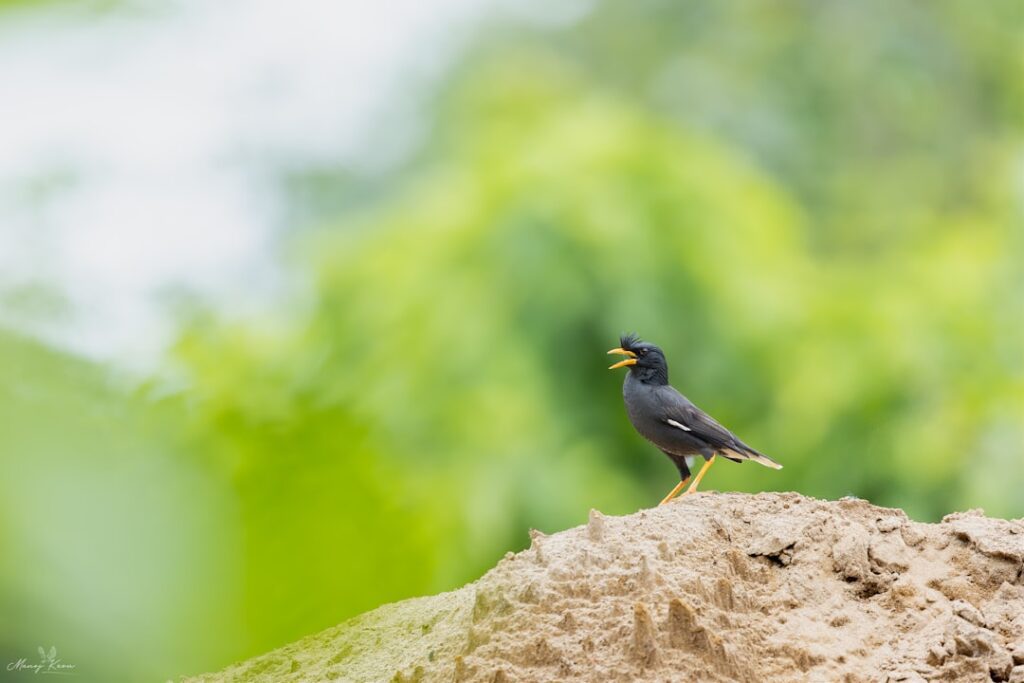
Tinsukia, India’s Best Tea Gardens, Tribal Culture & Wildlife Encounters (2025)
While crowds flock to Kaziranga National Park, Tinsukia delivers world-class wildlife viewing without the tourist buses and inflated prices. Here’s why savvy travelers choose differently: you’ll find 70% fewer visitors but 100% more authentic Assamese culture, plus access to Dibru-Saikhowa National Park’s 36 mammal species including the rare feral horse population. This is where Northeast India reveals its true character beyond the postcard spots.
Why Tinsukia, India Stands Out

Close-up image of compass on a world map highlighting travel direction and …, Tinsukia, India
- Historic Architecture: The century-old Tinsukia Railway Station (built 1883) showcases British-era engineering that transformed Assam’s tea trade routes.
- Cultural Scene: The Dehing Patkai Festival each January celebrates the region’s tribal heritage with traditional dance, music, and handicraft demonstrations.
- Local Specialties: Don’t miss the tangy and savory fish tenga paired with locally grown bora rice at any authentic Assamese eatery.
Pro Tip: Visit between November and March when temperatures hover at 15-25°C and wildlife sightings peak in the national parks. Arrive at Dibru-Saikhowa by 6:30 AM to spot the rare white-winged wood duck before other visitors disturb the tranquility.
Map of Tinsukia, India
Use these interactive maps to explore Tinsukia, India and plan your route:
📍 View Tinsukia, India on OpenStreetMap
🗺️ Open Tinsukia, India in Google Maps
Planning Your Trip: Practical Essentials
Getting There and Around
- By Air: Dibrugarh Airport (DIB) is 40km away with flights from Delhi, Kolkata, and Guwahati on IndiGo and Air India. Pre-book taxis for the 1-hour drive (₹1200-1500). Book flights at Skyscanner for best deals.
- By Train: Tinsukia Junction connects to major cities like Delhi (36 hours) and Kolkata (24 hours) via Rajdhani and Brahmaputra Mail expresses. Reserve tickets at Trainline or the national railway website.
- By Car: NH15 connects Tinsukia to Guwahati (8 hours drive). Rent self-drive cars from local agencies rather than international chains for better rates. Compare car rentals at RentalCars.com.
- Local Transport: Auto-rickshaws charge ₹30-50 for short distances, while shared jeeps to nearby attractions cost ₹100-200. Private cabs for full-day exploration run ₹1500-2000.
Best Time to Visit
Tinsukia’s climate dictates the ideal travel period, with winter offering perfect conditions for wildlife and cultural exploration while summer brings lush landscapes but challenging humidity.
| Season | Weather | Highlights |
|---|---|---|
| Summer (Jun–Aug) | 28-35°C, high humidity, frequent rain | Lush green tea gardens, fewer tourists, but some national park areas may be inaccessible |
| Winter (Dec–Feb) | 10-25°C, dry and pleasant | Optimal wildlife viewing, cultural festivals, perfect for outdoor exploration with minimal crowds |
| Shoulder (Apr–May/Sep–Oct) | 20-30°C, moderate humidity | Good birdwatching opportunities, comfortable temperatures, and lower accommodation rates |
Budgeting for Tinsukia, India

Vivid sunset over Thiruvananthapuram cityscape with buildings silhouetted a…, Tinsukia, India
| Category | Budget | Mid-range | Luxury |
|---|---|---|---|
| Accommodation | ₹800-1200 per night (guesthouses) | ₹2500-4000 (3-star hotels) | ₹6000+ (tea garden bungalows) |
| Meals | ₹200-400 per meal (local eateries) | ₹500-800 (restaurants) | ₹1200+ (fine dining) |
| Transport | ₹300 daily (auto-rickshaws) | ₹1500 (private cab half-day) | ₹4000 (full-day private vehicle) |
| Activities | Free (tea garden walks) | ₹500-1000 (park entry fees) | ₹2500+ (guided wildlife tours) |
| Daily Total | ₹1300-1900 | ₹5000-7300 | ₹13,700+ |
Top Attractions and Must-See Sights
| Attraction | Description | Hours | Entry Fee |
|---|---|---|---|
| Dibru-Saikhowa National Park | Biodiversity hotspot with rare feral horses and over 350 bird species in wetland ecosystems | 8 AM-4 PM | ₹100 Indians, ₹650 foreigners |
| Bell Temple (Namphake Village) | 200-year-old Tai Phake Buddhist monastery showcasing unique tribal architecture and peaceful surroundings | 6 AM-6 PM | Free (donations appreciated) |
| Dehing Patkai Wildlife Sanctuary | Dense rainforest often called “Amazon of the East” with walking trails through virgin forests | 9 AM-5 PM | ₹50 Indians, ₹250 foreigners |
| Tilinga Mandir (Bell Temple) | Unique Shiva temple where devotees hang bells for wishes fulfilled, creating a magical soundscape | 5 AM-9 PM | Free |
3-Day Itinerary: Tinsukia, India’s Highlights & Hidden Gems
Day 1: Wildlife & Wetlands Discovery
- Morning: 7 AM boat safari at Dibru-Saikhowa National Park (₹800 per person) to spot Gangetic dolphins and water birds. The early light creates perfect photography conditions.
- Afternoon: 12 PM exploration of grassland trails and lunch at Park View Restaurant near the entrance (try their masor tenga for ₹180).
- Evening: 6 PM visit to Tilinga Mandir to experience the evening aarti ceremony followed by dinner at Uppam Ghar for authentic Assamese thali (₹350).
Day 2: Tribal Culture & Tea Gardens
- Morning: 8 AM drive to Namphake Village (₹1200 round trip) to witness Tai Phake tribal life and the beautiful 200-year-old Buddhist monastery.
- Afternoon: 1 PM traditional tribal lunch at a local family home (arranged through guides for ₹300) followed by tea garden exploration at Hattigarh Tea Estate.
- Evening: 6:30 PM return to Tinsukia for shopping at local markets for traditional handicrafts and dinner at Spice Garden (their duck curry is legendary at ₹420).
Day 3: Rainforest Exploration & Local Life
- Morning: 7:30 AM shared jeep (₹200) to Dehing Patkai Wildlife Sanctuary for guided jungle walking (₹300 guide fee) through some of India’s last remaining rainforest.
- Afternoon: 12:30 PM picnic lunch amid the forest followed by visit to nearby coal mining areas to understand the region’s industrial significance.
- Evening: 5 PM exploration of Tinsukia’s colonial-era architecture around the railway station followed by farewell dinner at Hotel Aroma for their special pork with bamboo shoot (₹280).
Cultural Insights & Etiquette
- Language: Assamese is primary, but Hindi and English work in tourist areas. Learn “dhanyabaad” (thank you) and “xubho xokal” (good morning).
- Customs: Remove shoes before entering homes and religious sites. Always use your right hand for giving/receiving items and eating.
- Tipping: Not expected but appreciated – round up taxi fares, 5-10% at restaurants for exceptional service.
- Dress Code: Modest clothing covering shoulders and knees, especially at religious sites. Light cotton works best in the humid climate.
- Business Hours: Shops 10 AM-8 PM, government offices 10 AM-5 PM (closed Sundays). Many businesses close 1-2 PM for lunch break.
Where to Eat: Tinsukia, India’s Best Bites
Assamese cuisine in Tinsukia showcases fresh river fish, locally grown rice varieties, and bamboo shoot preparations that reflect the region’s tribal influences. Meals are typically light on spices but rich in flavor from local herbs and fermentation techniques.
Must-Try Local Specialties
- Masor Tenga: Sour fish curry made with tomatoes and lemon, best tried at Uppam Ghar near the bus stand
- Aloo Pitika: Mashed potatoes with mustard oil and onions, available at every local eatery including Hotel Aroma
- Pitha: Rice cakes stuffed with coconut or sesame, particularly during Bihu festivals at street stalls
Restaurant Recommendations by Budget
| Type | Restaurant | Specialty | Price Range |
|---|---|---|---|
| Budget | Uppam Ghar (Station Road) | Authentic Assamese thali with 8 dishes | ₹200-350 |
| Mid-range | Spice Garden (Bordoloi Road) | Tribal-inspired meat preparations | ₹400-700 |
| Fine dining | Tea Garden Resort Restaurant | Fusion Assamese cuisine with tea-infused dishes | ₹800-1500 |
Where to Stay
Accommodation ranges from basic guesthouses near the railway station to luxurious tea garden bungalows in the outskirts. The town center offers convenience while surrounding areas provide tranquility and nature immersion. Compare prices and book at Booking.com or Airbnb for apartments.
Best Neighborhoods for Accommodation
- Station Road Area: Most convenient for transport and dining, but can be noisy – ideal for budget travelers and short stays
- Bordoloi Road: Quieter mid-range hotels with better amenities, walking distance to markets and restaurants
- Outskirts Tea Estates: Luxury heritage bungalows offering immersive nature experiences but requiring transportation

An elderly man with a red tilak standing in a busy street in Varanasi, India., Tinsukia, India
FAQs: Your Tinsukia, India Questions Answered
1. Is Tinsukia, India safe at night?
Generally safe, but avoid isolated areas after dark. Stick to well-lit main roads and use registered taxis for night travel. Women travelers should exercise normal precautions like avoiding walking alone late at night.
2. What currency is used and are credit cards accepted?
Indian Rupees (₹) are the local currency. While hotels and larger restaurants accept credit cards, you’ll need cash for local transport, small eateries, and market purchases. ATMs are readily available in the town center.
3. How do I get from the airport to the city center?
Dibrugarh Airport is 40km from Tinsukia. Pre-paid taxis cost ₹1200-1500 for the 1-hour journey. Shared taxis are cheaper (₹300 per person) but less convenient. Book airport transfers at GetYourGuide for convenience.
4. Do I need to speak the local language?
Not essential but helpful. English works in hotels and tourist spots, while Hindi suffices in shops and restaurants. Learning a few Assamese phrases will earn you warm responses from locals.
5. What’s the appropriate dress code?
Light, modest clothing covering knees and shoulders is recommended, especially when visiting religious sites. Pack rain gear if visiting during monsoon season and comfortable walking shoes for national park explorations.
Final Thoughts: Tinsukia, India Awaits
Tinsukia offers what many travelers truly seek – authentic cultural encounters, spectacular wildlife viewing without crowds, and the chance to experience Northeast India beyond the usual tourist trail. Between the misty tea gardens, vibrant tribal traditions, and incredible biodiversity, this region captures the essence of Assam in its purest form. Savvy visitors know that the real magic happens when you venture beyond the obvious destinations, and Tinsukia delivers this in abundance. Don’t leave without experiencing a traditional Bihu dance performance – ask your hotel to arrange one, as these spontaneous cultural displays reveal the true heart of Assamese hospitality.
Explore More Destinations
- Jozani, Tanzania on a Budget: an Ancient Forest for $35/Day (2026)
- Nsumbu, Zambia on a Budget: Wild Africa for $40/Day (2026)
- Semporna, Malaysia on a Budget: Paradise for $35/Day (2026)
- Khuzestan, Iran on a Budget: Ancient Empires for $30/Day (2026)
- Ngerulmud, Palau on a Budget: Island Majesty for $45/Day (2026)
Ready to Visit Tinsukia?
Start planning your trip today. Compare hotels, find the best tours, and get insider tips.
Your adventure in Tinsukia starts here →
Related Guides
Explore more destinations similar to Tinsukia:

