
Wae Rebo, Indonesia: Hidden Ancient Architecture, Mountain Spirituality & Living Culture (2025)
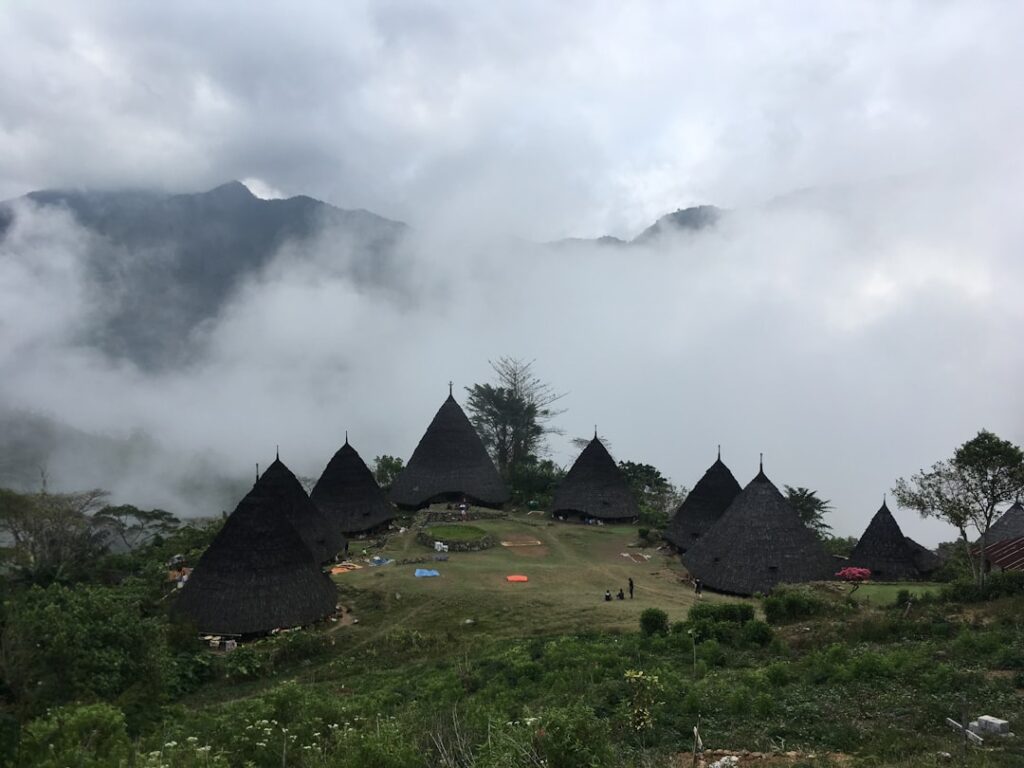
At 4 AM in Wae Rebo, the village wakes to a symphony of roosters echoing through conical thatched roofs that have stood for over 200 years. Wood smoke curls from the seven traditional Mbaru Niang houses as elders begin morning rituals in this remote Manggarai settlement, perched 1,200 meters above sea level on Flores Island. While nearby Komodo National Park draws thousands, fewer than 3,000 travelers annually complete the challenging trek to this UNESCO-recognized cultural treasure, where time moves to the rhythm of ancestral traditions rather than tourist schedules.
Why Wae Rebo, Indonesia Stands Out
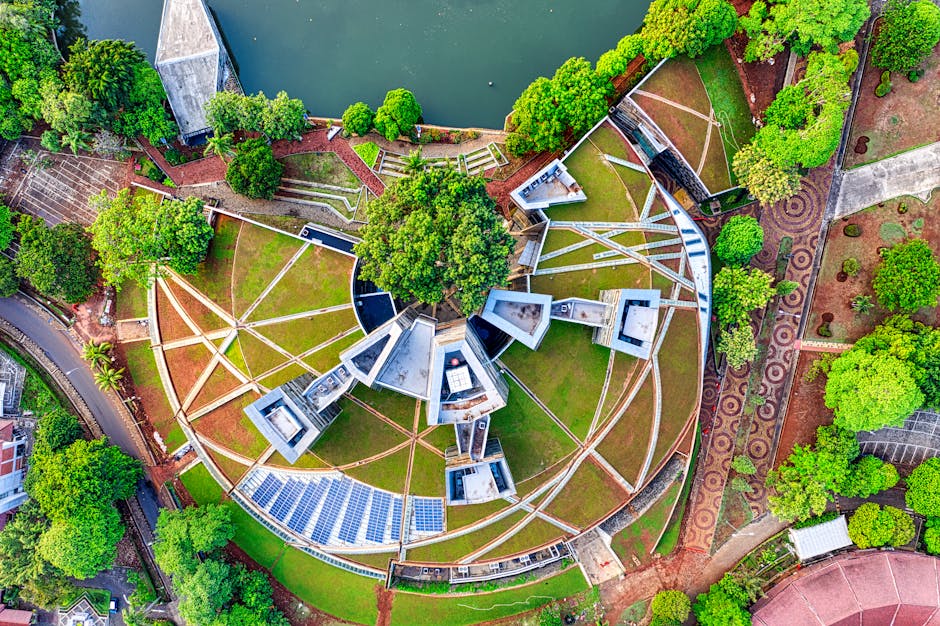
Drone shot of circular architectural design amidst lush greenery in Jawa Barat, Wae Rebo, Indonesia
- Historic Architecture: The seven Mbaru Niang houses (built circa 1800) feature five-story conical design representing buffalo horns, the Manggarai cultural symbol
- Cultural Scene: Witness the Caci whip-fighting ritual performed during major ceremonies, where dancers wear elaborate costumes and traditional masks
- Local Specialties: Try Jagong Bose, a traditional corn porridge cooked with local spices and served with smoked meat from village livestock
Pro Tip: Visit between April and October during the dry season when trails are safest, and arrive on weekdays to avoid the handful of weekend tourists – you’ll often have the entire village to yourself if you stay overnight on Tuesday through Thursday.
Map of Wae Rebo, Indonesia
Use these interactive maps to explore Wae Rebo, Indonesia and plan your route:
📍 View Wae Rebo, Indonesia on OpenStreetMap
🗺️ Open Wae Rebo, Indonesia in Google Maps
Planning Your Trip: Practical Essentials
Getting There and Around
- By Air: Fly to Komodo Airport (LBJ) in Labuan Bajo with Garuda Indonesia or Lion Air from Bali or Jakarta. Book flights at Skyscanner for best deals.
- By Train: No direct train service exists to Flores Island. Travelers typically fly to Labuan Bajo then take a 4-hour car journey to Denge village, the trek starting point. Reserve tickets at Trainline or the national railway website for other Indonesian destinations.
- By Car: From Labuan Bajo, hire a private car (approximately 600,000 IDR/$40) for the scenic 4-hour drive through mountains to Denge village. Compare car rentals at RentalCars.com.
- Local Transport: Ojek (motorcycle taxis) available in Denge village for last-minute supplies (10,000-20,000 IDR per ride). The 3-hour trek to Wae Rebo must be completed on foot with a local guide.
Best Time to Visit
Wae Rebo’s tropical highland climate means timing is crucial – the dry season offers clear skies and manageable trails, while the rainy season can make the trek dangerous and obscure the mountain views that make the journey worthwhile.
| Season | Weather | Highlights |
|---|---|---|
| Dry Season (Apr–Oct) | 18-25°C, minimal rainfall, clear mountain views | Optimal trekking conditions, cultural festivals, best photography light |
| Rainy Season (Nov–Mar) | 16-22°C, heavy daily rainfall, frequent fog | Fewer visitors, lush green landscapes, but slippery trails and limited visibility |
| Shoulder (Mar/Apr & Oct/Nov) | 17-24°C, occasional showers, mixed conditions | Balancing decent weather with smaller crowds, lower accommodation rates |
Budgeting for Wae Rebo, Indonesia

A captivating view of Jakarta featuring a mosque dome amidst urban towers a…, Wae Rebo, Indonesia
| Category | Budget | Mid-range | Luxury |
|---|---|---|---|
| Accommodation | 150,000 IDR ($10) village homestay | 500,000 IDR ($33) Labuan Bajo hotel | 1,500,000+ IDR ($100+) premium resort |
| Meals | 50,000 IDR ($3.30) local warungs | 150,000 IDR ($10) restaurant meals | 300,000+ IDR ($20+) fine dining |
| Transport | 25,000 IDR ($1.70) ojeks | 600,000 IDR ($40) private car | 1,200,000 IDR ($80) private driver+guide |
| Activities | 100,000 IDR ($6.70) guide fee | 300,000 IDR ($20) cultural performances | 500,000 IDR ($33) private ceremonies |
| Daily Total | 325,000 IDR ($22) | 1,550,000 IDR ($103) | 3,500,000+ IDR ($233+) |
Top Attractions and Must-See Sights
| Attraction | Description | Hours | Entry Fee |
|---|---|---|---|
| Mbaru Niang Traditional Houses | Seven sacred conical houses with five levels representing Manggarai cosmology | Always accessible | Included in 150,000 IDR village donation |
| Trek from Denge to Wae Rebo | 9km mountain trail through pristine cloud forest with stunning valley views | Start by 10 AM | 100,000 IDR mandatory guide fee |
| Traditional Weaving Demonstration | Watch elders create intricate Tenun ikat textiles using natural dyes and ancient patterns | Afternoon demonstrations | Free with accommodation |
| Sunrise Viewpoint | Panoramic mountain vista where morning light illuminates the entire village | 5:30-7:00 AM | Free |
3-Day Itinerary: Wae Rebo, Indonesia’s Highlights & Hidden Gems
Day 1: Journey to the Clouds
- Morning: 7:00 AM departure from Labuan Bajo with private car (600,000 IDR) for the 4-hour scenic drive to Denge village, stopping at traditional markets for supplies.
- Afternoon: 12:00 PM start the 3-hour trek with local guide (100,000 IDR) through lush forests, arriving at Wae Rebo by 3:00 PM for traditional welcome ceremony.
- Evening: 6:00 PM communal dinner in Mbaru Niang house featuring Jagong Bose corn porridge, followed by storytelling with village elders about ancestral traditions.
Day 2: Living Culture Immersion
- Morning: 5:30 AM sunrise photography at viewpoint, then participate in morning coffee preparation using traditional wood-fired method (free with stay).
- Afternoon: 1:00 PM weaving workshop watching masters create Tenun ikat textiles, then learn about natural dye preparation from local plants.
- Evening: 7:00 PM cultural performance featuring Caci whip-fighting ritual and traditional music (additional 150,000 IDR donation recommended).
Day 3: Mountain Traditions & Return
- Morning: 7:00 AM farewell ceremony with village chief, then descend through different trail route offering new valley perspectives (3 hours back to Denge).
- Afternoon: 12:00 PM lunch at Denge village warung (50,000 IDR) featuring fresh mountain vegetables, then 4-hour return drive to Labuan Bajo.
- Evening: 6:00 PM dinner at Mediterraneo Restaurant in Labuan Bajo (250,000 IDR) for well-earned Italian cuisine after days of traditional food.
Cultural Insights & Etiquette
- Language: Basic Indonesian phrases like “Terima kasih” (thank you) and “Selamat pagi” (good morning) appreciated; Manggarai language used locally
- Customs: Always accept betel nut when offered by elders – refusing is considered deeply disrespectful in Manggarai tradition
- Tipping: Not expected but appreciated; 50,000-100,000 IDR for guides and 20,000 IDR for drivers shows gratitude for exceptional service
- Dress Code: Modest clothing covering shoulders and knees, remove shoes before entering houses, sarongs provided for ceremonies
- Business Hours: Village life follows natural light, shops in Denge open 8 AM-5 PM, major ceremonies typically occur on full moons
Where to Eat: Wae Rebo, Indonesia’s Best Bites
Wae Rebo offers authentic Manggarai highland cuisine centered around corn, root vegetables, and free-range livestock, with meals served communally in traditional houses using cooking methods unchanged for generations.
Must-Try Local Specialties
- Jagong Bose: Stone-ground corn porridge slow-cooked with lemongrass and turmeric, served with smoked wild boar – available in village homestays
- Ayam Goreng Sasak: Free-range chicken marinated in coconut and spices, then wood-fire grilled – best at Labuan Bajo’s Warung Mama
- Ubi Ramos: Purple sweet potatoes roasted in hot stones, served with wild honey – traditional trekking snack prepared by guides
Restaurant Recommendations by Budget
| Type | Restaurant | Specialty | Price Range |
|---|---|---|---|
| Budget | Warung Denge (Denge village) | Fresh mountain vegetable dishes | 30,000-60,000 IDR |
| Mid-range | Tree Top Labuan Bajo | Seafood with Indonesian fusion | 150,000-300,000 IDR |
| Fine dining | Mediterraneo Restaurant Labuan Bajo | Italian-Indonesian fusion with wine pairings | 400,000-800,000 IDR |
Where to Stay
Accommodation ranges from basic village homestays within the traditional houses to comfortable hotels in Labuan Bajo. Staying overnight in Wae Rebo provides the most authentic experience, allowing participation in morning and evening village rituals. Compare prices and book at Booking.com or Airbnb for apartments.
Best Neighborhoods for Accommodation
- Wae Rebo Village: Authentic cultural immersion sleeping in traditional houses, basic facilities, unparalleled access to daily village life
- Labuan Bajo Waterfront: Comfortable hotels with AC and WiFi, convenient for pre/post-trek relaxation, seafood restaurants and sunset views
- Denge Village: Simple homestays at trek base, minimizes travel time, basic amenities but authentic local experience

Bustling urban cityscape featuring a modern shopping mall with notable reta…, Wae Rebo, Indonesia
FAQs: Your Wae Rebo, Indonesia Questions Answered
1. Is Wae Rebo, Indonesia safe at night?
Extremely safe – the village has virtually no crime, though trails can be slippery after dark. Bring a headlamp for moving between houses at night and watch for uneven paths. The main safety concern is altitude sickness – ascend slowly and stay hydrated.
2. What currency is used and are credit cards accepted?
Indonesian Rupiah (IDR) is the currency. Bring ample cash as no ATMs exist beyond Labuan Bajo, and credit cards aren’t accepted in Wae Rebo. Budget 500,000-1,000,000 IDR for village donations, guide fees, and handicraft purchases.
3. How do I get from the airport to the city center?
From Komodo Airport (LBJ), taxis cost 100,000 IDR to Labuan Bajo center (15 minutes). Most hotels offer free pickup with advance booking. Book airport transfers at GetYourGuide for convenience.
4. Do I need to speak the local language?
Basic Indonesian is helpful but not essential. Guides speak functional English, and villagers communicate through gestures and hospitality. Learning a few phrases like “Apa kabar?” (how are you?) and “Enak” (delicious) enhances connections.
5. What’s the appropriate dress code?
Modest, comfortable clothing covering shoulders and knees. Bring layers for cool mountain nights (as low as 16°C), sturdy hiking shoes, rain jacket, and sarong for ceremonies. Avoid revealing clothing out of respect for conservative local customs.
Final Thoughts: Wae Rebo, Indonesia Awaits
Wae Rebo offers one of Indonesia’s most authentic cultural encounters, where ancient traditions continue uninterrupted in spectacular mountain surroundings. The challenging access ensures only the most determined travelers experience this living museum of Manggarai heritage. Savvy visitors know the real magic happens after sunset, when village elders share stories passed through generations under starlit skies. Don’t rush your visit – the profound cultural connection you’ll discover here lingers long after you’ve descended back to the modern world. Your best bet is to plan an overnight stay midweek, when you might find yourself the only visitor sharing this mountaintop treasure with its 200 welcoming residents.
Related Guides
Explore more destinations similar to Wae Rebo:
- Pašman, Croatia’s Best Secluded Coves, Franciscan Serenity & Olive Oil Trails (2026)
- Rome’s Best Ancient Wonders, Pasta & Renaissance Art (2025)
- Nukus, Uzbekistan’s Best Soviet Art, Ancient Ruins & Desert Adventures (2025)
- Altai Mountains, Russia: Essential Wilderness, Ancient Culture & Alpine Adventures (2025)

