
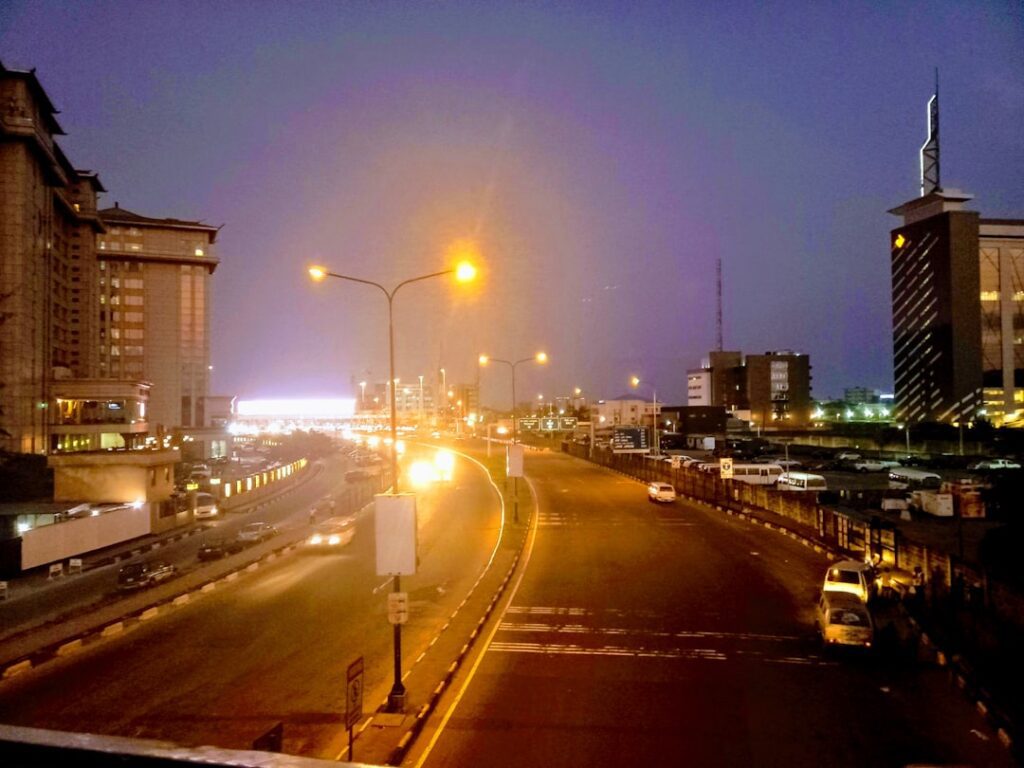
Ugep, Nigeria’s Epic Yam Celebrations, Rainforest Hikes & Living Traditions (2025)
Ask locals about Ugep, Nigeria, and they’ll tell you about the New Yam Festival where 30,000 people gather to watch the Obol Lopon taste the first yam of the season. Most guidebooks miss this completely, focusing instead on better-known Nigerian cities. But here in Cross River State, you’ll discover one of West Africa’s most intact traditional kingdoms, where the monarch still holds court in his ancient palace and the rainforest canopy shelters hiking trails that reveal waterfalls few outsiders ever see.
Why Ugep, Nigeria Stands Out

Aerial-photography of city, Ugep, Nigeria
- Historic Architecture: The Obol Lopon’s Palace dating to the 18th century, featuring traditional Yakurr architecture with carved wooden pillars telling clan migration stories.
- Cultural Scene: The Leboku New Yam Festival each August, a 3-week celebration featuring masquerades, traditional wrestling, and the iconic “maidens’ parade” where young women dance through the town.
- Local Specialties: Pounded yam with edikang ikong soup, a rich vegetable and meat stew that’s the pride of Yakurr cuisine.
Pro Tip: Visit during the dry season from November to February when rainfall drops to just 2-3 days per month, making it ideal for hiking and festival activities. Arrive a week before the main Leboku Festival dates to watch preparations and avoid accommodation shortages.
Map of Ugep, Nigeria
Use these interactive maps to explore Ugep, Nigeria and plan your route:
📍 View Ugep, Nigeria on OpenStreetMap
🗺️ Open Ugep, Nigeria in Google Maps
Planning Your Trip: Practical Essentials
Getting There and Around
- By Air: Margaret Ekpo International Airport in Calabar (90km away) connects to Lagos and Abuja. Book flights at Skyscanner for best deals, then take a shared taxi (₦4,000) or private car (₦15,000) to Ugep.
- By Train: No direct rail service to Ugep. The nearest major station is in Port Harcourt (200km away). Reserve tickets at Trainline or the national railway website for connections to southern Nigeria.
- By Car: Drive from Calabar via the A4 highway (2 hours). Compare car rentals at RentalCars.com starting at ₦25,000/day. Parking is readily available at most guesthouses.
- Local Transport: Motorcycle taxis (okadas) cost ₦100-ₒ300 per ride. Shared minibuses connect different quarters of town for ₦50-₦150. Private car hire runs ₦5,000-₦8,000 per day.
Best Time to Visit
Ugep’s tropical climate means you’ll want to time your visit around both weather and cultural events. The dry season offers optimal hiking conditions, while August brings the spectacular Leboku Festival that transforms the entire town.
| Season | Weather | Highlights |
|---|---|---|
| Summer (Jun–Aug) | 26-30°C, heavy rainfall, high humidity | Leboku Festival activities, cultural immersion, vibrant atmosphere but crowded |
| Winter (Dec–Feb) | 28-32°C, minimal rainfall, pleasant evenings | Ideal hiking conditions, comfortable exploration, lower accommodation rates |
| Shoulder (Apr–May/Sep–Oct) | 27-31°C, moderate rainfall, lush vegetation | Fewer visitors, green landscapes, local festivals at lower intensity |
Budgeting for Ugep, Nigeria

Few people on road beside trees and green field under white skies, Ugep, Nigeria
| Category | Budget | Mid-range | Luxury |
|---|---|---|---|
| Accommodation | ₦5,000-₦8,000 per night (guesthouses) | ₦15,000-₦25,000 (boutique hotels) | ₦40,000+ (private villas with staff) |
| Meals | ₦1,500-₦2,500 (street food/local eateries) | ₦3,500-₦6,000 (restaurants) | ₦10,000+ (private chefs/catering) |
| Transport | ₦500-₦1,000 (okadas/buses) | ₦3,000-₦5,000 (private taxis) | ₦15,000+ (private car with driver) |
| Activities | Free hiking, palace visits (₦500 donation) | Guided tours (₦5,000-₦10,000) | Private cultural performances (₦25,000+) |
| Daily Total | ₦7,000-₦12,000 | ₦25,000-₦40,000 | ₦75,000+ |
Top Attractions and Must-See Sights
| Attraction | Description | Hours | Entry Fee |
|---|---|---|---|
| Obol Lopon’s Palace | The traditional seat of Yakurr kingdom with ancient artifacts and royal regalia on display | 9 AM-4 PM daily | ₦500 donation expected |
| Ugep Rainforest Trail | 3km hiking path through primary rainforest leading to a secluded waterfall | Sunrise to sunset | Free (guide: ₦2,000) |
| Central Market | Bustling traditional market showcasing local crafts, fresh produce, and medicinal herbs | 7 AM-6 PM daily | Free |
| Yakurr Cultural Museum | Small but fascinating museum documenting Yakurr history and traditions | 10 AM-3 PM (closed Sundays) | ₦1,000 |
3-Day Itinerary: Ugep, Nigeria’s Highlights & Hidden Gems
Day 1: Royal Traditions & Market Life
- Morning: 7:30 AM palace audience with the Obol Lopon (arrange through your guesthouse). Witness traditional court proceedings and see the royal staff of office dating to 1800.
- Afternoon: 12:30 PM exploration of Central Market and lunch at Mama Kema’s Food Spot (try their edikang ikong soup for ₦1,800).
- Evening: 6 PM cultural performance at the palace grounds (₦3,000) followed by dinner at Ugep Guesthouse Restaurant (pounded yam with afang soup, ₦2,500).
Day 2: Rainforest Adventure & Local Crafts
- Morning: 7 AM rainforest hike with guide Joseph (₦5,000) – he’ll show you medicinal plants and the hidden waterfall where locals believe spirits reside.
- Afternoon: 1 PM visit to woodcarver’s workshop in Ikpakapit quarter and lunch at Brother’s Kitchen (fresh fish pepper soup, ₦1,200).
- Evening: 6:30 PM sunset viewing at Ijiman Hill followed by traditional storytelling session at the community center (donation basis).
Day 3: Cultural Immersion & Departure
- Morning: 8 AM motorcycle taxi (₦300) to nearby Ekori village for pottery demonstration and purchase directly from artisans.
- Afternoon: 12 PM cooking class with local chef Grace (₦7,000) learning to prepare three traditional Yakurr dishes, then enjoy your creations for lunch.
- Evening: 5 PM farewell drink at Palm Wine Junction (fresh palm wine for ₦500 per calabash) before departure to Calabar.
Cultural Insights & Etiquette
- Language: While English is widely understood, learning a few Yakurr phrases like “Ndewo” (hello) and “Daalu” (thank you) will earn you warm smiles.
- Customs: Always greet elders first and use your right hand for giving/receiving items. Remove shoes before entering homes and avoid pointing with fingers.
- Tipping: Not expected but appreciated – round up taxi fares, leave ₦500-₦1,000 for good restaurant service, and give guides ₦2,000-₦5,000 depending on service length.
- Dress Code: Modest clothing preferred – knee-length shorts/skirts and covered shoulders, especially when visiting the palace or religious sites.
- Business Hours: Most businesses open 8 AM-6 PM with extended market hours. Many close between 1-3 PM for lunch break and observe Sunday as day of rest.
Where to Eat: Ugep, Nigeria’s Best Bites
Yakurr cuisine centers around fresh vegetables, river fish, and of course, yams in countless preparations. You’ll find dining ranges from street-side food stalls serving quick meals to family-run restaurants where recipes have been passed down for generations.
Must-Try Local Specialties
- Edikang Ikong Soup: A rich, dark green soup made with fluted pumpkin leaves, waterleaf, and assorted meats – best at Mama Kema’s Food Spot near the market.
- Pounded Yam with Afang Soup: Smooth pounded yam served with a slightly bitter soup made from afang leaves and periwinkle – Ugep Guesthouse Restaurant makes an exceptional version.
- Fresh Palm Wine: Sweet, mildly alcoholic sap tapped from oil palm trees – get the freshest batches at Palm Wine Junction before 10 AM.
Restaurant Recommendations by Budget
| Type | Restaurant | Specialty | Price Range |
|---|---|---|---|
| Budget | Brother’s Kitchen (Market Road) | Pepper soup and rice dishes | ₦800-₦1,500 |
| Mid-range | Ugep Guesthouse Restaurant (Palace Road) | Traditional Yakurr soups and pounded yam | ₦2,000-₦4,000 |
| Fine dining | Royal Taste (by appointment only) | Multi-course traditional meals with cultural explanation | ₦8,000-₦12,000 |
Where to Stay
Accommodation in Ugep ranges from basic guesthouses to comfortable mid-range hotels, with most options clustered near the town center for easy access to major attractions. Compare prices and book at Booking.com or Airbnb for apartments.
Best Neighborhoods for Accommodation
- Town Center: Walking distance to palace and market, but can be noisy – ideal for first-time visitors wanting convenience.
- Residential Quarters: Quieter areas like Ijiman Hill offer more local atmosphere but require transport to main attractions.
- Outskirts: A few guesthouses on the town edges provide tranquility and beautiful views but limited dining options nearby.

Cars on road under blue sky and white clouds during daytime, Ugep, Nigeria
FAQs: Your Ugep, Nigeria Questions Answered
1. Is Ugep, Nigeria safe at night?
Ugep is generally safe, but travelers should take normal precautions. Avoid walking alone in poorly lit areas after dark and use registered motorcycle taxis (okadas) for evening transport. The town center remains active until about 9 PM, after which the streets become quiet.
2. What currency is used and are credit cards accepted?
Nigeria uses the Naira (₦). Carry cash as credit cards are rarely accepted outside major hotels in Calabar. There are several banks with ATMs in Ugep, but they sometimes run out of cash – withdraw money in Calabar before arriving.
3. How do I get from the airport to the city center?
From Margaret Ekpo International Airport in Calabar, take a shared taxi (₦4,000, 90 minutes) or arrange private transfer (₦15,000-₦20,000). Book airport transfers at GetYourGuide for convenience, though local taxis are readily available.
4. Do I need to speak the local language?
English is widely spoken, especially among business owners and younger residents. Learning basic Yakurr greetings will enhance your experience, but you can comfortably navigate with English alone.
5. What’s the appropriate dress code?
Modest, comfortable clothing works best – light fabrics that cover shoulders and knees. Bring rain gear regardless of season and sturdy shoes for hiking. For palace visits or formal occasions, more conservative attire shows respect.
Final Thoughts: Ugep, Nigeria Awaits
Ugep offers something increasingly rare in modern travel: authentic cultural immersion where traditions aren’t performed for tourists but lived daily. Between the vibrant market scenes, the profound respect for royal heritage, and the stunning natural surroundings, you’ll discover a destination that stays with you long after you’ve returned home. Savvy travelers know to visit before the secret gets out – your best bet is to plan around the dry season and allow at least three full days to properly experience this remarkable corner of Nigeria. Don’t miss the chance to try fresh palm wine at sunrise – it’s a local ritual that perfectly captures Ugep’s unique charm.
Related Guides
Explore more destinations similar to Ugep:

