
Torbat-e Heydarieh, Iran: Incredible Saffron Fields, Ancient Caravanserais & Persian Hospitality (2025)
While travelers crowd into Mashhad’s holy sites just 150 kilometers away, Torbat-e Heydarieh offers something rarer: authentic Persian rural life where saffron cultivation dates back 700 years. Here, you’ll find family-run farms harvesting the world’s most expensive spice, ancient trade routes that once connected empires, and hospitality that feels untouched by mass tourism. This is where you experience Iran not as a spectator but as a welcomed guest in a living cultural landscape.
Why Torbat-e Heydarieh, Iran Stands Out

Multicolored lion art on building’s wall at daytime, Torbat-e Heydarieh, Iran
- Historic Architecture: Robat-e Sharaf Caravanserai (12th century) showcases Seljuk engineering with its dual-season chambers and intricate brickwork along the Silk Road.
- Cultural Scene: The annual Saffron Harvest Festival each November transforms the countryside with purple blooms and traditional picking ceremonies.
- Local Specialties: Sholeh Torbati, a rich rice and lamb dish slow-cooked for hours with local saffron and spices.
Pro Tip: Visit during late October to early November for the saffron harvest – you’ll see fields blanketed in purple flowers at dawn and can join local families for the morning picking ritual before the midday heat.
Map of Torbat-e Heydarieh, Iran
Use these interactive maps to explore Torbat-e Heydarieh, Iran and plan your route:
📍 View Torbat-e Heydarieh, Iran on OpenStreetMap
🗺️ Open Torbat-e Heydarieh, Iran in Google Maps
Planning Your Trip: Practical Essentials
Getting There and Around
- By Air: Mashhad International Airport (MHD) is your gateway, served by Iran Air and Mahan Air with daily flights from Tehran. From there, take a 2-hour shared taxi (35,000 tomans) or private transfer. Book flights at Skyscanner for best deals.
- By Train: Mashhad railway station connects to major cities, with comfortable overnight trains from Tehran (12 hours). From Mashhad, buses to Torbat-e Heydarieh run hourly. Reserve tickets at Trainline or the national railway website.
- By Car: The Route 44 highway provides scenic mountain views from Mashhad. Parking is readily available in the city center. Compare car rentals at RentalCars.com.
- Local Transport: Shared taxis (15,000 tomans across town) and occasional minibuses serve main routes. Most attractions are walkable in the compact city center. Check official city transport websites for passes and schedules.
Best Time to Visit
Spring and autumn deliver perfect conditions for exploring, with comfortable temperatures and key cultural events. Summers can be intensely hot, while winters offer a quiet, authentic experience with occasional snow.
| Season | Weather | Highlights |
|---|---|---|
| Summer (Jun–Aug) | Hot and dry, 28-35°C (82-95°F) | Indoor cultural sites, early morning exploration, fewer tourists |
| Winter (Dec–Feb) | Cold with occasional snow, 2-8°C (36-46°F) | Authentic local life, cozy teahouses, photography in dramatic light |
| Shoulder (Apr–May/Sep–Oct) | Mild and pleasant, 15-25°C (59-77°F) | Perfect for countryside walks, saffron fields preparation, full-day exploration |
Budgeting for Torbat-e Heydarieh, Iran

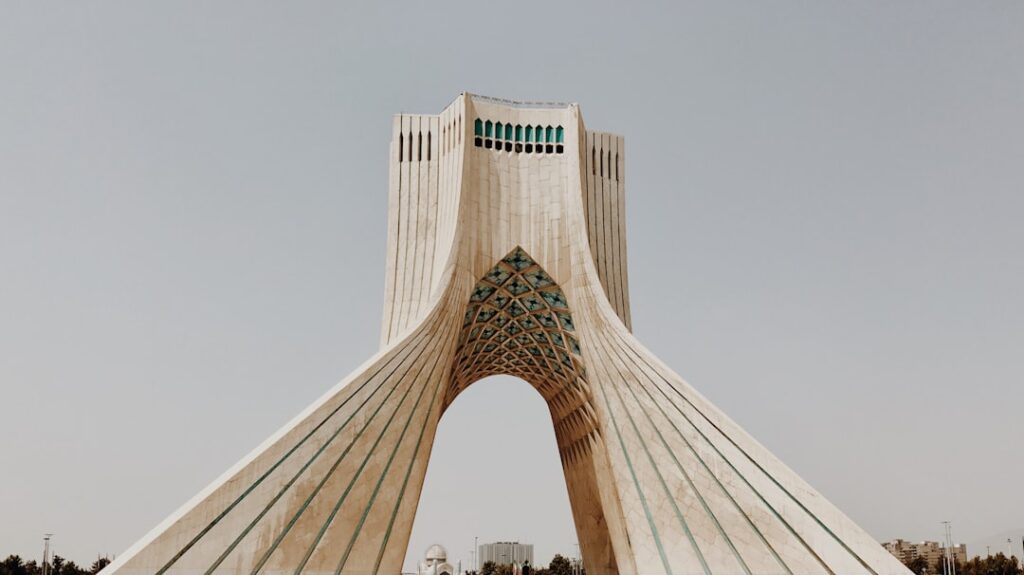
A very tall building with a sky background, Torbat-e Heydarieh, Iran
| Category | Budget | Mid-range | Luxury |
|---|---|---|---|
| Accommodation | 400,000-600,000 tomans/night (hostels) | 800,000-1,200,000 tomans/night (3-star hotels) | 1,500,000+ tomans/night (boutique stays) |
| Meals | 150,000-300,000 tomans (street food, local cafes) | 400,000-600,000 tomans (restaurants) | 800,000+ tomans (fine dining) |
| Transport | 50,000 tomans (local buses, walking) | 150,000 tomans (taxis, occasional car rental) | 300,000+ tomans (private driver) |
| Activities | Free (mosques, walking tours) | 200,000 tomans (museum entries, guided tours) | 500,000+ tomans (private saffron farm visits) |
| Daily Total | 600,000-950,000 tomans | 1,550,000-2,150,000 tomans | 3,100,000+ tomans |
Top Attractions and Must-See Sights
| Attraction | Description | Hours | Entry Fee |
|---|---|---|---|
| Robat-e Sharaf Caravanserai | 12th-century Silk Road marvel with stunning brick arches and dual-season chambers | 8 AM-6 PM daily | 200,000 tomans |
| Jameh Mosque of Torbat-e Heydarieh | 14th-century mosque featuring exquisite tilework and peaceful courtyard gardens | Sunrise-sunset | Free |
| Saffron Fields Experience | Working farms where you can join the morning harvest and learn processing techniques | 6-10 AM (harvest season) | 300,000 tomans (tour) |
| Heydarieh Water Reservoir | Ancient qanat system and traditional Persian water management architecture | 9 AM-5 PM | 100,000 tomans |
3-Day Itinerary: Torbat-e Heydarieh, Iran’s Highlights & Hidden Gems
Day 1: Ancient Trade Routes & Architecture
- Morning: Start at Robat-e Sharaf Caravanserai (8 AM opening, 200,000 tomans) when morning light illuminates the brickwork. Local guides often gather here offering 45-minute tours for 150,000 tomans.
- Afternoon: Explore Jameh Mosque’s tilework then lunch at Shandiz Restaurant for authentic Sholeh Torbati (450,000 tomans). Visit the traditional bazaar for saffron shopping.
- Evening: Sunset at Heydarieh Water Reservoir followed by dinner at Golbahar Traditional Restaurant (600,000 tomans for full meal).
Day 2: Saffron Countryside Immersion
- Morning: Saffron farm visit (6 AM, 300,000 tomans) – participate in harvesting and learn to identify quality stigma from local farmers.
- Afternoon: Picnic lunch among the fields with provisions from the local bakery. Visit a saffron processing facility to see drying techniques.
- Evening: Traditional tea ceremony at a local family home (arranged through your hotel, bring small gift).
Day 3: Cultural Heritage & Local Life
- Morning: Shared taxi (40,000 tomans) to nearby Neyshabur for Omar Khayyam’s tomb and turquoise mines. Don’t miss the poetic atmosphere at Khayyam’s garden.
- Afternoon: Return for lunch at Arak Restaurant then explore the Anthropology Museum (150,000 tomans entry).
- Evening: Final saffron tea at a traditional chaikhane (teahouse) and last-minute spice shopping at the evening market.
Cultural Insights & Etiquette
- Language: Persian (Farsi) is primary; learn “salam” (hello), “mersi” (thank you), and “ghabel nadare” (you’re welcome) – locals appreciate the effort
- Customs: Always remove shoes before entering homes; accept tea when offered (refusing is considered rude); use right hand for eating and handing items
- Tipping: 10% in restaurants if service charge isn’t included; small amounts (20,000-50,000 tomans) for guides and drivers
- Dress Code: Women need headscarves in public; modest clothing covering arms and legs for all; loose, comfortable fabrics for the climate
- Business Hours: Shops open 9 AM-1 PM, close for lunch, reopen 4-8 PM; Fridays are weekly holiday; major closures during religious holidays
Where to Eat: Torbat-e Heydarieh, Iran’s Best Bites
You’ll discover a culinary scene centered around saffron-infused dishes, hearty stews, and exceptional bread baked in traditional tanoor ovens. Family-run establishments outnumber chain restaurants, and the personal touch in every meal makes dining here memorable.
Must-Try Local Specialties
- Sholeh Torbati: The city’s signature lamb and rice dish slow-cooked for hours – best at Shandiz Restaurant near the bazaar
- Tahchin: Saffron rice cake with yogurt and chicken layers – Golbahar Traditional Restaurant makes an exceptional version
- Khoresht-e Beh: Quince and lamb stew with subtle spices – find authentic preparations at family-run eateries in the old town
Restaurant Recommendations by Budget
| Type | Restaurant | Specialty | Price Range |
|---|---|---|---|
| Budget | Ferdowsi Street Food Stalls | Fresh barbari bread with local cheese and herbs | 80,000-150,000 tomans |
| Mid-range | Shandiz Restaurant (Bazaar District) | Authentic Sholeh Torbati and kebabs | 350,000-600,000 tomans |
| Fine dining | Golbahar Traditional Restaurant | Multi-course Persian feasts with live music | 800,000-1,200,000 tomans |
Where to Stay
Accommodation ranges from simple family-run guesthouses to comfortable mid-range hotels, with most clustered conveniently near the city center. You’ll find better value here than in larger Iranian cities, and the personal service often exceeds expectations. Compare prices and book at Booking.com or Airbnb for apartments.
Best Neighborhoods for Accommodation
- City Center: Walking distance to main attractions and bazaar, but can be noisy – perfect for first-time visitors wanting convenience
- Residential Districts: Quieter areas with local character, family homestays available – ideal for immersive cultural experiences
- Outskirts near Saffron Fields: Peaceful countryside stays with stunning views – best for travelers with rental cars seeking tranquility

High-rise buildings, Torbat-e Heydarieh, Iran
FAQs: Your Torbat-e Heydarieh, Iran Questions Answered
1. Is Torbat-e Heydarieh, Iran safe at night?
Yes, the city maintains very low crime rates. The main streets are well-lit and populated until late evening. As in any destination, exercise normal precautions – stick to main roads after dark and avoid isolated areas. Locals are generally protective of visitors and will help if you need directions.
2. What currency is used and are credit cards accepted?
Iranian Rial (IRR) is the official currency, but prices are commonly quoted in Tomans (1 Toman = 10 Rials). Carry cash as international credit cards don’t work due to sanctions. ATMs accept local bank cards only, so exchange enough currency at Mashhad airport or authorized exchange offices.
3. How do I get from the airport to the city center?
Mashhad International Airport offers shared taxis directly to Torbat-e Heydarieh for approximately 350,000 tomans per person (2-hour journey). Private transfers cost 1,200,000-1,500,000 tomans. Pre-book through your accommodation for the smoothest arrival. Book airport transfers at GetYourGuide for convenience.
4. Do I need to speak the local language?
While Farsi is the primary language, you’ll find basic English at hotels and main tourist sites. Learning a few Persian phrases will enhance your experience significantly. Younger locals often know some English and are eager to practice. Carry a translation app for complex conversations.
5. What’s the appropriate dress code?
Women must wear headscarves in public and clothing covering arms and legs. Loose, breathable fabrics work best in the climate. Men should avoid shorts in the city center. Pack comfortable walking shoes for exploring historical sites and modest swimwear if your hotel has a pool.
Final Thoughts: Torbat-e Heydarieh, Iran Awaits
Torbat-e Heydarieh offers what many travelers seek but rarely find: an authentic Persian experience untouched by mass tourism. Here, you’re not just visiting historical sites – you’re walking through living saffron fields that have sustained families for generations, sleeping in caravanserais that hosted Silk Road merchants centuries ago, and sharing meals where recipes have been perfected over lifetimes. The city’s magic lies in its ability to connect you to Iran’s rich cultural tapestry through genuine human connections and timeless landscapes. Savvy travelers know to visit before the secret gets out – your most lasting memory will likely be the unexpected invitation to share tea with a saffron farmer at sunrise, watching as the first light touches the purple blooms that make this region so special.

