
Mostar (Blagaj Dervish Monastery), Bosnia and Herzegovina: Best Ottoman Architecture, Turquoise Rivers & Living History (2025)
Morning light filtering through the 500-year-old Dervish monastery reveals what most visitors miss: the Buna River doesn’t just flow past the cliffside sanctuary—it emerges directly from the mountain cave beneath it, creating Europe’s strongest karst spring at 43 cubic meters per second. The air carries scents of rosewater from nearby gardens mixing with the mineral freshness of rushing water, while the call to prayer echoes across limestone cliffs. This isn’t just another religious site—it’s where nature and spirituality converge in one breathtaking moment.
Why Mostar (Blagaj Dervish Monastery), Bosnia and Herzegovina Stands Out

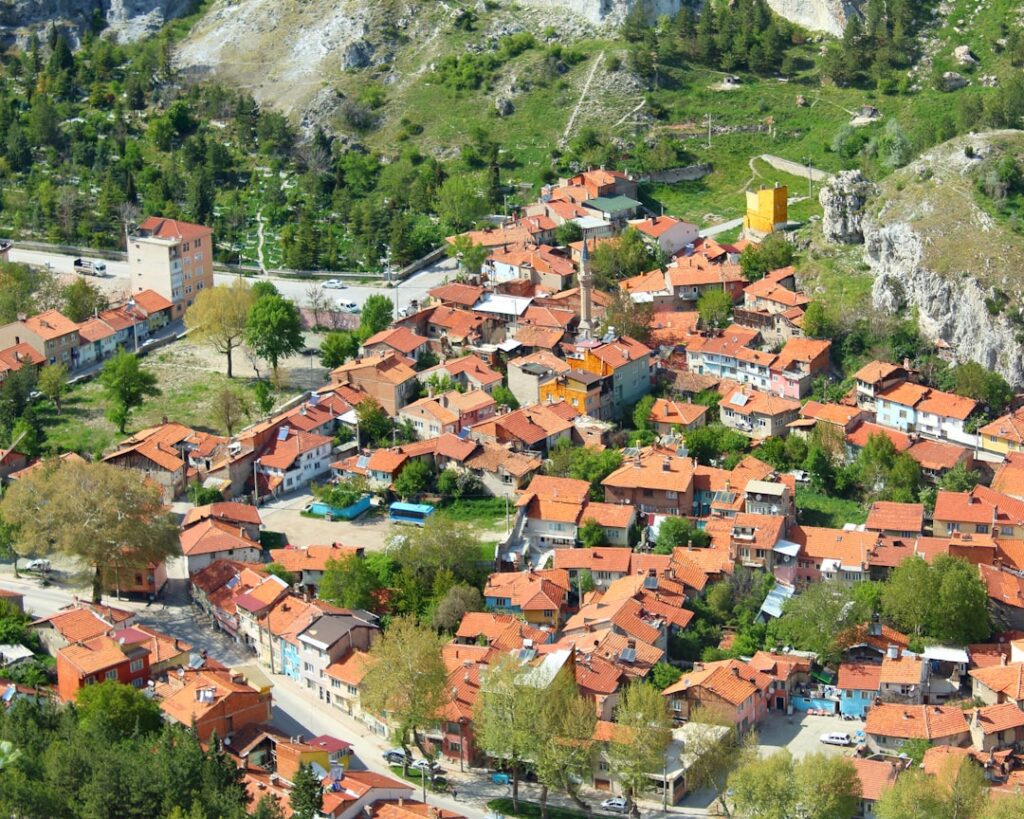
A stone building with a red tiled roof and a steeple, Mostar (Blagaj Dervish Monastery), Bosnia and Herzegovina
- Historic Architecture: The 16th-century Blagaj Tekke monastery built into a 200-meter cliff face represents Ottoman architectural perfection with original wooden elements still intact.
- Cultural Scene: The annual Blagaj Days festival each June transforms the riverside with Sufi whirling ceremonies, traditional sevdalinka music, and craft markets.
- Local Specialties: Don’t miss blitva (Swiss chard with potatoes and garlic) paired with homemade smokovača plum brandy at family-run konobas.
Pro Tip: Arrive at Blagaj Monastery by 7:30 AM before tour buses descend at 9 AM—you’ll have the mystical morning light and tranquil atmosphere almost to yourself, plus the best photography conditions when the water appears most turquoise.
Map of Mostar (Blagaj Dervish Monastery), Bosnia and Herzegovina
Use these interactive maps to explore Mostar (Blagaj Dervish Monastery), Bosnia and Herzegovina and plan your route:
📍 View Mostar (Blagaj Dervish Monastery), Bosnia and Herzegovina on OpenStreetMap
🗺️ Open Mostar (Blagaj Dervish Monastery), Bosnia and Herzegovina in Google Maps
Planning Your Trip: Practical Essentials
Getting There and Around
- By Air: Mostar International Airport (OMO) receives limited flights; Sarajevo Airport (SJJ) 130km away offers better connections with transfer buses (3 hours, €15). Book flights at Skyscanner for best deals.
- By Train: Scenic but slow rail connections from Sarajevo (2.5 hours) and Zagreb (8 hours) with outdated carriages but breathtaking mountain views. Reserve tickets at Trainline or the national railway website.
- By Car: E73 highway connects Mostar to Sarajevo and Croatian coast; parking at Blagaj costs €2/day but fills by 10 AM. Compare car rentals at RentalCars.com.
- Local Transport: Local bus #10 runs from Mostar to Blagaj every hour (30 minutes, €2) but taxis (€15 each way) offer more flexibility for monastery visits. Check official city transport websites for passes and schedules.
Best Time to Visit
Spring and autumn deliver ideal conditions with comfortable temperatures, fewer crowds, and vibrant seasonal colors that enhance the natural beauty.
| Season | Weather | Highlights |
|---|---|---|
| Summer (Jun–Aug) | 25-35°C, dry and sunny | Perfect for river swimming, outdoor dining, and festivals but crowded with day-trippers |
| Winter (Dec–Feb) | 0-10°C, occasional snow | Dramatic snow-capped mountains and cozy traditional restaurants with fewer than 20 visitors daily at Blagaj |
| Shoulder (Apr–May/Sep–Oct) | 15-25°C, mild with some rain | Ideal photography conditions, comfortable exploration weather, and local harvest festivals |
Budgeting for Mostar (Blagaj Dervish Monastery), Bosnia and Herzegovina

An old church with a steeple on a cloudy day, Mostar (Blagaj Dervish Monastery), Bosnia and Herzegovina
| Category | Budget | Mid-range | Luxury |
|---|---|---|---|
| Accommodation | €20-40 hostel/guesthouse | €60-100 boutique hotel | €150+ heritage hotel with views |
| Meals | €5-10 cevapi street food | €15-25 restaurant with wine | €40+ fine dining with paired wines |
| Transport | €2 local buses | €15-25 daily taxi rentals | €80+ private driver |
| Activities | €2-5 monastery entries | €20 guided tours | €75 private boat tours |
| Daily Total | €35-50 | €80-120 | €200+ |
Top Attractions and Must-See Sights
| Attraction | Description | Hours | Entry Fee |
|---|---|---|---|
| Stari Most (Old Bridge) | Reconstructed 16th-century Ottoman bridge where divers leap 24 meters into the Neretva River | 24 hours | Free |
| Blagaj Dervish Monastery | 500-year-old Sufi monastery built into cliff face above Europe’s strongest karst spring | 9 AM-7 PM summer, 10 AM-4 PM winter | €4 |
| Koski Mehmed Pasha Mosque | 17th-century mosque with panoramic views from its minaret over the Old Town | 9 AM-6 PM | €4 minaret climb |
| Kravice Waterfalls | 25-meter high terraced waterfalls perfect for swimming with multiple cascades | 8 AM-8 PM | €5 summer, free winter |
3-Day Itinerary: Mostar (Blagaj Dervish Monastery), Bosnia and Herzegovina’s Highlights & Hidden Gems
Day 1: Ottoman Heritage & Old Town Charm
- Morning: 7:30 AM bridge viewing at Stari Most to watch the sunrise illuminate the stone arch before crowds arrive. Local legend says the original 16th-century builders used egg whites in the mortar.
- Afternoon: 12 PM exploration of cobblestone bazaar streets and lunch at Sadrvan for authentic bosanski lonac (Bosnian pot) in a 300-year-old building with courtyard seating.
- Evening: 6 PM climb Koski Mehmed Pasha Mosque minaret for golden hour photography followed by dinner at Tima-Irma for grilled trout with homemade bread.
Day 2: Spiritual Retreat & Natural Wonders
- Morning: 8 AM taxi to Blagaj Monastery (€15) to explore the cave system and tekke before tourist buses—the mystical atmosphere feels straight from a 16th-century Sufi poem.
- Afternoon: 1 PM lunch at Restaurant Ribarnica Blagaj with tables literally over the river, then 3 PM visit to nearby Počitelj’s medieval fortress with sweeping Neretva Valley views.
- Evening: 7 PM return to Mostar for traditional coffee at Café de Alma where the owner demonstrates Bosnian coffee preparation as a cultural ritual.
Day 3: Waterfalls & War History
- Morning: 9 AM bus to Kravice Waterfalls (€5, 45 minutes) to swim in turquoise pools beneath the 25-meter cascades before afternoon crowds.
- Afternoon: 2 PM return for lunch at Urban Grill and 3:30 PM visit to Museum of War and Genocide Victims with powerful personal accounts of the 1990s conflict.
- Evening: 7 PM farewell dinner at Hindin Han for upscale Bosnian cuisine in a restored caravanserai, then watch the bridge illuminated against the night sky.
Cultural Insights & Etiquette
- Language: Bosnian uses Latin and Cyrillic alphabets; learn “hvala” (thank you), “molim” (please), and “dobar dan” (good day)—locals appreciate the effort.
- Customs: Remove shoes before entering mosques and homes; always accept coffee when offered as refusal may cause offense.
- Tipping: Round up taxi fares, leave 10% in restaurants, but check if service charge is already included.
- Dress Code: Modest clothing covering shoulders and knees for religious sites; scarves provided at mosque entrances.
- Business Hours: Shops typically open 8 AM-8 PM but close 2-5 PM for traditional afternoon break; many close Sundays.
Where to Eat: Mostar (Blagaj Dervish Monastery), Bosnia and Herzegovina’s Best Bites
Bosnian cuisine reflects Ottoman and Mediterranean influences with an emphasis on grilled meats, stuffed vegetables, and phyllo pastry dishes that vary by region.
Must-Try Local Specialties
- Ćevapi: Grilled minced meat sausages served with somun (flatbread) and raw onions—find the best at local institution Ćevabdžinica Tima-Irma.
- Burek: Flaky phyllo pastry filled with meat, cheese, or spinach; early morning burek with yogurt is a traditional breakfast at Pekara Mrkva.
- Begova Čorba: Creamy chicken and vegetable soup once reserved for Ottoman pashas, perfected at Restaurant Šadrvan’s century-old recipe.
Restaurant Recommendations by Budget
| Type | Restaurant | Specialty | Price Range |
|---|---|---|---|
| Budget | Buregdžinica Bosna (Old Town) | Freshly baked burek with yogurt | €3-5 |
| Mid-range | Restaurant Šadrvan (Kujundžiluk St) | Traditional bosanski lonac in courtyard setting | €12-20 |
| Fine dining | Hindin Han (Oneščukova St) | Modern Bosnian tasting menus with wine pairings | €35-50 |
Where to Stay
Accommodation ranges from Ottoman-era houses converted to guesthouses to modern hotels, with the best value found in family-run establishments. Compare prices and book at Booking.com or Airbnb for apartments.
Best Neighborhoods for Accommodation
- Old Town (Stari Grad): Cobblestone streets with traditional architecture and immediate access to main sights but can be noisy with evening tourists.
- Bulevar District: Modern amenities and shopping with better parking options, though requires walking to historic center.
- Blagaj Village: Rural tranquility near the monastery with family-run guesthouses offering homemade meals and river views.

A stone building with a domed roof with Kotor Cathedral in the background, Mostar (Blagaj Dervish Monastery), Bosnia and Herzegovina
FAQs: Your Mostar (Blagaj Dervish Monastery), Bosnia and Herzegovina Questions Answered
1. Is Mostar (Blagaj Dervish Monastery), Bosnia and Herzegovina safe at night?
Yes, both Mostar and Blagaj are generally very safe after dark, though standard precautions apply. The Old Town remains lively until midnight with restaurants and cafes, while Blagaj becomes extremely quiet after sunset. Travelers should stick to well-lit areas and avoid isolated paths near the river at night.
2. What currency is used and are credit cards accepted?
Bosnia uses the Convertible Mark (BAM), pegged 1:1.95 to the euro. While hotels and larger restaurants accept credit cards, you’ll need cash for markets, taxis, and smaller establishments. ATMs are widely available but charge €3-5 withdrawal fees for foreign cards.
3. How do I get from the airport to the city center?
From Mostar Airport, taxis cost €15 for the 10-minute journey. From Sarajevo Airport, take the airport bus to Sarajevo station then a direct bus to Mostar (3 hours, €15). Book airport transfers at GetYourGuide for convenience.
4. Do I need to speak the local language?
English is widely spoken in tourist areas, especially among younger generations, though learning basic Bosnian phrases will enhance your experience. In rural areas like Blagaj, you might encounter language barriers, but locals are exceptionally welcoming and patient with visitors.
5. What’s the appropriate dress code?
Casual Western attire is acceptable everywhere, but conservative dress (covered shoulders and knees) is required for mosque visits. Scarves are provided at entrances. For Blagaj Monastery, comfortable walking shoes are essential as paths can be uneven near the river.
Final Thoughts: Mostar (Blagaj Dervish Monastery), Bosnia and Herzegovina Awaits
Mostar and the Blagaj Monastery offer one of Europe’s most compelling combinations of natural beauty, living history, and cultural depth at exceptional value. While the reconstructed bridge symbolizes resilience, the continuing traditions at the 500-year-old monastery represent cultural endurance. Travelers who venture beyond the day-trip circuit discover a region where Ottoman architecture stands against dramatic landscapes, where traditional coffee rituals continue unchanged for centuries, and where warm hospitality makes visitors feel like honored guests. For your most authentic experience, plan to stay overnight in Blagaj village—waking to the sound of the powerful Buna River emerging from the mountain creates a memory that lingers long after you’ve returned home.
Explore More Destinations
- Jozani, Tanzania on a Budget: an Ancient Forest for $35/Day (2026)
- Nsumbu, Zambia on a Budget: Wild Africa for $40/Day (2026)
- Semporna, Malaysia on a Budget: Paradise for $35/Day (2026)
- Khuzestan, Iran on a Budget: Ancient Empires for $30/Day (2026)
- Ngerulmud, Palau on a Budget: Island Majesty for $45/Day (2026)
Ready to Visit Mostar (Blagaj Dervish Monastery)?
Start planning your trip today. Compare hotels, find the best tours, and get insider tips.
Your adventure in Mostar (Blagaj Dervish Monastery) starts here →
Related Guides
Explore more destinations similar to Mostar (Blagaj Dervish Monastery):
- Guaranda, Ecuador’s Hidden Carnivals, Cloud Forests & Colonial Charm (2026)
- Debre Libanos, Ethiopia’s Essential Monasteries, Canyons & Spiritual Solitude (2025)
- Sao Filipe, Cape Verde: Ultimate Colonial Charm, Volcanic Vistas & Soulful Morna (2025)
- Dmanisi, Georgia’s Ultimate Fossils, Fortresses & Rustic Charm (2026)

