
Kilimanjaro (Moshi), Tanzania’s Incredible Summits, Safari & Swahili Culture (2025)
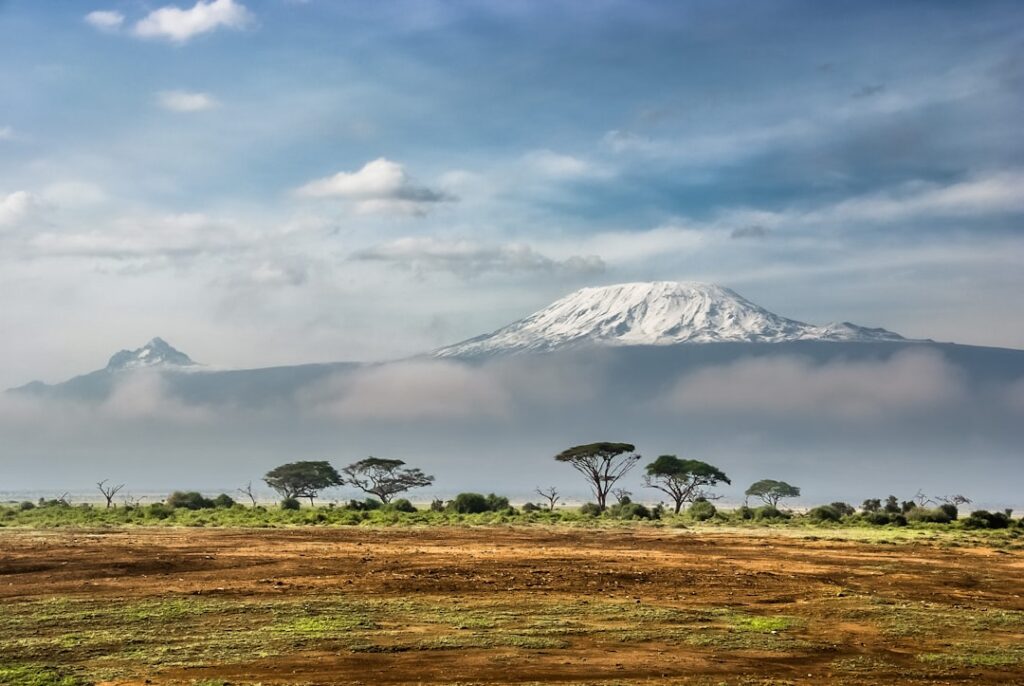
At 5:45 AM, the first golden light hits Kilimanjaro’s snow-capped summit while the streets of Moshi below fill with the scent of woodsmoke and fresh mandazi. Porters organize gear for the day’s climb as market vendors arrange pyramids of avocados and bananas. This isn’t just Africa’s highest peak at 5,895 meters—it’s a living ecosystem where 25,000 climbers annually attempt the summit while Chagga farmers cultivate coffee on its fertile slopes. The mountain doesn’t just dominate the skyline; it defines daily life.
Why Kilimanjaro (Moshi), Tanzania Stands Out

Green trees near snow covered mountain during daytime, Kilimanjaro (Moshi), Tanzania
- Historic Architecture: The Old Moshi Church (1912) showcases German colonial architecture and served as the first Christian mission in the region.
- Cultural Scene: The Kilimanjaro Marathon every February draws international runners through coffee plantations and local villages.
- Local Specialties: Mbege, a traditional banana beer brewed by the Chagga people using fermented bananas and finger millet.
Pro Tip: Book your climb for January-February when skies are clearest, or June-September for the driest conditions. Avoid April-May’s heavy rains when trails become slippery and views disappear behind clouds.
Map of Kilimanjaro (Moshi), Tanzania
Use these interactive maps to explore Kilimanjaro (Moshi), Tanzania and plan your route:
📍 View Kilimanjaro (Moshi), Tanzania on OpenStreetMap
🗺️ Open Kilimanjaro (Moshi), Tanzania in Google Maps
Planning Your Trip: Practical Essentials
Getting There and Around
- By Air: Kilimanjaro International Airport (JRO) receives flights from KLM, Ethiopian Airlines, and Qatar Airways. Taxis to Moshi cost $25-30 for the 45-minute drive. Book flights at Skyscanner for best deals.
- By Train: The modern Tanzanian Standard Gauge Railway connects Dar es Salaam to Moshi in 8 hours with business class seats at $25. Reserve tickets at Trainline or the national railway website.
- By Car: The Arusha-Moshi highway is well-maintained, with rental agencies at the airport. Expect to pay $40-60/day for a 4×4. Compare car rentals at RentalCars.com.
- Local Transport: Dala-dala minibuses cost $0.30-0.50 per ride, while boda-boda motorcycle taxis charge $1-2 for short trips. Private taxis within Moshi cost $3-5.
Best Time to Visit
Kilimanjaro’s climbing seasons align with dry periods, while wildlife viewing peaks differ. Savvy travelers plan around both mountain conditions and safari opportunities.
| Season | Weather | Highlights |
|---|---|---|
| Summer (Jun–Aug) | 15-25°C, dry and cool | Prime climbing conditions, great wildlife viewing in nearby parks, busy season |
| Winter (Dec–Feb) | 18-28°C, warm and dry | Clear summit views, calmer climbing trails, excellent for photography |
| Shoulder (Apr–May/Sep–Oct) | 20-30°C, some rainfall | Fewer crowds, lower prices, lush green landscapes, occasional cloud cover |
Budgeting for Kilimanjaro (Moshi), Tanzania

A view of a snow capped mountain through the leaves of a corn field, Kilimanjaro (Moshi), Tanzania
| Category | Budget | Mid-range | Luxury |
|---|---|---|---|
| Accommodation | $15-30 per night (hostels/guesthouses) | $50-120 per night (boutique hotels) | $200-400 per night (luxury lodges) |
| Meals | $5-10 (street food/local restaurants) | $15-25 (hotel restaurants) | $40-60 (fine dining) |
| Transport | $2-5 daily (public transport) | $10-20 daily (taxis) | $50-100 daily (private driver) |
| Activities | $10-30 (day hikes, village tours) | $100-200 (waterfall tours, coffee experiences) | $2,500-7,000 (full Kilimanjaro climb) |
| Daily Total | $30-70 | $175-365 | $2,790-7,560 |
Top Attractions and Must-See Sights
| Attraction | Description | Hours | Entry Fee |
|---|---|---|---|
| Kilimanjaro National Park | Africa’s highest peak with six climbing routes through five ecological zones | 24/7 for climbers | $70/day park fees + $20 rescue fee |
| Materuni Waterfalls | 80-meter cascade through lush jungle with traditional coffee farm experience | 8 AM-4 PM daily | $25 including guide and coffee tour |
| Kikuletwa Hot Springs | Natural warm springs surrounded by fig trees, perfect for swimming | 7 AM-6 PM daily | $10 per person |
| Chagga Live Museum | Interactive cultural center showcasing traditional homes, brewing, and farming | 9 AM-5 PM daily | $15 with guided tour |
3-Day Itinerary: Kilimanjaro (Moshi), Tanzania’s Highlights & Hidden Gems
Day 1: Mountain Culture & Waterfalls
- Morning: 7 AM hike to Materuni Waterfalls with local guide ($25). Swim in the natural pool and learn about Chagga traditions from villagers.
- Afternoon: Traditional coffee making demonstration and lunch at a Chagga family farm featuring mtori (banana and meat stew).
- Evening: Sunset drinks at Indoitaliano restaurant overlooking Moshi followed by dinner at Glacier restaurant for their famous grilled tilapia.
Day 2: Hot Springs & Local Markets
- Morning: 6:30 AM departure for Kikuletwa Hot Springs ($40 including transport). Arrive before crowds to enjoy the crystal-clear waters alone.
- Afternoon: Explore Moshi’s central market for spices and crafts, then lunch at Moshi’s best street food spot for chipsi mayai (French fry omelette).
- Evening: Cultural performance at the Cultural Heritage Centre featuring traditional Maasai and Chagga dances.
Day 3: Kilimanjaro Foothills & Departure
- Morning: Guided hike through Shira Plateau ($60) to spot colobus monkeys and learn about the mountain’s unique flora from expert guides.
- Afternoon: Visit the Chagga Live Museum for hands-on pottery and banana beer brewing, with lunch at their authentic restaurant.
- Evening: Final dinner at Kindoroko Hotel rooftop with panoramic mountain views, perfect for sunset photography.
Cultural Insights & Etiquette
- Language: Swahili phrases like “Jambo” (hello) and “Asante” (thank you) are appreciated. English is widely spoken in tourist areas.
- Customs: Always greet people before business transactions. Use your right hand for eating and handing items. Remove shoes when entering homes.
- Tipping: Tip guides $10-15/day, porters $5-10/day. Restaurant tipping is 5-10% for good service.
- Dress Code: Modest clothing is respected. Cover shoulders and knees in villages. Technical gear is fine on the mountain.
- Business Hours: Shops open 8:30 AM-6 PM, closed for lunch 1-2 PM. Many businesses close on Sundays.
Where to Eat: Kilimanjaro (Moshi), Tanzania’s Best Bites
Moshi’s food scene blends Swahili coastal influences with mountain agriculture. You’ll find everything from street food stalls serving ugali (maize porridge) to international restaurants catering to climbers.
Must-Try Local Specialties
- Nyama Choma: Grilled meat, usually goat or beef, served with spicy pili pili sauce. Best at local butcheries around the market.
- Mkate Wa Kumimina: Swahili coconut bread that’s slightly sweet and perfect with morning tea. Find it at morning markets.
- Ugali & Sukuma Wiki: Tanzania’s staple meal of maize porridge with collard greens. Try the authentic version at Mama Fina’s.
Restaurant Recommendations by Budget
| Type | Restaurant | Specialty | Price Range |
|---|---|---|---|
| Budget | Milan Square Food Stalls | Fresh samosas and chapati | $2-5 per meal |
| Mid-range | Indoitaliano | Wood-fired pizza and Indian curries | $8-15 per meal |
| Fine dining | Kindoroko Hotel Restaurant | Grilled Nile perch with local vegetables | $20-30 per meal |
Where to Stay
Moshi offers everything from basic climber hostels to luxury coffee plantations. Most accommodations are within walking distance of the town center. Compare prices and book at Booking.com or Airbnb for apartments.
Best Neighborhoods for Accommodation
- Moshi Town Center: Walking distance to restaurants and shops, but can be noisy. Perfect for short stays and budget travelers.
- Rau Forest Area: Quiet neighborhood with guesthouses surrounded by greenery, 10-minute drive from center. Ideal for families.
- Outskirts Coffee Plantations: Luxury lodges on working farms with mountain views. Requires transport but offers ultimate relaxation.

A group of people walking in a field with Mount Kilimanjaro in the background, Kilimanjaro (Moshi), Tanzania
FAQs: Your Kilimanjaro (Moshi), Tanzania Questions Answered
1. Is Kilimanjaro (Moshi), Tanzania safe at night?
Moshi is generally safe, but take normal precautions. Avoid walking alone in poorly lit areas after dark. Use registered taxis for evening transport. Most hotels have secure compounds and 24-hour security.
2. What currency is used and are credit cards accepted?
Tanzanian Shilling (TZS) is the local currency. Credit cards are accepted at larger hotels and tour companies, but carry cash for markets, local restaurants, and smaller purchases. ATMs are widely available in Moshi town.
3. How do I get from the airport to the city center?
Kilimanjaro International Airport is 45 minutes from Moshi. Official airport taxis cost $25-30. Shared shuttles are $10 per person but less reliable. Book airport transfers at GetYourGuide for convenience.
4. Do I need to speak the local language?
English is widely spoken in tourist areas and by guides. Learning basic Swahili greetings will enhance your experience and is appreciated by locals. Most restaurant menus are in both English and Swahili.
5. What’s the appropriate dress code?
Lightweight, modest clothing is ideal. Cover shoulders and knees when visiting villages and towns. On the mountain, technical layers are essential. Evenings can be cool, so bring a light jacket.
Final Thoughts: Kilimanjaro (Moshi), Tanzania Awaits
Kilimanjaro offers more than just a summit—it’s a complete cultural and natural immersion. From the morning mist clearing to reveal Africa’s rooftop to the vibrant markets filled with Chagga coffee and Maasai crafts, this region delivers authentic experiences that stay with you long after descent. Savvy travelers know to build in extra days for coffee tours and waterfall hikes, discovering that the journey around the mountain rivals the climb itself. Don’t rush your visit; the true magic reveals itself when you slow down to appreciate both the monumental scale and the intimate details of this extraordinary destination.
Related Guides
Explore more destinations similar to Kilimanjaro (Moshi):
- Maui’s Hana, USA’s Ultimate Waterfalls, Coastlines & Authentic Aloha (2026)
- Dire Dawa, Ethiopia: Best Railway Heritage, Khat Markets & Desert Oasis Culture (2025)
- The Ultimate Moulay Idriss, Morocco Guide (2026)
- Biak, Indonesia’s Best WWII Relics, Pristine Diving & Papuan Culture (2026)
{“@context”: “https://schema.org”, “@type”: “FAQPage”, “mainEntity”: [{“@type”: “Question”, “name”: “What is the best time to visit Kilimanjaro (Moshi)?”, “acceptedAnswer”: {“@type”: “Answer”, “text”: “The best time to visit Kilimanjaro (Moshi) depends on your preferences. Generally, the dry season offers the most pleasant weather for sightseeing and outdoor activities.”}}, {“@type”: “Question”, “name”: “How many days do I need in Kilimanjaro (Moshi)?”, “acceptedAnswer”: {“@type”: “Answer”, “text”: “Most travelers spend 3-5 days in Kilimanjaro (Moshi) to see the main attractions. A week allows for a more relaxed pace and day trips.”}}, {“@type”: “Question”, “name”: “Is Kilimanjaro (Moshi) expensive to visit?”, “acceptedAnswer”: {“@type”: “Answer”, “text”: “Kilimanjaro (Moshi) can be visited on various budgets. Accommodation ranges from hostels to luxury hotels, and local restaurants offer affordable dining.”}}]}

