
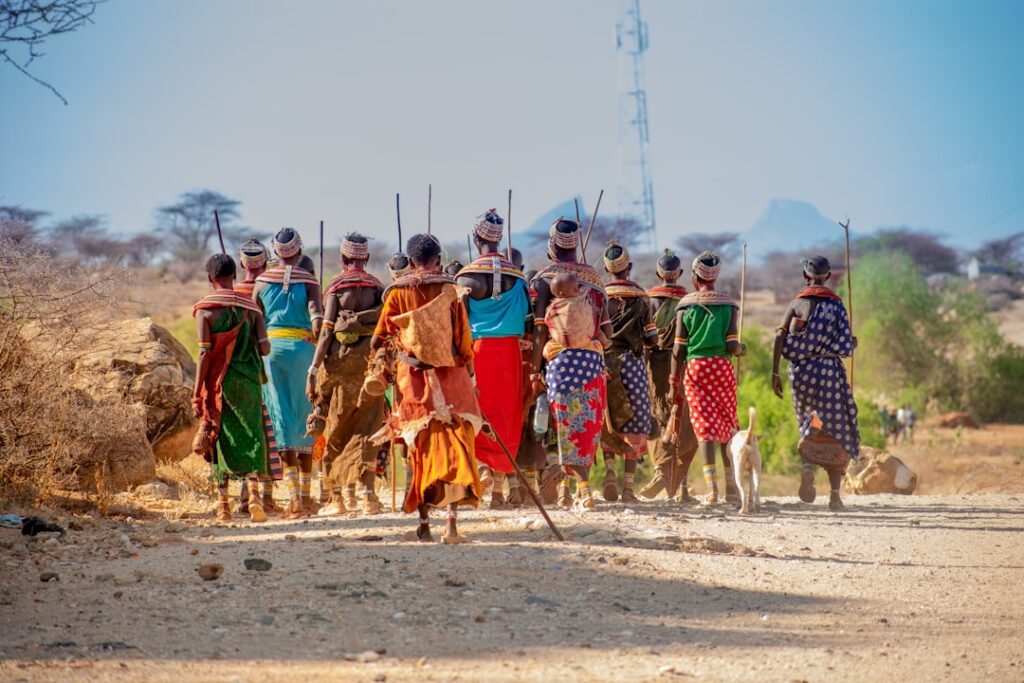
Samburu, Kenya’s Amazing Wildlife, Warrior Culture & Wild Landscapes (2025)
While thousands crowd into Maasai Mara’s safari vehicles, Samburu National Reserve offers something different: 165 square kilometers of raw wilderness where you’ll regularly spot all five “Northern Specials” – Grevy’s zebra, reticulated giraffe, Somali ostrich, gerenuk, and Beisa oryx – species found nowhere else in Kenya. Here, the Ewaso Ng’iro River creates an emerald ribbon through sun-baked savannah, where lion prides hunt within view of traditional Samburu manyattas and temperatures hover around 85°F year-round. This isn’t just another safari destination; it’s Kenya’s wild northern frontier where ancient pastoralist traditions continue unchanged.
Why Samburu, Kenya Stands Out

Zebra standing on field, Samburu, Kenya
- Historic Architecture: Traditional Samburu manyattas (homesteads) built from acacia thorn branches and cow dung, designed for nomadic life and protection from predators.
- Cultural Scene: The annual Loruko naming ceremony where elders bestow names upon newborns through sacred rituals and animal blessings.
- Local Specialties: Nyama Choma (grilled goat) seasoned with local herbs and served with Ugali maize porridge at community gatherings.
Pro Tip: Visit during January-February when migrant birds join resident species, creating spectacular birdwatching without the June-August crowds. Early mornings (6-8 AM) deliver the best predator sightings as temperatures are cooler and animals are most active.
Map of Samburu, Kenya
Use these interactive maps to explore Samburu, Kenya and plan your route:
📍 View Samburu, Kenya on OpenStreetMap
🗺️ Open Samburu, Kenya in Google Maps
Planning Your Trip: Practical Essentials
Getting There and Around
- By Air: Samburu Airport (UAS) receives daily flights from Nairobi Wilson Airport (WIL) on SafariLink and AirKenya (1-hour flight, $250-350 roundtrip). Book flights at Skyscanner for best deals.
- By Train: No direct rail service to Samburu; nearest station is Nanyuki (4-hour drive). Reserve tickets at Trainline or the national railway website for Nairobi-Nanyuki routes.
- By Car: 6-hour drive from Nairobi via A2 and B5 roads (4WD essential). Compare car rentals at RentalCars.com for 4×4 vehicles ($50-80/day).
- Local Transport: Guided safari vehicles only within reserves ($60-100/day including driver-guide). Check official park websites for authorized operators.
Best Time to Visit
Dry seasons (June-October and January-February) offer optimal wildlife viewing as animals congregate around water sources. Green season (November and April-May) brings lush landscapes but challenging road conditions.
| Season | Weather | Highlights |
|---|---|---|
| Summer (Jun–Aug) | 75-85°F, dry and sunny | Peak wildlife viewing, cultural festivals, busy season |
| Winter (Dec–Feb) | 70-82°F, minimal rainfall | Excellent birdwatching, fewer crowds, comfortable temperatures |
| Shoulder (Apr–May) | 75-80°F, afternoon showers | Lush landscapes, lower rates, newborn animals |
Budgeting for Samburu, Kenya

Brown giraffe eating tree leaf during daytime, Samburu, Kenya
| Category | Budget | Mid-range | Luxury |
|---|---|---|---|
| Accommodation | $30-60 (camping) | $150-300 (lodges) | $400-800 (premium camps) |
| Meals | $15-25 (camp meals) | $40-60 (lodge dining) | $80-120 (gourmet) |
| Transport | $60 (shared vehicle) | $100 (private 4×4) | $200 (exclusive guide) |
| Activities | $50 (park fees) | $100 (guided walks) | $250 (private cultural visits) |
| Daily Total | $155-195 | $390-560 | $930-1370 |
Top Attractions and Must-See Sights
| Attraction | Description | Hours | Entry Fee |
|---|---|---|---|
| Samburu National Reserve | Home to the “Samburu Special Five” rare species along the Ewaso Ng’iro River | 6 AM-6 PM | $70 adult/$40 child |
| Buffalo Springs NR | Natural springs attract elephants and predators to this adjacent reserve | 6 AM-6 PM | $70 adult/$40 child |
| Samburu Cultural Village | Authentic manyatta experience with warrior guides and traditional dances | 8 AM-5 PM | $25 including guide |
| Sarara Singing Wells | Where Samburu warriors sing while drawing water for their livestock | Daily mornings | $20 community fee |
3-Day Itinerary: Samburu, Kenya’s Highlights & Hidden Gems
Day 1: Wildlife Wonders & River Life
- Morning: 6:30 AM game drive along the Ewaso Ng’iro River ($70 park fee) – your best chance to spot leopard and the rare striped hyena.
- Afternoon: 1 PM lunch at Samburu Game Lodge ($35 buffet) overlooking the river, then 3 PM guided nature walk focusing on tracking skills and medicinal plants.
- Evening: 6:30 PM sundowner at Elephant Bedroom Camp’s riverfront deck, followed by 8 PM bush dinner under acacia trees ($85 including transfers).
Day 2: Cultural Immersion & Ancient Traditions
- Morning: 7 AM visit to Sarara Singing Wells ($20 community fee) – witness warriors’ traditional water-gathering songs that coordinate livestock watering.
- Afternoon: 12 PM authentic Samburu lunch in a manyatta (homestead) featuring roasted goat and traditional milk tea, then 2 PM beadwork workshop with local women.
- Evening: 5:30 PM guided visit to Buffalo Springs for elephant sightings at dusk, followed by cultural performance and storytelling around campfire.
Day 3: Landscape Exploration & Conservation
- Morning: 6 AM transfer to Matthews Range ($60) for guided forest walk spotting De Brazza’s monkeys and rare birds with local Dorobo guides.
- Afternoon: 1 PM picnic lunch at Wamba viewpoints, then 3 PM visit to Reteti Elephant Sanctuary (donation $30) – community-run orphan elephant rescue.
- Evening: 6 PM farewell dinner at Larsens Camp featuring traditional nyama choma and sharing safari stories with fellow travelers.
Cultural Insights & Etiquette
- Language: Samburu language (similar to Maa); learn “Ashe oleng” (thank you very much) and “Supa” (hello to elders)
- Customs: Always receive items with right hand; ask permission before photographing people; elders eat first in gatherings
- Tipping: $10-15/day for guide, $5-10 for camp staff; give directly with handshake
- Dress Code: Conservative clothing (covered shoulders/knees); neutral colors for wildlife viewing; sturdy walking shoes essential
- Business Hours: Shops 8 AM-5 PM; cultural visits morning/evening only; most activities scheduled around animal activity patterns
Where to Eat: Samburu, Kenya’s Best Bites
Samburu cuisine reflects pastoralist traditions with emphasis on meat, milk, and blood from livestock, though lodges offer international options. Dining often occurs outdoors with spectacular wilderness views.
Must-Try Local Specialties
- Nyama Choma: Goat roasted over acacia wood fires, best at Samburu Game Lodge’s bush dinners
- Ugali with Sukuma Wiki: Maize porridge with collard greens, authentic preparation at cultural village visits
- Mursik: Fermented milk in specially treated gourds, traditionally shared during ceremonies
Restaurant Recommendations by Budget
| Type | Restaurant | Specialty | Price Range |
|---|---|---|---|
| Budget | Samburu Cultural Village meals | Traditional goat stew with ugali | $15-25 |
| Mid-range | Samburu Game Lodge buffet | River-view dining with international options | $30-45 |
| Fine dining | Elephant Bedroom Camp bush dinner | Private gourmet meals under the stars | $80-120 |
Where to Stay
Accommodation ranges from basic campsites to luxury tented camps, all designed for wildlife immersion. Most properties cluster near the Ewaso Ng’iro River for prime animal viewing. Compare prices and book at Booking.com or Airbnb for apartments in nearby towns.
Best Neighborhoods for Accommodation
- Riverfront Zone: Prime wildlife viewing, luxury camps, higher prices – perfect for serious photographers
- Reserve Perimeter: Better value, still good access, community-run camps – ideal for budget-conscious travelers
- Conservancy Areas: Exclusive experiences, night drives allowed, higher fees – best for luxury seekers

Elephant standing on trees, Samburu, Kenya
FAQs: Your Samburu, Kenya Questions Answered
1. Is Samburu, Kenya safe at night?
Within lodges and camps, you’re completely secure. Night movement between properties requires armed guards due to wildlife. Follow camp rules strictly – animals roam freely after dark. Most travelers find the safety measures comprehensive and reassuring.
2. What currency is used and are credit cards accepted?
Kenyan Shilling (KES) is official currency. Major lodges accept credit cards but carry cash (USD or KES) for community visits, tips, and local markets. ATMs are only available in larger towns like Isiolo, 2 hours away.
3. How do I get from the airport to the city center?
Samburu Airport transfers are arranged by your lodge (included in most packages). Independent travelers can book shared transfers ($25) or private 4×4 ($60). Book airport transfers at GetYourGuide for convenience.
4. Do I need to speak the local language?
English is widely spoken in tourism operations. Learning a few Samburu phrases delights locals – try “Serian” (peace) as greeting. Guides translate during cultural visits, but basic Swahili greetings work everywhere.
5. What’s the appropriate dress code?
Conservative, practical clothing in neutral colors. Women should cover shoulders and knees in villages. Evenings require warm layers – temperatures drop significantly. Sturdy closed-toe shoes are essential for bush walks.
Final Thoughts: Samburu, Kenya Awaits
Samburu offers what many African destinations have lost: genuine wilderness where wildlife sightings feel like personal discoveries rather than orchestrated performances. Here, you’ll track the rare Grevy’s zebra in morning light, share stories with warriors whose traditions span generations, and fall asleep to lion roars under some of Africa’s clearest starry skies. Savvy travelers know to extend their Kenya itinerary northward – while others follow the crowds south, you’ll be experiencing safari at its most authentic. Don’t miss the early morning game drives along the Ewaso Ng’iro River, when predator activity peaks and the African sun transforms the landscape into golden perfection.
Related Guides
Explore more destinations similar to Samburu:
- Lichinga, Mozambique’s Hidden Highland Serenity, Yao Culture & Lake of Stars (2026)
- Moquegua, Peru’s Best Pisco, Pre-Columbian Ruins & Panoramic Desert Vistas (2026)
- Molokai, USA’s Best Authentic Culture, Epic Coastlines & Quiet Adventure (2026)
- Penza, Russia’s Essential Museums, Parks & Provincial Charm (2026)

