
Picos de Europa, Spain (Asturias’ Dramatic Peaks): Ultimate Alpine Trails, Ancient Cheese & Authentic Mountain Culture (2025)
While crowds flock to the Pyrenees, Picos de Europa delivers Europe’s most accessible high-altitude wilderness without the Alpine prices. Here, limestone peaks soar 2,648 meters above sea level just 20 kilometers from the Cantabrian Sea, creating microclimates where you can ski in the morning and swim in the ocean by afternoon. This UNESCO Biosphere Reserve shelters medieval villages where time moves at the pace of grazing livestock and shepherds still make cheese using 1,000-year-old techniques.
Why Picos de Europa, Spain (Asturias’ Dramatic Peaks) Stands Out

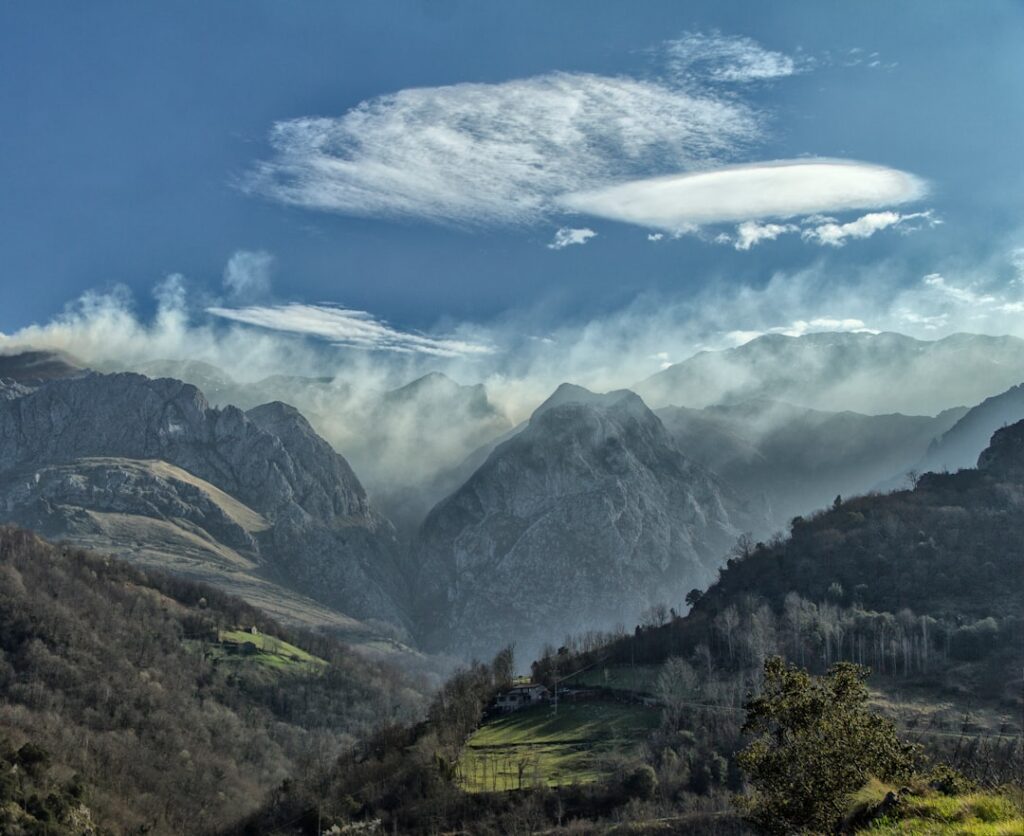
A view of a mountain range with trees in the foreground, Picos de Europa, Spain (Asturias’ Dramatic Peaks)
- Historic Architecture: The 9th-century Santa María de Lebeña church showcases Mozarabic architecture with Visigothic influences, representing Spain’s earliest Christian reconquest.
- Cultural Scene: The annual Fiesta del Pastor in Camaleño celebrates transhumance traditions with shepherds descending from mountains with flower-adorned livestock.
- Local Specialties: Cabrales cheese, aged in natural limestone caves for 2-6 months, delivers a pungent blue-veined flavor that’s protected by DOP status.
Pro Tip: Visit midweek in late May or September when temperatures hover around 18-22°C and trails are empty, unlike crowded July-August when accommodation prices double. Arrive at popular trailheads like Covadonga Lakes before 8 AM to secure parking.
Map of Picos de Europa, Spain (Asturias’ Dramatic Peaks)
Use these interactive maps to explore Picos de Europa, Spain (Asturias’ Dramatic Peaks) and plan your route:
📍 View Picos de Europa, Spain (Asturias’ Dramatic Peaks) on OpenStreetMap
🗺️ Open Picos de Europa, Spain (Asturias’ Dramatic Peaks) in Google Maps
Planning Your Trip: Practical Essentials
Getting There and Around
- By Air: Asturias Airport (OVD) receives flights from Madrid, Barcelona, and European hubs. From the airport, take ALSA bus to Cangas de Onís (€12, 1.5 hours) or rent a car. Book flights at Skyscanner for best deals.
- By Train: FEVE narrow-gauge railway connects Oviedo to Llanes with stunning coastal views (€8-15, 2 hours). Reserve tickets at Trainline or the national railway website.
- By Car: The A-8 motorway runs along the coast with exits for Picos villages. Rent from Enterprise or Europcar in Oviedo for best mountain vehicle selection. Compare car rentals at RentalCars.com.
- Local Transport: ALSA buses connect main villages but service is limited. The Picos Bus service (€3-8 per journey) operates seasonal routes to key trailheads from June-September.
Best Time to Visit
The Picos offer dramatically different experiences by season, with late spring and early autumn providing the ideal balance of pleasant weather and manageable crowds.
| Season | Weather | Highlights |
|---|---|---|
| Summer (Jun–Aug) | 15-25°C, sunny with occasional afternoon thunderstorms | All trails accessible, cable cars operating, vibrant village festivals but crowded and higher prices |
| Winter (Dec–Feb) | -5 to 10°C, snow above 1,500 meters | Skiing at Alto Campoo, dramatic snowy landscapes, cozy mountain lodges but some roads closed |
| Shoulder (Apr–May/Sep–Oct) | 10-20°C, changeable with sunny periods | Wildflowers or autumn colors, peaceful trails, lower accommodation rates, perfect for hiking |
Budgeting for Picos de Europa, Spain (Asturias’ Dramatic Peaks)

A view of a mountain range from a high point of view, Picos de Europa, Spain (Asturias’ Dramatic Peaks)
| Category | Budget | Mid-range | Luxury |
|---|---|---|---|
| Accommodation | €35-60 (mountain refuges, hostales) | €80-150 (rural hotels with meals) | €200-350 (paradores, boutique hotels) |
| Meals | €15-25 (menú del día, picnic lunches) | €30-50 (restaurant dinners with wine) | €70-100 (gastronomic experiences) |
| Transport | €10-15 (bus passes) | €25-40 (car rental split) | €60+ (private transfers) |
| Activities | €0-20 (hiking, free attractions) | €30-60 (guided walks, cable cars) | €100+ (private guides, special tours) |
| Daily Total | €60-100 | €135-240 | €430-610 |
Top Attractions and Must-See Sights
| Attraction | Description | Hours | Entry Fee |
|---|---|---|---|
| Lagos de Covadonga | Glacial lakes at 1,134m accessed via dramatic mountain road with grazing cattle and epic vistas | Vehicle access restricted 8:30 AM-9 PM summer | Free (shuttle €9) |
| Santa Cueva de Covadonga | Sacred cave shrine where Pelayo began Reconquista in 722 AD with stunning basilica | 9 AM-9 PM summer, 10 AM-6 PM winter | Free |
| Fuente Dé Cable Car | Vertical 800m ascent to 1,823m plateau offering breathtaking views of central massif | 10 AM-6 PM (until 7 PM July-Aug) | €18 round trip |
| Cares Gorge Trail | 12km engineering marvel carved into limestone cliffs following the “Divine Gorge” river | 24/7 access | Free |
3-Day Itinerary: Picos de Europa, Spain (Asturias’ Dramatic Peaks)’s Highlights & Hidden Gems
Day 1: Western Massif Wonders
- Morning: Arrive at Covadonga Sanctuary by 8 AM to experience the mystical atmosphere before tour buses. Watch morning light illuminate the basilica and visit Pelayo’s tomb in the Santa Cueva.
- Afternoon: Take the shuttle to Lagos de Covadonga (€9) and hike the 2.5km loop around Lago Enol. Lunch at Mesón del Buen Yantar in Covadonga village featuring fabada asturiana (hearty bean stew).
- Evening: Drive to Cangas de Onís for sunset photos of the Roman Bridge followed by dinner at El Molín de la Pedrera with their exceptional grilled trout from Sella River.
Day 2: Central Massif Adventures
- Morning: Arrive at Fuente Dé cable car by 8:30 AM (€18) to beat crowds and hike the high-altitude trail to Horcadina de Covarrobres for panoramic views. Pack warm layers – it’s often 15°C colder at the top.
- Afternoon: Descend to Potes for lunch at Restaurante José with their legendary cocido lebaniego (mountain stew). Explore the medieval quarter and visit the 14th-century Torre del Infantado.
- Evening: Drive to Sotres for dinner at Casa Cipriano, one of Spain’s most remote restaurants, specializing in game dishes and aged Cabrales cheese. Book months ahead for their legendary tasting menu.
Day 3: Gorges & Gastronomy
- Morning: Start the Cares Gorge trail from Caín by 8 AM (parking €5) to hike the most spectacular section without midday heat. The 4km round trip to Cordiñanes reveals the gorge’s dramatic narrowest points.
- Afternoon: Return to Arenas de Cabrales for lunch at Casa Marcial (2 Michelin stars, book 3 months ahead) or more affordably at Sidrería Torrecerredo for traditional cider pouring and cheese platters.
- Evening: Visit a quesería like Quesos Cabrales Pérez for cave-aged cheese tasting (€12) before driving to coastal Llanes for sunset seafood dinner at El Sablón overlooking the Bay of Biscay.
Cultural Insights & Etiquette
- Language: While Spanish is universal, you’ll hear the distinctive Asturian dialect and Lebaniego expressions. Learn “bon día” (good day), “gracies” (thanks), and “fartura” (local term for abundance).
- Customs: Mountain communities value quiet respect – avoid loud conversations on trails. When offered food or drink, it’s polite to accept initially. Always greet shopkeepers when entering small establishments.
- Tipping: Round up restaurant bills 5-10% for good service. For guided hikes, tip €5-10 per person. In rural bars, leaving small change is appreciated.
- Dress Code: Casual but practical clothing rules – hiking gear is acceptable everywhere. Bring smart-casual outfits for upscale restaurants in towns like Cangas de Onís.
- Business Hours: Shops close 2-5 PM for siesta, reopening until 8 PM. Restaurants serve lunch 1:30-4 PM and dinner from 8:30 PM. Many close Monday or Tuesday.
Where to Eat: Picos de Europa, Spain (Asturias’ Dramatic Peaks)’s Best Bites
Picos cuisine reflects its mountain-meets-sea location, with hearty stews, exceptional dairy, and surprising seafood just kilometers away. This is Spain’s cider heartland, where pouring escanciar from height aerates the dry, tart beverage.
Must-Try Local Specialties
- Fabada Asturiana: Rich white bean stew with morcilla, chorizo, and lacón smoked pork that fuels mountain excursions. Try it at Casa Poli in Candás or any village mesón.
- Queso de Cabrales: Intense blue cheese aged in natural caves with Protected Designation of Origin status. Visit Quesería Cortés in Arenas de Cabrales for authentic tasting.
- Cachopo: Oversized breaded veal steak stuffed with ham and cheese that defines Asturian comfort food. Sidrería El Rincón de San Pedro in Ribadesella serves the definitive version.
Restaurant Recommendations by Budget
| Type | Restaurant | Specialty | Price Range |
|---|---|---|---|
| Budget | El Abuelo (Cangas de Onís) | Generous platos combinados and local cider | €10-18 |
| Mid-range | Restaurante del Oso (Covadonga) | Traditional mountain cuisine with sanctuary views | €25-40 |
| Fine dining | Casa Marcial (Arriondas) | 2-Michelin star creative Asturian tasting menus | €120-180 |
Where to Stay
Accommodation ranges from basic mountain refuges to luxurious paradors, with charming rural hotels offering the best value. Base yourself in Cangas de Onís for western access, Potes for central massif, or coastal towns for variety. Compare prices and book at Booking.com or Airbnb for apartments.
Best Neighborhoods for Accommodation
- Cangas de Onís: Gateway town with Roman bridge, good restaurants, and easy access to Covadonga. Perfect for first-time visitors but can get crowded in summer.
- Potes: Charming medieval town in the Deva River valley with excellent dining and central location for Fuente Dé and hiking routes.
- Coastal Villages (Llanes/Ribadesella): Combine mountain and sea with beautiful beaches, seafood restaurants, and slightly lower prices, though you’ll drive 30-45 minutes to trails.

A view of a mountain range with clouds in the sky, Picos de Europa, Spain (Asturias’ Dramatic Peaks)
FAQs: Your Picos de Europa, Spain (Asturias’ Dramatic Peaks) Questions Answered
1. Is Picos de Europa, Spain (Asturias’ Dramatic Peaks) safe at night?
Extremely safe – mountain villages have virtually no crime. However, trail safety requires attention: never hike alone, check weather forecasts (conditions change rapidly), carry proper gear, and inform accommodation of your route. Mountain rescue is professional but costly if negligence is involved.
2. What currency is used and are credit cards accepted?
Spain uses the Euro. Credit cards are widely accepted in towns, but carry €100-200 cash for rural bars, small shops, parking, and mountain refuges. ATMs are available in Cangas de Onís, Potes, and Arenas de Cabrales.
3. How do I get from the airport to the city center?
From Asturias Airport (OVD), ALSA buses run to Cangas de Onís (€12, 6 daily, 1.5 hours) or hire a taxi (€80-100). Renting a car is highly recommended for flexibility. Book airport transfers at GetYourGuide for convenience.
4. Do I need to speak the local language?
Basic Spanish is helpful in rural areas, though younger people and tourism businesses speak English. Learn key phrases: “buenos días,” “gracias,” “la cuenta por favor” (the bill please). Locals appreciate attempts at Spanish and will respond warmly.
5. What’s the appropriate dress code?
Layered outdoor clothing is essential – temperatures vary dramatically between valleys and peaks. Proper hiking boots are mandatory for trails. In villages, casual clothing is fine, but you’ll want smart-casual outfits for upscale dining. Always carry rain gear regardless of forecast.
Final Thoughts: Picos de Europa, Spain (Asturias’ Dramatic Peaks) Awaits
The Picos de Europa offer that rare combination of wilderness accessibility and deep cultural authenticity that seasoned travelers cherish. Here, you’ll discover Spain’s wild heart beating just beneath the surface of modern Europe, where ancient traditions continue in villages untouched by mass tourism. The mountains reward those who venture beyond the obvious sights – take that extra hike to a hidden mirador, accept that invitation to a local cider pouring, wake for sunrise over the limestone peaks. Your most enduring memories will likely come from unexpected moments: sharing trail stories with shepherds, tasting cave-aged
Explore More Destinations
- Jozani, Tanzania on a Budget: an Ancient Forest for $35/Day (2026)
- Nsumbu, Zambia on a Budget: Wild Africa for $40/Day (2026)
- Semporna, Malaysia on a Budget: Paradise for $35/Day (2026)
- Khuzestan, Iran on a Budget: Ancient Empires for $30/Day (2026)
- Ngerulmud, Palau on a Budget: Island Majesty for $45/Day (2026)
Ready to Visit Picos de Europa?
Start planning your trip today. Compare hotels, find the best tours, and get insider tips.
Your adventure in Picos de Europa starts here →
{“@context”: “https://schema.org”, “@type”: “FAQPage”, “mainEntity”: [{“@type”: “Question”, “name”: “What is the best time to visit Picos de Europa?”, “acceptedAnswer”: {“@type”: “Answer”, “text”: “The best time to visit Picos de Europa depends on your preferences. Generally, the dry season offers the most pleasant weather for sightseeing and outdoor activities.”}}, {“@type”: “Question”, “name”: “How many days do I need in Picos de Europa?”, “acceptedAnswer”: {“@type”: “Answer”, “text”: “Most travelers spend 3-5 days in Picos de Europa to see the main attractions. A week allows for a more relaxed pace and day trips.”}}, {“@type”: “Question”, “name”: “Is Picos de Europa expensive to visit?”, “acceptedAnswer”: {“@type”: “Answer”, “text”: “Picos de Europa can be visited on various budgets. Accommodation ranges from hostels to luxury hotels, and local restaurants offer affordable dining.”}}]}
Related Guides
Explore more destinations similar to Picos de Europa:
- Tarangire National Park, Tanzania: Essential Elephants, Baobabs & Riverine Drama (2025)
- Haida Gwaii, Canada: Essential Ancient Forests, Haida Culture & Wild Coastlines (2025)
- How to Experience Boise: 7 Secret Places Most People Miss
- Kouroussa, Guinea’s Hidden Griot Music, Gold History & Riverfront Serenity (2026)

