
Manuel Antonio, Costa Rica’s Stunning Rainforests, Wildlife & Beach Bliss (2025)
At 6:15 AM, the howler monkeys begin their morning chorus just as the first sunlight filters through the rainforest canopy in Manuel Antonio National Park. You’ll hear the rustle of three-toed sloths moving through the trees before you spot them, and smell the salt spray from Playa Espadilla mixing with tropical blossoms. This is Costa Rica’s smallest national park at just 1,983 acres, yet it packs more biodiversity per square meter than any other protected area in the country, home to 109 mammal species and 184 bird species within walking distance of pristine white-sand beaches.
Why Manuel Antonio, Costa Rica Stands Out

Green trees beside blue sea, Manuel Antonio, Costa Rica
- Historic Architecture: The 1930s La Mariposa Hotel, originally built as a private mansion, pioneered luxury eco-tourism with panoramic Pacific views that inspired the area’s development.
- Cultural Scene: The annual Fiestas de la Virgen del Mar in July transforms Quepos harbor with decorated boats, traditional music, and seafood feasts honoring local fishing traditions.
- Local Specialties: Casado, the classic Costa Rican lunch plate featuring rice, beans, plantains, salad, and fresh fish caught that morning from Quepos harbor.
Pro Tip: Arrive at Manuel Antonio National Park at 7 AM sharp when gates open – you’ll beat the crowds, catch active wildlife, and enjoy cooler temperatures. The park limits daily visitors to 600 on weekdays and 800 on weekends, so booking tickets online 3 days in advance is essential during December-April peak season.
Map of Manuel Antonio, Costa Rica
Use these interactive maps to explore Manuel Antonio, Costa Rica and plan your route:
📍 View Manuel Antonio, Costa Rica on OpenStreetMap
🗺️ Open Manuel Antonio, Costa Rica in Google Maps
Planning Your Trip: Practical Essentials
Getting There and Around
- By Air: Fly into Juan Santamaría International Airport (SJO) in San José, served by major airlines including American, Delta, United, and Avianca. Domestic flights to Quepos Airport (XQP) take 25 minutes. Book flights at Skyscanner for best deals.
- By Train: No direct train service to Manuel Antonio – the closest rail connections are in San José for scenic journeys to other regions. Reserve tickets at Trainline or the national railway website.
- By Car: The 3-hour drive from San José via Route 27 offers stunning coastal views. Rental cars cost $35-65/day, but parking in Manuel Antonio is limited. Compare car rentals at RentalCars.com.
- Local Transport: Shared shuttles ($15-25 per person) run regularly between Quepos and Manuel Antonio. Taxis charge $8-12 for the same route, while local buses cost just $0.60 but can be crowded.
Best Time to Visit
Manuel Antonio’s tropical climate means you’ll find warm temperatures year-round, but timing your visit affects everything from wildlife sightings to crowd levels. The dry season (December-April) offers guaranteed sunshine, while green season (May-November) brings lush landscapes and lower prices with afternoon showers.
| Season | Weather | Highlights |
|---|---|---|
| Dry Season (Dec–Apr) | 75-95°F, minimal rain, high humidity | Optimal beach weather, peak wildlife visibility, but crowded and higher prices |
| Green Season (May–Nov) | 70-90°F, afternoon showers, lush vegetation | Fewer crowds, 30-50% lower accommodation rates, vibrant green landscapes |
| Shoulder (May/Jun & Nov) | 72-88°F, sporadic rain, comfortable | Best value, manageable crowds, ideal for photography and hiking |
Budgeting for Manuel Antonio, Costa Rica

Blue and black butterfly on pink and yellow flower, Manuel Antonio, Costa Rica
| Category | Budget | Mid-range | Luxury |
|---|---|---|---|
| Accommodation | $40-80/night (hostels, budget hotels) | $120-250/night (boutique hotels) | $300-800/night (luxury resorts) |
| Meals | $15-25/day (sodas, street food) | $40-60/day (restaurants) | $100+/day (fine dining) |
| Transport | $5-10/day (public bus) | $20-40/day (taxis, shuttles) | $75+/day (private transfers) |
| Activities | $20-40/day (beaches, hiking) | $60-100/day (tours, park fees) | $150+/day (private guides) |
| Daily Total | $80-155/day | $240-450/day | $625+/day |
Top Attractions and Must-See Sights
| Attraction | Description | Hours | Entry Fee |
|---|---|---|---|
| Manuel Antonio National Park | Four stunning beaches connected by trails teeming with monkeys, sloths, and exotic birds | 7 AM-4 PM Tue-Sun | $18.08 adults, free under 12 |
| Playa Biesanz | Secluded crescent beach perfect for swimming and snorkeling away from crowds | 24 hours | Free (small parking fee) |
| Rainmaker Conservation Project | Suspension bridges through primary forest with waterfall pools and incredible biodiversity | 7 AM-4 PM daily | $65 including lunch |
| Damas Island Estuary | Mangrove boat tours spotting monkeys, crocodiles, and exotic birds in their natural habitat | 7 AM, 9 AM, 1 PM tours | $65 per person |
3-Day Itinerary: Manuel Antonio, Costa Rica’s Highlights & Hidden Gems
Day 1: National Park Immersion & Beach Bliss
- Morning: 7 AM entry to Manuel Antonio National Park for wildlife spotting – hire a certified guide ($20-25/person) at the entrance for best animal sightings. Hike Sendero Perezoso to see two and three-toed sloths.
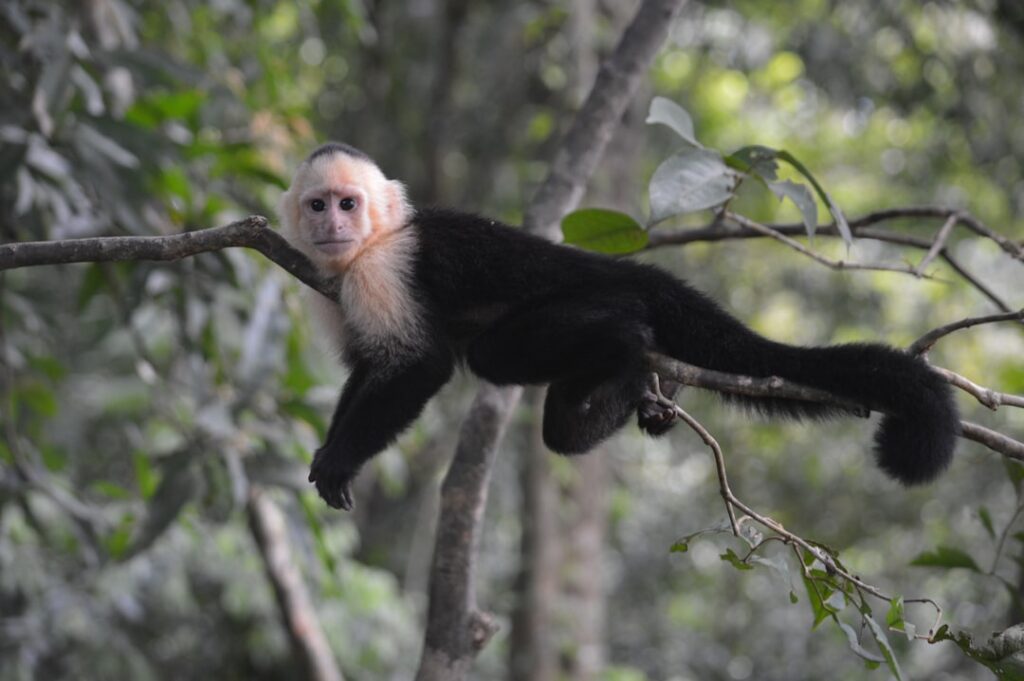
- Afternoon: Picnic lunch at Playa Manuel Antonio followed by swimming in the turquoise waters. Around 2 PM, watch white-faced capuchin monkeys approach the beach area.
- Evening: Sunset cocktails at El Avión restaurant, built around a Fairchild C-123 cargo plane with panoramic ocean views, followed by dinner at Barba Roja for fresh seafood.
Day 2: Adventure & Local Culture
- Morning: 8 AM mangrove tour at Damas Island Estuary ($65) – your best chance to see Jesus Christ lizards running on water and howler monkeys in the mangroves.
- Afternoon: Lunch at Soda Sanchez in Quepos for authentic casado ($8-12), then explore the Quepos waterfront and watch local fishermen bring in their catch.
- Evening: Night jungle walk with a naturalist guide ($45) to spot nocturnal species like kinkajous, frogs, and tarantulas that remain hidden during daylight hours.
Day 3: Hidden Beaches & Rainforest Canopy
- Morning: Taxi to Playa Biesanz ($8) for early morning swimming and snorkeling in the calm, protected bay – bring your own gear or rent from vendors.
- Afternoon: Rainmaker Park canopy walk ($65 including lunch) across seven suspension bridges with waterfall swimming opportunities in natural pools.
- Evening: Farewell dinner at Emilio’s Cafe for Mediterranean-Costa Rican fusion cuisine, then stargazing from Playa Espadilla as bioluminescent plankton sometimes illuminates the waves.
Cultural Insights & Etiquette
- Language: Spanish is official, but English widely spoken in tourist areas. Learn “Pura Vida” (pure life) – the national greeting expressing Costa Rica’s laid-back philosophy.
- Customs: Costa Ricans (Ticos) value friendliness and patience – greet shopkeepers when entering establishments and avoid confrontational behavior.
- Tipping: 10% service charge usually included in bills; additional 5-10% for exceptional service appreciated. Tour guides expect $5-10 per person.
- Dress Code: Casual but modest – cover swimwear when away from beaches. Lightweight, quick-dry clothing ideal for humid climate.
- Business Hours: Most shops 9 AM-6 PM, restaurants until 9-10 PM. Banks close at 3 PM. Many businesses close on Sundays.
Where to Eat: Manuel Antonio, Costa Rica’s Best Bites
Manuel Antonio’s dining scene ranges from traditional sodas (small family-run restaurants) serving authentic Costa Rican cuisine to sophisticated international restaurants with ocean views. Fresh seafood dominates menus, with mahi-mahi, red snapper, and tuna caught daily in local waters.
Must-Try Local Specialties
- Casado: The quintessential Costa Rican lunch plate with rice, black beans, plantains, salad, and your choice of protein – try it at Soda Sanchez for the most authentic version
- Ceviche: Fresh raw fish cured in citrus juices with cilantro, onions, and peppers – Marlin Restaurant’s version using local corvina is legendary
- Gallo Pinto: Breakfast staple of rice and beans with Lizano sauce, often served with eggs, tortillas, and natilla (sour cream) – early mornings at Cafe Milagro
Restaurant Recommendations by Budget
| Type | Restaurant | Specialty | Price Range |
|---|---|---|---|
| Budget | Falafel Bar, main road | Fresh Mediterranean bowls and smoothies | $8-15 per person |
| Mid-range | El Patio de Café Milagro | Costa Rican coffee and fusion cuisine | $20-40 per person |
| Fine dining | Kapi Kapi, forest setting | Contemporary Costa Rican with tropical ingredients | $50-80 per person |
Where to Stay
Accommodation in Manuel Antonio ranges from hostels with jungle views to luxury resorts with private beaches. The main accommodation areas are along the road between Quepos and the national park entrance, with most hotels perched on hillsides offering ocean vistas. Compare prices and book at Booking.com or Airbnb for apartments.
Best Neighborhoods for Accommodation
- Manuel Antonio Road: Highest concentration of hotels and restaurants with easy beach access, but can be noisy with traffic – ideal for first-time visitors
- Quepos Town: More authentic local experience with lower prices, but requires transportation to beaches – perfect for budget travelers and longer stays
- Hillside Villas: Luxury accommodations with panoramic ocean views and privacy, though often require rental car or frequent taxi use – best for honeymooners and special occasions

Closeup photography of green snake, Manuel Antonio, Costa Rica
FAQs: Your Manuel Antonio, Costa Rica Questions Answered
1. Is Manuel Antonio, Costa Rica safe at night?
Generally very safe, but take normal precautions – avoid isolated beach areas after dark, don’t leave valuables in rental cars, and use licensed taxis when traveling at night. The main tourist areas have good lighting and regular police patrols.
2. What currency is used and are credit cards accepted?
Costa Rican Colón (CRC) is the local currency, but US dollars are widely accepted. Credit cards work at most hotels and restaurants, but carry small colón notes for sodas, buses, and markets. ATMs in Quepos dispense both currencies.
3. How do I get from the airport to the city center?
From SJO airport, shared shuttles take 3 hours and cost $50-60 per person. Private transfers run $150-200 for up to 4 people. Domestic flights to Quepos Airport take 25 minutes ($100-150). Book airport transfers at GetYourGuide for convenience.
4. Do I need to speak the local language?
English is widely spoken in tourist areas, but learning basic Spanish phrases enhances your experience. Key phrases: “Buenos días” (good morning), “Por favor” (please), “Gracias” (thank you), “Cuánto cuesta?” (how much?). Locals appreciate any attempt at Spanish.
5. What’s the appropriate dress code?
Lightweight, breathable clothing for the humid climate. Quick-dry fabrics ideal. Beachwear appropriate only at beaches/pools – cover up when entering shops/restaurants. Sturdy walking shoes essential for park trails, waterproof jacket recommended for sudden tropical showers.
Final Thoughts: Manuel Antonio, Costa Rica Awaits
Manuel Antonio delivers that rare combination of accessible wilderness and comfortable amenities that makes Costa Rica so special. Where else can you watch squirrel monkeys play in trees just steps from your beach towel, or hear howler monkeys greet the dawn from your hotel balcony? The secret to maximizing your experience lies in balancing planned activities with spontaneous discovery – book your park entry in advance, but leave time for unexpected wildlife encounters and conversations with locals who embody the “pura vida” spirit. Your most lasting memories will likely come from those unplanned moments: spotting a sloth mother with her baby, sharing travel stories with other visitors at a soda, or simply watching the Pacific sunset paint the sky in shades you’ve never seen before. Don’t rush – this is a place that rewards slowing down and savoring each sensory delight.
Related Guides
Explore more destinations similar to Manuel Antonio:
- Tamil Nadu, India’s Essential Temples, Tea & Timeless Culture (2026)
- Chingola, Zambia’s Ultimate Copper, Culture & The Chimfunshi Sanctuary (2025)
- Sighisoara, Romania’s Hidden Citadels, Legends & Saxon Heritage (2025)
- Tabuk, Saudi Arabia: Best Ancient Trade Routes, Red Sea Wonders & Volcanic Marvels (2025)
{“@context”: “https://schema.org”, “@type”: “FAQPage”, “mainEntity”: [{“@type”: “Question”, “name”: “What is the best time to visit Manuel Antonio?”, “acceptedAnswer”: {“@type”: “Answer”, “text”: “The best time to visit Manuel Antonio depends on your preferences. Generally, the dry season offers the most pleasant weather for sightseeing and outdoor activities.”}}, {“@type”: “Question”, “name”: “How many days do I need in Manuel Antonio?”, “acceptedAnswer”: {“@type”: “Answer”, “text”: “Most travelers spend 3-5 days in Manuel Antonio to see the main attractions. A week allows for a more relaxed pace and day trips.”}}, {“@type”: “Question”, “name”: “Is Manuel Antonio expensive to visit?”, “acceptedAnswer”: {“@type”: “Answer”, “text”: “Manuel Antonio can be visited on various budgets. Accommodation ranges from hostels to luxury hotels, and local restaurants offer affordable dining.”}}]}

